

Farming topics on the agriculture blog
Most readers reach the agriculture blog with a specific problem: an insect on a crop, a sprayer or compost tumbler to choose, a market report on a fertilizer or fungicide, or a question about farm finance. Each of the topic guides below collects the articles on one subject, so you can read around a problem instead of relying on a single post.
| Topic | Topic guide | What you'll find |
|---|---|---|
| Pest control and crop protection | Crop pests, diseases, weeds | Identifying insects, mites and diseases, natural and chemical control, herbicides and sprayers |
| Soil, fertilizer and compost | Soil health, fertilizer, organic and compost | Soil pH, salinity and organic carbon, nutrient deficiencies, fertilizer prices, worm composting |
| Water | Irrigation | Drip, pivot and smart irrigation costs, crop water needs, drought and water saving |
| Machinery and growing systems | Farm machinery, greenhouse and hydroponics | Tractors, spreaders and sprayers, buying used equipment, hydroponic and aquaponic setups |
| Farm business and markets | Farm business, crop prices, farm finance | Industry trends, market data, loans, grants, insurance and the economics of a farm |
| Sustainable farming | Regenerative farming, carbon farming | Regenerative methods, soil carbon, carbon credits for farmers |
| Farm technology | Satellite monitoring, precision farming, AI, drones | NDVI and other indices, crop health monitoring, AI tools, drone spraying and mapping |
The full list, including guides to individual crops, careers, climate and supply chains, is on the farming guides page.
Mining and exploration topics
The mining articles are written for prospectors, claim holders, exploration geologists and people following the industry. They split into four groups.
| Topic | Topic guide | What you'll find |
|---|---|---|
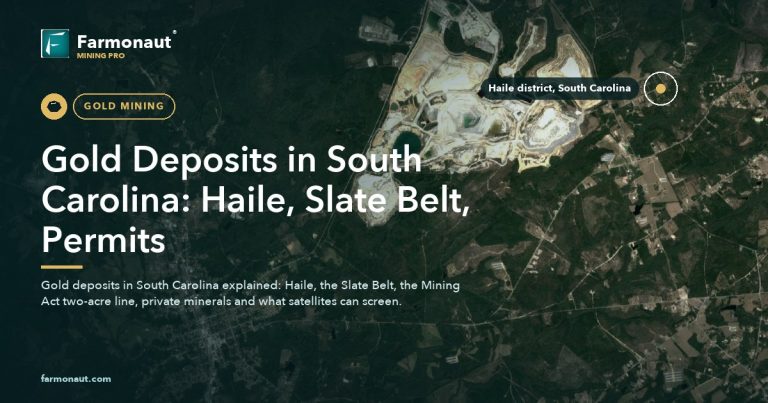
| Gold | Gold prospecting, gold deposits, mining claims | Where gold is found, panning rules, claim fees and how to check land status |
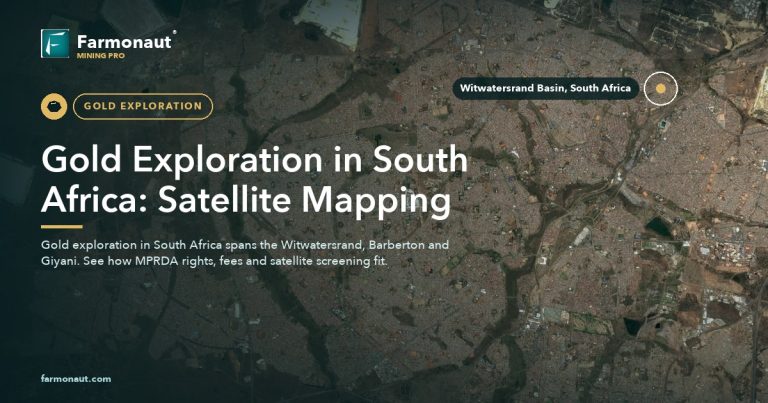
| Exploration methods | Exploration technology | Remote sensing, band ratios, hyperspectral data, geophysics and drilling |
| Metals and critical minerals | Copper, lithium, rare earths, silver, uranium, battery metals | Producers, major mines, uses and supply |
| Industry and environment | Mining industry, mining and the environment | Mining methods, companies and careers, water, tailings and site restoration |
Articles on mining stocks and commodity prices are there to explain how the market works. They aren't investment advice, and any price or production figure in them is only current as of the date shown on the article. Everything else, including oil and gas, coal and gemstones, is on the mining guides page.
Market and industry articles
A good share of the farming industry insights on the blog are market articles: the outlook for a crop protection chemical, a type of farm equipment, controlled-environment growing or farm services. They're useful for seeing who the main suppliers are, which regions are growing fastest and what's pushing demand. Market-size figures in these articles usually come from commercial research firms, and different firms define and measure the same market in different ways, so two reports can disagree by a wide margin. Treat a single number as one estimate, check which firm it came from and when, and look for the trend more than the exact figure. Crop price articles follow the same rule: they show the price on the date given, and our crop prices guide collects the price articles in one place.
Good places to start
If you're new to satellite data in farming, read how to monitor crop health using satellites first, then the walkthrough of the NDVI formula and the comparison of NDVI and NDRE, which explains why NDVI loses detail once a canopy closes. For equipment, 20 farm tools and their uses covers prices, work rates and maintenance.
On the mining side, what a satellite gold map shows and how to read one is the best introduction to remote sensing for gold. Satellite gold exploration in the United States covers BLM claims and land status, and the article on countries with the largest gold reserves shows how to check the figures yourself against primary sources.
How articles are researched and updated
Most articles are written by the Farmonaut Research and Content Team, and the byline at the top of each article says who wrote it. Guest articles carry their own author's byline and go through editorial review before they're published. Most articles show when they were published and, if they've been revised since, when they were last updated.
Where an article quotes figures, we try to use primary sources such as government agencies, geological surveys and published research, and newer guides name the source next to the figure. Our article on gold exploration in the US, for example, cites the USGS Mineral Commodity Summaries for production and the Bureau of Land Management for claim fees. We also go back through older articles: posts that cover the same topic are merged, and posts that have gone out of date are retired, with readers sent on to the closest current article.
Most articles end with a discussion section. Leave a question or correction there and we'll look at it; first-time comments are reviewed before they appear.
The blog is general information. Rules, prices and growing conditions vary by country and change over time, so check anything you plan to act on with a local agronomist, a licensed geologist, the relevant authority or a financial adviser.