

20 Precision Agriculture Tools Revolutionizing Farming
Unlocking higher yields, resource optimization, and sustainability with cutting-edge agriculture technology!
Guidance auto-steering systems were used on 70% of large-scale US crop farms in 2023, according to USDA’s Economic Research Service.
Introduction: The Era of Precision Agriculture
Welcome to the world of precision agriculture—a dynamic field where data, technology, and innovation converge to redefine how we plant, grow, monitor, and harvest crops. As farmers, agribusinesses, and agricultural institutions, we face increasing demands for higher yields, resource efficiency, and sustainability. Precision farming technology helps us meet these challenges head-on by enabling targeted actions, real-time monitoring, and smarter management of our fields and resources.
Through crop monitoring tools, smart irrigation systems, and advanced data analytics, we can now address variability within our fields, optimize inputs such as water, fertilizers, and pesticides, and ultimately boost productivity while reducing environmental impact. Let’s embark on an exploration of the top 20 tools transforming modern farming and forestry—a journey into the future of food production.
Key Benefits of Precision Agriculture Tools
- Optimize Inputs: Apply water, fertilizers, and pesticides precisely where needed, reducing waste and input costs.
- Enhance Yields: Improve crop uniformity, health, and productivity by monitoring growth and detecting issues early.
- Conserve Resources: Use data-driven planning to minimize resource use and promote environmental sustainability.
- Reduce Labor: Employ automation and robotics in tasks like planting, spraying, and weed removal.
- Informed Decisions: Make better farming decisions with data from sensors, aerial imagery, and software analytics.
- Boost Efficiency: Streamline farm management and field operations with integrated systems, increasing responsiveness and reducing effort.
An industry study led by the Association of Equipment Manufacturers estimated that US precision agriculture adopters raised crop production by 4% and cut herbicide and pesticide use by 9%.
Comparative Feature Table: Precision Agriculture Tools
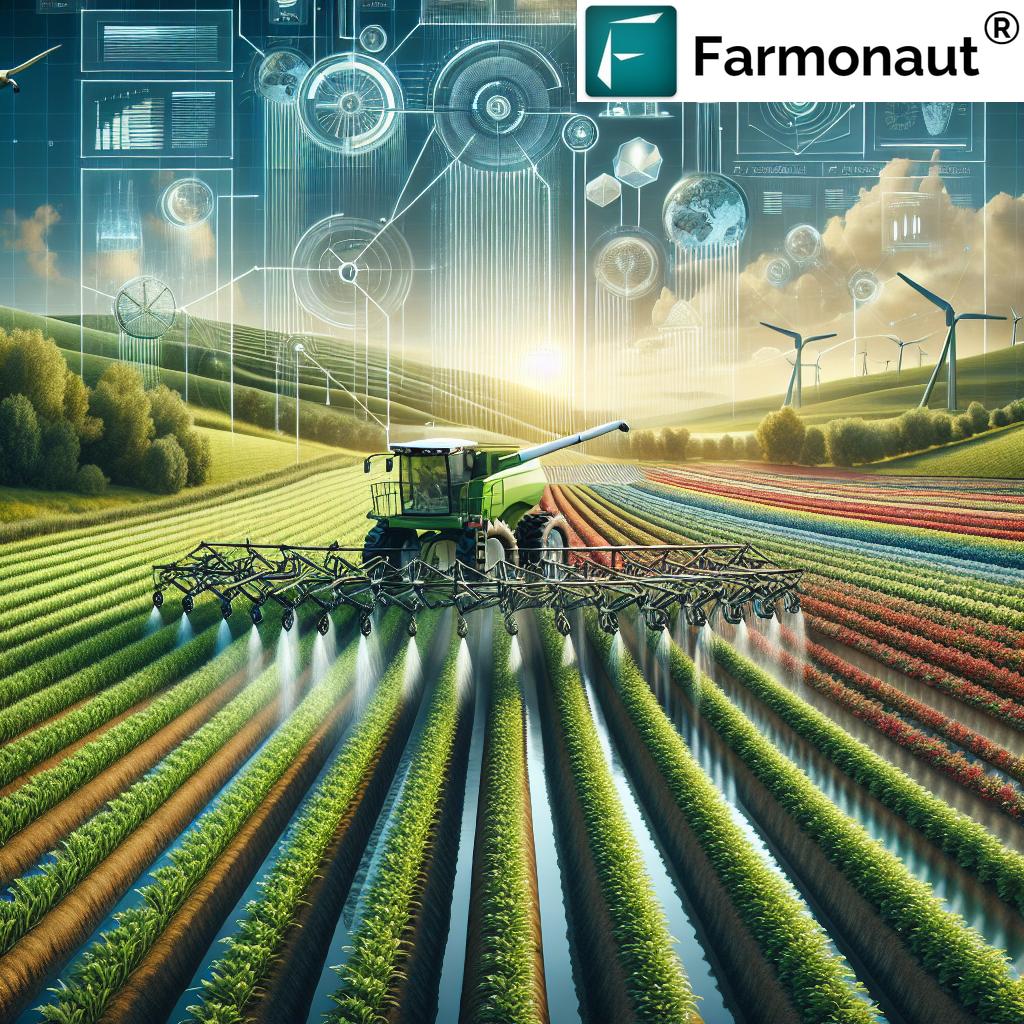
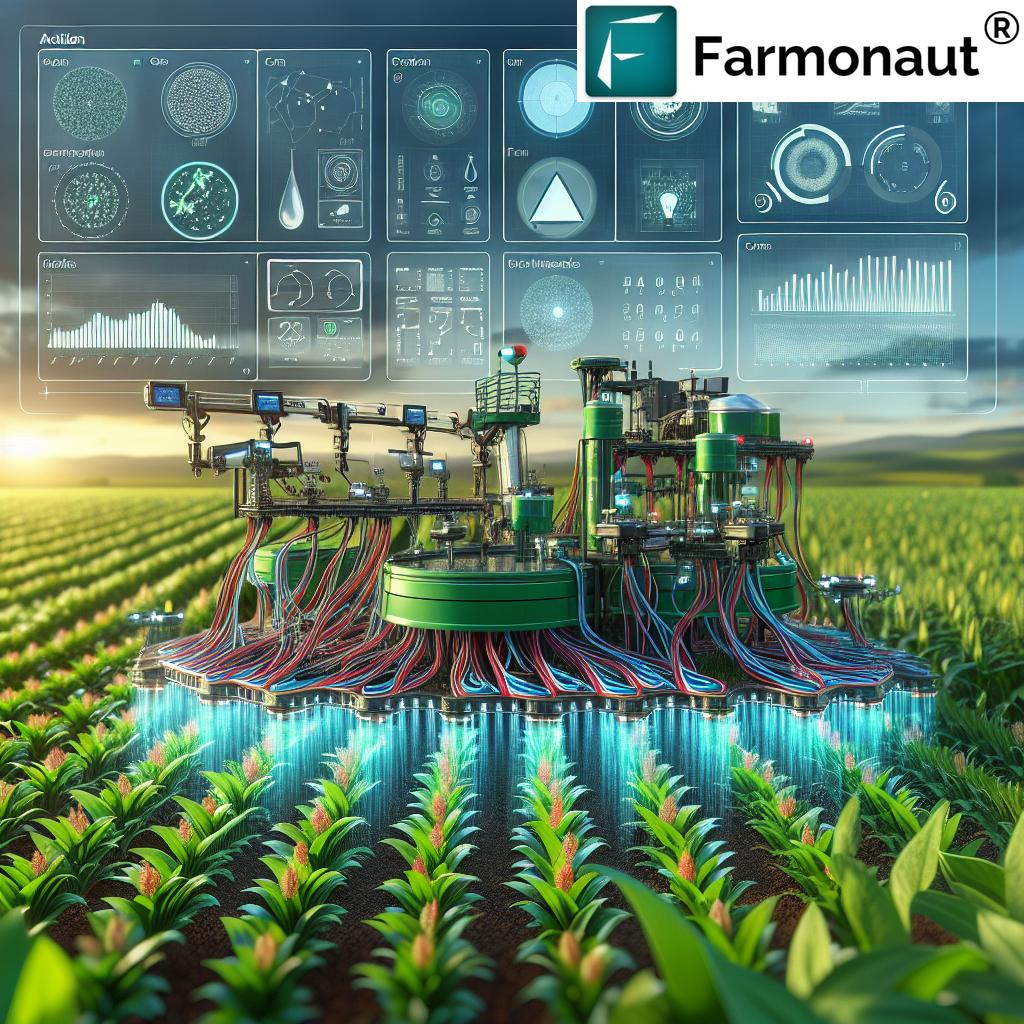
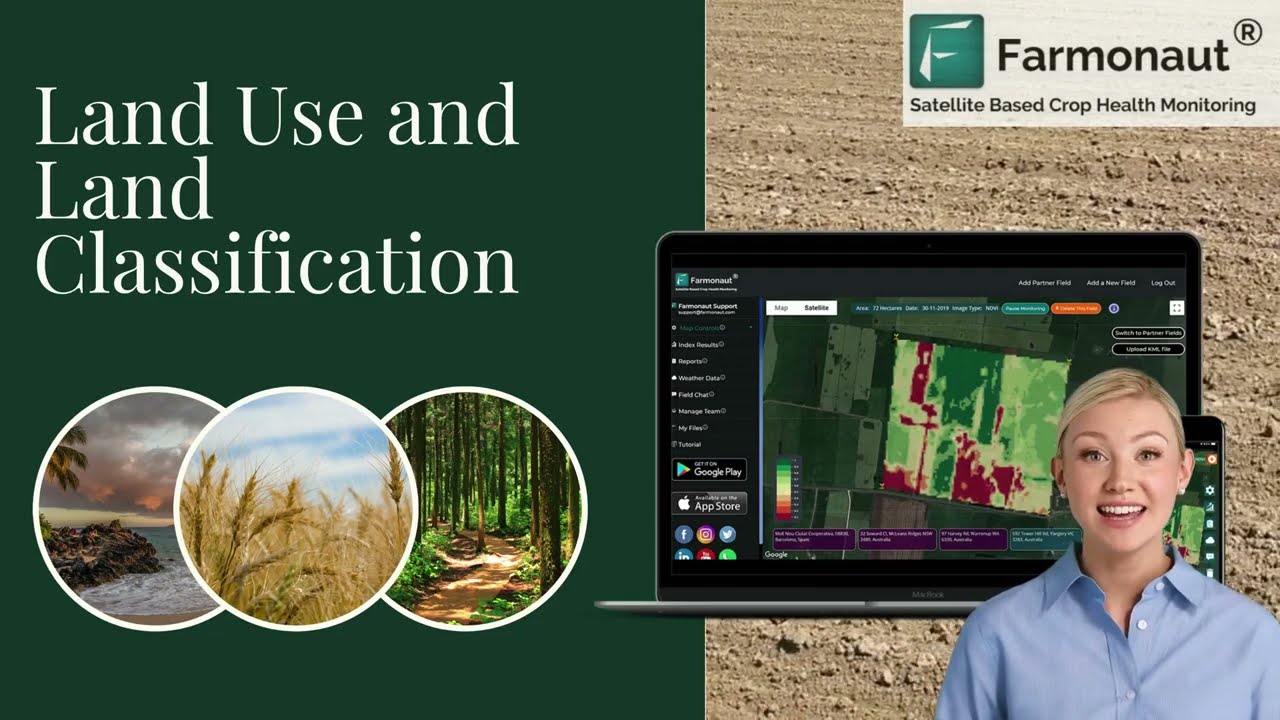
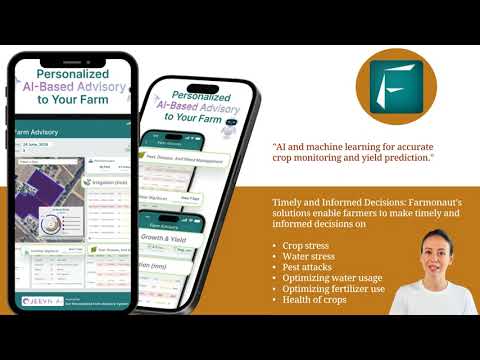
How Many US Farms Use Precision Farming Equipment
Vendor claims about yield gains vary widely, so USDA and GAO survey data give a firmer picture of who actually runs this equipment. Only 27% of US farms or ranches used any precision agriculture practice in 2023 (GAO, January 2024), but use is much higher on large crop farms and on major row crops.
| Equipment | Where measured | Adoption |
|---|---|---|
| Auto-steer / guidance | Large-scale crop farms, 2023 | 70% |
| Auto-steer / guidance | Midsize farms, 2023 | 52% |
| Yield monitors, yield maps or soil maps | Large-scale crop farms, 2023 | 68% |
| Auto-steer / guidance | Corn planted acres, 2001 vs 2016 | 5.3% vs 58% |
| Auto-steer / guidance | Sorghum and cotton planted acres, 2019 | 72.9% and 64.5% |
| Auto-steer / guidance | Soybean acres 2018; winter wheat acres 2017 | 54.5%; 55.9% |
Sources: USDA ERS chart, 2023 data; ERS report EIB-248; ERS Amber Waves, April 2023.
ERS found that at least half of larger row-crop farms use yield maps, soil maps, variable-rate technology or guidance. Outside cotton, fewer than 25% of the smallest farms use any of those four.
The 20 Precision Agriculture Tools Revolutionizing Farming
Let’s delve deep into each precision agriculture tool that is shaping the future of farming and forestry.
-
Global Positioning System (GPS) Devices: The Foundation of Precision Agriculture
GPS technology is essential for mapping fields, guiding farm equipment, and targeting precise areas that need attention. By employing accurate location data, our planting equipment can place seeds at uniform depths and intervals, improving crop emergence and boosting yield. GPS-guided technology reduces overlap, minimizes skips, and cuts operational costs—making every pass count.
- Key Uses: Field mapping, tractor auto-steer, planting, fertilizer application, yield monitoring.
- Impact: Fewer overlaps and skips, which cuts wasted inputs, fuel and operator time.
-
Drones and Aerial Imagery: Eyes in the Sky for Crop Monitoring and Disease Detection
We leverage drones in agriculture with high-res cameras and sensors for real-time aerial imagery of our crops. Drones can rapidly identify pest infestations, plant diseases, or nutrient deficiencies that would be impossible to spot at ground level—enabling laser-targeted interventions that reduce pesticide and fertilizer waste. Some advanced drones are also equipped for precision spraying, directly applying treatments where needed and promoting environmental sustainability.
- Key Uses: Crop monitoring, soil and field analysis, plant counting, spraying pesticides and fertilizers.
- Benefits: Early detection, reduced manual labor, and improved input efficiency.
-
Soil Sensors for Farming: Real-Time Soil Health and Moisture Management
Soil sensors are indispensable when it comes to monitoring parameters such as moisture content, pH levels, and nutrient concentrations in real-time. By installing these devices throughout our fields, we gain an accurate, granular understanding of soil conditions, which enables us to optimize irrigation and fertilization schedules and make informed decisions for greater efficiency and crop health.
- Key Uses: Monitoring soil moisture for irrigation, checking soil fertility, predicting plant stress.
- Impact: Reduced water and fertilizer waste, improved plant growth and yield.
-
Weather Stations: On-Site Environmental Data for Precision Decision-Making
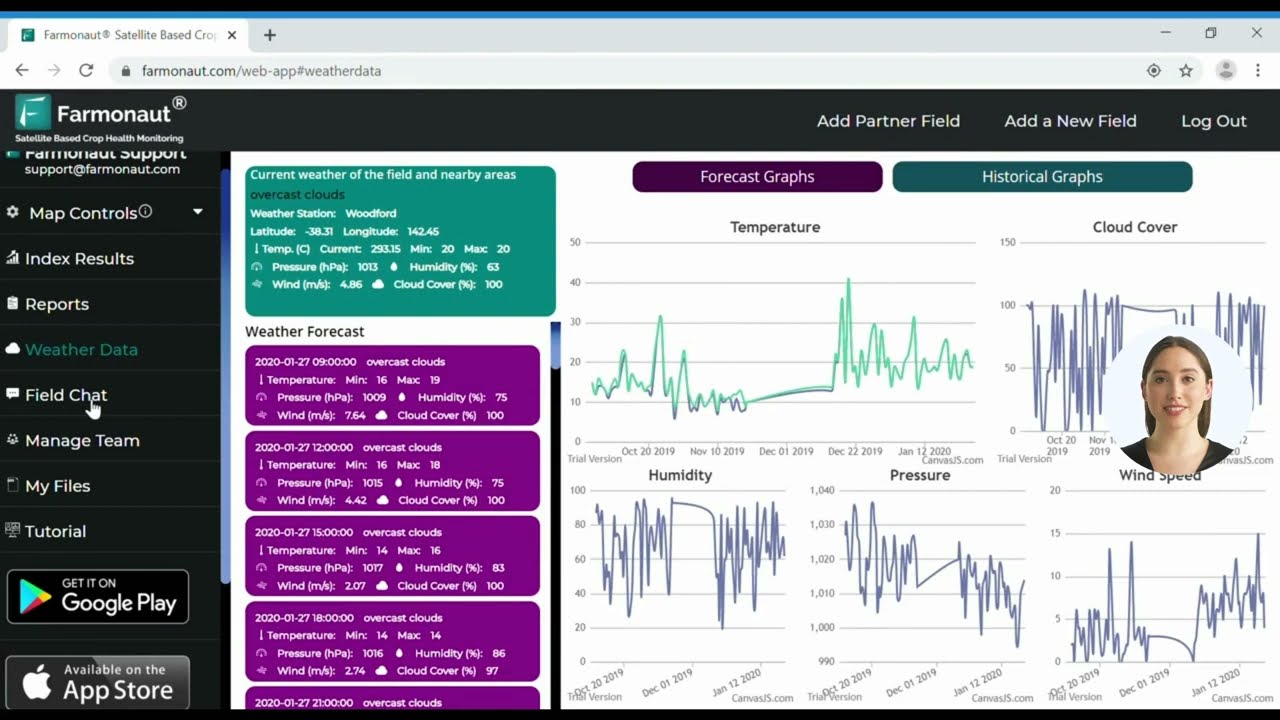
Our on-site weather stations collect real-time data on temperature, humidity, wind speed, and precipitation. This actionable information guides everything from planting and harvesting schedules to optimized irrigation and disease forecasts, safeguarding our crops and reducing risks due to unpredictable weather.
- Key Uses: Weather-responsive field operations, irrigation scheduling, frost/drought alerts.
- Advantages: Informed planning, improved resource allocation, and minimized weather impact on crops.
-
Variable Rate Technology (VRT): Customizing Input Application for Maximum Efficiency
Variable Rate Technology (VRT) enables the precise application of fertilizers, pesticides, and seeds at variable rates across individual sections of a field. By analyzing data from our soil sensors and yield monitors, we ensure that every part of the field gets exactly what it needs—no more, no less.
- Tools: Application controllers, GPS, crop and soil sensors, management zones.
- Resource Optimization: Reduces input waste, minimizes environmental impact, lowers operating costs.
Learn More: Large Scale Farm Management Solutions help agribusinesses manage VRT, monitoring, and planning with ease.
-
Automated & Smart Irrigation Systems: Smarter Water Management for Crop Success
Smart irrigation systems leverage data from soil sensors and weather stations to deliver water exactly when and where our crops need it. Such automated irrigation systems reduce water waste, lower labor costs, and contribute greatly to sustainability—ensuring crops receive adequate hydration for vigorous growth and higher yields.
- Tech: IoT sensors, controllers, app-based management, weather forecasting integration.
- Benefits: Less water waste, more uniform growth, reduced costs.
See also: Farmonaut Carbon Footprinting helps you track your water and emission savings on each irrigation cycle.
-
Robotic Systems: Automating Farm Operations for Higher Precision and Lower Labor
Robotic systems handle repetitive, labor-intensive tasks such as planting, harvesting, and weed control. With machine vision, sophisticated sensors, and artificial intelligence, these systems increase efficiency and accuracy while freeing us up to focus on higher-level management decisions. Robotic weeders and autonomous tractors are leading edge examples.
- Key Uses: Automated weed and pest management, planting, selective harvesting.
- Impact: Reduced labor demand, minimized chemical use, and lower input costs.
-
Yield Monitors: Harvest Data for Smart Decision-Making
Yield monitoring equipment records how much crop is harvested from specific areas of a field. Analyzing this data helps us identify both high- and under-performing zones, allowing for targeted interventions like variable fertilizer application or irrigation scheduling to optimize future yields.
- Use Cases: Grain combines, forage harvesters, sugarcane harvesters.
- Insights: Enables evidence-based improvements for current and future cropping cycles.
Efficiency Tip: Integrate satellite yield maps from Farmonaut Crop Monitoring App for accurate, field-level insights!
-
Farm Management Software: Data-Driven Operations in the Palm of Your Hand
The backbone of modern farm operations is farm management software. These integrated systems collect, store, and analyze data from a suite of precision agriculture tools, generating actionable insights for every stage—from purchasing and planting to logistics and financials. Cloud-based, mobile-accessible platforms keep us connected to our farm data anytime, anywhere.
- Features: Planning, input tracking, labor management, compliance documentation, financial performance monitoring.
- Efficiency: Enables streamlined management, reduces manual paperwork, supports better resource allocation.
Try it out: Farmonaut Web & Mobile App provides intuitive dashboards, real-time monitoring, and decision support tools.
-
Precision Seeding: Uniform Emergence for Maximum Yield Potential
Precision seeding uses equipment guided by GPS and sensors to sow seeds at precise depths and intervals. This ensures uniform emergence and optimal plant density, reducing seed waste and eliminating the need for thinning. Bottleneck issues such as overcrowding or gaps in the field are minimized, resulting in higher productivity.
- Advantages: Fewer seeds, better germination, higher uniformity.
- Perfect for: Row crops like maize, soybeans, wheat, cotton.
-
Unmanned Ground Vehicles (UGVs): Autonomy in Every Terrain
UGVs automate ground-based tasks such as planting, spraying, and harvesting. Equipped with robust navigation systems, sensors, and AI, they boost efficiency on large farms and reduce dependence on manual labor. Remote control or full autonomy allows for 24/7 operation, even in challenging field conditions.
- Applications: Specialty crop operations, orchards, large plantations, and dangerous environments.
- Optimization: Consistent performance, accurate input placement, time savings.
Optimize your fleet: Farmonaut Fleet Management helps operators track, maintain, and route all UGV and machinery assets.
-
Smartphone Applications: Precision Agriculture at Your Fingertips
Today’s mobile applications empower farmers with mobile-based field mapping, crop monitoring tools, weather forecasting, and equipment management. Leveraging built-in sensors, cameras, and GPS, these apps create accessible and convenient solutions for agriculture—enabling informed decisions on the spot.
- Key Features: Scouting, pest identification, satellite image access, notifications, and remote control.
- Benefits: Portability, real-time updates, improved farm agility.


-
Machine Learning & Artificial Intelligence: Insights That Drive Precision Decisions
Artificial intelligence (AI) and machine learning algorithms parse through massive volumes of data from sensors, satellites, and equipment. AI detects patterns, predicts yield and disease risks, automates key management tasks, and even recommends optimal application rates for nutrition and protection. This level of predictive analytics is truly revolutionizing precision farming technology.
- Examples: Crop disease prediction, irrigation recommendations, harvest scheduling, livestock feed optimization.
- Impact: Higher yields, efficient resource allocation, better risk management.
Pro Tip: Integrate AI with your field data using Farmonaut’s Jeevn AI Advisory for customized recommendations.
-
Remote Sensing Technologies: Macro-Scale Monitoring with Satellites and Aircraft
Remote sensing technologies (often satellites and aircraft) provide comprehensive, regular imagery of entire fields or regions. They support precision farming by offering valuable data like NDVI (green biomass), canopy cover, soil moisture, and more—enabling us to identify areas of variability and target interventions at the right time.
- Use Cases: Crop scouting, drought detection, pest outbreaks analysis.
- Benefit: Continuous, large-scale monitoring supporting both small and vast farms alike.
Start now: Farmonaut’s Satellite-Based Monitoring App gives instant access to historical and live remote sensing data.
-
Auto-Guidance Systems: Navigation Perfection for Your Equipment
Auto-guidance systems combine GPS and sensor inputs to steer tractors and other equipment along optimized paths—ensuring there are no overlaps or missed sections during planting, spraying, and harvesting. This translates directly to reduced fuel costs, fewer input purchases, and better environmental outcomes.
- Usage: Seed drills, sprayers, harvesters in straight, contour, or headland patterns.
- Advantages: Less fatigue for operators, increased safety, improved job quality.
-
Data Management Systems: Transforming Raw Data into Actionable Insights
With the rise in connected sensors and digital farm equipment, managing data is critical. Data management systems store, process, and analyze information, providing clear visualizations that empower us to act quickly. They help turn data noise into actionable strategies—whether for resource allocation, planning, or reporting.
- Features: Secure cloud storage, analytics dashboards, custom reports, and granular access.
- Key Benefit: Integration across equipment, sensors, and decision-making software.
Explore API: Farmonaut Satellite & Weather Data API integrates your machinery with field data securely and scalably.
API Docs: Developer Documentation for advanced integrations. -
Precision Irrigation Systems: Maximizing Water Use Efficiency
Precision irrigation systems combine data from sensors, weather stations, and AI to deliver the right amount of water at the right time, directly to plant roots. This not only saves water and energy but also guards against diseases caused by overwatering, promoting healthier, more productive crops.
- Key Tech: Drip, micro-sprinkler, and center-pivot systems with real-time control.
- Benefit: Lower water use with more consistent crop growth.
-
Robotic Weeders & Automated Weed Control: Reducing Manual Labor and Chemical Use
Automated weed control systems use robotics, machine vision, and sensors to identify and remove weeds with minimal damage to desirable crops. By targeting only the unwanted plants, these robotic weeders reduce or eliminate herbicide usage and manual labor—creating a more sustainable, economical practice.
- Applications: Row crops, vegetables, organic farming, large-scale broadacre fields.
- Impact: Reduced labor costs and chemical residues while promoting soil health.
-
FarmBot: Open-Source CNC Farming for Everyone
FarmBot represents a modular, open-source CNC farming project that automates planting, watering, and maintenance at small-plot levels. Accessible via a web interface, FarmBot provides flexibility and learning opportunities, making high-tech agriculture easy for a wide audience.
- Benefits: Democratizes precision agriculture, supports education, hobbyists, and urban farming initiatives.
- Feature: Open documentation and community-support for modular upgrades.
-
Precision Spraying Technologies: Sustainable Protection, Plant by Plant
Precision spraying employs AI, cameras, and robotic arms to deliver measured doses of pesticides or nutrients only to those plants or weeds that require treatment. Spot spraying specific targets reduces chemical use, environmental impact, and input costs, ensuring maximum production with minimal waste.
- Examples: Agrifac individual spot spraying technology, RGB camera-based recognition.
- Benefits: Cost savings, compliance with regulations, healthier produce.
How Farmonaut Makes Precision Agriculture Accessible: Powering Viable, Scalable Innovation
At Farmonaut, our mission is to democratize precision agriculture by delivering satellite-based farm management solutions via Android, iOS, and browser-based platforms. We focus on making advanced technology—once reserved for large industrial farms—affordable and intuitive for farmers of all scales, agribusinesses, and institutions.
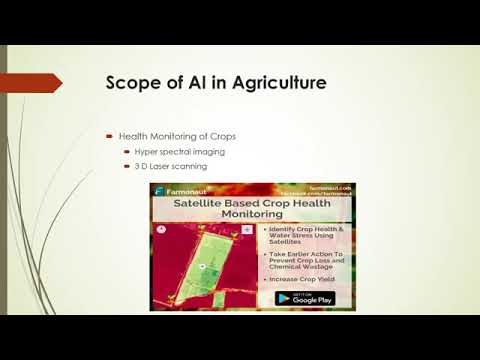
- Satellite-Based Crop Health Monitoring: Using multispectral imagery, we help farmers monitor crop health, soil moisture, and vegetation indices in real-time. No need for expensive, field-deployed sensors everywhere—get instant, accurate data with just a few clicks.
- Jeevn AI Advisory: Our proprietary AI tool delivers crop-specific recommendations, weather forecasts, and real-time advisory—helping to maximize yields, optimize inputs, and minimize environmental impact.
- Blockchain Traceability: With secure, blockchain-based systems (Product Traceability), agribusinesses ensure transparency in supply chains, strengthening consumer trust.
- Fleet & Resource Management: Efficiently manage fleets with Fleet Management solutions—reducing operational costs, increasing safety, and maximizing machine and vehicle utilization.
- Carbon Footprinting & Sustainability: Track and reduce emissions from your operations, prove compliance, and support sustainable certifications with our Carbon Footprinting tools.
- Crop Loan and Insurance Documentation: Reduce fraud and fast-track approvals with Satellite-based verification for crop loans and insurance.

Our easy-to-use subscription-based model provides access to these services for individual farmers, collectives, agribusinesses, corporate clients, and government institutions. Integration with APIs and detailed developer documentation empowers developers and companies to add Farmonaut’s data and analytics directly into their platforms or applications.
Farmonaut does not sell farm inputs, machinery, or act as a regulatory agency—it’s a technology solutions provider, paving the way for data-driven agriculture everywhere.
What Precision Equipment Saves: Industry Estimates
The most-cited national estimate of savings comes from a 2021 study by the Association of Equipment Manufacturers (AEM), with the American Soybean Association, CropLife America and the National Corn Growers Association. These groups represent equipment and input makers and growers, so treat the figures as an industry estimate, not an independent audit.
The study estimated that farmers already using precision technologies had achieved (AEM, 2021):
- a 4% increase in crop production
- a 7% increase in fertilizer placement efficiency
- a 9% reduction in herbicide and pesticide use
- a 6% reduction in fossil fuel use
- a 4% reduction in water use
These are averages across adopters. On a single farm, results depend on how variable the fields are. A uniform field gains little from variable-rate application, while a field with mixed soils and past yield swings gains the most. GAO lists high acquisition costs, farm-data sharing and ownership concerns, and a lack of interoperability standards as the main barriers to adoption (GAO-24-105962).
Frequently Asked Questions (FAQ) on Precision Agriculture Tools
What is precision agriculture?
Precision agriculture is a modern farming practice that leverages technology—including sensors, GPS, drones, AI, and data management systems—to monitor, analyze, and manage field variability. It enables farmers to optimize input usage, improve yields, and enhance environmental sustainability.
Which is the best tool for crop monitoring?
Crop monitoring tools vary based on farm size and needs. Satellite-based systems (like Farmonaut), drones, and ground sensors each have unique advantages. Farmonaut’s Crop Health Monitoring is ideal for large areas, while drones offer rapid spot-checking.
How do smart irrigation systems save water?
Smart irrigation systems use sensor data and weather forecasts to deliver water only when and where it’s needed, eliminating overwatering. Savings depend on the crop, soil, climate and the system it replaces.
Can precision agriculture lower input costs?
Yes, variable rate technology, automated spraying, precise seeding, and optimized irrigation all contribute to lower fertilizer, pesticide, water, and labor costs while increasing yields.
How does Farmonaut differ from traditional farm management solutions?
Unlike hardware-dependent solutions, Farmonaut relies on satellite, AI, APIs, and blockchain to provide real-time, affordable, and scalable farm management, accessible to any farmer or agribusiness globally.
Is Farmonaut an input seller or regulator?
No, Farmonaut is a technology and data solutions provider for the agriculture industry, not a seller of farm inputs or machinery, nor a regulatory agency.
Summary & Next Steps: Embracing a Data-Driven Farming Future
Precision agriculture tools have moved farming from guesswork to evidence-based management. By integrating data from sensors, satellites, drones, and management software, we unlock dramatic gains in efficiency, yields, and sustainability—benefiting every player from smallholder farmers to global agribusinesses. Solutions like those offered by Farmonaut place this technology within everyone’s reach, making innovation, transparency, and sustainability the new standard in agriculture.
- Ready to get started?
- Download the Farmonaut Android app or iOS app for on-the-go crop monitoring, or launch the web application from any device.
- Developers and businesses: Farmonaut Satellite & Weather API is available for seamless platform integration.
- Scale up with specialized modules like Large Scale Farm Management, API developer docs, and carbon footprint monitoring.
Embrace the digital transformation and let data guide every decision—from planting to harvest to sustainability reporting. Together, we can feed the future, protect the planet, and optimize every acre.

 Grandstream Algérie
 XOS Realty
 Geospatial Lab Africa
 KhetiBuddy
 Agro La Gándara
 HIPSAC
 ZOL Zimbabwe
 Juligerm
 AdBio
AdBio MISE Maroc
 NWNS
NWNS Red August Group
 Farm Inc
 WeMe Global
 Agrotoken
 Blue BearX
 Insignito
 Croptimum
 DnCubed
 Field Capacity
 Indosistim Teknologi
