Best Composter & Organic Compost for Lawn & Seeds 2026: Top Picks, Eco-Friendly Techniques & Sustainable Solutions



Introduction: Composting for Lawns, Seeds & Sustainability in 2026
As we approach 2026, composting and the use of organic compost for lawns, seeds, and agricultural fields have become more than gardening trends—they’ve evolved into essential strategies for soil health, sustainability, and environmental stewardship. Across the world, gardeners, farmers, and land managers are searching for the best composter and best organic compost options tailored for every need. The drive to reduce chemical inputs and enhance farm productivity makes compost a cornerstone practice for the modern, sustainable landscape.
We now live in a time where the best compost for lawn and best compost for seeds not only boost plant growth and strengthen roots but also contribute directly to carbon sequestration and climate resilience. The best compost machine for 2026 is more intelligent, integrating technology and user-friendliness for urban properties to expansive fields. Whether you’re a backyard enthusiast starting seeds, a commercial landscape manager, or involved in agricultural operations, understanding your composting options is essential for maximizing soil health and delivering robust plant growth.
Why Organic Compost Is Essential in 2026
Organic compost remains a cornerstone practice in agriculture and gardening, especially as we face evolving climate challenges and stricter environmental goals. Its benefits extend far beyond mere plant growth:
- Enriches soil structure and health: Compost adds vital organic matter to the soil, promoting aeration, improving water retention, and feeding beneficial microbial activity.
- Supports robust turf and dense lawns: A well-balanced compost supplies a range of nutrients, particularly nitrogen, phosphorus, and potassium, for dense, healthy turf.
- Reduces dependency on synthetic fertilizers: Compost delivers balanced macro- and micronutrients and enhances soil fertility without the drawbacks of chemical inputs.
- Promotes soil carbon sequestration: Regular compost application helps lock atmospheric carbon into the ground, combating climate change.
- Minimizes waste and improves recycling: Composters transform kitchen scraps, yard trimmings, and other bio-waste into a valuable resource, lessening landfill use.
Understanding the Best Compost for Lawns, Seeds & More
The search for the best compost must consider the end use—whether fostering lush lawns, kickstarting seedlings, or enriching large agricultural fields. Let’s explore how the requirements differ for lawns, seed starting, and multipurpose plots:
1. Best Compost for Lawn: Building Healthy Turf
The best compost for lawn is one that delivers a balanced blend of nutrients with ample microbial activity. Lawns thrive on composts derived from green yard trimmings, food scraps, and well-aged manure. These mixes:
- Support dense, green grass by providing steady, slow-release nutrients that do not burn roots.
- Enhance soil retention of moisture, keeping turf resilient during droughts.
- Encourage strong microbial activity, boosting natural disease resistance and thatch breakdown.
A finely textured compost that is free from weed seeds and pathogens is essential for use on lawns—look for certified or well-aged blends to reduce unwanted problems.
2. Best Compost for Seeds: Ensuring Optimal Germination
Seeds have unique requirements: the best compost for seeds should be:
- Finely textured for even contact with emerging roots
- Sterile and free from pathogens (to protect germination)
- Low in strong nutrients to avoid burning new seedlings
- Well-aerated—often blended with peat moss, vermiculite, or perlite for drainage
Specialty seed-starting mixes often combine compost with peat moss alternatives, perlite, and vermiculite, ensuring gentle levels of nutrients and optimal drainage. These mixes are the top option when starting vegetables, herbs, native species, or climate-adapted hybrids.
3. Multi-Purpose Compost: Across Gardens and Agricultural Operations
For managing larger plots or agricultural operations, the best organic compost is certified, free from contaminants, and produced under carefully controlled temperature and moisture conditions. Uniform quality, established by regulated systems, is vital for broad-scale soil amendments across crop cycles.
Did you know? Farmonaut’s blockchain-based traceability can help you ensure the authenticity and safety of your organic compost inputs, giving you transparency and peace of mind for all your sustainable agriculture practices.
Best Composter Options for Backyards, Homes & Eco-Friendly Plots
In 2026, the best backyard composter or home composting system is all about smart design, environmental compliance, and user convenience—making composting a practice that’s easily adopted by urban gardeners and rural homesteads alike. Here are the most effective additions to consider:
A. Tumbler Composters: Fast, Odor-Free & Urban-Friendly
- Enclosed, rodent-proof designs with simple handles enable anyone to blend their pile regularly, speeding breakdown and limiting issues with pests or smell.
- Perfect for city dwellers with limited outdoor space seeking a compact, effective composting solution—choose BPA-free, UV-stabilized models for best results.
- Estimated decomposition time: 6–8 weeks depending on inputs and turning frequency.
B. Worm Composters (Vermicomposters): Microbial Richness for Small Spaces
- Use red wigglers or European nightcrawler worms to digest kitchen waste; resulting vermicompost is especially rich in microbial activity and ideal for seeds and small gardens.
- Compact, stackable trays maximize vertical space—making them a popular, low-odor option for apartments.
- Worm castings enhance soil structure more than regular compost, particularly in depleted soils.
C. Smart & Tech-Enhanced Composters: The Future at Your Fingertips
- New smart composters are equipped with moisture, temperature, and oxygen sensors, feeding data to your phone for optimal conditions.
- Automated blending, inbuilt aeration fans, and precision moisture control make them the best composter for busy households or data-driven gardeners seeking 2026’s top technology.
D. In-Ground & Bin Composters: Simple Designs for All Climates
- Traditional in-ground pits and wooden bin composters enhance aeration and encourage natural microbial processes.
- They’re easily built using recycled wood or local materials, promoting sustainable waste recycling in rural and urban areas alike.
Best Compost Machines for Large Agricultural Scale in 2026
When managing operations at agricultural scale, compost machines are vital for efficiency, quality, and environmental compliance. The best compost machine for 2026 streamlines organic waste recycling for farms, forests, and commercial plots.
- Modern compost turners: These mechanically turn massive piles, ensuring uniform exposure to oxygen and speeding breakdown while maintaining optimal temperature.
- Shredders and mixers: Pre-process bulky matter for faster microbial activity and homogeneous compost texture, improving decomposition time.
- Static pile systems: Use forced air pipes and digital temperature monitors to reduce greenhouse gases and guarantee pathogen-free, high-quality material.
- AI- and sensor-equipped units: Monitor real-time moisture levels, microbe counts, and feedstock ratios—delivering data-driven management for certified organic compost standards.
Such machines are indispensable for farmers focused on minimizing labor, maximizing nutrient cycling, and meeting the rising demand for sustainable organic amendments.
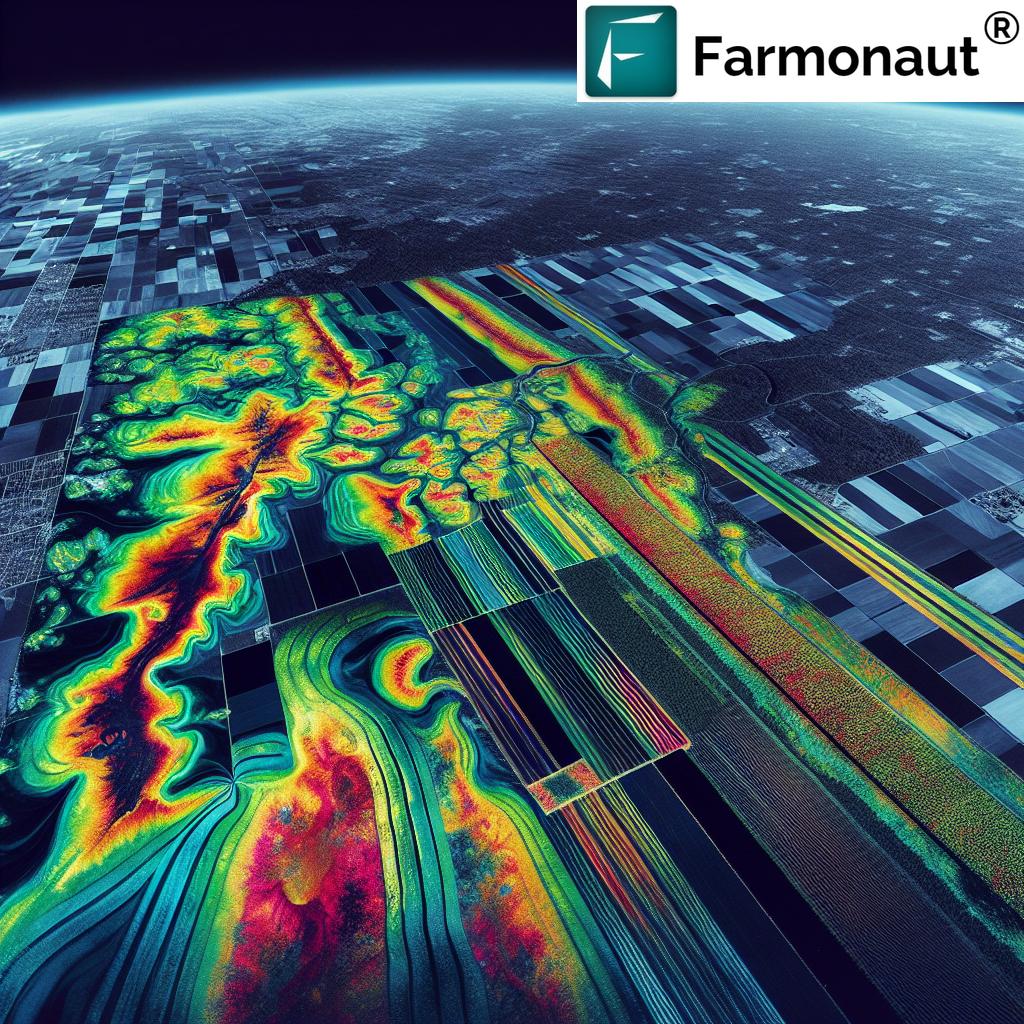
For large-scale soil, forest, or plantation monitoring, Farmonaut’s large-scale farm management system empowers managers with satellite insights into moisture, nutrient movement, and soil health, enabling you to operate more efficiently and sustainably.
The Best Organic Compost: Fertilizer for the Future
As sustainable agriculture continues to gain importance in 2026, demand for certified organic compost is at an all-time high. But what exactly defines the best organic compost, and how is it produced?
Features of the Best Organic Compost
- Certified inputs: Uses only non-GMO, pesticide-free feedstocks (yard trimmings, manure, crop residues).
- Controlled temperatures: Maintains high-heats (55–65°C), eradicating pathogens and weed seeds, which is essential for safe lawns, seeds, and edible crops.
- High organic matter content: Typically 30–50%, ensuring maximum soil-building capacity and carbon enrichment.
- Rich in beneficial microbes: The best blends promote plant growth hormones and rapidly enhance soil structure.
Ongoing research validates that consistent application of quality organic compost improves crop resilience, boosts yields, and reduces costs related to synthetic fertilizers—making it a vital practice for both small, backyard plots and commercial fields.
Curious about how your composting efforts impact your environmental footprint? Explore Farmonaut’s carbon footprinting solutions—using satellite-driven technology to track, analyze, and reduce your land’s carbon profile, supporting global climate goals.
Comparative Table: Top Composters & Organic Compost Options for Lawns & Seeds (2026)
| Product Name | Type | Capacity/Volume (L) | Suitable For | Material/Blend | Estimated Decomposition Time (weeks) | Organic Certification | Sustainability Score (1-5) | Price Range (INR/USD) |
|---|---|---|---|---|---|---|---|---|
| EcoTumbler 360 | Composter (Tumbler) | 135 L | Lawns, Gardens, Seeds | BPA-free polyprop. | 6–8 | N/A | 4.5 | ₹7,000–9,000 / $85–110 |
| SoilBuilder Smart Pro | Composter (Smart IoT) | 90 L | Both | Eco-plastic, Electronics | 4–6 | N/A | 5 | ₹12,000–15,000 / $145–180 |
| VermiTower Max | Composter (Worm) | 60 L | Seeds, Balcony/Indoor | Recycl. Plastic/Steel | 8–10 | No | 4 | ₹4,000–6,000 / $48–70 |
| PureGrow Lawn+ Blend | Compost (Organic) | 30 L | Lawns | Compost + Biochar | Ready to use | Yes | 5 | ₹2,000–3,000 / $25–35 |
| SeedStart Pro Mix | Compost (Seed Mix) | 15 L | Seeds | Compost+Perlite/Vermiculite | Ready to use | Yes | 4.5 | ₹950–1,500 / $12–18 |
| AgroCycle Pro5000 | Composter (Large-scale Machine) | 5,000 L | Farms, Forestry | Steel, IoT Electronics | 4–10 | N/A | 5 | ₹180,000–250,000 / $2,200–3,000 |
| EcoSeed Complete | Compost (Organic, All-purpose) | 20 L | Both | Organic Blend, Peat-free | Ready to use | Yes | 4 | ₹1,300–2,400 / $16–28 |
Top Composting Tips & Techniques for Sustainable Results
Achieving the best compost for your lawn, seeds, or farm is a blend of science and art. Here are expert-backed principles to maximize your results in 2026 and beyond:
- Layer green and brown materials: Provide a balanced carbon-to-nitrogen ratio for optimal microbial activity. Use green waste (kitchen scraps, lawn clippings) and brown waste (dry leaves, straw) in alternating layers.
- Maintain moisture: Compost should feel like a wrung-out sponge, never soggy or dusty. Regularly check levels to keep microbes thriving.
- Aerate regularly: Turning or tumbling your compost pile introduces oxygen, speeding decomposition and preventing odors.
- Shred larger pieces: Breaking down ingredients before composting speeds microbial breakdown and ensures more uniform compost.
- Monitor temperature: Compost should heat to 55–65°C (130–150°F) during active breakdown—this destroys pathogens and seeds.
- Allow for curing: Mature compost has a pleasant, earthy smell and is dark brown—do not apply unfinished compost, especially near tender seedlings or lawns.
Eco-Friendly Practices for Soil Health & Climate Mitigation
Effective composting is at the heart of sustainable agriculture and garden stewardship. Here are extra strategies to maximize the benefits of your best backyard composter or organic compost system:
- Compost all eligible organic waste: Divert fruit peels, coffee grounds, eggshells, and shredded paper—reducing landfill inputs and supporting circular agriculture.
- Crop rotation and cover cropping: Combine organic compost with cover crops to keep soil nitrogen and other micronutrients cycling throughout all seasons.
- Use mulch with compost: Topdress your lawn or garden beds to reduce erosion and slow moisture loss.
- Test your soil regularly: Ensure you’re three steps ahead on nutrient levels, pH, and moisture—the backbone of healthy plant growth.
- Apply compost at the right time: For seed starting, use the best compost blends one week before sowing; for lawns, apply after aeration or dethatching in spring or autumn for best turf density.
Composting and Technology: Smart Solutions for 2026
Composting in 2026 benefits directly from modern technology, making the practice more sustainable, efficient, and scalable, from backyard pots to commercial farms:
- Smart composters notify users of moisture and turning needs, minimizing operator guesswork.
- IoT and AI-driven systems automate environmental controls, providing data-driven results and optimizing decomposition rates.
- Satellite-based crop and soil insights help to analyze how compost application affects soil health and field productivity, even across expansive landscapes.
Farmonaut delivers the latest in satellite technology for soil condition and agriculture monitoring, integrating AI and blockchain to help make environmental stewardship affordable, accessible, and scalable for 2026 and beyond.
For developers and large-scale projects—farmers, agri-tech startups, or government planners—access real-time API-based data on soil, crops, and the impact of composting through Farmonaut’s Satellite & Weather API. Explore the API Developer Docs for detailed integration guides.
How Farmonaut Supports Sustainable Soil, Compost & Agriculture
At Farmonaut, our mission is to empower farmers, gardeners, and land managers worldwide with advanced satellite-driven solutions for sustainable agriculture and natural resource management.
- Satellite-based soil and moisture monitoring: Our platform offers real-time insights into soil health, vegetation, and moisture, supporting more effective composting and land amendments.
- AI-based advisory systems: Our Jeevn AI delivers crop-specific, location-aware recommendations, maximizing yields and reducing chemical inputs.
- Blockchain-powered traceability: We offer end-to-end transparency of agricultural inputs, including the origin of organic compost for farms and food producers.
- Carbon footprint tracking: Our environmental impact monitoring enables users to track and minimize emissions, supporting regenerative, climate-smart agriculture.
- Resource management tools: From fleet management to crop plantation and forest advisory, we help scale sustainable practices across land, crops, and operations.
Our modular, subscription-based platform is accessible via web, iOS, and Android apps, as well as APIs—making advanced agri-technology available to individual users, businesses, and governments at every level. Learn more and join the movement for truly sustainable agriculture in 2026!
Farmonaut Subscriptions
Start your journey to sustainable, data-driven agriculture today! Select the Farmonaut subscription plan best suited for your needs and unlock the power of satellite, AI, and blockchain for land, crop, and compost management:
Frequently Asked Questions (FAQs)
-
What is the best composter for a small backyard in 2026?
For most small spaces, a tumbler composter or a compact worm composter is ideal due to ease of use, pest resistance, and fast decomposition. Smart composters with IoT support are gaining traction for those who prefer hands-off operation and efficient results. -
What’s the best compost for lawn compared to the best compost for seeds?
Lawn compost should be nutrient-rich, with plenty of stable organic matter, and free from contaminants. Seed-starting compost must be finely-textured, sterile, and low in strong nutrients to ensure successful germination and healthy roots. -
How can I make sure my compost is truly organic in 2026?
Source certified organic feedstocks, monitor temperatures to eliminate pathogens, and avoid contaminants. When buying, always check for credible organic certification. -
How quickly can the best compost machine produce finished compost?
With a balanced mixture and regular management, modern composters produce finished compost in as little as 4–6 weeks—especially when equipped with AI-driven moisture and aeration controls. -
How does composting help reduce my environmental impact?
Composting transforms waste into valuable amendments, reduces landfill input, lowers greenhouse gas emissions, and supports carbon sequestration in your soil. -
Can Farmonaut track the impact of composting on my land’s carbon profile?
Absolutely. Our satellite-driven carbon footprinting tools allow users to monitor, benchmark, and optimize land management and compost application to align with sustainability and climate targets. -
What support does Farmonaut offer for financial management in agriculture?
We offer satellite-based crop loan and insurance verification, supporting financial access and risk reduction for farmers using best practices, including composting.
Conclusion: The Sustainable Path Forward in 2026
The transition to sustainable food systems and lawn care in 2026 hinges on choosing the best composter, best compost for lawn, best compost for seeds, and best organic compost adapted for climate-smart agriculture. Whether nurturing a lush backyard or managing vast agricultural fields, composting remains the most accessible, effective practice to regenerate soil, maximize plant growth, enrich microbial activity, and promote lasting environmental benefits.
By embracing the latest advances—from AI-enhanced compost machines to certified organic blends—and incorporating precise, satellite-driven tools like those Farmonaut provides, farmers, gardeners, and land managers can unlock the full promise of organic amendments while contributing to planetary health.
Let’s continue to cultivate healthier soils, resilient crops, and greener communities—one compost pile at a time, paving the way for robust, sustainable agriculture well beyond 2026.