

Buying gold in Canada · Buyer guide
Best Places to Buy Gold in Canada: 6 Options Compared
The best places to buy gold in Canada are Mint-registered dealers, large online dealers and a bank that sells bullion. This page compares six, with dated premiums over the gold price in C$, the GST/HST rule on investment-grade gold and the cities with dealers.
Key takeaways
- Gold was about US$4,150 per troy ounce, roughly C$5,920 or C$190 per gram, on 15 October 2026 (Kitco; Bank of Canada rate 1.4263).
- The Royal Canadian Mint listed 62 registered dealers in seven provinces on 15 October 2026; Ontario had 29 (Mint dealer list).
- Premiums over the gold price in our 15 October 2026 snapshot ran from about 2% on a 1 kg bar to about 110% on a half-gram Mint coin (dealer and Mint listings).
- Bars, ingots and coins of at least 99.5% gold are generally exempt from GST/HST; jewellery and lower-purity gold are generally taxable (CRA Memorandum 17-1, July 2026).
- Paying $10,000 or more in cash triggers ID checks and a report to FINTRAC, and cash payments by the same person within 24 hours are added together (FINTRAC).
In this article
- Gold price in Canada: C$ per ounce and per gram
- How we chose these places to buy gold
- Six places to buy gold in Canada compared
- Canadian cities with physical gold bullion stores
- How big are premiums over the gold price?
- Is gold GST/HST exempt in Canada?
- ID checks, cash limits and records when you buy gold
- Coins, bars or exchange-traded funds?
- How to buy gold in Canada step by step
- Where Canadian gold comes from
- For consultants: from buying gold to mapping gold ground
- Frequently asked questions
For most Canadian buyers, the best place to buy gold is a dealer on the Royal Canadian Mint’s registered list, a large online dealer, or a bank that sells bullion, because each is a known seller with published prices and a proper invoice. Which one suits you depends on whether you want to walk in, order online or buy through your bank. This page compares six options on what each seller says on its own site, shows what premiums looked like on 15 October 2026, and explains the GST/HST rule on investment-grade gold. It is general information, not investment, tax or legal advice.
Gold was quoted at about US$4,150 per troy ounce by Kitco at about 9:00 a.m. Eastern on 15 October 2026. At the Bank of Canada’s daily average rate of 1.4263 Canadian dollars per US dollar (14 October), that is roughly C$5,920 per ounce, or C$190 per gram. A troy ounce is 31.1035 grams. These are market prices before any dealer premium, so you will pay more than this for a coin or bar.
Gold price in Canada: C$ per ounce and per gram
Gold trades in US dollars worldwide, so the Canadian price is the US price multiplied by the USD/CAD exchange rate. A rate of 1.4263 means one US dollar buys C$1.4263. When the Canadian dollar weakens, the same US price turns into a higher C$ price. The chart below converts the quarterly average of the London Bullion Market Association (LBMA) PM gold price, as reported by the World Gold Council, using the Bank of Canada’s average rate for the same quarter.
Chart
Average gold price per ounce, US$ and C$
Quarterly average of the LBMA PM price; C$ calculated with the Bank of Canada quarterly average rate
The LBMA PM price averaged US$4,506.29 per ounce in the second quarter of 2026, which was 8% below the first quarter’s record average of US$4,873. Kitco lists the highest spot price on record as US$5,589.38, reached on 28 January 2026. Gold prices swing within a day, so always check a live quote before you order.
| Quarter | LBMA PM average (US$/oz) | Bank of Canada average (C$ per US$) | Gold in C$/oz (calculated) |
|---|---|---|---|
| Q2 2025 | 3,280 | 1.3841 | 4,540 |
| Q3 2025 | 3,457 | 1.3773 | 4,761 |
| Q4 2025 | 4,135 | 1.3947 | 5,767 |
| Q1 2026 | 4,873 | 1.3717 | 6,685 |
| Q2 2026 | 4,506 | 1.3843 | 6,238 |
US$ figures are from the World Gold Council’s quarterly Gold Demand Trends reports (Q4 2025 is rounded by the Council). The C$ column is our calculation: the average of the Bank of Canada’s daily USD/CAD observations in each quarter, multiplied by the quarterly average gold price.
Gold price per gram by karat in C$
Searches for the 24 carat rate in Canada usually want the price per gram. Pure gold is 24 karat (99.99% on Kitco’s purity table). Lower karats hold a smaller share of gold, so the same gram is worth less. The table shows the value of the gold content alone, using about C$190.2 per gram of pure gold (Kitco bid and the Bank of Canada rate above). A jeweller or buyer will pay less than this, because they deduct testing, refining and a margin.
| Purity | Gold share | Value of gold content (C$/g, 15 October 2026) |
|---|---|---|
| 24K | 99.99% | 190.2 |
| 22K | 91.67% | 174.3 |
| 18K | 75.00% | 142.6 |
| 14K | 58.33% | 110.9 |
| 10K | 41.67% | 79.2 |
How we chose these places to buy gold
We wanted places an ordinary Canadian buyer can use today, and we only used facts we could read on the seller’s own page or on an official page. Six rules shaped the list.
- Sells physical gold in Canada. Each option sells coins or bars to Canadian buyers and quotes Canadian dollars, or can be asked to.
- Visible track record. Five of the six appear on the Mint’s list of registered dealers; the sixth is the Mint itself.
- Investment-grade products. We looked at bullion (at least 99.5% gold), not jewellery or novelty items.
- Facts, not rankings. We do not rank sellers, because the cheapest one changes with the product, the day and the order size.
- No paid placement. No seller paid to be on this page.
- Dated numbers. Every price or count carries its date, because premiums and listings change.
Six places to buy gold in Canada compared
A premium is the amount over the gold price that you pay for minting, shipping and the seller’s margin. The Mint’s buyer’s page tells buyers to compare quotes against the current spot price and to check how easy it is to sell the item back. The table gives the short version; the notes below give the detail.
| Place | Best for | How you buy | Check first |
|---|---|---|---|
| Local Mint-registered dealer (for example Canada Gold) | Seeing the item and selling it back at the same counter | In person | Live quote, hours, whether an appointment is needed |
| Kitco (Montreal) | Online buyers who also want storage options | Online store | Minimum order shown on the store page |
| Sprott Money (Toronto office) | Comparing many products by weight in C$ and US$ | Online store | Whether the price shown is the lowest tier |
| Silver Gold Bull (Calgary) | Online-first buyers who want storage and next-day shipping | Online store | Its Mint listing is a postal box, not a shop |
| TD Precious Metals | Buyers who prefer a bank and branch pick-up | Online, with delivery or branch pick-up | Live price; order and storage terms |
| Royal Canadian Mint | Mint-made premium bullion and gifts | mint.ca; standard bullion via dealers | Premium over the gold price on small pieces |
1. Local Mint-registered dealers
Best for: buyers who want to see and hold the item, and sell it back through the same dealer.
The Mint publishes a list of registered BULLION DNA dealers, with 62 Canadian listings on 15 October 2026 (see the city section below). Canada Gold is the largest chain on it, with 15 of the Canadian listings. Its own site says it has 19 locations across North America, lists live rates online and buys as well as sells bullion. Smaller shops such as J&M Coin & Jewellery in Vancouver, Gatewest Stamp & Coin in Winnipeg and Colonial Acres Coins in Kitchener also appear on the list.
Pros: you can inspect the product, ask questions and get a receipt on the spot; a dealer that buys and sells gives you an exit. Cons: stock of large bars can be thin, prices differ from shop to shop, and some listings are by appointment only (Ottawa Bullion, for example). A listing is a registration, not an endorsement by the Mint.
2. Kitco
Best for: online buyers who also care about storage choices.
Kitco Metals is listed on the Mint’s dealer list at 620 Cathcart in Montreal. Its site says it has been a precious metals authority and dealer since 1977, sells coins, rounds and bars online, offers insured delivery across Canada and the USA, and runs allocated storage, a pooled account and a digital gold product whose metal is stored at the Royal Canadian Mint. Its gold price page is the source of the quotes used on this page.
Pros: a long-running dealer with a wide product range and several ways to hold metal. Cons: on 15 October 2026 the store showed a banner announcing a $5,000 minimum on physical bullion orders, so smaller buyers should read the terms first.
3. Sprott Money
Best for: comparing many gold products by weight, in Canadian and US dollars.
Sprott Money has a Toronto office on the Mint’s dealer list and an online store that shows each price in both C$ and US$. Its gold pages are organised by weight, from 1 gram bars to a 1 kilogram bar, and include the Royal Canadian Mint’s own 1 oz bar and the Gold Maple Leaf. The site says it offers insured storage and describes itself as partnered with the Royal Canadian Mint.
Pros: easy side-by-side comparison, and large bars carry the lowest percentage premiums in our snapshot below. Cons: prices are shown as “as low as”, which can mean the lowest price at a larger quantity or payment tier, so confirm the price at checkout.
4. Silver Gold Bull
Best for: online-first buyers who want storage and fast shipping.
Silver Gold Bull is a Calgary-based online dealer and an affiliate member of the LBMA. In an interview published by the LBMA, the company said it runs a two-way market for buyers and sellers, shows prices online, ships next day and offers storage with partners in more than eight locations worldwide. It says it started in Canada and later served US buyers.
Pros: online pricing and order tracking, and a way to sell back. Cons: there is no shop to visit; the Mint’s list gives a Calgary postal box as its address.
5. TD Precious Metals (a bank)
Best for: buyers who want to deal with a bank and pick up at a branch.
TD says on its precious metals page that customers can buy gold, silver and platinum bullion, coins and bars online, with delivery to the door or pick-up at a local TD branch, and can store the metal with TD Secure Storage. It quotes prices in Canadian or US dollars. TD Canada Trust also appears on the Mint’s list, at the TD Bank Tower in Toronto.
Pros: a familiar institution, branch pick-up and a storage option. Cons: the shop pages load their prices dynamically, so we could not take a dated premium reading. Compare TD’s all-in quote with a dealer’s before you decide.
6. The Royal Canadian Mint
Best for: Mint-made premium bullion pieces and gifts.
The Mint’s product pages say its standard bullion coins and bars are sold through select dealers, and that the BULLION DNA anti-counterfeiting check is only available through registered dealers. Its own shop lists “Premium Bullion” gold pieces in Canadian dollars. On 15 October 2026 a 10 g pure gold bar in Proudly Canadian packaging was listed at C$2,299.95. The Mint welcomes visitors at its Ottawa and Winnipeg sites.
Pros: guaranteed Mint product and design. Cons: premium bullion carries a much larger premium over the gold price than a standard bar, as the chart below shows.
Canadian cities with physical gold bullion stores
Readers often ask which Canadian cities have physical stores to buy gold. The Mint’s registered dealer list is the best public starting point. It showed 62 Canadian listings on 15 October 2026, spread across seven provinces. Ontario had 29, British Columbia 12 and Alberta 9. The list had no listings for New Brunswick, Prince Edward Island, Newfoundland and Labrador or the territories. A seller may exist there without being on this list, so treat it as a minimum, not a full census.
Chart
Mint-registered gold dealers by province
Number of Canadian listings on the Mint’s BULLION DNA dealer list, 15 October 2026
| City | Mint-listed dealers | Examples from the list |
|---|---|---|
| Toronto | 6 | Canada Gold, Sprott Money, TD Canada Trust, Express Gold Refining |
| Vancouver | 5 | Canada Gold, J&M Coin & Jewellery, Au Bullion, VBCE |
| Mississauga | 4 | A-Precious Metals, Canada Gold, Century Stamp Company |
| Edmonton | 3 | Canada Gold (two shops), West Edmonton Coin & Stamp |
| Ottawa | 3 | Canada Gold (two shops), Ottawa Bullion (by appointment) |
| Calgary | 2 (plus one postal box) | Canada Gold (two shops) |
| Montreal | 2 | Kitco Metals, Canada Gold |
| Quebec City | 2 | Canada Gold, Gestion Imaginaire |
| Victoria | 2 | LC Coins, Victoria Bullion Exchange |
| Winnipeg | 1 | Gatewest Stamp & Coin |
| Halifax | 1 | Canada Gold |
| Regina | 1 | Aurelia Bullion Broker |
The Greater Toronto and Vancouver areas also include listings in Markham, Brampton, Richmond Hill, Richmond, Surrey and others, which is why Ontario and British Columbia lead the province chart. Before you drive anywhere, phone ahead: opening hours, stock and appointment rules are set by each shop, and the Mint list does not show them.
How big are premiums over the gold price?
A premium is shown as a percentage over the gold price. Larger bars carry lower percentages because minting and handling costs are spread over more gold. The Mint says coins tend to cost more than bars of the same weight, and fractional coins carry higher premiums than larger ones. Our snapshot below, taken on 15 October 2026, bears this out: a 1 kilogram bar at one online dealer was about 2% over the gold price, a 1 oz Gold Maple Leaf about 3%, and a Mint premium-bullion half-gram coin about 110%.
Chart
Premium over the gold price, selected listings
Per cent over spot, 15 October 2026; indicative to about one percentage point
The Sprott readings compare its US$ listing with Kitco’s bid at about the same time. The Mint readings compare its C$ price with the gold price converted at the Bank of Canada’s 14 October rate. Gold moved more than 1% that morning, so treat every figure as indicative to within about a percentage point. The “Premium Bullion” pieces include privy marks, special packaging or higher purity, which is why they cost much more than a standard bar.
What matters for resale is the whole round trip, not only the buying premium. If you buy at 3% over the gold price and a dealer buys back at 1% under it, the gold price must rise about 4.0% before you break even. The calculator below works that out for your own numbers.
Calculator
What does your gold cost, and what is the break-even?
Enter the gold price, the exchange rate and the premium you were quoted.
- Value of the gold at the price you entered: 5,600 C$
- Premium paid: 168 C$
- Cost per gram: 185.45 C$/g
- Gold price rise needed to break even: 4.0 %
Example values only, not a forecast or a quote. Prices are inputs: example, use today’s price and the Bank of Canada rate. The break-even rise compares your buying premium with the seller’s buy-back discount, before tax, storage and insurance.
Is gold GST/HST exempt in Canada?
Investment-grade gold is generally exempt from GST/HST, which means the dealer should not add the tax to a qualifying bar or coin. The Excise Tax Act defines a “precious metal” as a bar, ingot, coin or wafer of gold, silver or platinum refined to at least 99.5% purity for gold and platinum and 99.9% for silver, and counts a precious metal as a financial instrument. The Canada Revenue Agency’s Memorandum 17-1, updated in July 2026, says a supply of a precious metal that meets the definition is a financial service and is generally exempt.
The memorandum adds conditions. Bars, ingots and wafers must generally be recognised for trading on Canadian financial markets and carry purity markings and an issuer or refinery mark. Coins must meet the purity level and be issued by a government and usable as currency; Mint Gold Maple Leaf coins are legal tender. Gold below the purity level, or sold in a form other than a bar, ingot, coin or wafer (granules, for example), is generally taxable. That is why jewellery carries GST/HST while a 99.99% bar does not.
- Refiners: the first sale of newly refined metal by the refiner or owner is zero-rated, and later sales are exempt.
- Imports: the memorandum says imported precious metals are not subject to GST/HST at import; courier fees and other charges are separate.
- Collector items: a special-edition or collector coin may not meet the definition, so ask the dealer in writing whether tax applies.
- Provincial taxes: this covers the federal tax. Check your provincial rules, including Revenu Québec for Quebec’s QST.
Keep the invoice. It should show the product name, the gold content and purity, and whether any tax was charged. Selling later may have its own tax treatment, so ask an accountant before you sell a large holding.
ID checks, cash limits and records when you buy gold
There is no federal limit on how much gold a Canadian may buy. The rules that matter are about cash and reporting. FINTRAC, Canada’s financial intelligence agency, says dealers in precious metals and stones become subject to anti-money-laundering rules once they buy or sell $10,000 or more, and its identity guidance says they must verify the identity of anyone who pays $10,000 or more in cash. A dealer must also report such a transaction, and FINTRAC’s large cash transaction guidance applies a 24-hour rule: two or more cash amounts that total $10,000 or more within a consecutive 24-hour window are treated together when the dealer knows they come from the same person, are made for the same person or go to the same beneficiary.
Cash in a foreign currency is converted at the Bank of Canada’s rate. The 24-hour rule exists so that split payments by the same person are added together. In practice, many dealers also set their own limits, ask for ID on smaller orders or prefer bank transfers. Ask before you go.
Coins, bars or exchange-traded funds?
The Mint’s Bullion 101 page explains that coins are legal tender and come in sizes from one-twentieth of an ounce upward, while bars usually go up to one kilogram, with larger ones traded by central banks and institutions. Its buyer’s page says coins are easier to sell in part, and bars give lower premiums per ounce. Exchange-traded funds give price exposure without storing metal, but you do not hold the gold itself.
The Mint says more than 25 million troy ounces of Gold Maple Leaf coins have been sold since 1979, and that the 2026 coin carries three security features: radial lines, a micro-engraved maple leaf and BULLION DNA technology. The Mint says that technology can authenticate Gold Maple Leaf coins dated 2014 and later. Older coins can still be tested by a dealer.
How to buy gold in Canada step by step
Use this order for a first purchase. It takes about an hour of comparison and can save a few percent of the price.
Infographic
Buying gold in six steps
- 1Choose the formCoin, bar or fund, based on size and how you will sell.
- 2Check the priceNote the live C$ price and the time.
- 3Get written quotesAsk two or three sellers for the all-in price and buy-back.
- 4Confirm purity and taxAt least 99.5% gold; invoice shows GST/HST treatment.
- 5Pay and identifyExpect ID for cash of $10,000 or more.
- 6Store and plan the exitKeep the invoice and decide where it is held.
- Choose the form. Pick a coin, a bar or a fund based on size, how easily you want to sell part of it and how you will store it.
- Check the gold price. Note the live price in C$ per ounce, and the time you checked it.
- Get two or three written quotes. Ask for the all-in price including premium, shipping, insurance and any tax, and the price at which the seller would buy it back.
- Confirm purity and the tax line. Look for at least 99.5% gold and an invoice that shows whether GST/HST was charged.
- Pay and identify yourself. Use a bank transfer or card if you can; expect ID for cash at $10,000 or more, and sometimes below that.
- Plan storage and exit. Decide on a home safe, insured delivery or vault storage, and keep the invoice for a future sale.
Where Canadian gold comes from
Canada is one of the world’s largest gold miners. Natural Resources Canada says the country mined about 200 tonnes in 2024, which made it the fourth-largest producer, with 6.1% of world output. Ontario produced 79.9 tonnes (40%) and Quebec 55.5 tonnes (28%), with British Columbia at 17.6 tonnes (9%). The US Geological Survey estimates Canadian mine output at 200 tonnes in 2025 and reserves at 3,200 tonnes.
That gold does not go straight to retail shelves. NRCan notes that most of Canada’s gold exports leave as unwrought gold (380 tonnes in 2024), meaning gold that has not yet been made into finished products. So buyers who ask whether they can buy gold directly from miners will generally be pointed back to dealers, banks and the Mint’s network. For the mining districts behind the numbers, see our guides to the Abitibi greenstone belt, gold deposits in Ontario, gold mines in Quebec and gold mining in British Columbia, and the list of the largest gold producers in the world.

▶ Follows a small nugget from rock to ring, showing how gold is mined and refined before it reaches a dealer. · 5:27
For consultants: from buying gold to mapping gold ground
If your clients ask about gold at the source rather than at the counter, the first question is where the ground is worth testing. Farmonaut screens licence areas with satellite data for alteration patterns linked to gold and other minerals; the result is an exploration target that sits ahead of a resource estimate, not a resource itself. You can see a licence area on the Farmonaut mining site.
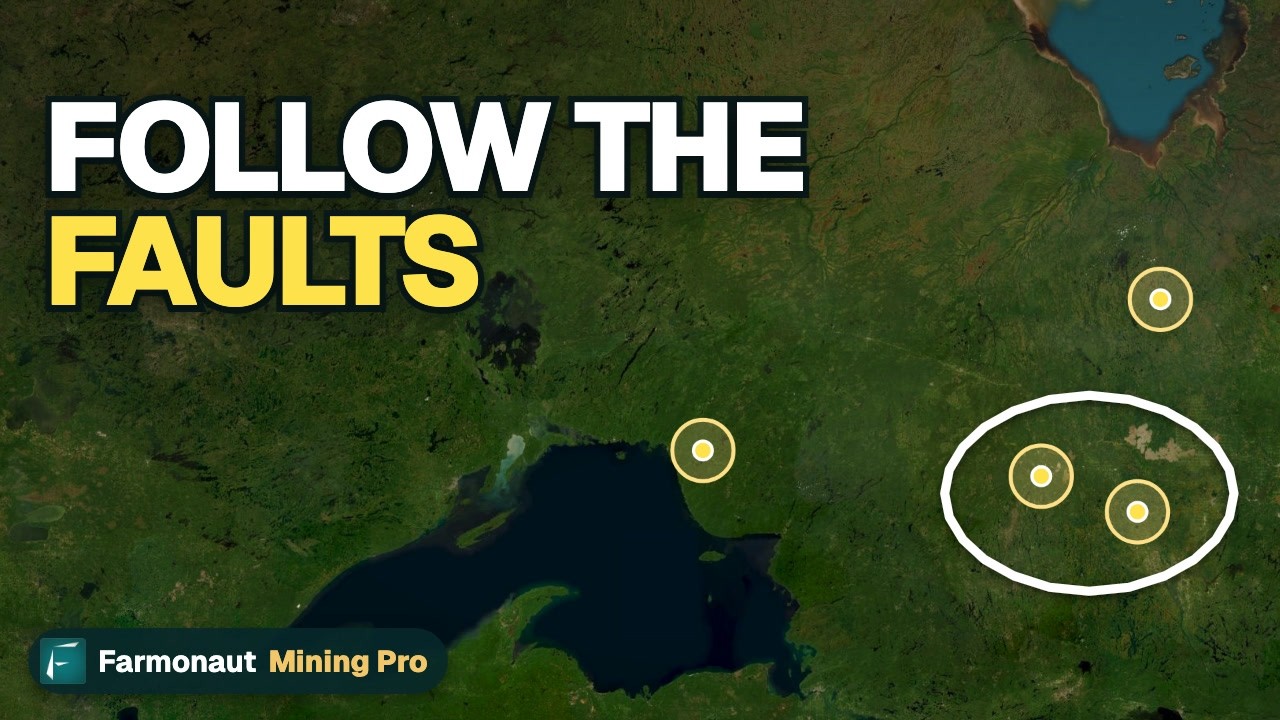
▶ Maps where Ontario’s gold sits, in a few belts of very old rock, and how prospecting there starts. · 2:53
We cover a connected topic in Gold Mine Water Treatment in Canada: 6 Projects Compared.
Frequently asked questions
What is the best place to buy gold in Canada?
There is no single best place. A Mint-registered local dealer suits buyers who want to see the item, an online dealer such as Kitco, Sprott Money or Silver Gold Bull suits those comparing many products, and a bank such as TD suits those who want branch pick-up. Compare an all-in written quote from two or three sellers on the same product and the same day.
Where can I check the gold price in Canada today?
Kitco, the LBMA and dealer sites publish live or daily prices, usually in US dollars, with a Canadian-dollar view. Multiply the US price by the day’s USD/CAD rate, which the Bank of Canada publishes. On 15 October 2026 that gave roughly C$5,920 per ounce.
How much over the gold price will I pay?
It depends on size and product. In our 15 October 2026 snapshot, a 1 kg bar at one online dealer was about 2% over the gold price and a 1 oz Gold Maple Leaf about 3%, while Mint premium-bullion pieces ranged from about 21% on a 10 g bar to about 110% on a half-gram coin. Smaller and more decorated pieces carry more.
Do I pay GST or HST on gold bars and coins?
Not on investment-grade bullion: gold of at least 99.5% purity in bar, ingot or coin form is generally exempt under the Excise Tax Act and the CRA’s Memorandum 17-1. Jewellery, scrap and gold below that purity are generally taxable. Check provincial taxes such as QST separately.
Which Canadian cities have physical gold bullion stores?
The Mint’s registered dealer list showed listings in Toronto (6), Vancouver (5), Mississauga (4), Edmonton, Ottawa and Markham (3 each), and also Calgary, Montreal, Quebec City, Victoria, Winnipeg, Halifax and Regina, among others. Our table above has the details. Phone before you visit.
Can I buy gold with cash in Canada?
Yes, but at $10,000 or more in cash, including the 24-hour rule, the dealer must verify your identity and report the transaction to FINTRAC. Many dealers prefer a transfer or card. Cash payments by the same person within 24 hours are added together.
Is there a limit on how much gold I can buy?
There is no federal limit on buying gold, but dealers set their own minimums and maximums. Kitco’s store showed a $5,000 minimum on physical bullion orders on 15 October 2026. Ask each seller for its current terms.
How can I check that a Gold Maple Leaf is genuine?
Buy from a registered dealer, and ask for the coin’s year. The Mint says its BULLION DNA technology can authenticate Gold Maple Leaf coins dated 2014 and later, and the check is only available through registered dealers. Look at the radial lines and micro-engraved leaf on recent coins, and ask the dealer to test older ones.
What are good alternatives to APMEX for buying gold in Canada?
Canadian options that sell in Canadian dollars include Kitco, Sprott Money, Silver Gold Bull, Canada Gold and TD Precious Metals, all described above. If you consider a US dealer instead, check its Canadian shipping terms, the exchange rate it uses and any courier charges, because those change the real price. The CRA says imported precious metals are not subject to GST/HST on import.
Can I buy gold direct from miners?
Generally no. Most of Canada’s gold exports are unwrought gold rather than finished products, and bars and coins reach buyers through dealers, banks and the Mint’s network. Buyers who want mining exposure can look at company shares or funds, which are a different investment with different risks.
How do I sell gold I bought in Canada?
Ask about the buy-back before you buy. The Mint advises buyers to check a dealer’s buyback policy and how simple the process is. Dealers such as Canada Gold, Kitco and Silver Gold Bull say they buy as well as sell. Expect the buyer’s price to sit below the gold price, and bring the invoice and the original packaging.
This page is for information only. It is not investment, tax or legal advice. Prices and premiums are dated snapshots that change daily; confirm the current price, tax treatment and terms with the seller, the Canada Revenue Agency and a qualified adviser before you buy.
Farmonaut mining
Map a client's gold ground from space
Consultants can screen a licence area by satellite for gold-related alteration, as an exploration target ahead of a resource estimate.

Mining Pro sample view, synthetic data
Keep reading
Sources
- Kitco, Gold Price Today (15 October 2026): kitco.com
- Bank of Canada, Valet: USD/CAD daily average rate: bankofcanada.ca
- World Gold Council, Gold Demand Trends Q2 2026: gold.org
- World Gold Council, Gold Demand Trends Q1 2026: gold.org
- World Gold Council, Gold Demand Trends Q4 and Full Year 2025: gold.org
- World Gold Council, Gold Demand Trends Q3 2025: gold.org
- World Gold Council, Gold Demand Trends Q2 2025: gold.org
- Royal Canadian Mint, Bullion Dealers (registered BULLION DNA dealers): mint.ca
- Royal Canadian Mint, Buying Bullion: mint.ca
- Royal Canadian Mint, Bullion 101: mint.ca
- Royal Canadian Mint, Gold shop listings: mint.ca
- Royal Canadian Mint, 2026 Gold Maple Leaf bullion coin: mint.ca
- Excise Tax Act, section 123 (definitions of precious metal and financial instrument): laws-lois.justice.gc.ca
- Canada Revenue Agency, GST/HST Memorandum 17-1, Definition of Financial Instrument: canada.ca
- FINTRAC, Dealers in precious metals and stones: fintrac-canafe.canada.ca
- FINTRAC, When to verify identity: dealers in precious metals and stones: fintrac-canafe.canada.ca
- FINTRAC, Reporting large cash transactions: fintrac-canafe.canada.ca
- Natural Resources Canada, Gold facts: natural-resources.canada.ca
- USGS, Mineral Commodity Summaries 2026: Gold: pubs.usgs.gov
- Kitco, online bullion store: online.kitco.com
- Sprott Money Canada, gold coins and bars: sprottmoney.ca
- Sprott Money Canada, Maple Leaf gold coins: sprottmoney.ca
- Canada Gold, company site: canadagold.ca
- TD Canada Trust, Precious Metals: td.com
- LBMA Alchemist, Spotlight on Silver Gold Bull Inc: lbma.org.uk
Discussion
Questions, corrections or field experience? Share them below. First-time comments are reviewed before they appear, and your email is never published.
No comments yet. Be the first to add a question or your experience.

 Jaunita Erss Ltd
 Almosi SARL
 SRK Consulting
 Berks Gold Limited
 Mwerezi Minerals Company Limited
 Mining SARL
 SenGold Invest SAS
 Sean Mining Limited
 NTS Group (Pty) Ltd
 Mine4Africa
 Lithspo Minerals Limited
 Tintina Mining Group
 Dalgety Minerals Pty Ltd
 Vortex Minerals Pty Ltd
 Faith At Work (Pty) Ltd

 Licence holder · Nigeria · Gold + lithium










