

Small farms · Income guide
How to Make Money on 1 Acre of Land: 8 Ways With Costs
You make money on 1 acre of land with high-value crops or small livestock sold direct to buyers. USDA data shows the median farm household lost $1,830 from farming in 2024, so a sales plan, a budget and tight records matter more than plot size.
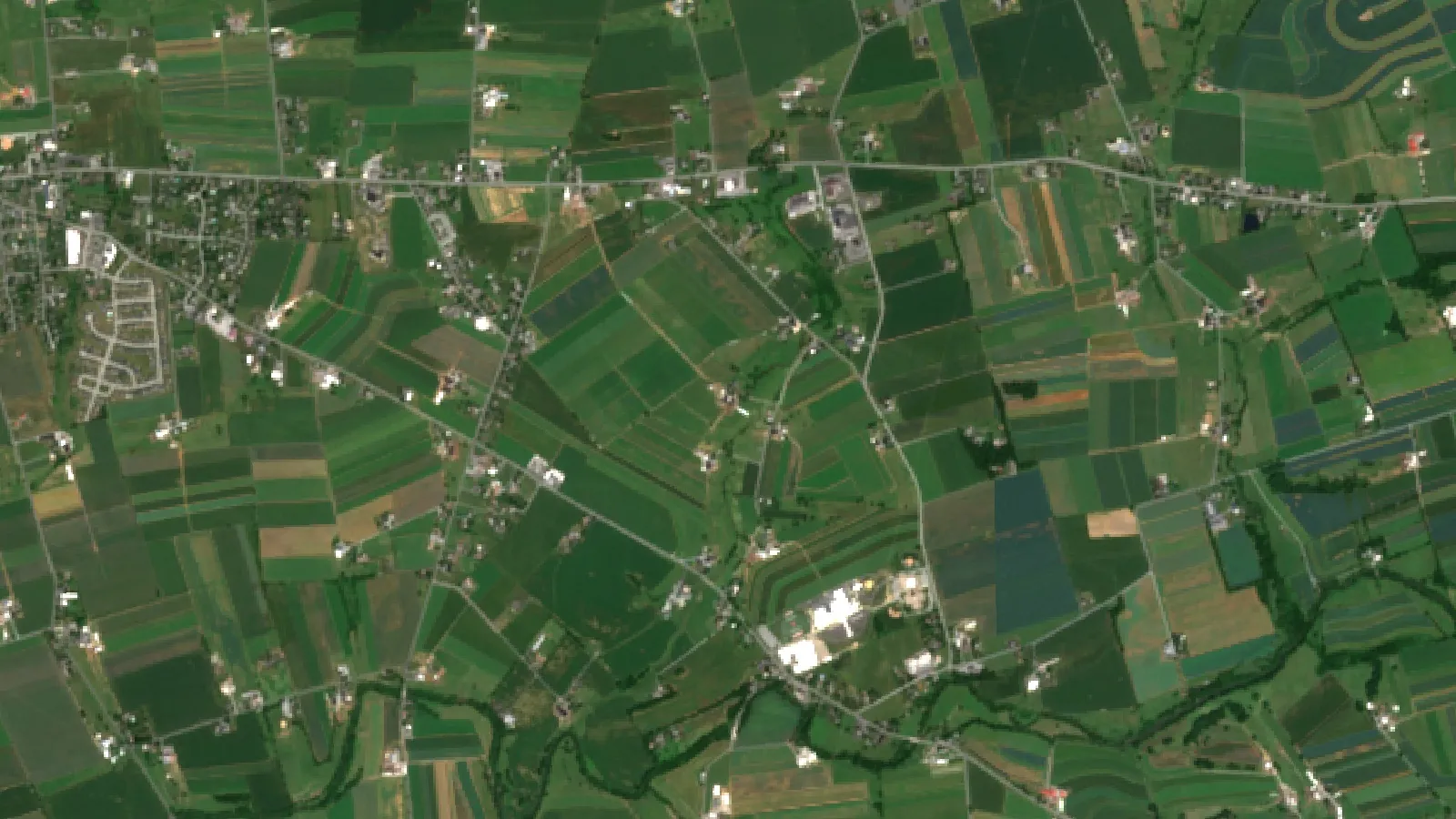
Key takeaways
- One acre is 43,560 sq ft (about 4,047 m²): enough for a market garden, a tunnel or a rotating flock, not for profitable grain.
- The 2022 Census of Agriculture counted about 802,000 US farms of 1 to 49 acres: 42% of farms on 2% of farmland.
- USDA ERS: median farm household income from farming was minus $1,830 in 2024; median off-farm income was $86,900.
- A University of Florida IFAS study priced a 30 x 84 ft high tunnel at $15,533 to $16,929 including installation.
- A May 2026 Kwantlen Polytechnic University budget for 500 pasture-raised chickens on about half an acre showed a C$2,826 net return after paying labour at C$25 per hour.
In this article
- How to make money on 1 acre of land: the short answer
- What official data says about small farm income
- 8 ways to make money on 1 acre
- Where to sell what you grow
- Choosing what to grow on your acre
- Yields and income options compared
- How to estimate profit from one acre
- Costs, taxes and risks on a small farm
- Step-by-step plan to make money on 1 acre
- Tools that save time on a small plot
- FAQ
You can make money on 1 acre of land by growing high-value crops or small livestock and selling them yourself, at a farmers market, through a box scheme or to local shops and restaurants. Vegetables, cut flowers, herbs, pasture-raised chickens and value-added products earn far more per square foot than grain does. Your income depends on your price, your sales channel and your hours, not on the size of the plot.
This guide shows what official data says about small farm income, eight realistic ways to earn from one acre, a comparison table, the real cost of a high tunnel, and a calculator to test your own numbers. Every figure has a named source and a date. Treat the examples as starting points, not promises.
How to make money on 1 acre of land: the short answer
One acre is 43,560 square feet, or about 4,047 square metres. That is enough for a serious market garden, a flock of meat birds on rotation, or a mix of beds, a tunnel and a small poultry run. It is not enough to earn a living from bulk commodities such as corn or wheat, because a single acre of those crops brings in too little to live on.
The plots that pay share four habits:
- High value per square foot. Salad greens, herbs, tomatoes, flowers and eggs or meat birds, not field crops.
- Direct sales. Selling to the person who eats or uses the product keeps the retail margin on your farm.
- Several harvests a year. Quick crops, succession planting and season extension spread income over more months.
- Tight records. Knowing your cost and hours per crop tells you which beds to keep and which to drop.
The rest of this page puts numbers on each of these points.
What official data says about small farm income
Small farms are common, but they rarely pay a full salary on their own. The 2022 Census of Agriculture farms and farmland highlights count 1,900,487 farms in the United States. Of these, about 802,000 had 1 to 49 acres. That group made up 42% of all farms but held only 2% of farmland. The census counts any place that sold, or normally would have sold, $1,000 of farm products in a year as a farm, so many of these are part-time or lifestyle operations.
Income data tells the same story. In the USDA Economic Research Service farm household income estimates (updated May 2026), the median farm household earned minus $1,830 from farming in 2024. Median off-farm income was $86,900. Households on residence farms had a median farming income of minus $2,748, while households on commercial family farms had a median farming income of $174,933.
The lesson is not that small farms lose money by nature. It is that the typical small place is run as a sideline, without a sales plan. The plots that earn treat the acre as a business, with a product list, a price list and a market before the first seed goes in.
Chart
US farms by size
Number of farms in thousands, by acres operated, 2022
Chart
Farm income vs total household income
Median US$ per household by farm type, 2024
8 ways to make money on 1 acre
These options suit a single acre in the US, Canada, the UK, Europe, Australia or New Zealand. The numbers come from extension budgets and studies. Your climate, labour and local prices will change them.
1. Mixed vegetables for direct sale
Best for: growers near a town with a farmers market, a box scheme or restaurants that buy local.
Intensive beds can yield a lot from a small area. A study of 13 small organic farms and gardens in Sydney, Australia, published in PNAS, measured a mean of 5.94 kg of produce per square metre over one year. Plots ranged from 1.99 to 15.53 kg per square metre. The authors compared this with 3.18 kg per square metre, the combined ten-year mean of 11 common vegetables on Australian commercial farms.
The same study found the catch: labour. Gardeners spent an average of 6.0 hours per square metre in the year and harvested a mean of 1.29 kg per hour. A market garden on one acre has to be planned around the hours you really have. Grow fewer crops well, use beds of one standard width, and keep paths narrow.
2. Season extension with a high tunnel
Best for: cooler climates where an earlier spring and later autumn harvest bring better prices.
A high tunnel is an unheated plastic-covered hoop house. It lets you harvest tomatoes, greens and herbs weeks before and after the open-field season. It is also a large cost. A University of Florida IFAS cost study priced one 30 by 84 foot tunnel (2,520 square feet) at $16,929 with all components, or $6.72 per square foot. Without optional parts such as automatic controls and doors, the cost fell to $15,533. The main structure ($6,620) and installation ($5,667) were the two biggest items.
In the US, the Natural Resources Conservation Service has offered cost-share for high tunnels through its EQIP High Tunnel Initiative. Ask your local office what applies in your state before you buy.
3. Pasture-raised meat chickens
Best for: people with some grass, a market for whole birds, and access to a licensed processor.
A pasture-raised poultry enterprise budget from Kwantlen Polytechnic University in British Columbia (May 2026) models one batch of 500 birds a year on about half an acre. It assumes 10% mortality, a dressed weight of 6.0 lb and a sale price of C$7.00 per pound. Gross revenue came to C$18,900, total costs to C$16,073.53, and the net return to C$2,826.47. That cost already includes labour paid at C$25 per hour, so the owner who does the work also earns that wage. Management time is not costed; the net return is the return to management.
The budget is a model, not a survey of real farms. Check your own processing fees, feed price and rules for selling meat before you start.
4. Cut flowers and bedding plants
Best for: growers who enjoy design work and can sell bouquets, buckets to florists, or spring plant starts.
Horticulture is a large market. The USDA 2024 Census of Horticultural Specialties counted 23,060 operations with $18.3 billion in horticultural sales. Nursery stock, annual bedding plants and sod were the largest sectors, with combined sales over $9.7 billion. On one acre, flowers suit growers who sell weekly bouquets or bucket deals to local florists. Spring transplants of vegetables and herbs can bring cash early in the year, before field crops are ready.
5. Microgreens and herbs
Best for: small spaces, short cycles and steady restaurant orders.
Microgreens grow in trays in one to three weeks, so they turn space into cash quickly. A comparative study of two Italian vertical farms in Frontiers in Sustainable Food Systems (2025) found microgreen production there profitable under the conditions studied. It named energy, raw materials, labour and the initial investment as the costs to watch. Results from two farms cannot predict yours, so start with a few trays and a confirmed buyer before you invest in shelving and lights.
6. Value-added products
Best for: growers with surplus produce and time in the off-season.
Jams, sauces, dried herbs, pickles, honey and flower bunches can sell for more than the raw crop. They also spread income into winter. Home-made food sales come with rules on kitchens, labels and sales limits that differ by state, province and country. Check your local food safety rules before you sell, and get professional advice if you are unsure.
7. Pick-your-own, farm stays and workshops
Best for: plots near towns, with parking and good road access.
Pick-your-own berries or pumpkins, small events, farm tours and classes on growing food sell an experience as well as a product. These options need liability insurance, clear safety rules and time to host visitors. They work best as an add-on to a garden that already has crops to show.
8. Renting space to other growers
Best for: landowners who cannot farm the acre themselves.
Leasing beds, a tunnel or a corner of pasture to another grower brings a small but steady payment. The Kwantlen budget above assumes land leased at C$140 per acre in British Columbia. Lease rates vary widely by region, so ask your local extension office or a land agent for current figures.
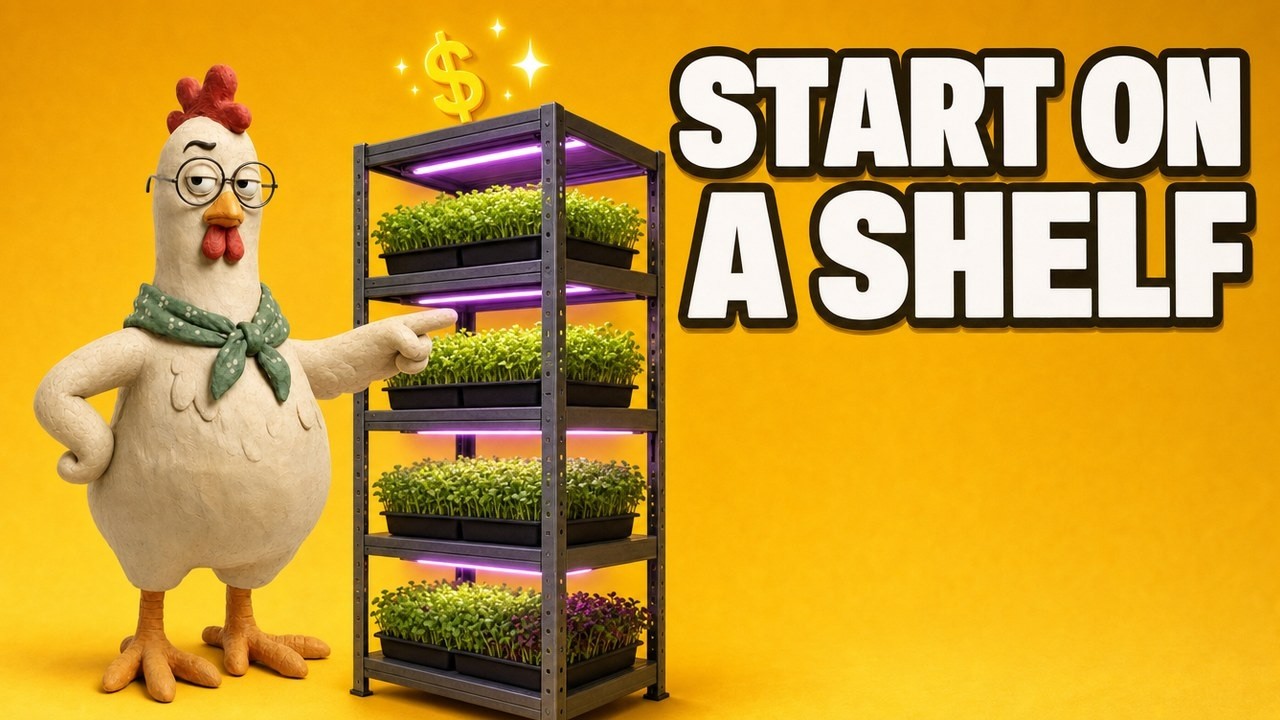
▶ Ten small agriculture business ideas, from microgreens to hens and bees. · 6:03
Where to sell what you grow
The sales channel decides how much of the final price you keep. Each channel has its own trade-offs, so you can use two or three at once.
- Farmers markets. You set the price and meet buyers face to face. You pay stall fees and spend a day each week at the market, so count those hours in your budget.
- Box schemes and subscriptions. Customers pay before or early in the season, which gives you cash when costs are high. You must deliver a varied box every week, so plan your planting with care.
- Restaurants and shops. Orders are larger and steadier, but buyers expect the same quality every week and may pay less than market customers.
- Farm stand or online orders. A roadside stand or a simple order page saves travel time. It works best on busy roads or with a loyal local customer list.
The USDA Economic Research Service keeps a collection of research on local food markets, including a report comparing the marketing and financial results of beginning and experienced local food producers. It is a useful read before you choose your channels.
Choosing what to grow on your acre
Three questions narrow the list fast. First, what do local buyers ask for and struggle to find? Second, what grows well in your soil, rainfall and frost dates? Third, how many hours per week can you really give the farm?
Write down your answers, then score each candidate crop or animal from one to five on demand, fit with your climate, start-up cost and hours. Keep the top three to five. A short list is easier to grow well, to price and to explain to customers.
Spread the risk across seasons. Quick crops such as salad leaves and radishes give cash within weeks. Slower crops such as tomatoes, garlic or flowers pay later but often at a higher price per unit. Adding a few laying hens, meat birds or a tunnel can fill the gaps between harvests.
Finally, watch the trend in your local market. If three new growers start selling the same salad mix, prices may fall. Products that need more skill, such as early tomatoes or specialty flowers, face less competition.
Yields and income options compared
The table sums up the eight options. The columns describe what drives profit, not a forecast for your farm.
| Option | Start-up cost | Labour | Main sales channel | Key risk |
|---|---|---|---|---|
| Mixed vegetables | Low to medium | High | Farmers market, box scheme | Hours per kg harvested |
| High tunnel crops | High (about $15,500 to $17,000 per tunnel, UF/IFAS) | High | Early and late season sales | Payback time |
| Pasture chickens | Medium | Medium | Whole birds direct | Feed price, processing |
| Cut flowers | Low to medium | High at harvest | Bouquets, florists | Short vase life |
| Microgreens | Medium | Medium, steady | Restaurants, shops | Few buyers |
| Value-added food | Medium | Medium | Markets, online | Food rules, labels |
| Pick-your-own | Low | Medium on visit days | Visitors | Weather, insurance |
| Renting space | Low | Low | Another grower | Low income |
Chart
Yield per square metre: small plots vs commercial farms
kg of produce per m² per year: Sydney small plots vs Australian commercial farms
How to estimate profit from one acre
Before you plant, write a simple budget for each product. Extension services publish enterprise budgets you can copy. The Ohio State University Farm Office enterprise budgets are one example of the format: income, variable costs, fixed costs and return per unit.
For a vegetable plot, the core sum is simple:
- Area you will plant, in square metres or square feet. Paths and headlands do not count.
- Yield per square metre for each crop, from your records or a local study.
- Price per kilogram or per bunch at your sales channel.
- The share you will really sell. Some produce is always lost, eaten or left at the market.
- All costs: seed, compost, irrigation, packaging, market fees, fuel, insurance and repairs.
- Your hours, so you can see what you earn per hour of work.
Use the calculator on this page to run these numbers. Change one input at a time to see which one moves your profit most. Often, the share sold and the price matter more than the yield.
Try the numbers for your own farm below.
Calculator
Will your acre of vegetables pay?
Enter your own planted area, yield, price, costs and hours.
- Sales (US$): $16,800
- Harvest sold: 4,200 kg
- Earned per hour of your work (US$): 0.67
- Break-even price (US$ per kg): 3.81
Example values only, set near break-even; they are not a benchmark or a forecast. One acre is about 4,047 m², and beds usually cover only part of it. For yield context, a PNAS study of small Sydney plots measured a mean of 5.94 kg/m² a year and Australian commercial vegetable farms 3.18 kg/m² (Clarke et al., 2019). Price is an example: use today’s price at your sales channel.
Costs, taxes and risks on a small farm
Small plots carry the same kinds of risks as large farms, just at a smaller scale. Plan for these from day one.
Start-up money
Tools, irrigation, fencing, a cooler and a tunnel can cost more than the first year’s sales. In the US, the Farm Service Agency offers loans, including microloans for small farms, as described on the USDA farmers.gov page for urban growers. Compare any loan with the profit your budget shows, and get advice before you borrow.
Taxes and the hobby rule
Tax rules decide whether you can deduct losses. In the US, IRS Publication 225, the Farmer’s Tax Guide, says a farming activity is presumed to be carried on for profit if it made a profit in at least 3 of the last 5 tax years, including the current year. Keep receipts and records for every sale and cost. Rules differ in other countries, so check with a tax adviser where you live.
Insurance
Diverse small farms in the US can look at Whole-Farm Revenue Protection from the USDA Risk Management Agency, which covers the revenue of the whole farm rather than one crop. If you host visitors or sell food, ask an insurer about liability cover too.
Weather, pests and water
One hailstorm or a dry month can wipe out a bed. Drip irrigation, mulch, row covers and crop rotation lower the risk. Our guide to sustainable irrigation covers ways to use less water. When you use any pesticide or fertilizer, follow the product label and local rules.
Chart
What a high tunnel costs to build
US$ per 30 x 84 ft tunnel, by component
Step-by-step plan to make money on 1 acre
- Find your buyers first. Visit markets, talk to chefs and shop owners, and ask what they cannot get enough of locally.
- Test your soil and water. A soil test shows pH and nutrients. Check that you have enough water for the dry months.
- Pick three to five products. Choose crops or animals that match your buyers, your climate and your skills.
- Write a budget for each. Use the steps in the profit section and the calculator. Drop any product that does not pay at a realistic price.
- Map the acre. Mark beds, paths, a tunnel site, water lines, compost and a wash and pack area.
- Start small. Plant part of the acre in the first season. Add space only when you have sold what you grew.
- Keep records. Note yield, sales, costs and hours for each crop every week.
- Review each season. Keep the products with the best return per hour and replace the rest.
Tools that save time on a small plot
On one acre, the right hand tools and small machines matter more than big equipment. A broadfork, wheel hoe, seeders and a two-wheel tractor can replace hours of work. Our guide to small-scale farming tools explains the main types.
Records and field data help too. A simple spreadsheet of sales and hours per bed is often enough to start. Growers who manage several plots can also use satellite crop monitoring, such as the Farmonaut Satellite + AI Farm Monitoring System, to see changes in plant cover across fields between visits. Satellite maps show where plants change, not the cause, so walk the field to check what the map shows.
The ERS report on precision agriculture adoption on US farms found that fewer than 25% of the smallest row-crop farms use yield maps, soil maps, variable-rate technology or guidance systems, against at least half of large row-crop farms. For a one-acre grower, the cheapest gains still come from good records, careful planting plans and direct sales.
Related pages on our site: crop loans and insurance, carbon footprinting, product traceability, fleet management, farm administration, weather data for developers, satellite data access and mobile apps.

▶ Six plain steps to start precision farming without buying a robot. · 4:18
FAQ
How much money can you make on 1 acre of land?
There is no single figure. Income depends on the product, your price, the share you sell and your hours. One Canadian model budget for 500 pasture-raised chickens on about half an acre showed a net return of C$2,826 after paying labour at C$25 per hour (Kwantlen Polytechnic University, May 2026). Use the calculator on this page with your own numbers.
What is the most profitable crop for one acre?
No crop is best everywhere. High-value crops sold direct, such as salad greens, herbs, tomatoes, cut flowers and microgreens, earn more per square foot than grain. The best choice is the one your local buyers want and you can grow well.
Can one acre support a full-time income?
It can for some growers with intensive production, strong prices and direct sales, but data shows it is not the norm. USDA ERS estimates that the median farm household earned minus $1,830 from farming in 2024 and relied on off-farm income. Plan for a second income until your records show the acre pays.
Do I need a licence to sell produce from a small farm?
Rules differ by country, state and province. Fresh whole produce often has fewer rules than meat, eggs or processed food. Check with your local agriculture and food safety office before you sell.
How much does a high tunnel cost?
A University of Florida IFAS study priced a 30 by 84 foot high tunnel at $15,533 to $16,929, or $6.16 to $6.72 per square foot, including installation. Prices change, so get current local quotes.
Farmonaut crop monitoring
See your own fields from space
Check changes in plant cover across your plots between visits with satellite maps.




Keep reading

Sources
- USDA NASS, 2022 Census of Agriculture: Farms and Farmland Highlights (2024): nass.usda.gov
- USDA ERS, Farm Household Income Estimates (updated May 2026): ers.usda.gov
- Clarke et al., Small-scale urban agriculture results in high yields, PNAS (2019): pmc.ncbi.nlm.nih.gov
- University of Florida IFAS, FE1135 The Cost of High Tunnel and Caterpillar Tunnel Establishment: ask.ifas.ufl.edu
- USDA NRCS, EQIP High Tunnel Initiative, Iowa: nrcs-prod.azureedge.us
- Kwantlen Polytechnic University ISFS, Pasture Raised Poultry Enterprise Budget (May 2026): kpu.ca
- USDA NASS, 2024 Census of Horticultural Specialties Highlights (2026): nass.usda.gov
- Amici et al., From seed to profit: a comparative economic study of two Italian vertical farms, Frontiers in Sustainable Food Systems (2025): frontiersin.org
- USDA ERS, Local Foods research topic: ers.usda.gov
- Ohio State University Farm Office, Enterprise Budgets: farmoffice.osu.edu
- USDA farmers.gov, Urban Grower Resources: farmers.gov
- IRS, Publication 225 Farmer’s Tax Guide: irs.gov
- USDA RMA, Whole-Farm Revenue Protection Plan 2026: rma.usda.gov
- USDA ERS, Precision Agriculture in the Digital Era, EIB-248: ers.usda.gov
Discussion
Questions, corrections or field experience? Share them below. First-time comments are reviewed before they appear, and your email is never published.
No comments yet. Be the first to add a question or your experience.

 Vizexec Transformation
 GalaxEye Space
 Sun Palm Australia
 Grandstream Algérie
 XOS Realty
 Geospatial Lab Africa
 Agro La Gándara
 HIPSAC
 ZOL Zimbabwe
 Juligerm
 AdBio
 MISE Maroc
 NWNS
 Red August Group
 Farm Inc
 WeMe Global
 Agrotoken
 Blue BearX
 Insignito
 DnCubed

 Licence holder · Niger · Gold
 Licence holder · Nigeria · Gold + lithium
 Client · Somalia · Gold
 Client & affiliate partner · Ghana · Gold










