Black Bugs on Nasturtium: 7 Control Strategies 2025
“Up to 80% of nasturtium yield loss can be caused by unchecked black aphid infestations each season.”
Introduction: The Critical Challenge of Black Aphids in 2025
In the realm of sustainable agriculture and horticulture in 2025 and beyond, managing pest infestations like black bugs on nasturtium remains a critical task for farmers, gardeners, and commercial growers. Among the myriad pests affecting vegetable and ornamental crops, black aphids present a significant threat due to their rapid reproduction, increased resistance to insecticides, and their potential to transmit plant viruses.
This comprehensive guide addresses how to identify, monitor, and control black bugs on nasturtium, as well as their impact on orchids, tomatoes, and other host plants. Implementing integrated pest management (IPM) strategies, technological advancements, and eco-friendly approaches enables us to protect plant health and maximize yield while emphasizing sustainability.
Identification & Biology of Black Bugs on Nasturtium and Other Plants
Focus Keyword: Black Bugs on Nasturtium, Black Aphids on Nasturtiums
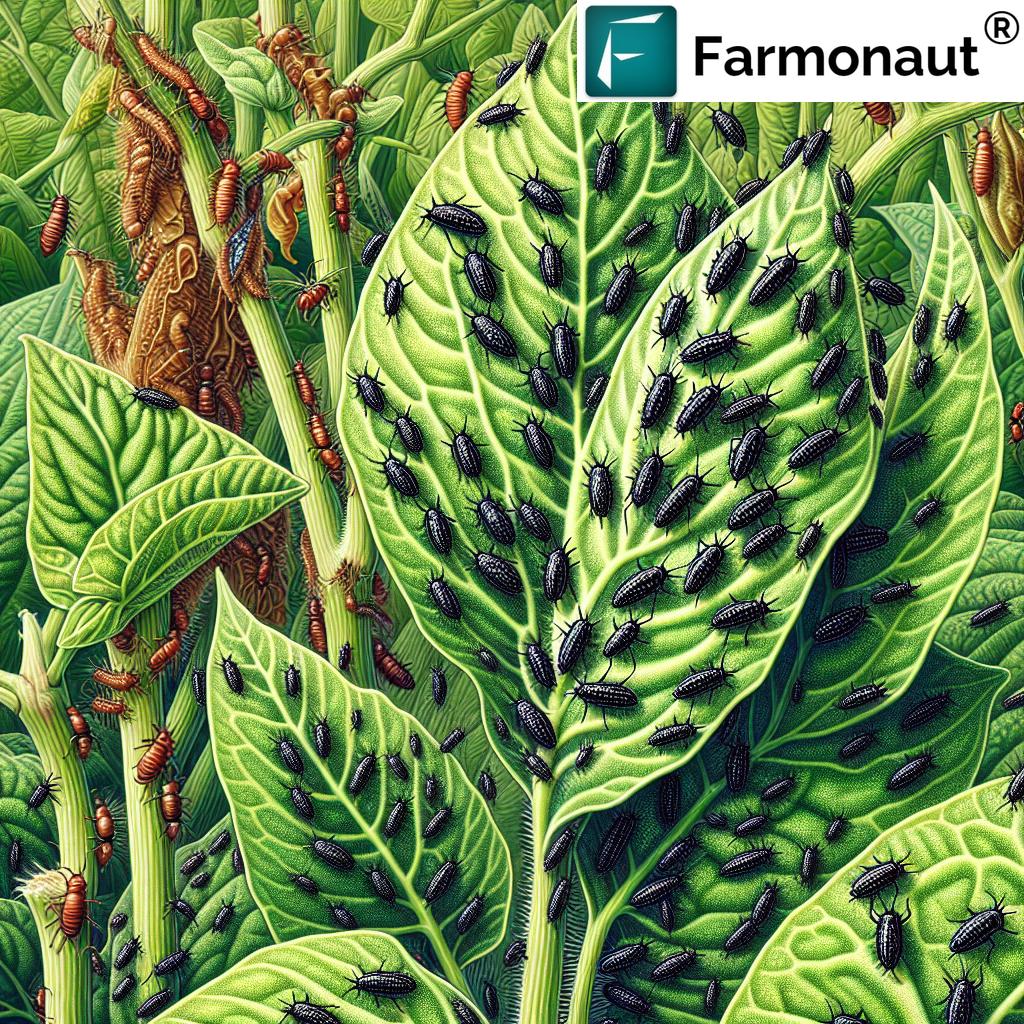
Understanding the biology and identification of black aphids (black bugs) is essential for sustainable plant management in modern agriculture. These small, soft-bodied insects, typically measuring 1–3 mm in length, cluster on the undersides of leaves, stems, and flower buds. Their distinctive black coloration makes them particularly noticeable on nasturtiums, orchids, and tomato plants.
- Appearance: Black or dark-colored; some may seem dark green to black depending on environmental factors.
- Life Cycle: Rapid reproduction (multiple generations per season) enables population surges and makes infestations a significant threat for crops and ornamental plants.
- Feeding Behavior: Use piercing-sucking mouthparts to extract plant phloem sap, weakening host plants.
- Associated Symptoms: Their feeding debilitates plant vigor, causes honeydew secretion, attracts ants, and leads to sooty mold growth.
- Role as Vectors: Transmit plant viruses, which can result in severe economic losses and crop damage.
Accurate identification is crucial: black bugs on back of leaves may include other pests, but on nasturtiums, the culprits are black aphids more often than not.
Host Plants, Damage, Symptoms, and Impact
Black Bugs on Nasturtium, Orchids, Tomatoes: Identification and Impact
-
Nasturtiums (Tropaeolum majus):
Symptoms:- Curled, yellowing leaves
- Stunted growth and decreased vigor
- Clusters of black bugs on back of leaves and stems
- Sticky honeydew prompting sooty mold and increased ant activity
Nasturtiums, prized as companion plants in vegetable gardens, attract aphids and can act as trap crops. However, heavy infestations decrease their effectiveness and ornamental value.
-
Orchids:
Symptoms:- Deformed, sticky flowers and leaves
- Fungal diseases due to honeydew accumulation
- Black bugs on orchids result in decreased ornamental quality
-
Tomato Plants:
Symptoms:- Black bugs on tomato stems and young leaves
- Mottling, curling of leaves; poor fruit set
- Accelerated virus risk (e.g., Tomato Yellow Leaf Curl Virus)
-
Other Host Plants:
Aphids may also affect beans, peas, potatoes, and ornamental crops like roses. Black aphids can compromise the health of shade trees and infrastructure landscaping, leading to increased maintenance costs.
Agricultural Impact and 2025 Management Challenges
Integrated Control, Economic Costs, and Environmental Considerations
- Yield and Economic Losses: Infestations cause direct yield reduction (up to 80% on nasturtium without management), increased crop loss in tomatoes and orchids, and higher costs for monitoring, management, and post-harvest quality.
- Pest Resistance: Black aphids exhibit increased resistance to several commonly used insecticides (notably in 2025), increasing management complexity.
- Environmental Changes: Global warming, higher humidity, and altered weather patterns favor more frequent and intense aphid population surges.
- Sustainable Management: The environmental and regulatory climate in 2025 emphasizes sustainable, integrated pest management (IPM) strategies.
- Viral Threat: Aphids remain vectors for several plant viruses, exacerbating long-term crop and economic risks.
“Implementing 3+ IPM strategies reduces black aphid populations on nasturtium by over 60% within 4 weeks.”
7 Control Strategies for Black Bugs on Nasturtium: Sustainable Solutions for 2025
The integrated management of black aphids on nasturtiums, orchids, tomatoes, and other crops hinges on a combination of approaches, balancing effectiveness, environmental impact, and regulatory compliance for 2025 and the future.
1. Manual Removal & Inspections
- Action: Regular, hands-on monitoring of plants for black bugs on back of leaves, especially on new growth, undersides, and flower buds.
-
Methods:
- Prune or remove heavily infested leaves or stems. Dispose responsibly outside the garden area to avoid re-infestation.
- Use water sprays to dislodge aphids from leaves; useful for small-scale gardens.
- Handpick individual clusters of aphids when infestations are localized and early.
- Pros: Immediate, no chemicals involved; ideal for organic and eco-sensitive scenarios.
- Cons: Labor-intensive; not suitable for large infestations or commercial operations.
2. Cultural Control & Companion Planting
- Crop Rotation & Cleaning: Avoid planting nasturtiums, tomatoes, or other susceptible species in the same place season after season. Remove plant debris after harvest, which can harbor overwintering aphids.
- Companion Planting: Use marigold, chives, and garlic interspersed with nasturtiums and vegetables; these can repel black aphids through natural volatile compounds.
- Intercropping & Diversification: A diverse plant ecosystem helps reduce pest pressure by interrupting the aphid life cycle and supporting beneficial insects.
- Maintain Plant Vigor: Provide optimal nutrition and watering; stressed plants are more vulnerable to heavy aphid damage.
- Physical Barriers: Use fine mesh row covers to prevent initial colonization in early growth stages.
3. Biological Control Approaches
- Lady Beetles (Coccinellidae): Release into gardens/fields to control black aphid population naturally; each beetle can eat dozens of aphids per day.
- Lacewings & Parasitic Wasps: Lacewing larvae and tiny parasitic wasps (Aphidiinae) are voracious natural enemies that target black bugs on nasturtium and other host plants.
- Habitat Provision: Grow flowering plants (e.g., alyssum, dill, fennel) to attract and sustain beneficial predators.
- Entomopathogenic Fungi & Microbial Biopesticides: Use biocontrol formulations that infect aphids without harming crops, beneficial insects, or the environment.
- Avoid Broad-Spectrum Insecticides: These products can inadvertently kill helpful insects and upset ecological balance.
4. Botanical & Organic Sprays (IPM-Friendly Solutions)
- Neem Oil: Disrupts aphid hormone systems and reduces feeding; recommended for ornamental and vegetable crops including nasturtiums in 2025. Minimal toxicity to beneficials.
- Horticultural Soap: Works on contact by suffocating aphids; wash leaves thoroughly to remove residues.
- Garlic or Pepper Sprays: Repel or reduce black aphids naturally. DIY recipes using grated garlic or hot pepper steeped in water are common in sustainable gardens.
- Considerations: Sprays are most effective on early infestations and require repeat applications after rain or irrigation.
- Regulatory Status: Organic sprays must be checked for approval if using in certified organic production in 2025.
5. Responsible Chemical Control Solutions
- Scout & Thresholds: Only use chemical control when monitoring indicates populations above economic injury thresholds. This protects yield while minimizing unnecessary inputs.
- Selective Insecticides: In 2025, products like insect growth regulators (IGRs), neem-based formulations, and selective neonicotinoids are preferred. They provide targeted action and lower non-target impact.
- Resistance Management: Rotate chemical classes to avoid selecting for aphid resistance.
- Environmental Compliance: Regulations are tightening: persistent or broad-spectrum chemicals are increasingly restricted in agriculture, urban horticulture, and landscaping.
- Application Practices: Always comply with label instructions, prioritize spot treatments, and follow withholding periods for edible crops.
6. Emerging Technological Innovations in Pest Management (2025 and Beyond)
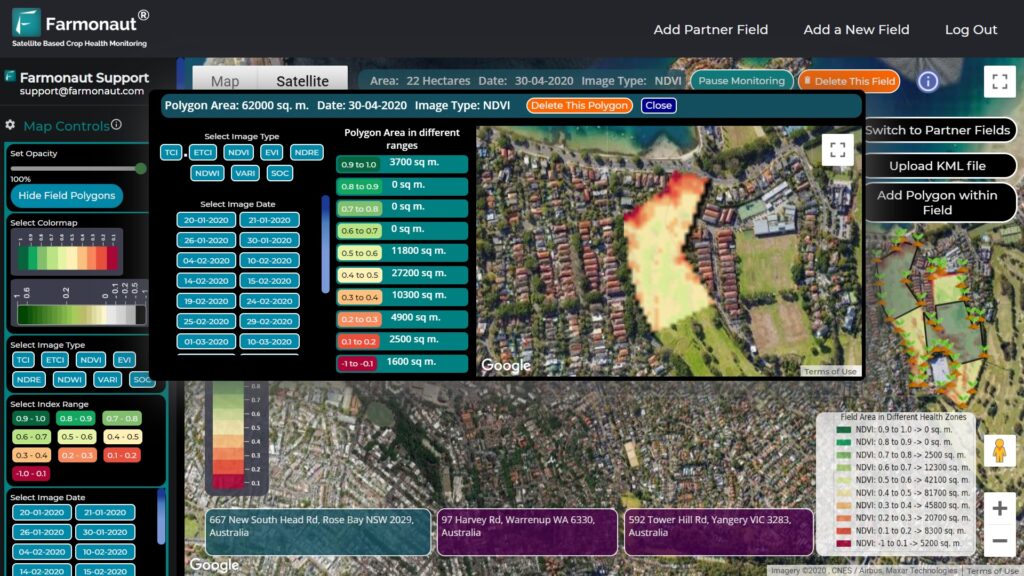
- Precision Monitoring: Use advanced satellite-based monitoring, AI-driven pest identification, and remote sensing to pinpoint hotspots and intervene early. For growers seeking robust field insights, Farmonaut’s Large Scale Farm Management Tool enables real-time crop health diagnostics and resource optimization.
- Drone Surveillance: Drones equipped with multispectral cameras offer rapid assessment of aphid clusters and plant stress over large fields.
- Mobile Apps & Reporting: Growers can leverage AI-powered smartphone apps for real-time pest outbreak alerts and management advice.
- Data Integration & Traceability: Solutions like Farmonaut’s Product Traceability ensure sustainable supply chain transparency, tracking the impact of pest control decisions on crop health, yield, and environmental outcomes.
7. Aphid-Resistant Plant Varieties
-
Genetic Resistance: Breeding for aphid-resistant nasturtiums, tomatoes, and ornamentals is an ongoing area of innovation for 2025. Resistant cultivars can reduce pest impact and reliance on chemical treatments.
Note: Always source seed or starts from reputable suppliers and monitor for any developing aphid tolerance. - Integrated with IPM: Planting resistant varieties as part of a diverse cropping system boosts resilience.
- Benefits: Supports overall sustainable agronomy, fits with IPM, and aligns with new regulatory standards.
Comparison Table: Aphid Control Methods
| Control Strategy | Effectiveness (% Reduction) | Environmental Impact | Ease of Application | Cost Estimate | IPM Compatibility |
|---|---|---|---|---|---|
| Manual Removal & Inspection | 50–70% (Small-scale) | Low | Easy–Moderate | Low | Yes |
| Cultural Control & Companion Planting | 30–50% | Low | Easy | Low | Yes |
| Biological Controls | 50–80% | Very Low | Moderate | Medium | Yes |
| Botanical & Organic Sprays | 60–75% (Timely Use) | Low | Easy | Low–Medium | Yes |
| Chemical Control (Selective) | 70–90% (Threshold Based) | Medium–High | Moderate | Medium | With Caution |
| Technological Innovations | Varies (Enables Targeted Action) | Very Low | Easy–Moderate | Medium–High | Yes |
| Aphid-Resistant Varieties | 40–80% | Low | Easy | Medium | Yes |
Farmonaut Solutions: Monitoring, Sustainability & Apps
Strengthening Aphid Management with Farmonaut Technologies in 2025
At Farmonaut, we empower growers, agribusinesses, and governments to tackle challenges such as black bugs on nasturtium, orchids, tomatoes, and other crops through satellite-driven monitoring, AI advisory systems, and advanced digital apps. Our platform is built to optimize crop health, yield, resource use, and sustainability.
- Satellite Crop Health Insights: Using multispectral satellite imagery, our crop monitoring tools deliver actionable data on vegetation health (NDVI), stress, pest outbreaks, and irrigation needs. This allows for earlier detection and targeted response to aphid infestations, minimizing losses.
- AI-Powered Pest Advisory: Our Jeevn AI system analyzes localized environmental and field conditions to provide tailored pest management recommendations, enhancing the impact and efficiency of IPM strategies in 2025 and beyond.
- Blockchain-Based Traceability: Enhance transparency and compliance throughout the supply chain; trace the outcomes of your management choices across harvests using our Traceability Platform.
- Environmental Impact Tracking: Farmonaut’s Carbon Footprinting tools allow farmers to monitor and manage the environmental impact of pest control actions, supporting sustainability and compliance with emerging 2025 regulations.
-
Mobile Convenience: Access all Farmonaut features from your device via the web/app:



- API Access: Developers and agribusinesses can fetch real-time data for integration by using our Farmonaut API and browsing the API Developer Docs here.
Frequently Asked Questions: Black Bugs on Nasturtiums in 2025
Q1: What are the black bugs on back of leaves on nasturtiums and orchids?
A: The black bugs most commonly observed on the underside of nasturtium and orchid leaves are black aphids. These soft-bodied insects cluster on new growth, flower buds, and leaf undersides, feeding by extracting plant sap. Their activity causes yellowing, stunting, and may introduce viruses into host plants.
Q2: How do I correctly identify black aphids on nasturtiums versus other black bugs?
A: Black aphids are small (1–3 mm), often pear-shaped, and form dense colonies. Their distinct color and clustering on soft plant parts distinguish them from other black pests like thrips or beetles. Use a magnifying lens for accurate identification.
Q3: Which plants are at highest risk besides nasturtiums?
A: Besides nasturtiums, black bugs (aphids) frequently affect orchids, tomatoes, beans, peas, potatoes, and common ornamentals like roses. Always inspect new growth and sheltered areas (back of leaves, stems, flower buds).
Q4: Can I manage black aphids organically?
A: Yes, manual removal, cultural controls, biological predators (like ladybugs), and botanical sprays (such as neem oil or horticultural soap) all offer effective, organic-friendly options. For best results, use at least 2–3 IPM methods together.
Q5: Are chemical controls still permitted in 2025?
A: Selective insecticides are used as part of integrated programs but must comply with local 2025 regulations to minimize residue and resistance risks. Always rotate products, apply only threshold-based, and seek IPM-compatible formulations.
Q6: How can monitoring frequency be optimized for black aphids?
A: Use weekly visual scouting combined with technological tools like Farmonaut’s crop monitoring platform for satellite-based alerts on plant stress, enabling earlier intervention and reduced losses.
Q7: What is the risk of virus transmission by black aphids?
A: Black aphids are important vectors for plant viruses, including mosaics and curl viruses in tomatoes and nasturtiums. Prompt and integrated control reduces the risk of viral outbreaks and protects crop yield and quality.
Conclusion & Further Resources
Proper management of black aphids on nasturtiums, orchids, tomatoes, and other crops is essential for sustainable agriculture in 2025. By combining early identification, cultural and biological controls, responsible chemical use, technology-driven monitoring, and genetic resistance strategies, growers and stakeholders can safeguard crop yield, plant health, and environmental integrity.
To further empower your efforts:
- Consider real-time satellite monitoring, AI advisory, and blockchain-based traceability from Farmonaut for a comprehensive, science-driven approach.
- Explore eco-friendly practices promoted in videos throughout this guide and deepen your expertise for greener, more resilient future agroecosystems.
- Stay updated on the latest developments in pest resistance and regulatory standards for 2025 and beyond.
Sustainability, innovation, and integrated management remain the cornerstones of controlling black bugs on nasturtium and other high-value crops. Let’s lead the way in sustainable pest management – together.
Explore these additional Farmonaut solutions for related agricultural needs:
- Crop Loan & Insurance – For secure, satellite-verified loan and insurance applications based on remote sensing data.
- Fleet Management – Optimize farm and agri-fleet operations to ensure all crops, including those affected by black aphids, receive timely intervention and logistics support.
- Crop, Plantation & Forest Advisory – Receive science-based planting and management advice for sustainable crop health.