Chinese Elm Bonsai, Oak Bonsai, Indoor & Mame Bonsai Tips — Innovations for 2025 & Beyond
Table of Contents
- Bonsai Innovation Trivia
- Bonsai Innovation in 2025: Relevance and Opportunity
- Chinese Elm Bonsai & Oak Bonsai: Versatility and Strength
- Indoor Bonsai Farming: Revolutionizing Urban Agriculture
- Bonsai Fertilizer & Precision Nutrient Management
- Mame Bonsai: High-Impact Miniaturization
- Hydroponic Bonsai: The Future of Soil-free Cultivation
- Comparative Technology & Care Table: Bonsai Tech 2025
- Empowering Agriculture with Farmonaut Satellite Technology
- Bonsai Growth Trivia
- Frequently Asked Questions
- Conclusion: Bonsai as a Driver of Sustainable Urban Futures
Bonsai Innovation Trivia
“In 2025, hydroponic cultivation of mame bonsai is projected to grow by 30% among indoor bonsai enthusiasts.”
Bonsai Innovation in 2025: Relevance and Opportunity
Bonsai cultivation, long admired as a blending of horticulture and aesthetics, has entered a new era of relevance and innovation in 2025 and beyond. Its transformative role now extends far beyond artistic expression, reaching into urban agriculture, sustainable greening of urban areas, and advanced agri-technology. As urban populations surge and space for plant growth becomes a challenge, bonsai—especially Chinese elm bonsai, oak bonsai, indoor bonsai, mame bonsai, and hydroponic bonsai—offer space-efficient, resilient, and adaptable plant systems.
Driven by advancements in precision fertilizers, controlled environments, and digital management techniques, the art form is now strategically entwined with sustainable agricultural and green infrastructure projects. This article delves into the applications, contemporary advancements, and future trends of bonsai, with a sharp focus on Chinese elm bonsai, oak bonsai, indoor bonsai, and the revolutionary techniques that are shaping their practicality and popularity.
Chinese Elm Bonsai & Oak Bonsai: Versatility, Resilience, and Urban Adaptability
Why Chinese Elm Bonsai (Ulmus parvifolia) Is a Star Performer
Chinese elm bonsai (Ulmus parvifolia) has become one of the most popular choices among both hobbyists and professionals in 2025. Its reputation for hardiness, resilience against pests and diseases, and dynamic adaptability to diverse environments gives it a clear edge for urban and indoor bonsai farming. Some highlights:
- Resilience: Tolerates low humidity, fluctuating indoor temperatures, and is less prone to common bonsai pests and diseases.
- Versatility: Supports a wide range of pruning styles thanks to its fine branches and dense foliage, offering both classic and creative bonsai art aesthetics.
- Growth Rate: Relatively fast for a bonsai, allowing for the demonstration of training techniques in educational and agricultural settings.
- Model for Innovation: Used in research for stress adaptation, crop improvement traits, and precision nutrient application—essential for modern urban forestry and agriculture.
In short: Chinese elm bonsai serves as a flagship species for urban and indoor growing, supporting sustainable farming education and urban greening initiatives.
Oak Bonsai: Strength, Symbolism, and Ecological Significance
Oak bonsai stand out for their robust branching structure, deep roots, and symbolic value rooted in tradition and history. While slightly more demanding in terms of care, their ecological impact and contribution to biodiversity are particularly significant in urban forestry projects.
- Longevity & Symbolism: Representing endurance and wisdom, oak bonsai are venerated in many cultures, making them prized for public spaces and memorial green projects.
- Biodiversity: Provide habitat for microfauna—even at small scales—and foster diverse urban ecosystems.
- Education: Their intricate root and branch systems are perfect for teaching modern propagation, controlled growth, and stress resilience techniques.
Takeaway: Investing in oak bonsai for indoor and urban agriculture setups combines aesthetic value and ecological responsibility, enriching urban biodiversity and green infrastructure projects.
Comparing Chinese Elm and Oak Bonsai for 2025 Cultivation
- Chinese elm bonsai: Lower maintenance, more robust in variable conditions, ideal for beginners and tech-driven indoor environments.
- Oak bonsai: Requires more attention, rewards growers with ecological impact and longevity—perfect for those invested in sustainable urban forestry.
Both species serve as model plants for studying controlled growth under modern nutrient regimes and smart technology integration, paving the way for the next generation of urban bonsai management.
Indoor Bonsai Farming: Revolutionizing Urban Agriculture & Green Spaces
Indoor Bonsai as the Cornerstone of Urban Greening
With urban populations increasing worldwide, indoor bonsai cultivation has evolved into a crucial component of urban agriculture and vertical farming systems. As available green spaces in cities become restricted, the adoption of indoor bonsai—especially chinese elm bonsai, oak bonsai, and mame bonsai—has gained remarkable traction for several reasons:
- Air quality enhancement: Indoor bonsai actively reduce airborne pollutants and CO2, supporting healthier indoor environments.
- Space optimization: Their compact size and adaptability enable lush, green corners in apartments, offices, and public buildings.
- Psychological benefits: Bonsai has been shown to reduce stress, enhance mood, and boost productivity—core aspects of future urban wellness.
Indoor bonsai farming leverages air, water, and light management technologies, allowing consistent year-round growth. Digital sensors, AI-driven climate control, and LED spectrums have replaced guesswork with data-driven, precision management, making indoor bonsai a key area of urban agricultural innovation in 2025 and beyond.
Technological Advancements Ushering in the Indoor Bonsai Boom
- Automated grow lights: Provide tailored blue/red spectrums, simulating natural conditions for robust bonsai growth.
- Smart irrigation systems: Maintain optimal soil moisture or hydroponic water levels.
- Climate control and sensors: Enable real-time adjustments in humidity and temperature for bonsai health, reducing stress events.
- AI monitoring: Integrates satellite and on-site data, giving instant alerts and growth insights for urban farmers.

Bonsai Fertilizer & Precision Nutrient Management: A 2025 Guide
For bonsai, especially grown in indoor or hydroponic setups, precision fertilizer is not just a luxury but a necessity. The confined environment and small root system demand an advanced, targeted approach. Modern bonsai fertilizers in 2025 are slow-release, nutritionally dense, and customized for each bonsai species including chinese elm, oak, and mame.
- Essential Elements: Most contain optimized ratios of nitrogen, phosphorus, potassium, and indispensable microelements for high metabolic activity.
- Sustainable Inputs: The trend is shifting toward organic, environmental-friendly blends that minimize runoff and support soil health, important for sustainable farming.
- Microbial Biofertilizers: Recent breakthroughs combine beneficial microbes with nutrient blends, enhancing root development, stress tolerance, and disease resistance.
- Application Frequency: Precision scheduling ensures no overfeeding or nutrient build-up, a major challenge in traditional bonsai culture. For example, chinese elm bonsai responds well to light feeding every 3–4 weeks.
Fertilizer Innovations Aligned with Modern Bonsai Practices
- Sensor-driven Application: Sensors embedded in soil/hydroponic substrates monitor nutrient levels and automate feeding schedules, ensuring exacting control for indoor and urban farming setups.
- Reduced Environmental Impact: Studies in 2025 point to up to 50% decreases in runoff waste, a milestone in sustainable agriculture.
- Cost-Efficiency: Smart fertilizer dosing, when linked to digital platforms, optimizes cost for bonsai growers and agriculture professionals alike.
For businesses seeking to integrate advanced nutrient management, review Farmonaut’s satellite and weather API solutions for agriculture monitoring.
Track resource logistics and fleet management with Farmonaut’s real-time digital tracking in green urban spaces and agricultural projects.
Mame Bonsai: Miniaturization Powering the Next Bonsai Revolution
Mame bonsai—characterized by their ultra-miniature size (typically < 15cm tall)—embody the concept of “more with less.” As living examples of space optimization and high-density urban greening, mame bonsai hold educational, demonstration, and environmental value:
- Space-Efficiency: Easily fit into tiny indoor spaces, tabletops, or mobile plant displays; the perfect “green desk” for offices of the future.
- Educational Value: Exemplar for teaching advanced pruning, wiring, and thinning—skills directly applicable to crop management in vertical and hydroponic farming systems.
- Innovation Showpieces: Mame bonsai often trial pioneering hydroponic techniques, smart nutrient management, and light automation, forecasting trends in extreme urban agriculture.
- Aesthetic Contribution: These compact art forms blend natural beauty into digital workspaces and emerging “green office” design trends of 2025 and beyond.
Hydroponic Bonsai: The Future of Soil-Free, Sustainable Cultivation
Hydroponic bonsai cultivation represents a technological turning point, combining traditional bonsai art with the precision and efficiency of hydroponics. Without soil, plants are rooted in nutrient-rich water systems, monitored and controlled for:
- Maximized root oxygenation, leading to faster establishment and stronger growth—even in confined spaces.
- Exact nutrient delivery with virtually zero waste; nutrients are recycled, reducing water usage by up to 90%.
- Soil-borne disease reduction, aligning with future-ready sustainable agriculture.
- Customizable for mame, chinese elm, and oak bonsai, enabling controlled experiments and rapid optimization for urban conditions.
- Increased adaptability—hydroponic systems work in basements, rooftops, or anywhere with electricity and water access, becoming critical in cities with poor soil.
The integration of Arduino sensors, cloud-based nutrient tracking, and AI-driven alerts gives modern hydroponic bonsai cultivators real-time oversight and automated precision never before possible.
Comparative Technology & Care Table: Bonsai Tech Trends in 2025
| Bonsai Type | Best Location (Indoor/Outdoor) | Growth Medium (Soil/Hydroponic) | Precision Fertilizer Usage (Est. Frequency) | Recommended Tech Tools | Est. Maintenance Time (hrs/week) |
|---|---|---|---|---|---|
| Chinese Elm Bonsai | Indoor/Outdoor | Soil, Hydroponic | Every 3–4 weeks (precision/slow-release) | Sensors, AI-based apps, Automated irrigation | 1.5–2 hrs |
| Oak Bonsai | Mainly Indoor, some Outdoor | Soil, Advanced Hydroponic | Every 2–3 weeks (custom blends) | Automated irrigation, Growth sensors | 2–3 hrs |
| Indoor Bonsai (Mixed) | Indoor (Climate-controlled) | Soil, Hydroponic, Coco-coir | Every 3 weeks | Climate control, Automated lighting, App tracking | 1–2 hrs |
| Mame Bonsai | Indoor | Hydroponic, Soil | Every 2–3 weeks (high precision) | LED micro-lights, Moisture sensors | 1 hr |


Empowering Agriculture & Urban Greening with Farmonaut Satellite Technology
As technology-driven bonsai cultivation grows, so do the management needs of urban farms and intricate green infrastructures. This is where we, at Farmonaut, make a significant impact through advanced satellite-based monitoring, AI advisory systems, blockchain-based product traceability, and real-time resource management tools. By integrating:
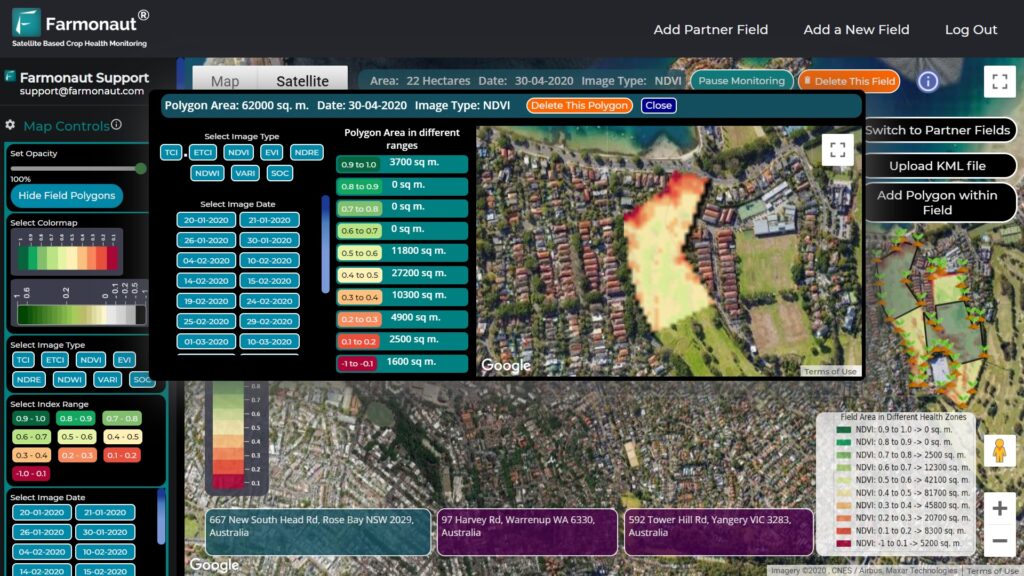
- Multispectral satellite images for forest health, crop status, and soil monitoring
- AI-powered advisory (Jeevn AI) for tailored agricultural strategies—even in urban vertical farms
- Blockchain-enabled traceability ensuring transparent tracking of plant health, fertilizer schedules, and resource inputs
- Fleet and resource tracking for larger urban farm or forestry projects
- Environmental impact tools quantifying carbon footprints and sustainable actions
Farmonaut supports everyone from individual growers to city planners. Our platform is available via web, Android, iOS, and API integration for seamless data flow into your operation.
Bonsai Growth Trivia
“Precision fertilizers have increased Chinese elm bonsai growth rates by up to 18% in recent technology-driven studies.”
FAQ: Advanced Bonsai Cultivation, Urban Greening, and Tech Trends 2025-2026
Q1. What makes Chinese elm bonsai and oak bonsai so well suited for indoor urban cultivation in 2025?
Chinese elm bonsai (Ulmus parvifolia) are robust, disease-resistant, and handle indoor stresses—such as fluctuating temperature and humidity—better than many other species. Oak bonsai, while requiring a bit more care, offer ecological value and symbolize longevity and wisdom, making them ideal for green infrastructure within urban environments. Both species adapt well to sustainable, modern practices like hydroponics and precision fertilizer use.
Q2. How can technology improve bonsai health and management?
2025’s bonsai growers use smart sensors, automated irrigation, AI-driven advisory (like Farmonaut’s Jeevn AI), and satellite data to ensure optimal watering, nutrient delivery, and climate conditions. Technology enables tailored care by adjusting inputs like water, nutrients, and light based on real-time data, thus boosting plant resilience and sustainability.
Q3. What are the benefits of hydroponic bonsai vs. traditional soil bonsai?
Hydroponic bonsai provides complete control over root oxygenation and nutrient supply, leading to faster growth and fewer soil-borne diseases. It is especially beneficial in urban spaces lacking quality soil or where water conservation is vital. Hydroponics aligns with sustainable agricultural goals and supports innovative research on stress adaptation and nutrient uptake.
Q4. Why are mame bonsai becoming so popular among urban bonsai collectors?
Mame bonsai are prized for their miniature size, making them perfect for small apartments, offices, and modern indoor environments. They embody miniaturization—a growing trend for urban agriculture—while allowing experimentation with technological innovations like micro-LED grow lights and high-precision sensors. Their easy integration into dense urban settings fits the evolving needs of cities in 2026 and beyond.
Q5. How do precision fertilizers change bonsai cultivation?
Precision fertilizers, often combined with sensors or digital management, allow growers to deliver the exact nutrients required by each bonsai species, at the right time and in the correct amount. This not only increases growth rates but also reduces waste, environmental impact, and overall costs—making bonsai care more sustainable and efficient.
Q6. Where can I access tools for technology-powered bonsai and urban agriculture monitoring?
Solutions like Farmonaut offer satellite-based monitoring, weather forecasting, blockchain traceability, and fleet/resource management—all accessible through web, Android, iOS, and API platforms. These tools benefit both individual bonsai enthusiasts and large-scale urban agriculture planners. See our farm management solutions and API for more information.
Conclusion: Bonsai’s Role in the Future of Urban Agriculture and Green Infrastructure
The relevance of bonsai cultivation in 2025 and 2026 extends far beyond its traditional roots. As we continue to explore the intersection of art, horticulture, sustainable agriculture, and cutting-edge technology, species such as Chinese elm bonsai and oak bonsai have emerged at the forefront of resilient, space-efficient greening strategies for modern cities. The proliferation of indoor bonsai, mame bonsai miniaturization, and hydroponic innovations addresses the need for high-density, low-impact urban farming—serving both environmental and aesthetic goals.
Precision fertilizers, sensor technologies, and real-time monitoring now empower growers at all levels. Integrated platforms, like those developed by Farmonaut, lay the technological groundwork for the next wave of urban, indoor, and sustainable agriculture projects. As urban populations grow and the demand for green infrastructure intensifies, the bonsai movement offers practical, scalable, and beautiful solutions for cities seeking to balance health, biodiversity, and innovation.
Whether one’s interest lies in the aesthetic art form or the science of adaptive, efficient plant growth, the developments chronicled here highlight a promising, technologically driven future for bonsai in every urban environment.
For API and developer integration, visit: Farmonaut API.