Pesticide Spray: Drone & Pump Sprayer for Plants 2026
In modern agriculture, the quest for efficient and precise pesticide application remains central to crop protection and sustainable farming. As we move into 2025 and beyond, dramatic advancements in pesticide spray technologies—spanning pesticide sprayers, pumps, and the revolutionary drone pesticide sprayer—are redefining how farmers manage pests, diseases, and weeds for higher yields and lower environmental impact. In this blog post, we explore the evolving landscape of plant pesticide spray in 2026, diving deep into the latest technologies, methods, and strategies transforming crop protection practices in contemporary agriculture.
Table of Contents
- Industry Trivia & Forecasts
- Why Pesticide Spray Remains Vital in Modern Agriculture
- Traditional Pesticide Sprayers and Pesticide Pump Sprayers
- Recent Advances in Plant Pesticide Spray Technology (2025–2026)
- Drone Pesticide Sprayer: The Future of Crop Protection
- Comparative Feature Table: Pump vs Drone Pesticide Sprayer (2026)
- Environmental Impact and Sustainable Practices
- Pesticide Spray Beyond Crops: Forestry & Landscape Application
- Satellite Monitoring & Modern Farm Management: Farmonaut’s Role
- Get Started: Farmonaut Subscriptions
- Frequently Asked Questions
- Conclusion
Industry Trivia & Forecasts
“By 2026, over 30% of large farms are expected to use drone pesticide sprayers for crop protection.”
This statistic underscores the sweeping adoption of drone pesticide sprayer technologies among large-scale agriculture operations—a leap driven by increasing demand for efficiency, precision, and sustainability in pest management.
Why Pesticide Spray Remains Vital in Modern Agriculture
The importance of pesticide spray for plants remains a cornerstone of sustainable agricultural practices. At its core, effective pesticide application is about safeguarding crops from insects, fungi, pests, and weeds—thus ensuring reliable yield, crop quality, and food security for a growing global population.
- Pesticide sprayer devices, spanning from simple pump sprayers to sophisticated drone-equipped spraying systems, are designed for the effective delivery of chemicals directly to the target areas.
- Precision in pesticide application minimizes off-target exposure and environmental impact.
- As regulatory frameworks grow stricter, technology-driven pest management strategies help farmers comply while maximizing protection and minimizing chemical wastage.
Key Benefits of Modern Pesticide Spray for Plants:
- Targeted application of pesticides, fungicides, and herbicides
- Reducing chemical runoff into soil and adjacent water sources
- Protecting crop health while safeguarding ecosystems and soil fertility
- Enabling farmers to manage pest outbreaks efficiently, even under adverse weather or field conditions
Whether using a traditional pump sprayer or an AI-equipped drone pesticide sprayer, the vitality of plant pesticide spray in the modern agricultural landscape remains indisputable. The transition to smart, data-driven pesticide spray technologies is now pivotal for higher yields, sustainable farming, and enhanced farmer safety.
Traditional Pesticide Sprayers and Pesticide Pump Sprayer: Backbone of Crop Protection
Long before the emergence of drones in agriculture, traditional pesticide sprayers provided the backbone of chemical delivery systems for farms worldwide. Even in 2026, these classic devices are widely used for plant pesticide spray—especially where the scale or terrain limits advanced equipment deployment. Let’s delve into the main forms:
Types of Traditional Pesticide Sprayers
-
Handheld Sprayers
- Portable, suitable for small fields or garden plots
- Allow direct, targeted application to specific plants or rows
-
Backpack Sprayers
- Strapped to the operator’s back for modest acreage
- Useful for accessing tight corners and scattered orchards
-
Pesticide Pump Sprayer
- Utilize a hand-operated or motorized pump to produce pressure
- Generate a controlled spray, atomizing liquids into fine droplets for even coverage
- Modern models are engineered for ergonomic comfort, durability, and reduced operator fatigue
Modern Features for Efficient Application
- Adjustable nozzles for varied droplet size and patterns
- Lightweight frames and ergonomic grips for long spraying sessions
- Easy maintenance and quick refilling for reduced downtime
- Consistent pressure generation for uniform delivery
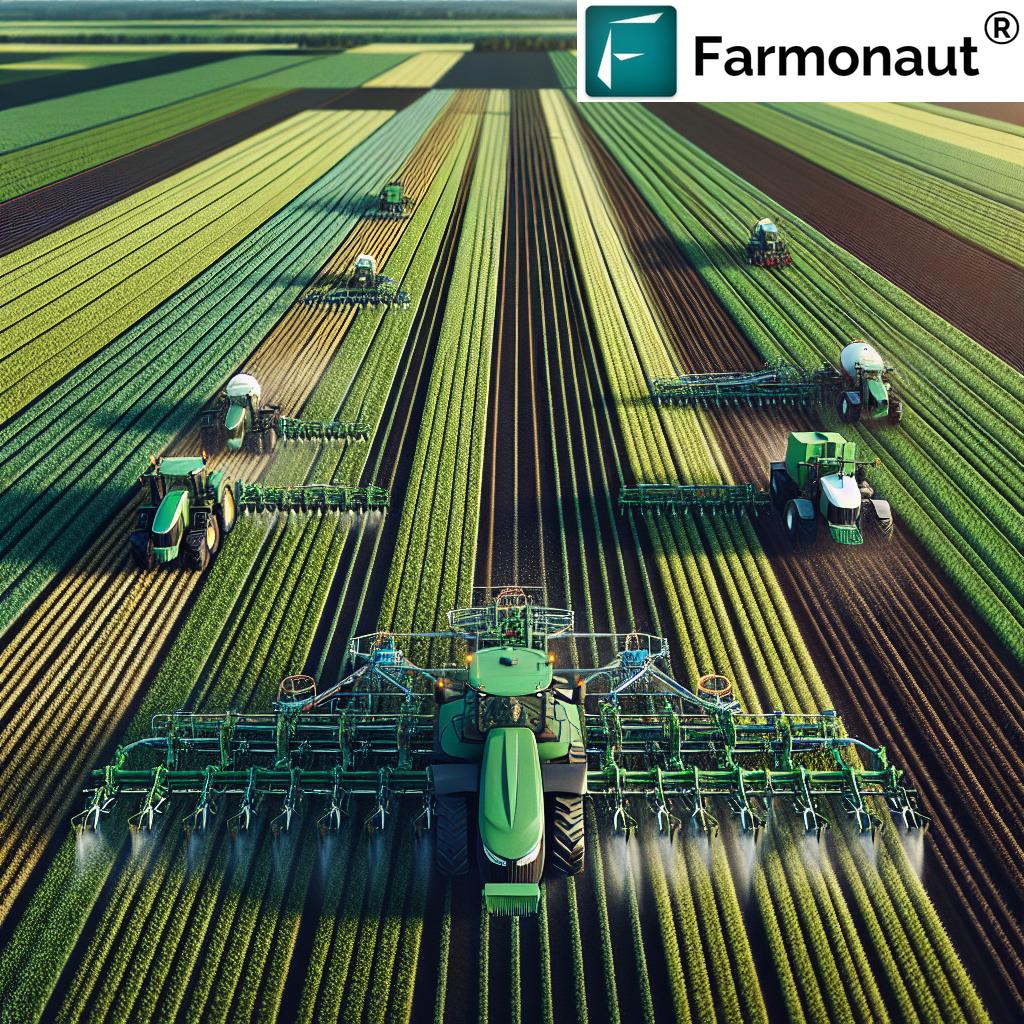
While pump sprayers remain indispensable for targeted, small-scale applications, they are increasingly enhanced with digital gauges and variable-rate nozzles. In larger, open fields, however, the evolving demands of modern agriculture necessitate more efficient and scalable solutions—ushering in the era of drone pesticide sprayer technology.
“Modern pump sprayers can cover 2.5 times more acreage per hour than traditional manual pesticide applicators.”
Recent Advances in Plant Pesticide Spray Technology (2025–2026)
The evolving landscape of pesticide spray is marked by the integration of new technologies aimed at enhancing both environmental sustainability and yield optimization. In 2025 and leading into 2026, the following key advancements stand out:
-
Variable-Rate Application Systems
- Adjusts the amount of pesticide spray based on field data
- Reduces chemical wastage and optimizes effectiveness with targeted delivery
-
Low-Drift Nozzles
- Specialized nozzle designs control droplet size and spray pattern
- Minimize off-target movement, reducing exposure of non-target areas and adjacent water sources
-
Digital Calibration Tools
- Ensure equipment is properly calibrated
- Enable farmers to apply just the right amount of pesticide, promoting both effective control and regulatory compliance
Combined, these innovations are transforming the way farmers and agribusinesses approach plant protection, enhancing both the safety and results of pesticide spray for plants.
Drone Pesticide Sprayer: The Future of Crop Protection (2025–2026)
Perhaps the most significant leap forward is the integration of drone pesticide sprayer technology into mainstream agriculture. With the rapid advancement and deployment of drones, farmers now have access to unprecedented levels of precision, speed, and efficiency in spraying operations.
How Drone Pesticide Sprayers Work
- Equipped with GPS, LIDAR, and multispectral sensors, drones can map fields, identify infested areas, and deliver site-specific treatments.
- Using AI-driven analytics, drones optimize application timing and dosage, helping minimize pesticide use while maximizing efficacy.
- Remote control and automated flight paths allow coverage of both large and challenging terrains—hilly fields, dense orchards, and even marshlands—where traditional machinery might fail.
Key Advantages of Drone Pesticide Sprayer Technology
- Rapid Coverage: Drones handle large areas in a fraction of the time required by ground-based sprayers.
- Reducing Human Exposure: Operators avoid direct contact with hazardous chemicals, improving health and safety.
- Efficient Use: With controlled dosage, drones conserve both pesticides and water, cutting operational costs and promoting sustainability.
- Data-Driven Spraying: Real-time monitoring and AI optimize treatments according to current plant health and disease pressure.
- Less Soil Compaction: Drone use eliminates heavy machinery on fields, which also preserves soil structure and fertility.
By 2026, the drone pesticide sprayer segment is projected to account for the largest growth in global agritech investments, as farmers continue adopting automation, sensors, and AI into everyday pest management routines.
Particularly Advantageous Use Cases
- Scattered Orchards & Hilly Terrains
- Drones outperform ground-based sprayers in difficult areas, ensuring uniform coverage while minimizing ecological disturbance.
- Organic & Precision Farming
- Where selective spraying is crucial, drones deliver accurate, localized treatments, enhancing both yield and compliance with organic standards.
- Emergency Outbreak Response
- Drones enable rapid deployment in the event of sudden pest outbreaks, reducing potential crop loss.
Farmers adopting drone pesticide sprayer solutions in 2026 can expect to benefit from greater cost efficiencies, reduced environmental footprint, and improved crop health and productivity.
Comparative Feature Table: Pump Sprayer vs Drone Pesticide Sprayer (2026)
This table provides a direct comparison of pesticide pump sprayer and drone pesticide sprayer technologies as we move toward 2026. Notice the stark differences in efficiency, coverage, and environmental impact—all crucial considerations for farmers planning their crop protection strategies.
| Equipment Type | Spray Coverage per Hour (acres) | Pesticide Usage Efficiency (% reduction) | Labor Requirement (operators) | Application Precision | Cost per Acre (USD, est.) | Environmental Impact |
|---|---|---|---|---|---|---|
| Pump Sprayer (Modern) | 4–6 | 10–20% | 1–2 | Medium | $6–$12 | Medium |
| Drone Pesticide Sprayer | 20–40 | 30–50% | 1 | High | $3–$7 | Low |
| Emerging Innovations (2026) | 40–60 | Up to 60% | 0.5–1 (semi/fully autonomous) | Very High | $2–$5 | Very Low |
Environmental Impact and Sustainable Pesticide Spray Practices
Minimizing environmental impact is now a non-negotiable component of pesticide management strategies, both for compliance with regulations and for future-proofing soil health. Here’s how modern spray technologies ensure sustainability:
-
Precision Application
- Reduced runoff and chemical wastage
- Protects adjacent water sources and ecosystems
-
Pesticide Usage Monitoring
- Digital logs and AI analytics for compliance tracking
- Supports sustainable farming certifications
-
Reduced Human Exposure
- Drones distance operators from harmful chemicals
- Lower risk of acute or chronic health effects for workers
-
Soil and Carbon Impact Monitoring
- Precision application preserves soil health and structure
- Fungi and beneficial insects are less likely to be harmed by off-target pesticide exposure
- Learn how carbon footprinting can track and reduce your agricultural emissions
Adopting drone pesticide sprayer technology—along with AI-enhanced planning—helps farmers and agribusinesses align pesticide spray programs with both yield and environmental targets in 2026.
Pesticide Spray Beyond Crops: Forestry & Landscape Application
Advanced pesticide sprayers and drones are increasingly used in forestry to manage invasive pests and diseases that threaten forests and timber yields. By enabling precise, controlled application in otherwise inaccessible areas, drones help protect biodiversity and limit the human impact within natural habitats.
-
Reduced Human Footprint:
- Operators stay at a safe distance, managing spraying remotely
- Faster response times during forest pest outbreaks
-
Sustainable Resource Management:
- Selective, minimal-chemical approaches preserve non-target flora and fauna
- Trace every intervention with blockchain-based product traceability for sustainable forestry
Satellite Monitoring & Modern Farm Management: Farmonaut’s Role
In the evolving world of pesticide spray technology, Farmonaut stands at the forefront with satellite-based insights and digital advisory platforms designed to empower farmers and agri-businesses worldwide.
-
Real-time Satellite Monitoring:
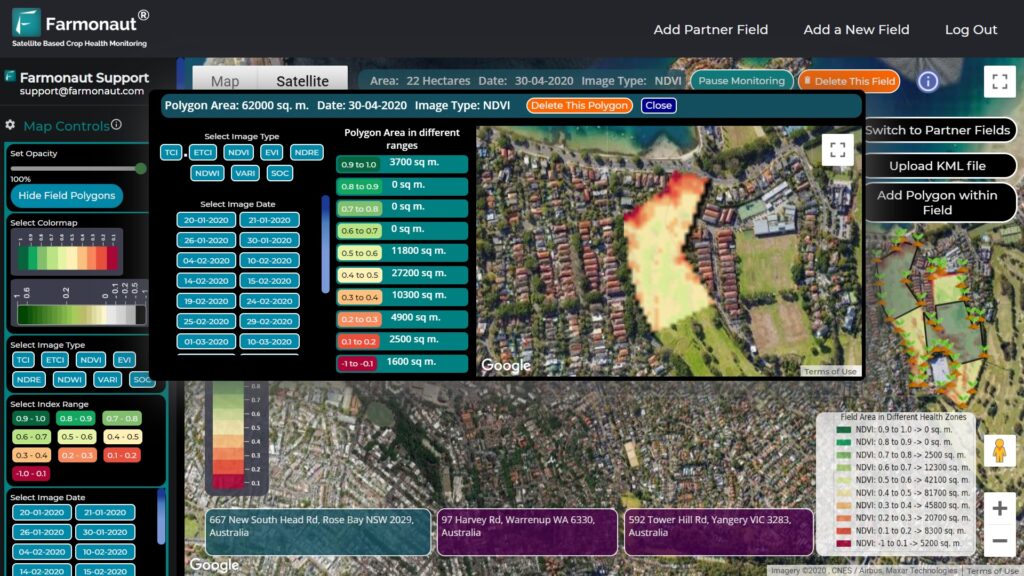
- Our platform leverages advanced multispectral imagery for monitoring crop health, soil condition, and potential disease threats.
-
Access our Web App for instant monitoring:

-
Track on your mobile:


-
AI-Based Decision Support:
- Our Jeevn AI delivers actionable advisories on crop spraying schedules, pest risk, and weather-influenced application timing.
-
Blockchain Traceability:
- We provide blockchain-based tools to record and verify every pesticide application event, supporting traceability efforts for premium export markets.
- Boost your supply chain trust: Explore product traceability for plant protection activities.
-
Fleet & Resource Management:
- Our platform enables you to intelligently organize and monitor spraying equipment and drone fleets for large-scale farming.
- Fleet Management: Reduce downtime and improve application timelines with satellite and AI tracking.
-
Sustainable & Regenerative Farming
- Our environmental monitoring features—such as carbon footprinting—help you balance pest management with global sustainability goals.
-
APIs for Integration:
- For advanced B2B and developer use, our API and API developer docs provide seamless integration of field data into your platforms, ERP, or custom apps.
-
Loan & Insurance Verification:
- We help you access agricultural financing or insurance with satellite-based crop verification—speeding up approval and reducing fraud risk.
-
Upcoming Innovations for 2026:
- We continue to expand our platform for large scale farm & plantation forest management, integrating forestry pest control, advisory, and fleet coordination tools for 2026+ environments.
By leveraging our modular tools, farmers, managers, and agribusinesses can plan, analyze, and optimize pesticide spray for plants—ensuring not just higher productivity but also environmental responsibility as demanded in the coming years.
Get Started: Farmonaut Subscriptions & Resources
Whether you’re a smallholder managing sprayers or a large farm deploying drones for plant protection, our platform adapts to your needs. Subscriptions support everything from basic crop health tracking to advanced resource fleet management and environmental reporting. Plans suit individuals, agribusinesses, and government organizations.
Farmonaut App Access
Frequently Asked Questions
What is the difference between a pump sprayer and a drone pesticide sprayer?
A pump sprayer is typically a handheld or backpack sprayer operated manually or with a small motor, ideal for targeted or small-scale pesticide application. A drone pesticide sprayer is an automated aerial platform, covering much larger areas rapidly, with far greater precision and data-driven application controls.
Are drone pesticide sprayers suitable for all farms?
Drone pesticide sprayer solutions are particularly effective for large farms, fields with accessibility challenges (like hilly regions), and those aiming for the highest degrees of efficiency and sustainability. Smaller operations may still benefit, but should consider cost and scale factors.
How do precision technologies minimize environmental impact?
Precision spray technologies enable target-specific application, reducing runoff and drift, safeguarding nearby water sources, and reducing unintended impact on beneficial organisms or surrounding ecosystems.
Can Farmonaut help with regulatory compliance for pesticide spraying?
Yes, our platform enables traceability and documentation of pesticide application—using blockchain and digital monitoring—to facilitate easy compliance and proof for inspections or certifications.
What Farmonaut features support sustainable and large-scale farming?
We offer real-time crop health monitoring, AI weather insights, fleet management dashboards, carbon footprint reporting, and satellite-driven traceability—all tailored to promote higher yields while minimizing environmental impact.
Can pesticide spray activity be tracked across large farms or forested areas?
Our satellite and AI-driven solutions, available via web and mobile apps, are ideal for tracking all applications—whether by pump sprayer, drones, or ground rigs—over large or scattered areas.
Conclusion
As 2026 approaches, the evolving landscape of pesticide sprayers—from traditional pump sprayer models to advanced drone pesticide sprayer platforms—continues to revolutionize crop protection. With a clear trend toward greater precision, minimized environmental impact, and higher yields, these solutions address both the immediate needs of today’s farmers and the long-term imperatives of sustainable agriculture.
Pesticide spray for plants will remain an indispensable element of modern crop management. By integrating next-generation application technologies, digital monitoring solutions like those at Farmonaut, and best practices for soil health and compliance, the industry is well-positioned to meet the challenges of pest control, yield maximization, and environmental stewardship for 2025, 2026—and far beyond.
Ready to modernize your plant protection strategies? Leverage satellite-powered insights and robust digital tools to optimize every pesticide application, safeguard ecosystems, and support sustainable, profitable farming.