

Top 5 Countries Where Copper Drives the Economy in 2025
“The top 5 copper-producing countries will contribute over 65% of global copper output in 2025.”
Copper: A Pillar of National Economies in 2025
Copper remains one of the most critical metals globally, underpinning multiple sectors and helping drive economies worldwide. As of 2025, nations that hold vast copper reserves continue to leverage them as economic pillars.
Copper’s unique exceptional electrical conductivity and durability make it indispensable for infrastructure, renewable energy technologies, electronics, and transportation. These attributes ensure that copper remains foundational for global development as countries modernize and transition to green economies.
Amid mounting global demand for clean energy solutions and expansive infrastructure projects, copper’s importance has surged. Five countries—Chile, Peru, Democratic Republic of Congo (DRC), United States, and Zambia—are pivotal in meeting this demand, boasting the largest production and reserves. This article explores the 5 countries where copper is a significant part of the economy, analyzing how they shape the copper landscape in 2025 and beyond.

Comparative Country Overview Table: 5 Countries Where Copper Is a Significant Part of the Economy
| Country | Estimated Copper Production (2025, Metric Tons) |
Share of GDP (%) | Global Market Share (%) | Main Mining Regions | Key Copper Sector Trends | Infrastructure Investments (USD Billions, 2025) |
|---|---|---|---|---|---|---|
| Chile | 5,800,000 | ~10 | ~27 | Atacama Desert (Escondida, Collahuasi, Chuquicamata) | Advanced extraction, regulatory reform, sustainability, tech integration | 13+ |
| Peru | 2,700,000 | ~8 | ~13 | Andes: Cerro Verde, Antamina, Las Bambas | Green mining, port, & transport upgrades, ESG focus | 6.5 |
| Democratic Republic of Congo (DRC) | 2,100,000 | ~17 | ~10 | Copperbelt (bordering Zambia): Kolwezi, Tenke Fungurume | EV battery demand, cobalt synergy, infrastructure improvement | 3.1 |
| United States | 1,260,000 | ~0.15 | ~6 | Arizona, Utah, New Mexico | Domestic security, AI & satellite tech, decarbonization push | 5.9 |
| Zambia | 950,000 | ~12 | ~5 | Copperbelt: Ndola, Kitwe, Chingola | Capacity expansion, fiscal reform, community engagement | 2.2 |

“In 2025, Chile alone is expected to account for nearly 27% of total worldwide copper production.”
Chile: The Undisputed Leader in Global Copper Production
What Country Produces the Most Copper in 2025?
Chile holds the undisputed title as the world’s largest copper producer, accounting for approximately 27-28% of global supply in 2025. This South American nation’s rich deposits lie particularly in the Atacama Desert region, hosting massive open-pit mines like Escondida, Collahuasi, and Chuquicamata.
- Copper mining is the cornerstone of the Chilean economy:
- Responsible for roughly 10% of Chile’s GDP and a substantial proportion of export revenues.
- Over 50% of Chilean mining sector exports are copper-related.
- Benefits from advanced extraction techniques and robust regulatory framework: Chile has implemented innovative, AI-driven monitoring, strict sustainability guidelines, and encourages environmental practices such as carbon footprint monitoring and resource management.
- The revenues generated from copper support:
- National infrastructure development—roads, ports, renewable energy grids, and smart cities.
- Social programs and economic diversification efforts.
The Atacama region also benefits from cutting-edge satellite and AI tools used in copper exploration and environmental monitoring, which help optimize resource extraction while minimizing impacts.
Chile’s Copper Sector Trends & Outlook: 2025 & Beyond
- Rising Global Demand: Driven by the energy transition, green technology expansion, and robust electronics industry.
- Regulatory Evolution: Enhanced frameworks to ensure worker safety, transparency, and reduction of environmental impacts.
- Sustainable Mining Initiatives: Integration of new water-saving extraction methods and renewable energy sources into mining operations.
- Digitalization: Increased use of AI-driven satellite monitoring for real-time management and blockchain-based traceability (see how traceability for mining brings transparency).
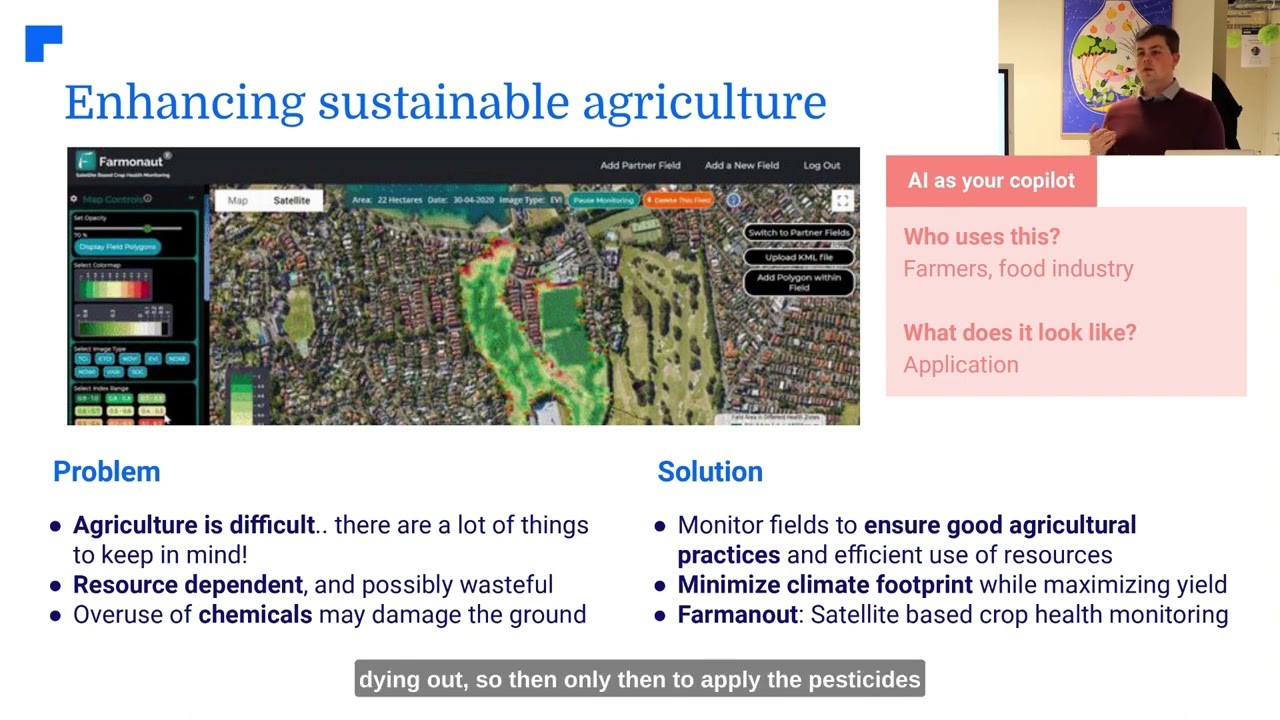
Empower your copper sector with satellite-driven insights! Get real-time monitoring, AI resource optimization, and blockchain traceability from Farmonaut—transforming sustainability and profitability in mining, infrastructure and beyond.



Peru: A Copper Titan Shaping Its National Economy
Peru continues to rank as the second-largest copper producer worldwide in 2025, solidifying its standing among the 5 countries where copper is a significant part of the economy.
- Accounts for nearly 60% of the country’s mining export value;
- The Andes mountain range contains vast copper deposits, with leading mining complexes: Cerro Verde, Antamina, and Las Bambas.
- Mining operations are increasingly integrated with digital monitoring and sustainable practices, recognizing environmental and social impacts inherent to the sector.
- Significant infrastructure expansions (ports, transport corridors) have enhanced the country’s role in global copper trade.
Peru’s copper sector in 2025 also benefits from rising investments in automation, satellite surveillance, and AI-powered advisory tools, which help mining companies maximize yields and improve sustainability.
Peruvian Copper Industry Trends and Challenges (2025+)
- Strong Regulatory Initiatives: Focus on environmental standards and social community engagement in mining areas.
- ESG Commitments: Leading miners now use comprehensive environmental, social, and governance metrics to guide operations.
- Expansion of Renewable Energy Integration: Many mining operations have started sourcing electricity from renewables to power their operations as part of Peru’s decarbonization efforts.
- Global Demand: Increased demand for copper by China, the US, and Europe continues to drive exports and sector modernization efforts.

Democratic Republic of Congo (DRC): The Copperbelt Powerhouse
The DRC has emerged as a significant copper producer, whose mining sector forms the backbone of its economy. The Copperbelt region straddling its border with Zambia contains vast reserves of copper and cobalt.
- Mining contributes over 17% of the country’s GDP.
- Copper and cobalt exports are mainstays; DRC is also the world leader in cobalt.
- Major copper mines: Kolwezi, Tenke Fungurume, Kamoa-Kakula.
Despite political instability and logistical challenges, DRC continues to attract investment for modernizing transport, power generation, and mineral processing infrastructure.
DRC Copper Sector: Key Trends and Strategic Opportunities
- Electric Vehicle (EV) Battery Demand: The DRC’s synergy of copper and cobalt remains critical as global EV production expands (cobalt-copper alloys are essential for batteries).
- Ongoing Infrastructure Projects: Rail and energy networks are being upgraded to boost operational efficiency and attract additional FDI (foreign direct investment).
- ESG & Diversification: Sustainability practices and carbon footprint tracking are increasingly prioritized to meet investor, consumer, and international regulatory demands.

United States: An Economic Pillar Strengthened by Copper
Within the top 5 countries where copper is a significant part of the economy, the United States (particularly Arizona, Utah, and New Mexico) remains a major copper producer with vital economic and strategic implications.
- Copper production: Supplies critical raw materials for manufacturing, construction, energy, electronics, and defense.
- Arizona “Copper Corridor”: Home to many of the country’s richest mines, such as Morenci, Bagdad, and Ray.
- The copper sector supports tens of thousands of jobs and is closely linked to national infrastructure modernization and energy independence efforts.
The US copper industry leverages innovations in extraction, digital monitoring, satellite imagery API analysis, and ESG reporting. Adopting advanced environmental practices, the sector aims to support US efforts to secure critical mineral supply chains and reduce reliance on imports amid global market competition.
Sector Trends and Market Focus: US Copper in 2025+
- Energy Transition: Increasing use of copper in electric vehicles, renewable energy installations, and national grid modernization projects.
- Environmental Leadership: Efforts to minimize water use and decrease carbon emissions through digitalized carbon footprint monitoring.
- Regulation: Established regulatory environment supports responsible production, health, and safety.
- Technological Edge: Rising adoption of AI, drones, and satellite monitoring in mining operations, strengthening operational oversight and ESG compliance.
Zambia: Copper’s Vital Role in National Development
Zambia shares the prolific Copperbelt region with the DRC and has for decades relied on copper mining as a vital economic pillar. In 2025 and into the future, Zambia’s copper sector remains essential for national economic stability.
- Copper mining accounts for a substantial share of national exports and a large part of government revenue.
- Primary mining regions: Ndola, Kitwe, Chingola.
- Revenues fund social development programs, infrastructure modernization, and educational initiatives.
Recent efforts to improve the regulatory environment, prioritize sustainable mining development, and encourage greater community engagement help Zambia attract investment and stay competitive.
As copper demand persists—especially for renewable energy and electric vehicle sectors—Zambia’s economic trajectory is closely tied to expanding its copper production capacity.
Zambia Copper Sector: 2025 Outlook & Transformation
- Capacity Expansion: National strategy focuses on modernization of existing mines and developing new exploration concessions.
- Sustainable Mining: A growing number of companies integrate ESG frameworks and use satellite monitoring for environmental impact.
- Community-Focused Programs: Mining companies voluntarily fund community projects, aiming to improve health, education, and infrastructure in mining towns.
Global Sector Trends Shaped by Leading Copper Producers
The 5 countries where copper is a significant part of the economy influence global sector trends by shaping supply, pricing, and innovation pipelines. Here are the most impactful trends for 2026 and beyond:
- Rising Green Demand: Renewable energy (solar, wind, EVs) and digital technologies drive greater consumption and price resilience.
- Sustainable, Digitalized Mining: Increased use of satellite monitoring, AI, traceability, and blockchain traceability (see Farmonaut’s traceability platform) to improve efficiency and ESG compliance.
- Geopolitical Realignment: Countries prioritize domestic supply security, leading to infrastructure expansion and updated regulatory frameworks.
- Downstream Expansion: Emphasis on value-added processing (smelting, refining) in-country to retain more economic benefit and reduce logistics costs.
- Social License: Increasing focus on community engagement, transparency, and local benefits to secure support for mining operations.

Copper and Infrastructure: Fueling Expansive Projects Worldwide
Copper is central to the world’s infrastructure boom. Its conductivity and durability make it indispensable in power grids, smart cities, railways, and port upgrades. In the top producing countries, copper mining revenues fund national development, especially for:
- Power Transmission: Copper wiring is the backbone for extending power access and clean energy transitions.
- Water & Irrigation Infrastructure: Peru’s irrigation megaprojects, for instance, highlight copper’s role in agricultural growth and food exports.
- Urbanization: Copper is critical in housing, urban transport, and high-tech infrastructure across Chile, Peru, Zambia, and the United States.
- Transport Networks: Road, rail, and port investments—enabled by mining royalties—improve export logistics and support regional trade hubs.
- Sustainable Projects: Increasingly, mining companies use carbon footprinting solutions to reduce the environmental toll of infrastructure growth.

Farmonaut: Satellite Solutions for Copper Mining, Infrastructure & Environmental Impact
At Farmonaut, we recognize the critical role of copper in national development and modern economies. That’s why we deliver satellite-driven solutions for mining site monitoring, infrastructure projects, environmental impact tracking, blockchain-based traceability, and resource management.
- Satellite-Based Monitoring: Our multispectral images and AI models provide copper miners and infrastructure managers with real-time insights into operational efficiency, vegetation health, and land use change—helping ensure sustainable practices and regulatory compliance.
- Jeevn AI Advisory System: We deliver weather forecasts, risk alerts, and operational suggestions tailored to specific mining zones, improving productivity and safety for all stakeholders.
- Fleet and Resource Management: With farmonaut’s fleet management platform, mining enterprises optimize equipment use, planning, and logistics, which in turn reduces operational costs and environmental impact.
- Blockchain Traceability: Our systems let companies (and regulators) track copper’s journey from underground to end-user, supporting transparency and ESG commitments.
- Environmental Impact Monitoring: Carbon and emissions monitoring helps producers demonstrate compliance, attract sustainability-focused investment, and participate in global green supply chains.
Our affordable, subscription-based model ensures that stakeholders—from individual miners to government agencies—can scale their oversight and maximize copper’s value as a pillar of their national economies.
For those who require API integrations with our satellite-system for deeper and automated insights into mining, agriculture, or infrastructure:
Explore Farmonaut Satellite API | Developer Docs
Farmonaut’s traceability solutions deliver transparent supply chain insights—crucial for mining, especially in markets with advanced regulatory frameworks.
Frequently Asked Questions on Top Copper-Producing Countries & Their Economies
Which country produces the most copper as of 2025?
Chile produces the most copper globally, accounting for close to 27-28% of worldwide production in 2025. Its vast Atacama Desert reserves and world-class mines make Chile the enduring leader among copper producers.
Why is copper so important to national economies?
Copper is indispensable for electricity transmission, infrastructure, green energy, advanced manufacturing, transportation, and digital technologies. It underpins development and modernization, providing governments with crucial export revenues and investment funds.
What are the main global trends influencing copper production and demand?
Key trends influencing copper include:
- Electrification of transport (EVs, trains).
- Grid upgrades/renewables expansion.
- Supply-chain security initiatives.
- Increased focus on sustainable mining, blockchain traceability, and ESG regulation.
- Digitalization of operations via AI and satellite data.
How does copper mining impact local communities and the environment?
Copper mining provides critical funding for local infrastructure, schools, and healthcare. However, without sustainable practices or adequate oversight, it can cause environmental degradation (deforestation, water contamination), which is why regulatory frameworks and monitoring tools—including carbon footprint tracking—are increasingly vital.
How can companies ensure transparent, traceable copper supply chains?
Blockchain-based systems, such as those offered by Farmonaut, allow for end-to-end supply chain visibility, reducing fraud and bolstering consumer confidence. Satellite monitoring further supports traceability by verifying sustainable sourcing and compliance at every stage.
What role does technology play in modern copper mining?
Technology underpins efficiency and sustainability in mining. Satellite data, AI-driven insights, drones, machine learning, and blockchain all help optimize resource use, monitor impacts, and improve regulatory compliance.
Conclusion: The Future of Copper and National Economies
Copper will remain at the heart of economic expansion, energy transition, and infrastructure modernization far beyond 2025. The 5 countries where copper is a significant part of the economy—Chile, Peru, DRC, United States, and Zambia—will continue to supply over 65% of the world’s copper, shaping global market dynamics, sector standards, and sustainability benchmarks.
Chile will keep its leading role, backed by efficient production, vast reserves, and a mature regulatory environment. Peru, DRC, Zambia, and the United States will expand their influence by investing in digitalization, sustainability, and downstream copper value chains.
Amid rising demand driven by renewable energy technologies, electronics, and modern infrastructure, copper’s role as an economic pillar is secure. As the global copper landscape continues to evolve, these countries’ ability to balance extraction with environmental and social stewardship will determine their long-term economic resilience and competitiveness.
For businesses and policymakers committed to sustainable, data-driven growth, advanced tools like remote sensing, AI monitoring, and blockchain traceability—now available via accessible solutions from companies like Farmonaut—will play a decisive role in powering copper’s ongoing journey as the metal at the core of global progress.
Interested in maximizing your copper assets?
Try Farmonaut’s satellite-based monitoring app or access our API for scalable, cost-effective copper mining and infrastructure oversight.
We empower users worldwide with actionable, real-time, and transparent insights for mining, infrastructure, and environmental management.


