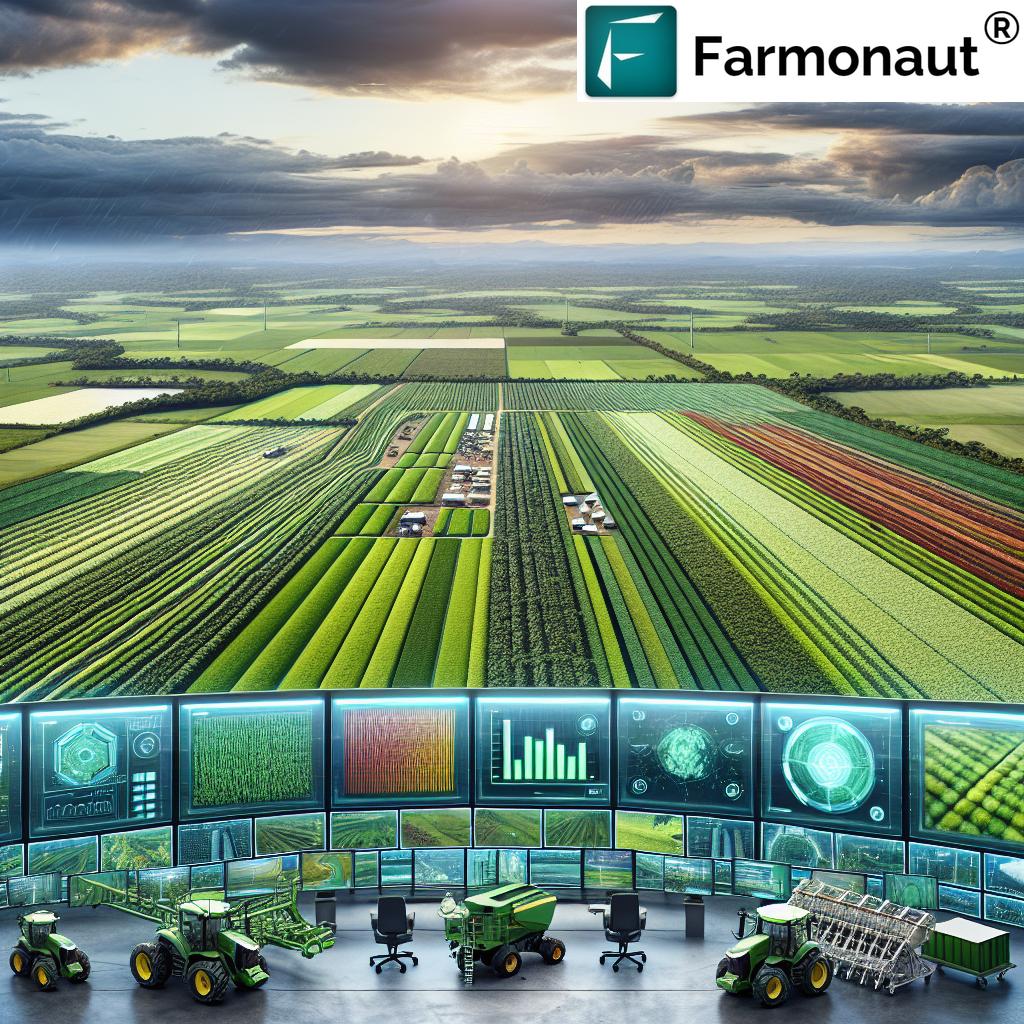
Benefits of Coffee Grounds, Crop Dusting & Soil in Brazil: Enhancing Sustainable Agriculture in 2025
In today’s rapidly evolving agricultural landscape, understanding the benefits of coffee grounds in soil, the impact of soil conservation, precision crop dusting practices, and sustainable pesticide use is indispensable for resilient farming, especially in powerhouse regions like Brazil. As we enter 2025, these sustainable agriculture strategies are not only improving farm productivity but also protecting vital resources and contributing to global food security and environmental sustainability.
To support this journey towards more informed and sustainable agriculture, advanced solutions such as satellite-based monitoring and advisory platforms – see Farmonaut’s Large-Scale Farm Management – are providing essential data to enhance crop productivity, optimize input use, and reduce environmental footprints.
“Brazil recycles over 2 million tons of coffee grounds annually, enriching soil and reducing landfill waste.”
Benefits of Coffee Grounds in Soil: A Sustainable Waste-to-Resource Approach
Coffee production is at the heart of Brazilian agriculture, making this region a global leader and a vital newsmaker in both brazil coffee news and sustainable farming headlines. However, with this production comes a significant challenge—how to manage the vast quantities of spent coffee grounds generated each year? The answer lies in transforming this waste into a valuable resource for soil and crop management.
How Coffee Grounds Support Soil Structure and Fertility
When incorporated into soil, coffee grounds offer a suite of agronomic and environmental advantages:
- Enhanced Soil Structure: The coarse texture of coffee grounds increases aeration and moisture retention, which are essential for healthy root development in plantations and row crops alike.
- Organic Matter & Nutrient Enrichment: Coffee grounds are rich in organic matter, especially nitrogen, as well as micronutrients like calcium, magnesium, and potassium. With their slow-release properties, they serve as a natural fertilizer—promoting healthier plant growth without resorting to synthetic fertilizers.
- Adding coffee grounds can boost soil organic content, foster microbial activity, and gradually improve long-term fertility.
- Natural Pest & Disease Suppression: Compounds in coffee grounds possess antifungal and antibacterial properties, contributing to the suppression of harmful soil pathogens. This leads to healthier, more resilient crops especially vital for regions like Brazil where coffee is a staple.
- Reduction of Landfill Waste and Carbon Footprints: Recycling vast quantities of spent grounds reduces disposal in landfills, thereby lowering greenhouse gas emissions associated with organic waste decomposition.
Brazilian coffee farms are increasingly adopting the practice of turning waste into resource, exemplifying the benefits of coffee grounds in soil as part of comprehensive sustainable management systems. In the context of 2025 and beyond, such practices significantly bolster soil health and help meet growing food demand without depleting natural resources.
For comprehensive solutions in tracking soil condition, resource management, and environmental impact monitoring, Farmonaut’s carbon footprinting platform (learn more) harnesses advanced satellite imagery and analytics. It empowers us to monitor organic matter improvements and design site-specific recommendations for agroecological progress.
Coffee Grounds: Optimizing Use in Brazilian Farms
With over 2 million tons recycled annually, Brazil demonstrates the incredible impact possible when coffee grounds are incorporated into soil. The process typically involves:
- Mixing Grounds with Compost: This helps prevent soil acidity and ensures a balanced nutrient profile.
- Direct Application: Coffee grounds can be spread as a thin mulch or integrated into topsoil, particularly around crops needing extra nitrogen or improved soil aeration.
The combined effects contribute to higher yields, reduced chemical fertilizer needs, and a measurable lowering of environmental footprints—key metrics for modern, sustainable farming in 2025.



Benefits of Soil Conservation in Agriculture: Safeguarding Productivity in Brazil
Soil conservation is universally recognized as the cornerstone of sustainable agriculture. For Brazil—where intense rainfall, large-scale plantations, and ongoing deforestation threaten delicate soil ecosystems—strengthening soil conservation techniques is critical to maintaining agricultural productivity, climate resilience, and ecosystem services in 2025.
Why Soil Conservation Remains Vital (2025 & Beyond)
- Prevention of Soil Erosion: Methods like contour farming, reduced tillage, cover cropping, and terracing physically stabilize soil, reduce surface runoff, and prevent degradation of fertile topsoil.
- Preservation of Organic Matter & Soil Fertility: Conservation methods maintain or boost soil organic content, creating a supportive foundation for robust crop growth and long-term field productivity.
- Water Conservation and Infiltration: Healthy, well-covered soil enhances water recharge and minimizes irrigation needs — a key factor as climate changes threaten traditional rainfall patterns.
- Carbon Sequestration: Practices that build soil (such as cover cropping and reduced tillage) also contribute to carbon capture, helping Brazil meet international climate goals.
Farmonaut supports soil conservation by providing vital insights via carbon footprinting and blockchain-based traceability, which not only help us monitor soil health and water conservation progress but also support supply chain transparency in the Brazilian agricultural sector.
Examples of soil conservation strategies deployed in Brazilian coffee plantations and crop farms include:
- Contour Plowing: Aligning field activities with natural terrain contours to disrupt surface water flow and minimize erosion.
- Cover Cropping: Planting secondary species (e.g., legumes or native grasses) to protect soil during the off-season, improving organic matter and preventing bare soil exposure.
- Reduced Tillage: Limiting mechanical soil disturbance to nurture microbial health, retain moisture, and preserve soil structure.
These practices are not just environmentally friendly—they also lead to improved yields, reduced input costs, and long-term sustainability for major agricultural regions like Brazil. As we progress into 2025, the benefits of soil conservation in agriculture will become even more prominent for farms seeking to build resilient systems that can withstand climate and market fluctuations.
“Precision crop dusting can cut pesticide use by up to 30%, promoting sustainable farming and healthier ecosystems.”
Benefits of Crop Dusting: Precision Application for Sustainable Pest and Nutrient Management
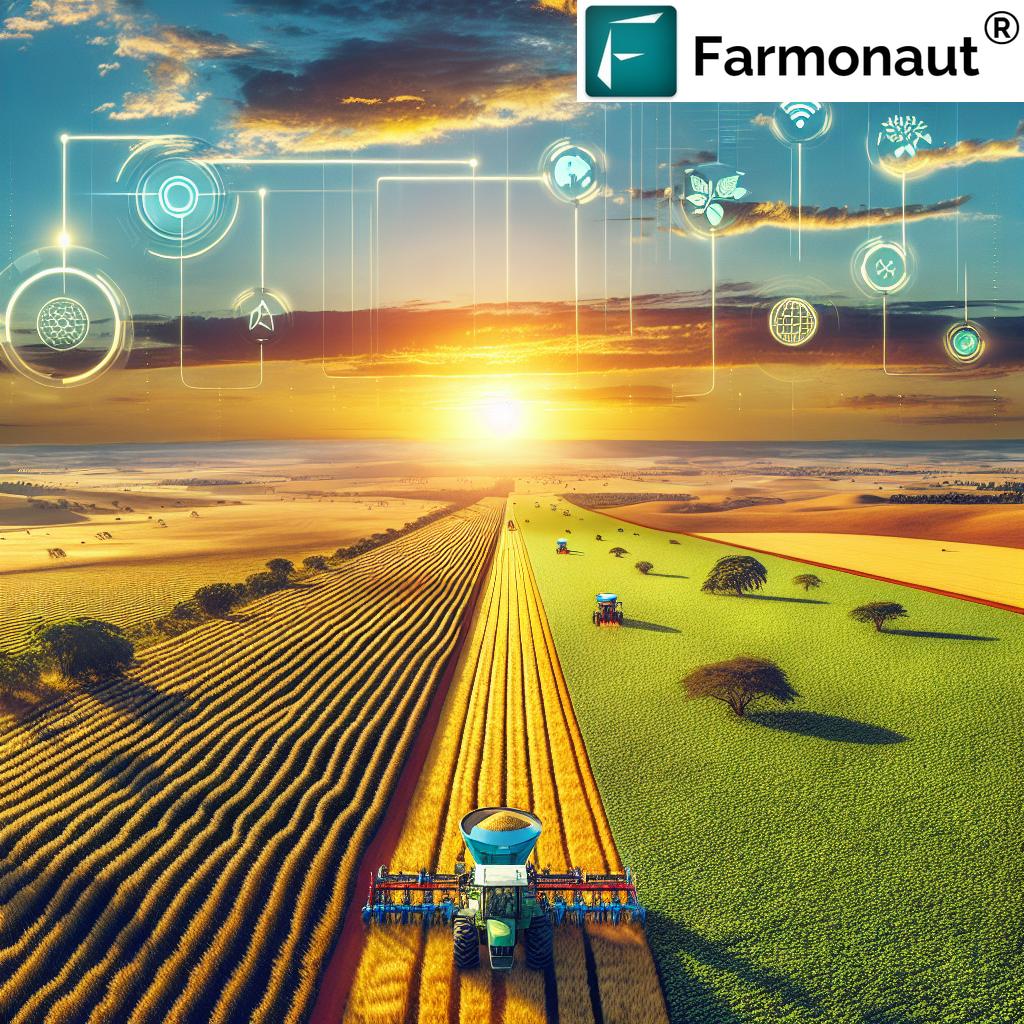
Crop dusting—sometimes known as aerial application—is a transformative technique in modern agriculture. In Brazil, where fields and plantations span vast acreages, crop dusting enables efficient and timely distribution of pesticides, fertilizers, or even biological agents. As precision agriculture emerges as the gold standard for sustainable management in 2025, precision crop dusting with advanced drone technology is leading the way in reducing waste, improving efficacy, and increasing crop productivity.
The Role of Technology: Drones and Satellite Monitoring
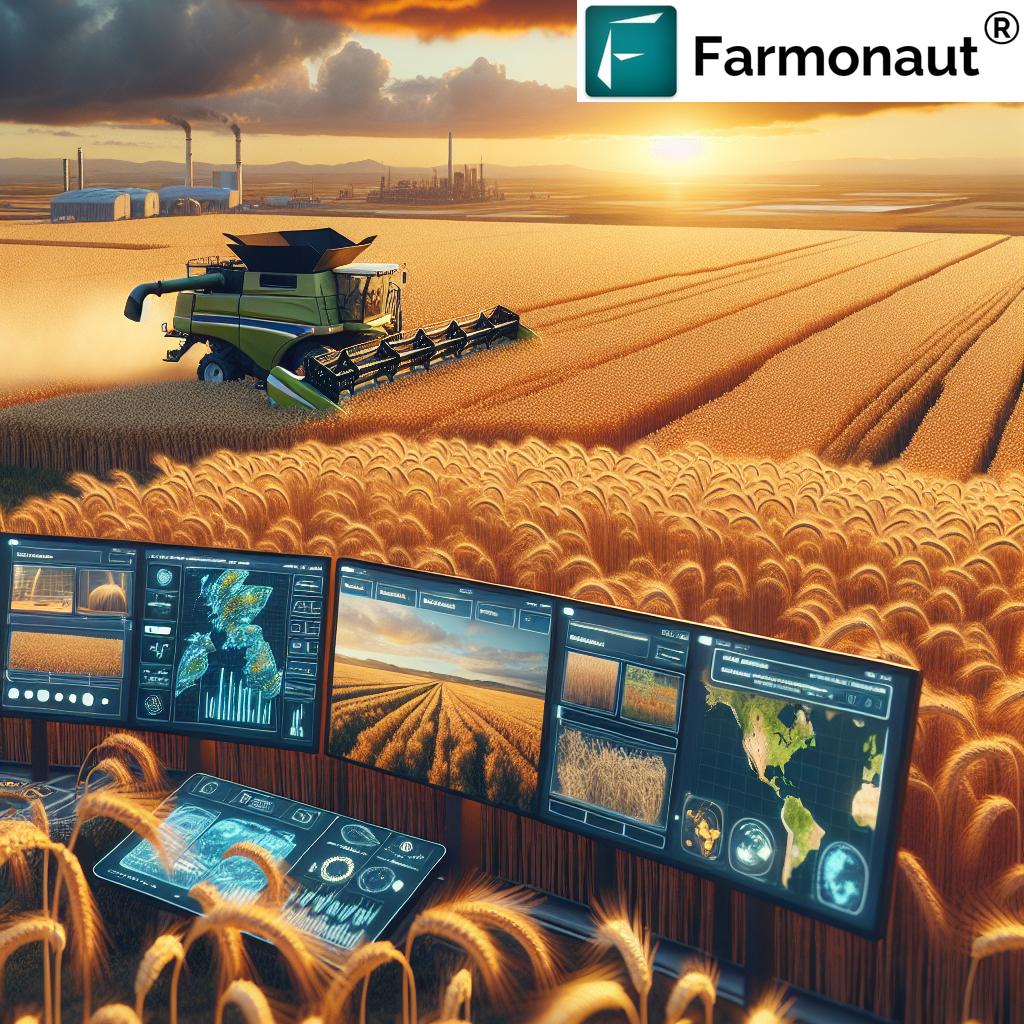
State-of-the-art drones, equipped with multispectral sensors and real-time satellite data, enable field-level targeting—delivering inputs exactly where and when needed. Farmonaut’s fleet management solutions (see more) help operators manage drone fleets and optimize application routes, maximizing precision and resource use.
Key benefits of crop dusting with drones and precision technology include:
- Precision Input Application: Only affected or at-risk zones receive treatment, minimizing environmental impact and reducing costs.
- Reduction in Pesticide and Fertilizer Usage: As highlighted in the trivia above, precision application can reduce pesticide use by up to 30%, supporting regulatory compliance and environmental stewardship.
- Improved Crop Health and Uniformity: Timely, targeted interventions lower disease and pest pressure—helping maintain consistent yields and meet market quality standards.
- Enhanced Safety: Precision, unmanned application protects workers from chemical exposure and allows operations even in areas difficult to reach by conventional machinery.
- Data-Driven Management: Aerial imagery and field monitoring power ongoing diagnosis and adjustment, accelerating response to evolving threats or nutrient needs.
Whether targeting fungal outbreaks in coffee plantations or delivering micronutrient sprays to maize or soybean crops, precision crop dusting ensures healthy plants and enhances productivity—a critical advantage as Brazil meets rising global demand for food in 2025.
To evaluate real-time changes in vegetation health and pinpoint needs for intervention, Farmonaut leverages AI-based advisories and satellite insights that empower both large-scale and family farmers across major regions.
Application Techniques and Best Practices for 2025
- Pre-Flight Data Analytics: Integrate geospatial and crop health data to map field variability and schedule targeted flights.
- Real-Time Adjustments: Drones and apps can shift rates or compositions on the fly, responding to current field needs.
- Minimized Drift: Precision spray nozzles, coupled with AI-guided flight paths, greatly reduce off-target impacts, thereby protecting natural habitats and beneficial insects.
Explore more on AI-driven field diagnostics and resource management APIs via Farmonaut API and API developer docs—designed for seamless solution integration in advanced AgTech architectures.
Benefits of Pesticide Use: Integrated Pest Management for Sustainable Crop Protection
In 2025’s landscape of global food security and resilient agriculture, the judicious use of pesticides remains an essential part of integrated crop protection systems. When combined with Integrated Pest Management (IPM), sustainable pesticide use balances yield protection with ecosystem health—critical in high-stakes farming regions like Brazil.
The Modern Role of Pesticides in Resilient Agriculture
- Preventing Significant Crop Losses: Pesticides help prevent major yield and economic losses caused by pests, especially under the increasing pressures of climate variability and invasive species.
- Supporting Consistent Crop Quality: High-value markets demand uniformity; proper management of pests ensures reliable harvests and strong export potential.
- Promoting Responsible Use: Modern pesticides in 2025 are formulated for reduced environmental persistence and targeted action, minimizing harm to non-target organisms when applied via precision dusting or integrated approaches.
- Reducing Resistance Development: Within IPM frameworks, pesticides are rotated with biological, cultural, and mechanical control practices, reducing the buildup of resistance in pest populations and enhancing long-term efficacy.
Implementing these strategies is especially important in Brazilian coffee plantations, where pests such as the coffee berry borer can devastate yields if left unmanaged. The benefits of pesticide use are fully realized when technology, data, and good stewardship converge.
Best Practices for Sustainable Pesticide Application in 2025
- Integrated Pest Management (IPM): Combine reduced-risk pesticides with crop rotation, biological control, resistant varieties, and precision scouting to minimize input use and environmental impact.
- Data-Driven Timing and Rates: Utilize monitoring and AI-based advisories (such as Farmonaut’s Jeevn system) to determine the optimal timing and minimum effective rates for intervention.
- Bio-Based Alternatives: Where applicable, use biopesticides—such as those derived from plant extracts or beneficial microbes—which are increasingly viable in 2025 via advances like peptide bio-pesticides.
- Legal Compliance & Traceability: Maintain records of application, comply with evolving regulations, and use blockchain-based traceability (see how) to ensure transparency through the entire food chain.
With these innovations and responsible management, the benefits of pesticide use in 2025 are maximized for both productivity and planetary health.
Comparative Benefits Table: Coffee Grounds, Precision Crop Dusting, and Sustainable Pesticide Use in Brazilian Agriculture (2025)
| Practice | Agronomic Benefit | Estimated Impact (%) | Environmental Benefit | Sustainability Score |
|---|---|---|---|---|
| Coffee Grounds in Soil | Soil Fertility, Organic Matter Improvement, Pathogen Suppression | Soil fertility +15% Organic matter +10% Yield +7% |
Reduces landfill waste, enhances soil health, supports carbon capture | High |
| Precision Crop Dusting | Pest and Disease Control, Targeted Fertilization, Uniform Crop Growth | Input use -25 to -30% Yield improvement +12% Pest losses -18% |
Reduces chemical drift, minimizes non-target impacts, saves water | Very High |
| Sustainable Pesticide Use | Pest Suppression, Disease Control, Consistent Crop Quality | Yield protection +15% Resistance buildup -20% Residue issues -40% |
Reduces unnecessary applications, supports IPM, preserves biodiversity | Moderate to High |
Empowering Resilient Agriculture with Satellite Technology in Brazil (2025 & Beyond)
In 2025, Brazil’s agricultural sector is one of the most dynamic in the world, merging traditional knowledge with cutting-edge technology. Our work at Farmonaut centers around making satellite-based monitoring, AI advisory, and blockchain tools accessible and affordable to every farmer, agronomist, or government agency seeking resource management solutions.
Highlights:
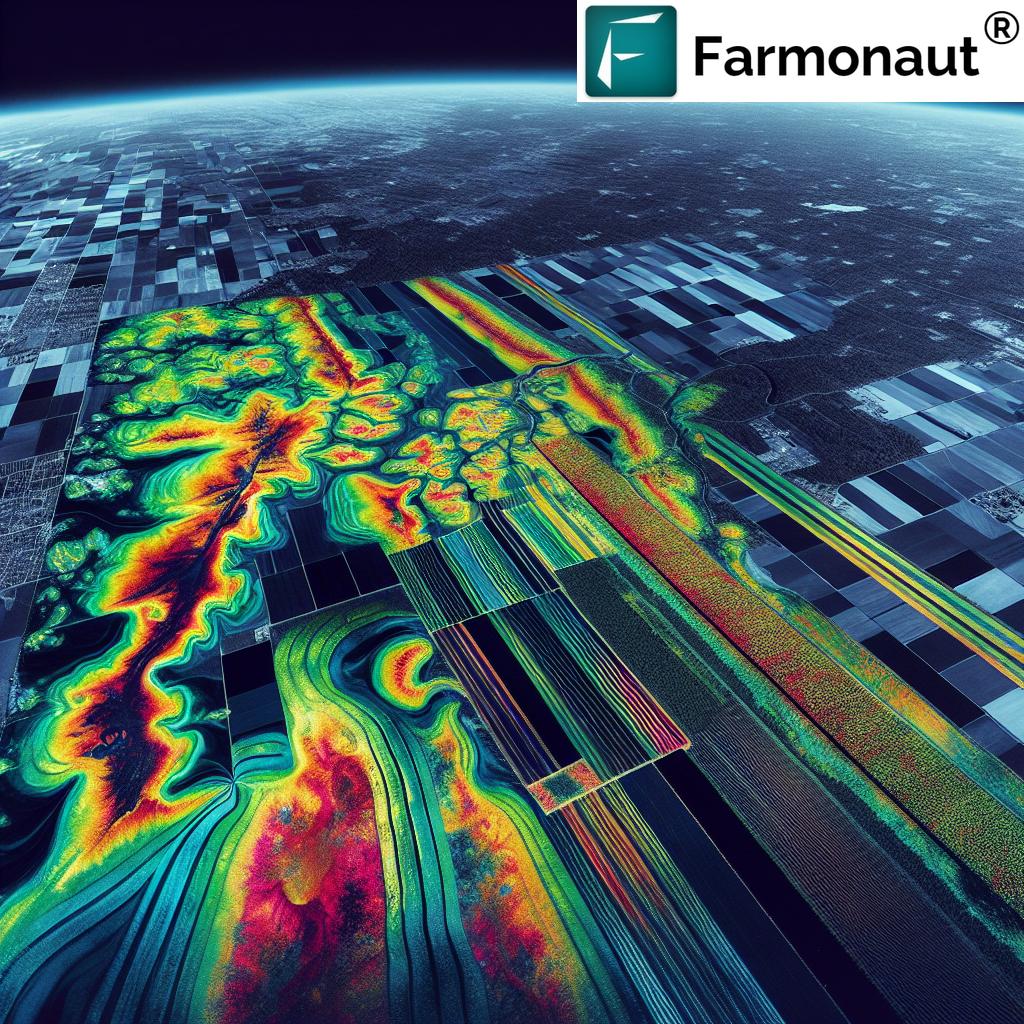
- Satellite Imagery: Monitor soil health, crop vigor, pest outbreaks, and moisture stress with field-level resolution, empowering on-the-ground decision-making.
- AI and Blockchain Integration: Support supply chain integrity (traceability), resource optimization, and operational efficiency across large and small farms alike.
- Fleet Management: Plan, monitor, and optimize drone-based crop dusting operations for the highest efficiency and lowest footprints (Fleet Management).
- Crop Loan and Insurance Verification: Satellite-verified documentation supports risk reduction and easier access to financing in the competitive Brazilian agricultural space (details).
FAQ: Sustainable Agriculture in Brazil 2025 & Beyond
- What are the main benefits of coffee grounds in soil for Brazilian farmers?
- They boost soil fertility, increase organic matter, suppress soil-borne pathogens, and promote healthy crops while recycling agricultural waste.
- How does soil conservation contribute to sustainable farming and productivity?
- Well-managed soils retain water better, minimize erosion, store organic carbon, and deliver consistent yields—crucial amidst climate change and market uncertainty.
- What makes precision crop dusting more sustainable than traditional spraying?
- Precision dusting with drones or guided aircraft reduces input use, minimizes non-target impacts, and ensures only necessary areas receive treatment—conserving resources and protecting biodiversity.
- Are pesticides still necessary for resilient agriculture in 2025?
- When integrated into IPM systems and applied judiciously, modern pesticides support reliable harvests and reduce the risk of widespread crop losses, particularly in regions battling persistent pest threats.
- How is technology like Farmonaut changing the future for Brazilian agriculture?
- Satellite platforms empower farmers to monitor soil and crop health in real time, optimize inputs, and build sustainable management plans based on data-driven insights.
- Where can farmers and agronomists access these digital tools?
- Explore the Farmonaut app (web | Android | iOS), API, and developer docs for scalable solutions.
Conclusion: Building Resilient, Sustainable Farming Systems in Brazil (2025 & Beyond)
The future of agriculture in Brazil—and worldwide—depends on the intelligent integration of sustainable practices that enrich our soils, safeguard our resources, and optimize production. As we’ve explored, the combined benefits of coffee grounds in soil, robust soil conservation, precision crop dusting, and judicious pesticide use are building blocks for resilient farming systems. From traditional composting wisdom to modern drone technology, these management strategies help us meet the growing food demand, preserve our planet’s resources, and secure a thriving future for communities, economies, and ecosystems alike.
At Farmonaut, we are committed to delivering the advanced, accessible satellite-driven insights that make this transformation possible for farmers, agronomists, and stakeholders across Brazil and beyond. Together, by harnessing technological innovations and grounded practices, we can achieve greater agricultural productivity with sustainability at its core.