

“By 2025, over 60% of Chilean farms use precision agriculture technologies to optimize crop yields and resource use.”
Agriculture in Chile 2025: Farming & Sustainable Growth
Agriculture in Chile stands at the crossroads of tradition and innovation as we move into 2025. Chile’s geography—ranging from the arid Atacama Desert in the north, through the fertile central valleys of Maule, O’Higgins, and Metropolitan regions, to the temperate rainforests of Los Lagos and Los Ríos in the south—creates a unique environment for varied farming activities. This exceptional diversity enables a wide variety of crops and sustains a crucial sector of Chile’s economy.
As a global leader in fruit exports, Chile’s agricultural sector remains dynamic in 2025, balancing traditional farming methods with the adoption of modern technology and a strong focus on sustainability. In this comprehensive overview, we will explore how agriculture in Chile is being transformed by climate, geography, and the increasing influence of technological innovation—helping farmers adapt to challenges like climate variability and resource scarcity.
Geographic & Climatic Influence on Agriculture in Chile
Chile’s long, narrow shape stretches across multiple climatic zones, each shaping the types of crops that can be cultivated. This extends from the Atacama region in the north to the Los Lagos and Los Ríos regions in the south.
- Atacama Desert & Northern Zones: The arid climate of the Atacama and Coquimbo makes farming challenging, but innovative irrigation (like drip irrigation) and drought-resistant crops allow for limited but high-value production, especially of table grapes and certain vegetables.
- Central Valley (Maule, O’Higgins, Metropolitan): This region is the nation’s agricultural heartland. Its fertile valleys, wet winters, and dry summers provide ideal conditions for vineyards, fruit orchards, and a variety of vegetable farming.
- Southern Regions (Los Lagos, Los Ríos): Abundant rainfall and cooler temperatures support forestry and dairy farming. The environment here is also ideal for berry production and high-quality livestock.
Geography creates not just diverse production zones, but also challenges, like water scarcity in the north and climate change-driven drought in the central areas. This diversity is what makes agriculture in Chile both fascinating and complex.

Key Crops, Products & Export Trends in 2025
In 2025, the agriculture of Chile continues to be propelled by a diverse range of crops suitable for both local consumption and international markets. The focus on export-oriented production remains a priority, especially as the nation capitalizes on its reputation as one of the top exporters of fresh fruit.
Fruit Exports: The Pillars of Chilean Farming
- Grapes: Both table and wine grapes are major commodities. The central regions of Maule, O’Higgins, and Metropolitan lead grape production. Chile is a top global supplier, exporting to America, Europe, and Asia.
- Apples: Predominantly grown in Maule, apples are exported fresh, supporting the local economy and providing jobs in rural communities.
- Cherries and Blueberries: The Los Lagos and southern zones have seen rising blueberry production due to favorable climate and high global demand. Chile’s cherries are now competing with the world’s best, reaching key Asian markets.
- Kiwis & Avocados: These fruits are grown mainly in central and northern regions, with kiwis particularly thriving in Maule and avocados in Coquimbo and Aconcagua.

Vegetable & Cereal Economies
- Wheat, Barley, and Corn: While not as heavily exported as fruit, grains support domestic consumption, especially in southern regions.
- Vegetable Farming: Main crops include potatoes (especially in Los Lagos), tomatoes, onions, and carrots. These are essential for the local diet and add to Chile’s agricultural diversity.
Wine Industry: Chile’s International Acclaim
Chilean wine continues to gain international acclaim due to the favorable climatic conditions of the country’s heartland. The industry is a key export pillar, consistently supported by investments in vineyard technology and high standards of production.
Livestock & Dairy Products
- Sheep & Cattle: Primarily raised in the southern regions, these animals contribute both to meat exports and local consumption.
- Dairy Farming: Los Lagos and surrounding zones are the epicenter, backed by genetics research and feed efficiency programs that raise both yield and product quality.
Farming in Chile: Innovation, Technology & Precision Agriculture
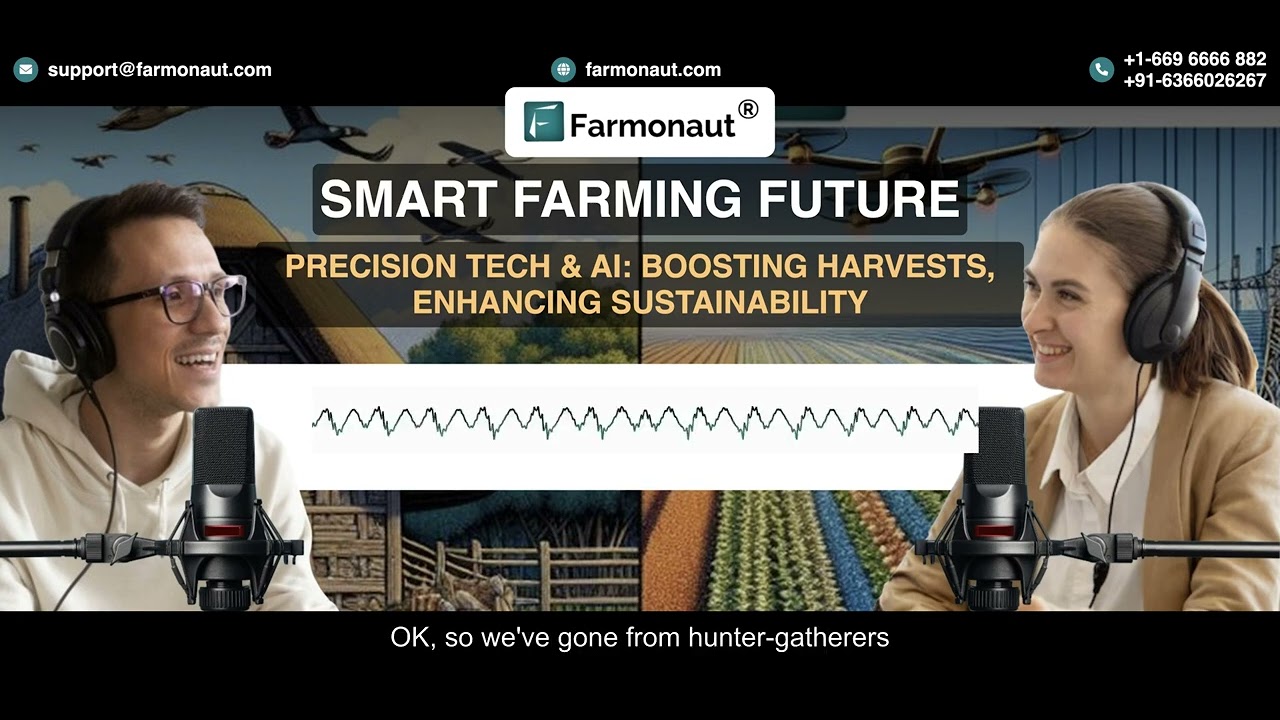
Agriculture in Chile in 2025 is at the forefront of technological transformation. The widespread adoption of precision agriculture is drastically improving efficiency, yield, and resource management across the country. With over 60% of farms integrating advanced tech (like remote sensing, satellite data, and IoT), Chilean farmers are better equipped to navigate environmental and social challenges.
- Drones & Satellite Imaging: These tools allow for accurate, real-time crop health monitoring, detection of pests, and optimization of irrigation. For instance, satellite-based large-scale farm management platforms can streamline plantation logistics and decision-making.
- IoT Devices: Real-time soil moisture sensors and environmental monitors improve water use efficiency and guide fertilization, minimizing waste.
- Automation: Increasing automation in planting and harvesting reduces labor demands and increases productivity, particularly for crops like grapes and apples.
- AI & Blockchain: Farm management systems—like Farmonaut’s Jeevn AI Advisory—leverage AI to generate personalized crop management insights, while blockchain technology helps track produce from field to fork, increasing supply chain transparency.




Whether accessed through app, web, or API and API Developer Docs,
these technologies are democratizing data-driven farming for both large agribusinesses and small farmers.
Sustainable Agriculture in Chile: Practices & Environmental Impact
Sustainability is now integral to agriculture in Chile. With climate-driven resource challenges, especially water scarcity and extreme weather, Chilean farmers are innovating to reduce their environmental footprint while increasing production.
Government programs and private investments promote:
- Organic Farming: More land is being transitioned to organic management, especially for fruit and wine, appealing to premium international markets.
-
Soil Health Programs: Adopting regenerative agriculture, no-till methods, and smart crop rotation to increase soil fertility and carbon sequestration.
Carbon footprint tracking solutions are now available, enabling farmers to measure and manage emissions and qualify for eco-labels. - Efficient Water Use: Broad adoption of drip irrigation and the construction of desalination plants, especially near agricultural hubs in central and northern zones, to compensate for scarce water resources.
- Sustainable Certification: Increasing numbers of forestry and farming operations are certified for sustainable practices, partly to serve high-value European and North American markets.

“Chile’s Central Valley produces 70% of the nation’s fruit exports, driven by climate-smart farming innovations in 2025.”
Agricultural Sectors, Regions & Comparative Table 2025
Regional specialization is a hallmark of agriculture chile. Below is a comprehensive comparison table showing how key crops are distributed, their estimated production, and the adoption of precision agriculture and sustainable practices across Chilean regions in 2025.
| Crop Type / Sector | Leading Regions | Est. 2025 Prod. (tons) |
Precision Agriculture Adoption (%) | Sustainable Practices Implemented (% of Farms) |
|---|---|---|---|---|
| Grapes (Table & Wine) | Maule, O’Higgins, Metropolitan | 1,200,000 | 68% | 62% |
| Apples | Maule, Bío-Bío, O’Higgins | 900,000 | 61% | 56% |
| Cherries | Maule, Metropolitan | 390,000 | 73% | 74% |
| Blueberries | Los Lagos, La Araucanía, Ñuble | 120,000 | 65% | 68% |
| Kiwis | Maule, O’Higgins | 47,000 | 58% | 63% |
| Avocados | Coquimbo, Valparaíso | 240,000 | 81% | 61% |
| Wheat | La Araucanía, Los Lagos, Bío-Bío | 1,000,000 | 65% | 59% |
| Corn | O’Higgins, Maule | 585,000 | 56% | 54% |
| Dairy | Los Lagos, Los Ríos | 2,030,000 | 64% | 71% |
| Forestry | Los Lagos, La Araucanía | Substantial – 2M+ (wood & pulp) | 47% | 50% (Certified Operations) |
Table Notes: Estimates are based on public data and 2025 projections for Chile’s key agricultural products. Percentages reflect integration of digital and regenerative agricultural practices.
Forestry in Southern Chile & Its Sustainable Growth
Forestry is a cornerstone of the southern Chilean economy—especially Los Lagos and La Araucanía. The sector is dominated by fast-growing species like pine and eucalyptus, supporting major wood, pulp, and paper exports.
- Sustainable Management: Over 50% of operations in 2025 are certified for sustainability, up from under 30% in 2020. Regulatory focus and international market pressure drive this upward trend.
- Technology Use: Satellite-based monitoring, carbon-footprinting tools, and precision forestry enhance yield and minimize negative environmental impact.
- Ecosystem Services: Forestry companies are increasingly encouraged to conserve native forests and support biodiversity.
Livestock & Dairy Farming: Trends and Future Directions
Livestock farming in Chile remains highly diversified:
- Cattle, Sheep, and Goats: Most extensively raised in Los Lagos and Los Ríos, benefiting from abundant rain-fed grazing lands and cooler climate.
- Sustainable Livestock Practices: Animal welfare, genetics improvement, and strategic rotation to reduce disease and optimize feed efficiency are key trends.
- Dairy Products: Dairy is a major sector—adopting advanced feed technologies, AI-driven monitoring (milk yield, health), and exporting high-quality milk products to global markets.
The increasing deployment of mobile and satellite-based livestock management and traceability facilities is helping reduce losses, ensure food safety, and support international certification.
Learn about blockchain-based product traceability for livestock supply chains.
How Farmonaut Empowers Chilean Agriculture
At Farmonaut, we are dedicated to making precision agriculture both accessible and affordable for the full spectrum of chile farming—from smallholder citrus growers in Coquimbo to large export vineyards in O’Higgins and Maule. Our solutions are tailored to support the nation’s unique geography, climate, and forward-thinking producers through:
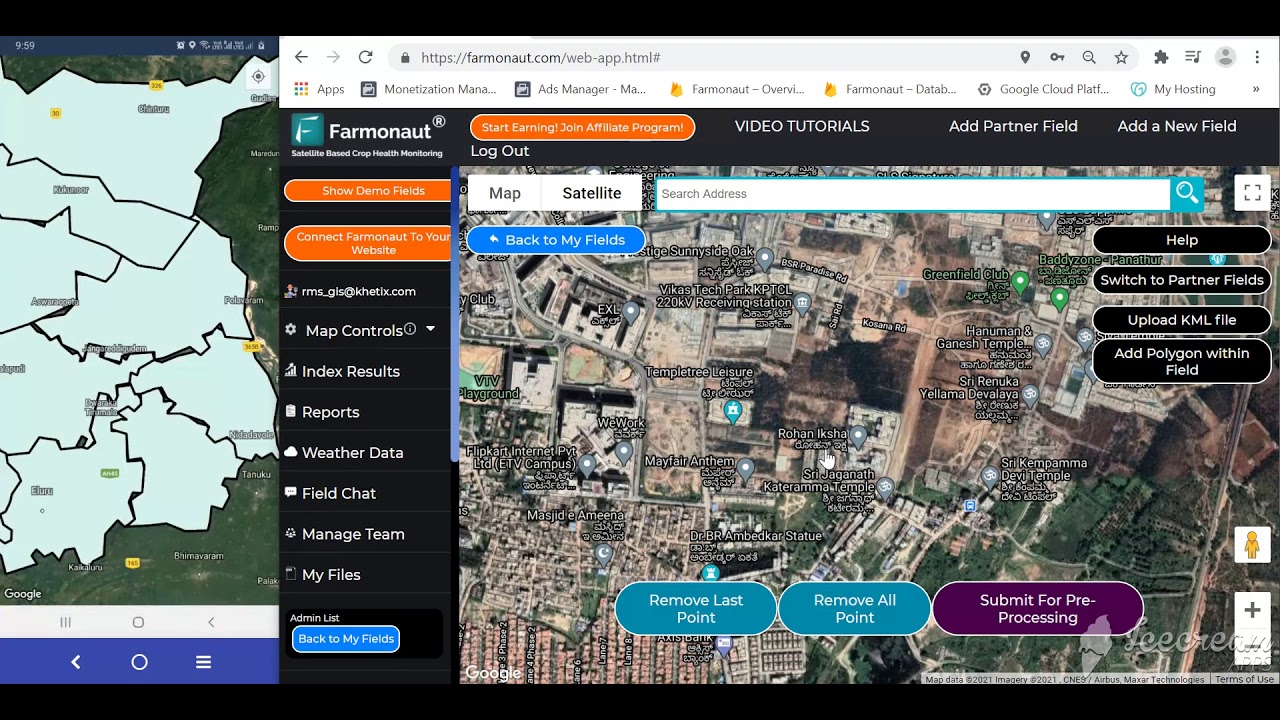
- Satellite-Based Crop Monitoring: We deliver real-time crop health analytics (NDVI, soil moisture, stress) to enable chilean farmers to make timely decisions regarding irrigation, pest, and fertilizer applications, enhancing both yield and sustainability.
- AI-Based Farm Advisory: Our Jeevn AI system provides personalized recommendations—weather forecasts, pest/disease alerts, and curated interventions—especially valuable in regions with high climatic variability.
- Blockchain Traceability: We strengthen international market access by ensuring the integrity and transparency of supply chains, which is vital for exporters targeting North America, Europe, and Asia.
- Resource Management: Our fleet and input resource management tools help producers reduce operational costs and improve environmental outcomes. Large agribusinesses and dairy cooperatives benefit from fleet management solutions that optimize vehicle use and track equipment across vast areas.
- Carbon Footprinting: For government and sustainability-minded operations, we offer carbon monitoring tools, supporting compliance and eco-certification.
Farmonaut platforms work across web, Android, and iOS apps (try our web portal or mobile apps above), and via API for developers and research institutions.
Explore satellite-based verification for crop loans & insurance—accelerate finance access while reducing fraud.
Our mission remains the democratization of precision farming and the acceleration of climate-smart agriculture in the region.

Major Challenges & Future Outlook for Chile Farming
While agriculture chile remains resilient and innovative, the sector faces ongoing environmental and social challenges:
- Climate Change: More frequent droughts, water scarcity, and unpredictable weather patterns threaten stability in key regions and crop yields.
- Water Resources: Central and northern zones depend on smart irrigation and investments in desalination to compensate for scarce water resources.
- Labor Shortages & Rural Depopulation: Migration to urban areas and low population retention in rural communities increase reliance on automation and digital tools in farming.
- Market Volatility & Trade: Continuing to diversify crops, solidify international trade agreements, and improve product traceability will be key to maintaining Chile’s status as a reliable exporter.
- Environmental Regulations: Adapting to new sustainability standards—domestically and worldwide—requires ongoing investments in monitoring, clean technologies, and certified practices.
The Road Ahead: Resilience, Diversification & Technological Progress
- Diversification: Growers are exploring less traditional crops, agroforestry systems, and sustainable livestock integration to reduce risk and capitalize on emerging niche markets.
- Adoption of Climate-Smart Technologies: From AI-driven farm management to real-time carbon footprinting, Chile is positioning itself as a global model for tech-enabled, climate-resilient agriculture.
- Policy and Financial Stability: Innovation-friendly government policies, stable investment in R&D, and better farmer access to insurance and finance are set to propel the agricultural sector forward.
FAQ: Agriculture in Chile 2025
Q1: What are the main agricultural regions in Chile?
The central valley—including Maule, O’Higgins, and Metropolitan—acts as the agricultural heartland for grapes, fruits, and wine. The north (Atacama, Coquimbo) grows drought-tolerant crops, while the south (Los Lagos, Los Ríos) supports berries, dairy, and forestry.
Q2: What are the top export crops from Chile in 2025?
Grapes, apples, cherries, blueberries, kiwis, and avocados are top export crops. Chilean wine also remains a globally acclaimed export product.
Q3: How is technology changing farming in Chile?
Technology—drones, satellite imaging, IoT, and AI—is revolutionizing farming in Chile. Over 60% of farms use precision agriculture to optimize yields, reduce inputs, and adapt to climate challenges.
Q4: What challenges does Chilean agriculture face today?
Key challenges include climate change, water scarcity (especially in the north and central zones), market volatility, and labor shortages due to rural depopulation.
Q5: Where can I access precision agriculture tools for Chile?
Farmonaut provides affordable, satellite-based crop monitoring, AI advisory, and blockchain traceability tools through web and mobile apps, or API.
Conclusion: The Future of Agriculture in Chile is Diverse, Innovative & Sustainable
Agriculture in Chile in 2025 is defined by its diverse landscapes, global market orientation, and commitment to sustainability. As the country leverages high-tech precision agriculture, carbon tracking, organic methods, and advanced resource management, it sets a standard for innovation and adaptability in a world facing environmental and economic upheaval.
Key crops—grapes, apples, cherries, blueberries, kiwis, avocados—continue to power exports, while cereals, vegetables, livestock, and forestry remain essential pillars of both local consumption and international trade. Cutting-edge technology, such as Farmonaut’s data-driven solutions, empower all stakeholders—from smallholder farmers to large agribusinesses—to maximize yields, minimize resource use, and enhance traceability.
Ultimately, Chile’s agricultural sector remains resilient and forward-looking, balancing traditional methods with bold innovation to ensure a sound, sustainable future for farmers, communities, and consumers everywhere.
Discussion
Questions, corrections or field experience? Share them below. First-time comments are reviewed before they appear, and your email is never published.
No comments yet. Be the first to add a question or your experience.

 SkyHarvest
 Sarvome
 Polaris Digitech
 Teledarbas
 Wild Oak Farm
 SFX
SFX BACF Africa
 Doodlakine
 Exurbia Geospatial
 FieldZero
 Indico Company
 Kubota
 FFBS
FFBS Jontra
