Better Climate Challenge: California Water Management Solutions (2025 Guide)
Table of Contents
- Introduction: The Better Climate Challenge in California
- Water & Agriculture in California: Fast Facts
- Current Challenges in Agriculture
- California Water Management Challenges
- Drought, Climate Change & Impact on Crop Resilience
- Climate-Smart, Sustainable Water Management Solutions
- California Water Management Challenges & Climate-Smart Solutions Comparison Table
- Technological Innovations: Transforming California Agriculture
- Leverage Satellite Technology for Smarter Agriculture (Farmonaut)
- Policies, Incentives & A Resilient Future
- Frequently Asked Questions (FAQ)
Introduction: The Better Climate Challenge in California
The Better Climate Challenge is more than just a slogan—it’s a necessary call to action for transforming California agriculture as we face water scarcity, climate-induced shifts, and unprecedented constraints. As 2025 approaches, California—a vital agricultural hub—not only for the United States but also for global food security and economic stability, stands at a crossroads. The convergence of climate-triggered drought, reduced water availability, and regulatory changes makes addressing california water management challenges essential to ensure a resilient, sustainable and equitable future for agriculture and communities alike.
Why Focus on the Better Climate Challenge?
- Nearly half the fruits, nuts, and vegetables consumed across the United States are produced in California.
- This rich sector supports local communities, feeds national and global supply chains, and sustains economic stability.
- Persistent drought, shifting weather patterns, and groundwater depletion increasingly threaten crop yields and long-term viability.
- New innovative water management solutions and climate-smart agricultural practices are required to build resilience and secure California’s food future.
Water & Agriculture in California: Fast Facts
Current Challenges in California Agriculture
Understanding the current challenges in agriculture offers essential context for meeting the better climate challenge in California. The state’s agricultural sector is characterized by:
- Climate Change Pressures:
- Rising temperatures and erratic weather are common, leading to reduced crop yields and escalating pest pressures.
- Heatwaves and shifts in planting seasons threaten the stability of farming communities.
- Unpredictable rainfall patterns have led to disrupted planning and increased risk for farmers.
- Water Scarcity:
- Reservoir levels have plummeted, and groundwater reserves are dangerously depleted.
- Regulatory restrictions on water usage have tightened.
- Overdrafting of groundwater results in land subsidence and deteriorating water quality.
- Economic & Social Challenges:
- Production risks are heightening; traditional irrigation methods are becoming unsustainable.
- Small and mid-sized farms face greater vulnerability to climate shocks and regulatory penalties.
This confluence of factors requires the state’s agricultural sector to rethink practices—not only to address the immediate crisis but to prepare for a sustainable and resilient future.
Key Drivers Behind the Better Climate Challenge
- Drought Frequency: Persistent, severe droughts have become the norm instead of the exception.
- Water Allocation: Increasing competition between urban needs, agricultural usage, and ecosystem preservation.
- Regulatory Constraints: Tightened state laws on water extraction and usage to prevent further resource depletion.
- Depleted Infrastructure: Outdated systems unable to efficiently distribute and store water for farming.
- Socioeconomic Barriers: Smallholder farmers struggle with financing modernization and remain at higher risk from climate shocks.
California Water Management Challenges in 2025
California water management challenges are among the most pressing in global agriculture. Tackling them is crucial for ensuring supply meets demand—now, and for future generations.
Defining the Issue: Water Scarcity and Allocation
- The state must balance agricultural needs with growing urban and ecological preservation requirements.
- Decisions on allocation pit farm operations against city dwellers, often leaving farmers with inadequate water during critical growing periods.
- Groundwater overdrafting has long filled supply gaps—but now causes land subsidence and salinity issues, threatening future crop health.
- Infrastructural inefficiencies: Decades-old systems struggle under new climatic pressures and shifting regulations.
- The confluence of drought, reduced reservoir levels, elevated temperatures, and regulatory constraints accelerate the need for innovative water management solutions.
Addressing these challenges is essential for transforming California’s agriculture sector and for ensuring food security at the state, national, and global scales.
Drought, Climate Change & Impact on Crop Resilience
California’s agricultural sector is uniquely vulnerable to drought and climate change, with far-reaching consequences for crop resilience and long-term economic health.
Key Environmental Stressors
- Drought Frequency & Severity: Persistent drought periods lead to drastically reduced water availability, affecting traditional irrigation methods and relying heavily on groundwater extraction.
- Erratic Weather Patterns: Rising temperatures, unpredictable rainfall patterns, and heatwaves create new pressures by altering planting seasons, reducing yields, and increasing pests.
- Infrastructure Stress: Outdated systems struggle to support farmers’ needs during peak growing periods.
- Groundwater Depletion: Longstanding dependence has dangerously depleted reserves and compromised water quality for both agriculture and communities.
How These Factors Threaten California’s Food and Economic Security
- Lower crop yields affect both the local and national food supply.
- Risks to livelihoods of farmers and agro-based communities increase as production becomes less predictable.
- Food price volatility and supply chain disruptions impact not only California but also the broader United States and global chains.
The defining issue today is adapting to these challenges while building a foundation for enduring sustainability and resilience in the face of escalating climate threats.
Climate-Smart, Sustainable Water Management Solutions
Meeting the better climate challenge will require integrated management strategies that address both acute and chronic challenges, while ensuring long-term food security and ecological resilience.
1. Precision Irrigation Systems
- Drip and Subsurface Irrigation: Direct water to plant roots for maximum efficiency, drastically reducing water usage compared to traditional methods.
- AI-Driven Sensors: Smart systems monitor soil moisture and weather, enabling real-time adjustments. This technology can boost crop yields while avoiding waste, making it an essential solution for water-scarce periods.
- Explore large-scale farm management with Farmonaut to optimize irrigation schedules, track crop health, and boost productivity using satellite & AI tools.
2. Regenerative Agriculture Techniques
- Cover cropping, crop rotation, and agroforestry improve soil health, increase carbon sequestration, and enhance water retention.
- Healthier soil acts as a “sponge” that holds more water and nutrients, supporting plants through drought.
- Regenerative methods help build a more climate-resilient agriculture sector.
- Track soil health and carbon balance using Farmonaut’s Carbon Footprinting tool—enhancing both yields and sustainability.
3. Modern Water Storage, Conveyance, and Recharge Infrastructure
- Rebuilding reservoirs, canals, and conveyance systems for improved efficiency is critical for dependable water availability.
- Groundwater recharge projects store excess flow during wet years to offset dry spells—a crucial buffer against unpredictability.
4. Decentralized Water Recycling & Rainwater Harvesting
- Recycling on-farm greywater for irrigation, and capturing rainwater for direct or future use, offers additional buffers in times of scarcity.
- These solutions are especially accessible to mid-sized and smallholder farms.
5. Digital Data & Decision Support Systems
- Leveraging real-time satellite monitoring and AI-powered analytics can revolutionize irrigation, pest management, and drought adaptation.
- Discover the power of AI advisory with Farmonaut’s Jeevn AI for crop and plantation advisory, allowing users to get timely, satellite-driven, customized strategies.
6. Blockchain-Based Traceability for Transparency
- Enhancing supply chain transparency with blockchain helps identify inefficiencies and fosters trust in sustainable practices.
- Farmonaut Traceability Solutions offer blockchain-powered records of cropping, watering, and resource management, protecting both producers and consumers.
7. Insurance and Financing Tools
- Risk-mitigation via satellite-driven loan verification and insurance claims enables farmers to withstand climate shocks.
- Farmonaut’s Crop Loan & Insurance Verification reduces fraud and expedites claim processing for agricultural support in drought and flood scenarios.
California Water Management Challenges & Climate-Smart Solutions Comparison Table
| Water Management Challenge | Estimated Impact on Agriculture | Climate Impact | Sustainable Solution | Estimated Outcome |
|---|---|---|---|---|
| Drought Frequency | 15-35% reduction in crop yields | Linked to shifting rainfall & higher temperatures | Precision irrigation, drought-resistant crops | Up to 30% water savings, 10-20% higher yields |
| Groundwater Overdraft | Land subsidence, declining water quality | Exacerbated by persistent extraction amid climate change | Groundwater recharge, monitoring, AI-driven scheduling | Stabilized groundwater tables, reduced losses |
| Infrastructure Inefficiency | 10-20% water loss during transfer, inequality in distribution | Enhances vulnerability during extreme climate events | Modernized storage & conveyance, decentralized water recycling | Greater reliability, equity, up to 20% reduction in system loss |
| Regulatory Constraints | Limits water use in critical periods, higher compliance costs | Driven by the need to preserve resources amid climate shifts | Policy incentives for efficient tech adoption, blockchain traceability | Reduced compliance burden, improved regulatory transparency |
| Soil Degradation | Lower yields, increased need for irrigation | Aggravated by heat and changing weather patterns | Regenerative agriculture, carbon tracking, cover cropping | Up to 25% improvement in water retention and crop resilience |
| Information Gaps | Poor resource allocation, untimely interventions | Limits climate change adaptation efforts | Satellite monitoring, AI-based decision tools | Data-driven, real-time resilience building |
Technological Innovations: Transforming California Agriculture
California’s farming sector stands to benefit substantially from innovative technologies—especially as water management challenges intensify and climate variability increases. Key trends include:
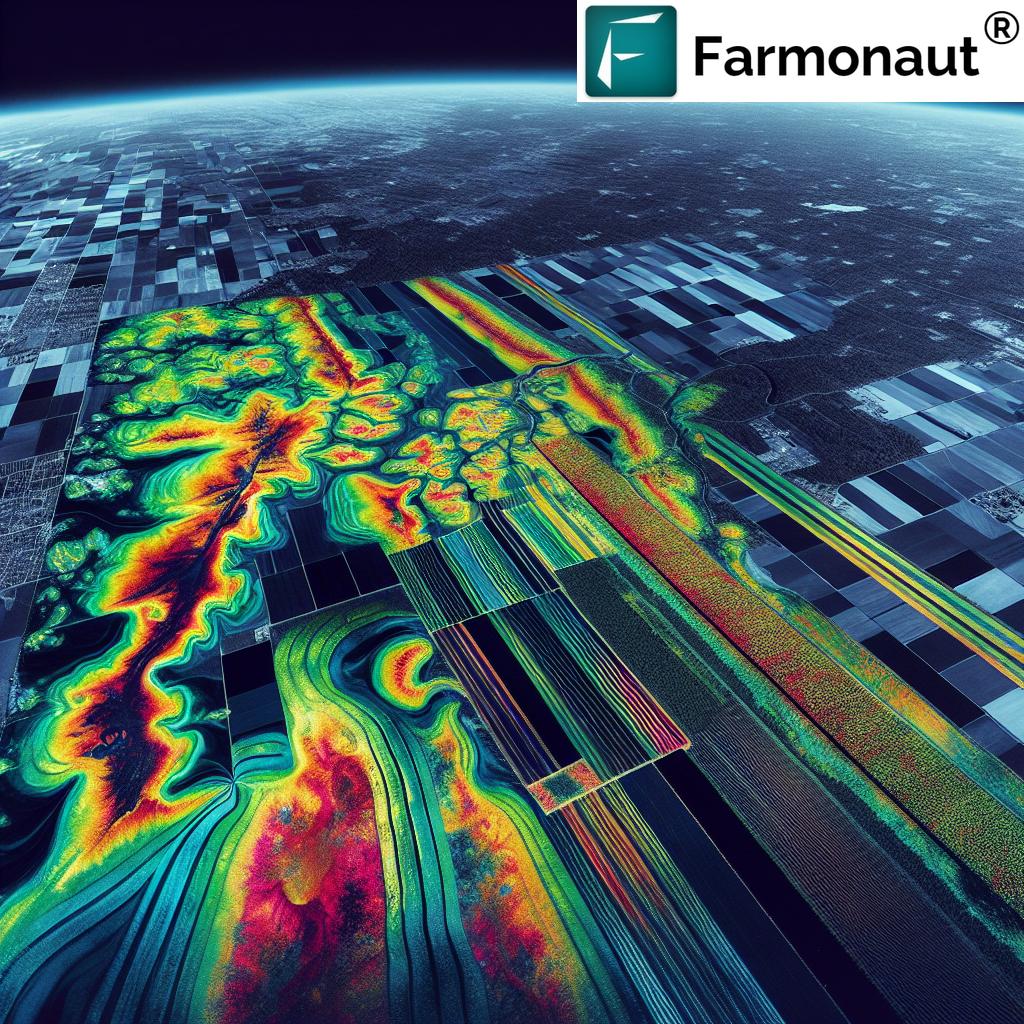
- Real-time Satellite Surveillance: Allows for targeted irrigation, early detection of pests, and precise fertilizer application.
- AI-Backed Advisory Systems: Enable quick adaptation to unpredictable weather by analyzing vast data and providing practical on-ground insights.
- Blockchain for Transparency: Ensures traceability throughout the supply chain, creating reliable records on water use, crop input, and yields.
-
Farmonaut Fleet Management
tools support agricultural logistics—optimizing machine usage, vehicle safety, and sustainable resource allocation even under climate constraints. -
Farmonaut API Access
offers developers and agriculture businesses seamless integration of satellite, irrigation, and resource data directly into their own management systems.
Leverage Satellite Technology for Smarter Agriculture (Farmonaut)
To meet the better climate challenge, California farmers are increasingly turning to advanced data and satellite solutions to enhance resilience, optimize irrigation systems, and ensure sustainable farming practices.
We at Farmonaut are committed to delivering affordable and accessible satellite technology—empowering businesses, individual farmers, and governments to thrive amidst climate uncertainty. Our core features include:
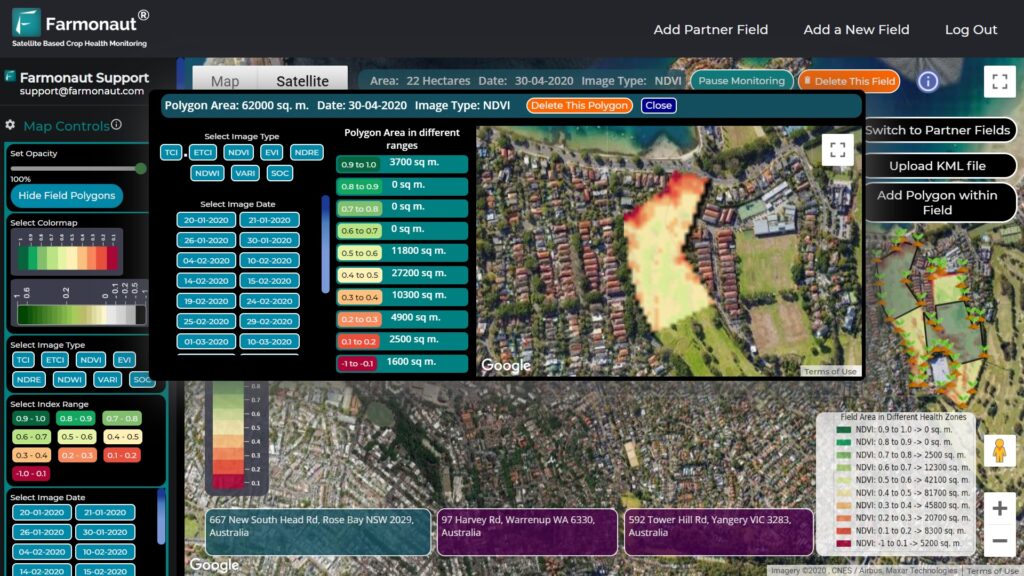
- Satellite-Based Monitoring: Get real-time insights into crop health (using NDVI and other indices), soil moisture, and operational risks.
- Jeevn AI Advisory: Enables instant weather forecasting and strategic, data-driven actions for both crop and resource management.
- Blockchain Traceability: Transparent and secure documentation for entire food production chains—from planting to harvest to distribution.
- Environmental Impact Monitoring: Track carbon footprint and make quantifiable improvements across agricultural operations to achieve net-zero goals.
- Fleet Management: Monitor usage, fuel, and logistics for agricultural machinery to reduce costs and improve efficiency.
For developers and large operations, our API developer docs offer robust integration paths—enabling seamless delivery of actionable insights into any enterprise system.



Policies, Incentives & A Resilient Agricultural Future
The better climate challenge cannot be won by technology alone. Government policies, public-private incentives, and community-based resource management are all crucial to building long-term sustainability in California agriculture.
Policy Steps for 2025 & Beyond
- Expand Funding: Increase state and federal support for infrastructure modernization, groundwater recharge, and farm-level innovation.
- Encourage Tech Adoption: Provide grants, low-interest loans, or rebates for sustainable irrigation technologies and climate-smart operational upgrades.
- Adapt Regulations: Streamline water-use policies, prioritize equitable water sharing, and incentivize ecosystem preservation along with agricultural production.
- Promote Collaboration: Foster dialogue across agencies, districts, and grower groups to implement region-specific solutions paired with digital monitoring tools.
Ensuring a Sustainable, Equitable Food Future
- Access to real-time data, transparent records, and evidence-backed recommendations empowers all farmers to participate in sustainable practices.
- Supporting smallholder operations with affordable tech—and tools like Farmonaut—can close information and opportunity gaps, ensuring no producer is left behind amid climate threats.
Frequently Asked Questions (FAQ): California Water Management & the Better Climate Challenge
1. What is the “Better Climate Challenge” in California agriculture?
The Better Climate Challenge represents a focused, collective effort to transform California’s agricultural sector amid escalating water management challenges, with the goal of increasing crop resilience, ecological sustainability, and food security as climate change intensifies.
2. Why does California face such intense water management challenges?
Multiple factors—including persistent drought, depleted groundwater reserves, outdated infrastructure, and rising demand from both urban areas and farming—make balancing supply and demand a critical challenge for policymakers and the agricultural sector.
3. How is climate change impacting crop production and resilience?
Warmer temperatures, erratic rainfall, and frequent droughts reduce yields, introduce more pests, and force unpredictable changes in planting/harvest cycles—pushing traditional farming practices to their limits. Climate impacts also increase the risks facing small and medium-scale producers.
4. What sustainable solutions exist for improving water management in California?
Options include precision irrigation (drip/subsurface), regenerative agriculture (cover cropping, agroforestry), water recycling, expanded data monitoring (satellites, sensors), blockchain-based traceability, and policy-driven incentives for tech adoption and water-use efficiency.
5. How can technology such as Farmonaut help?
We at Farmonaut provide real-time satellite imagery, AI-based decision support, blockchain for product traceability, and digital tools for monitoring crops, soil health, water use, and fleet management. This suite is designed to make high-tech, data-driven agriculture accessible and affordable for all stakeholders in California’s food supply chain.
6. Where can I access Farmonaut tools or more resources?
Conclusion: Transforming California Agriculture for the Better Climate Challenge
The coming years will define whether California can continue to be a vital agricultural powerhouse while facing unprecedented water management challenges amid climate change. By addressing the better climate challenge with advanced technology, regenerative practices, equitable policy frameworks, and persistent innovation, the state can ensure crop resilience, economic stability, and global food security for generations. The actions taken today—at every farm, in every field, and within every agency—will shape a sustainable tomorrow.
We encourage all stakeholders to embrace digital transformation, leverage data-driven insights, and actively participate in crafting a sustainable, climate-smart future for California agriculture.