

Restoration Agriculture: 7 Restorative Farming Methods 2026
- Introduction: The Imperative for Restoration Agriculture in 2026 and Beyond
- Core Concept & Goals: Restoration Agriculture at the Intersection of Productivity and Resilience
- 7 Restorative Farming Methods for 2026 (Comparative Table Included)
- How Restoration Agriculture Enhances Ecosystem Services & Farm Profitability
- Relevance Across Key Sectors: Agriculture, Forestry, Mining, and Planning
- Economic & Policy Considerations for Restorative Agriculture
- Implementation Roadmap: Step-by-Step Restoration Agriculture Development
- How Farmonaut Supports Restorative Farming & Forest Restoration in 2026
- FAQ: Restoration Agriculture & Scalable Restoration Solutions
- Conclusion: The Pathway to Resilient, Profitable, and Sustainable Landscapes
“Restoration agriculture can increase on-farm biodiversity by up to 50% compared to conventional monoculture systems.”
“Agroforestry methods in restoration agriculture sequester up to 9.2 tons of CO₂ per hectare annually.”
Introduction: The Imperative for Restoration Agriculture in 2026 and Beyond
The future of agriculture and land stewardship faces intensifying challenges: soil degradation, biodiversity loss, climate uncertainty, and volatile markets threaten not only yields but also the health of our ecosystems and communities. In 2026 and the years ahead, restoration agriculture rises as a transformative, holistic approach at the intersection of ecological resilience and productive farming. Unlike extractive or short-term practices, this methodology fuses the productivity of modern agriculture with the wisdom and sustainability of natural ecosystems, delivering a practical pathway to restore degraded landscapes while providing food, fiber, and livelihoods.
Critically, restoration agriculture development bridges farming, forestry, and land reclamation. It offers scalable methods to reconnect soil health, water cycles, biodiversity, and profitability—all adapted for diverse climates and local markets. In what follows, we’ll explore the principles, the core 7 restorative farming methods, real-world relevance, and steps to implement this regenerative revolution for a thriving 2026 and beyond.
Restoration agriculture methods are designed not just to produce higher yields, but to enhance long-term ecosystem services—from climate resilience and carbon sequestration to pollinator support and cleaner water.



Start Monitoring Your Land & Crops Remotely: Access Farmonaut’s satellite-based insights to understand soil health, vegetative cover, and restoration progress from your device, anywhere.

Core Concept & Goals: Restoration Agriculture at the Intersection of Productivity and Resilience
At the heart of restoration agriculture lies a holistic approach to reclaiming degraded land and rebuilding soil health. This paradigm blends perennial trees, shrubs, woody understory, and annual crops in robust, diverse systems. The aim? To not only generate higher, more stable yields, but to provide vital ecosystem services—from carbon sequestration and biodiversity support to cleaner water and climate resilience.
- Integrating species across layers (canopy, sub-canopy, shrubs, groundcovers) reduces erosion, improves nutrient cycling, and enhances microclimates.
- Rotational and polycultural practices disrupt pest and disease cycles, lowering external input needs.
- Systems deliver not only food but also fiber, medicinal products, timber, and livelihoods.
Design priorities include adapting to local soils, climates, markets, and building scalable solutions—from on-farm row-cropping with woody elements to community-managed forest mosaics.
Restoration agriculture systems work best when they evolve with ecological monitoring. Satellite platforms like Farmonaut enable farmers to track soil, water, and vegetative health—helping diversify outputs and minimize risks.

7 Restorative Farming Methods for 2026 (Comparative Table Included)
The foundation of successful restoration agriculture development is a portfolio of restorative farming methods, each adapted for different landscapes, needs, and socio-economic contexts. Let’s explore the most impactful seven, their benefits, and how they compare:
| Restorative Method | Estimated Soil Health Improvement (%) | Biodiversity Increase (%) | Climate Resilience Score (1–10) | Typical Crop Yield Impact (%) |
|---|---|---|---|---|
| Agroforestry (trees + crops) | 35–60% | 35–50% | 9 | +12–38% |
| Perennial Polycultures | 30–58% | 30–45% | 8 | +10–26% |
| Cover Cropping (incl. legumes) | 25–41% | 18–26% | 7 | +8–23% |
| Silvopasture (trees + livestock) | 32–56% | 25–43% | 9 | +14–40% |
| Minimal Tillage + Biochar | 24–39% | 12–19% | 7 | +7–15% |
| Water Stewardship (swales, contour planting) | 16–28% | 8–12% | 10 | +3–8% |
| Ecological Pest Management / Biodiversity Strips | 14–23% | 25–37% | 7 | +5–14% |
Integrating multiple restorative methods can result in compounded ecosystem service benefits, further building system resilience and long-term profitability.
- 🌳 Agroforestry: Combining trees with crops for soil restoration and diversified yields.
- 🌾 Perennial Polycultures: Layering canopy, shrubs, and groundcovers for erosion control and year-round production.
- 🌱 Cover Cropping: Using legume and biofertilizer species to feed soil and suppress weeds.
- 🦌 Silvopasture: Integrating livestock, woody understory, and trees for nutrient cycling.
- 🔥 Minimal Tillage + Biochar: Building microbial matter and humus while cutting carbon loss.
- 💧 Water Stewardship: Swales, contour planting, and rainwater harvesting to enhance infiltration and reduce drought risk.
- 🐞 Ecological Pest Management: Creating biodiversity strips to attract beneficial insects and disrupt pest cycles.

How Restoration Agriculture Enhances Ecosystem Services & Farm Profitability
The measurable benefits of restoration agriculture ripple across the environment and agricultural economy, creating regenerative systems that far outpace conventional monocultures. Key services and outcomes include:
- ✔ Soil Health: Rapid rebuild of organic matter, improved nutrient cycling, and higher moisture retention.
- ✔ Biodiversity: Enhanced habitat for wildlife, more pollinators, and reduced pest + disease outbreaks.
- ✔ Climate Resilience: Stabilizes yields through drought-resistant plantings and robust root networks.
- ✔ Water Management: Swales and groundcovers reduce runoff and support cleaner water.
- ✔ Market Stability: Mixed cropping stabilizes revenue across seasons and reduces risk of price shocks.
- ✔ Carbon Sequestration: Tree-based systems capture and store CO₂, supporting compliance and carbon credits.
🔗 Explore crop, plantation & forest advisory tools: Farmonaut’s advisory platform delivers tailored restoration and farm planning insights using satellite and AI data for enduring results.

Adopting only one restoration practice in isolation may not yield optimal resilience. Integrated system design is essential for lasting restoration and consistent profits.
Relevance Across Key Sectors: Agriculture, Forestry, Mining, and Planning
In 2026, restoration agriculture stands out for its broad relevance—from on-farm production to forest restoration, mining land reclamation, and infrastructure planning. Here’s how it makes an impact:
1. Agriculture & Farming
- Restoration agriculture reduces input costs via improved soil fertility, less chemical need, and natural pest regulation.
- Farmers access new revenue streams through perennial crops, forest products, and value-added goods like nuts and medicinal herbs.
- Mixed-species systems lower risk from crop failure and price volatility.
Track every field and crop’s progress: Farmonaut’s large-scale farm management tools (learn more) give managers and agronomists a satellite-driven dashboard for real-time monitoring and operational efficiency.
2. Forestry & Forest Restoration
- Promotes active silvicultural planning and natural regeneration for timber as well as non-timber products.
- Increases watershed function, protects local biodiversity, and delivers robust ecosystem services.
- Agroforestry mosaics stabilize landscapes threatened by drought or erosion.
Need to plan and optimize forest restoration efforts? Farmonaut’s carbon footprinting module enables forests, projects, and enterprises to measure sequestration, improve sustainability, and document results for investors or regulators.
3. Mining & Minerals Reclamation
- Accelerates soil formation on heavily degraded, post-mined landscapes.
- Stabilizes slopes, prevents erosion, and restores vegetation for safer, long-term re-use.
- Rebuilds ecosystem services (like pollinator habitat) while allowing for future multi-use (grazing, forestry, conservation).
For mining site monitoring, Farmonaut’s fleet and equipment management tools help track restoration progress and manage assets more efficiently.
4. Infrastructure/Land-Use Planning
- Restorative frameworks inform green infrastructure design (multi-use corridors, bioswales, living barriers).
- Help projects align with climate adaptation, policy, and stakeholder goals while meeting regulatory benchmarks.
Integrate land monitoring via Farmonaut’s environmental impact solutions for smarter, climate-resilient project planning supported by satellite, AI, and blockchains.
Restoration agriculture systems are proving attractive to impact investors and carbon markets seeking traceable, scalable models for ecosystem service payments. Data-driven, satellite-verified projects are positioned for rapid growth in 2026.

Economic & Policy Considerations for Restorative Agriculture
- Profit Drivers: Diversified yields (annual + perennial crops), organic and specialty markets, carbon credits, and value-added products such as grafted fruit, nuts, and medicinal extracts.
- Policy Supports: Soil health incentives, ecosystem service payments, and regenerative agriculture subsidies drive wider adoption.
- Data and Metrics: Soil organic matter, rainfall-use efficiency, biodiversity indices, carbon sequestration rates, and farmer income stability are crucial to evaluate.
- Resource Monitoring: Satellite-based solutions (like Farmonaut’s APIs—learn more) automate and authenticate data collection for loans, insurance (Crop Loan & Insurance), and market certification.
As governments and buyers demand traceability and carbon accountability, restorative farming stakeholders will benefit from data-driven compliance. Farmonaut’s traceability modules help meet these rising standards, strengthening business credibility.

Restoration agriculture systems are projected to play a critical role in meeting international net zero and biodiversity targets by 2030.
Implementation Roadmap: Step-by-Step Restoration Agriculture Development
To realize the full potential of restoration agriculture, farmers, land managers, and local policymakers should follow a deliberate, phased approach:
-
Landscape Assessment:
- Analyze soils, climate, hydrology, existing vegetation, and community needs.
- Use satellite and AI diagnostic tools (see Farmonaut’s app) for thorough baseline mapping.
-
Design a Phased System:
- Set a soil health baseline and add woody understory (shrubs, trees) for rapid structural improvement.
- Establish diverse perennial crops and layer with annuals (vegetables, grains) to optimize system productivity.
-
Build Knowledge Networks:
- Foster farmer-to-farmer learning, link with extension services, and anchor local markets for new products.
-
Monitor and Adapt:
- Track key metrics: soil matter, infiltration, biodiversity, carbon.
- Use geospatial and AI insights to adjust cropping, input use, and restoration targets.
- Document economic outcomes to attract investment for scaling.

- 🧩 Design for scalability: Start with a pilot site, monitor results, replicate across fields or communities.
- 📈 Leverage digital monitoring: Track change over time with apps and satellites—view data in Farmonaut’s platform for evidence-based action.
- 🤝 Build partnerships locally: Engage stakeholder groups for knowledge exchange and investment.
- 🛡️ Focus on risk mitigation: Mixed systems buffer against drought, pests, and market swings better than monocultures alone.
- 🔄 Revise and iterate: Restoration is adaptive—incorporate feedback from field data and new research over time.
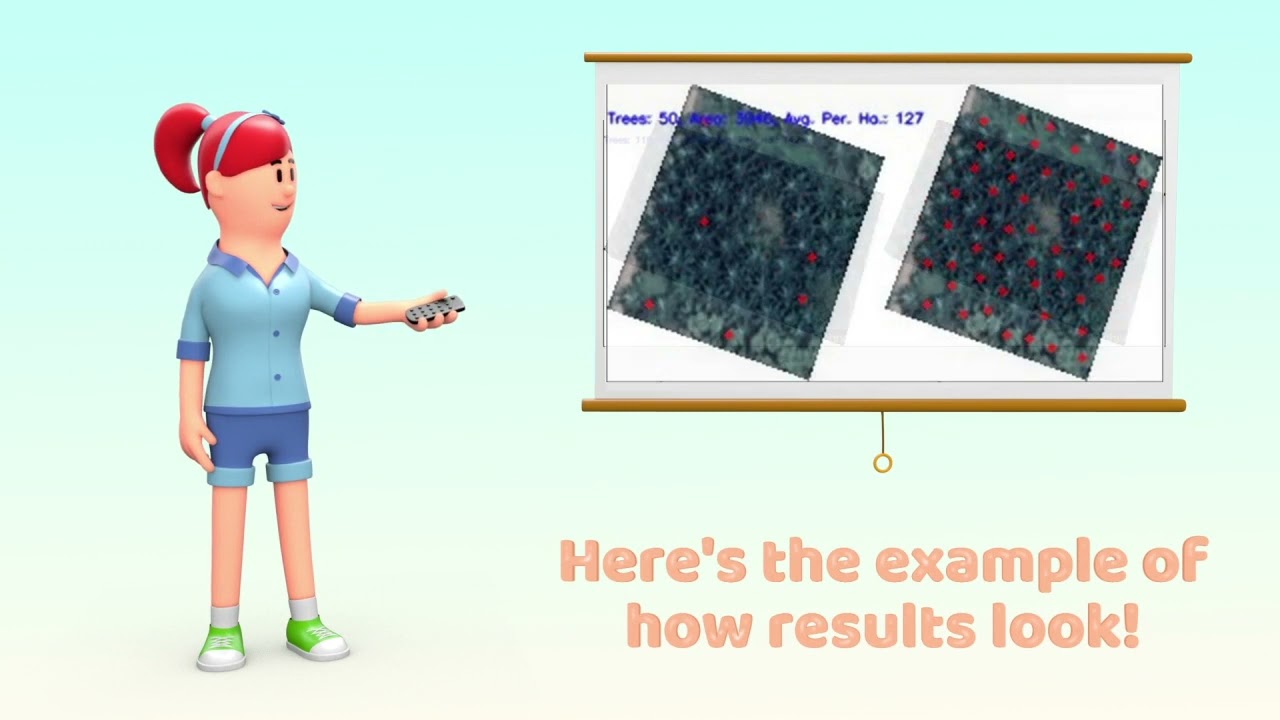
How Farmonaut Supports Restorative Farming & Forest Restoration in 2026
As technology becomes a cornerstone of regenerative land management, we at Farmonaut empower landowners, agronomists, investors, and policymakers with affordable satellite and AI tools built to accelerate and sustain restoration agriculture.
- Satellite-based Monitoring: We make it possible to remotely monitor soil health, vegetative cover, restoration progress, and water resources in near real-time—maximizing transparency and efficiency.
- AI-driven Advisory: Jeevn AI delivers tailored management strategies for agriculture, forestry, and mining—all optimized for your local climate, soils, and market needs.
- Blockchain Traceability: Our solutions trace the entire supply chain, supporting both consumer trust and compliance with evolving ecolabels and certification schemes (see details).
- Ecosystem Service Metrics: We enable measurement and reporting of key indicators (carbon, biodiversity, soil organic matter)—essential for impact investment, insurance, and policy verification.
- Accessible Tools: Our platform and APIs (API docs) scale from small farmers to large operators—across devices and geographies.
FAQ: Restoration Agriculture & Scalable Restoration Solutions
Q1: What makes restoration agriculture different from ‘regular’ organic farming?
Restoration agriculture goes beyond organic by integrating perennial woody species, trees, and shrubs, focusing on restoring degraded landscapes, ecosystem function, productivity, and resilience. It emphasizes systems-level design to deliver carbon sequestration, water cycle regulation, pest management, and habitat—not just chemical-free production.
Q2: How can restoration agriculture reduce input costs for the farmer?
By boosting soil organic matter and using legume cover crops and integrated pest management, farmers can significantly reduce the need for external fertilizer and pesticides—cutting expenses while improving yields over time.
Q3: Which restorative method provides the biggest boost to biodiversity?
Agroforestry systems with diverse perennial and understorey plantings (polycultures, hedges) deliver the largest biodiversity uplift—creating habitats for pollinators, natural enemies, birds, and beneficial soil microbes.
Q4: What metrics are essential to track the impact of restoration agriculture?
Track soil organic carbon, infiltration rates, species count, rainfall-use efficiency, and annual revenue stability. Digital monitoring and satellite images ensure reliable, objective data over time.
Q5: How can I start implementing these methods on my land?
Begin with a soil and vegetation assessment, design a phased approach (starting with perennial/woody species layer), incorporate regionally adapted crops, and access tools for ongoing monitoring and market access. Leverage platforms like Farmonaut for expert, always-accessible support.
Conclusion: The Pathway to Resilient, Profitable, and Sustainable Landscapes
Restoration agriculture stands as a beacon for the future, offering a framework that restores landscapes, rebuilds soil matter, reclaims lost biodiversity, and delivers food, fiber, and livelihoods. The core concept is rooted in diversity—across plants, seasons, ecosystem services, and markets. As we enter 2026, these restorative farming methods don’t just answer to environmental urgency; they unlock a new era of agricultural profitability and community well-being.
With the rising climate pressures, regulatory demands, and consumer expectations, adopting restoration agriculture delivers a competitive, as well as an ecological advantage. Digital tools and satellite technology—like those offered by Farmonaut—are key enablers, making restoration measurable, manageable, and scalable for everyone from individual farmers to multi-sector enterprises.
Next steps? Start with a small pilot, measure, share learning, and scale. The regenerative revolution in farming and restoration is not just an option—it is becoming the imperative of our age. Embrace the future: intelligent, integrated, and inspired by nature itself.
“Agroforestry methods in restoration agriculture sequester up to 9.2 tons of CO₂ per hectare annually.”
Ready to transform your land, measure your impact, and join the restoration movement? Start monitoring and planning with Farmonaut today.


