

How Is Gold Mining Different from Logging? 7 Key Insights
Summary: Gold mining versus logging: A concise comparison for resource-based industries. Explore how gold mining differs from logging, environmental and community impacts, and the role of modern technology and stewardship in creating sustainable pathways for both sectors.
Table of Contents
- 1. Resource Characteristics: Gold Mining vs Logging
- 2. Environmental Footprints and Impacts
- 3. Regulatory and Governance Frameworks
- 4. Economic and Supply-Chain Dynamics
- 5. Sustainability and Land-Use Planning
- 6. Intersections and Industry-Context Analysis
- 7. Comparative Table: Gold Mining vs Logging
- Farmonaut and Satellite-Based Mineral Detection
- Frequently Asked Questions
1. Resource Characteristics: Gold Mining vs Logging
How is gold mining different from logging? At its core, the answer revolves around resource characteristics, extraction methods, and the renewal of what is being taken from the land.
Gold Mining: Extracting Finite, High-Value Minerals
Gold mining targets a finite, high-value mineral embedded in rock or alluvial deposits. The process requires significant upfront efforts: exploration, drilling, blasting, dredging, and often complex ore processing to concentrate the metal. Typical operations can range from small placer claims to large underground mines, with high capital intensity and scale.
- ✔ Finite resource: Once extracted, gold does not regenerate.
- 📊 High capital and operational intensity: Substantial upfront investments are necessary for exploration, mining, and tailings management.
- ⚠ Complex methods: Extraction often involves processes that fundamentally alter landforms and ecosystems.
- 🔬 Chemical processing: The use of cyanide and other chemicals in gold separation introduces unique environmental risks.
- 🌍 Mines in different provinces: Distribution of gold mining activity varies across global regions, creating differing ecological and economic contexts.
Logging: Harvesting a Renewable Biological Resource
Logging harvests timber—a renewable, biological resource—using silvicultural planning, strategic road construction, and sequential felling and skidding. The forest resource can regenerate through rotation cycles under sustained management.
- 🌳 Renewable cycles: Timber resources can be replenished through reforestation and careful management.
- 🛤 Silvicultural systems: Planning emphasizes forest health and species diversity for sustainable yield.
- ✔ Shorter regeneration timelines: Depending on climate and species, forests may regenerate within a few decades.
- ⚠ Logging risks: Poorly managed harvesting can degrade soil and local habitat if not addressed by effective stewardship.
- 🏠 Close ties with rural communities: Logging often integrates with local economies and agroforestry systems.
Key Visual Distinctions
-
⛏
Gold Mining
Finite, mineral resource; high contamination risk; no natural renewal. -
🌲
Logging
Renewable biological resource; cycles of healthy re-growth possible.
Gold mining and logging are both extractive activities, but only logging can be managed for perpetual resource renewal through sustainable forestry practices.

2. Environmental Footprints and Impacts
A critical aspect in comparing how gold mining is different from logging lies in the magnitude and type of environmental impacts created by each industry. While both lead to landscape disturbance, the extent, persistence, and nature of these impacts diverge markedly.
Gold Mining: Persistent and Intense Environmental Disruption
- ⚠ Significant surface disturbance: Open-pit and alluvial operations disturb vast areas, removing topsoil, altering landforms, and leaving behind large waste piles.
- 💧 Heavy water usage and contamination: Gold extraction often uses large quantities of water and processing chemicals like cyanide and mercury. Risks include sedimentation, acid mine drainage, and water contamination.
- 🐾 Loss of habitat and biodiversity: Mining sites may cause >90% habitat loss and fragment critical wildlife corridors.
- 🏭 Ongoing tailings risk: Improperly managed tailings ponds may leak toxins into waterways even decades after operations cease.
Investors increasingly demand rigorous tailings management plans and ESG performance as prerequisites for gold mining project funding and mineral development.
Logging: Surface Impacts That Can Be Mitigated
- ⚠ Soil compaction and erosion (if roads/skid trails aren’t well-planned)
- 💧 Nutrient depletion and sedimentation of nearby water bodies
- 🦉 Changes in forest structure/habitat: Can disrupt sensitive species, yet sustainable methods can retain up to 80% forest cover.
- 🌲 Reforestation and reduced impact: Modern forest management can limit biodiversity loss and ensure future yields.
Top Environmental Risks & Mitigations
- ⛏ Gold Mining: Acid mine drainage, cyanide leaching, habitat loss, persistent toxic tailings
- 🌲 Logging: Soil compaction, stream sedimentation, temporary habitat disruption, reforestation pressures
- ✅ Reduced Impact Forestry: Buffer zones, retention of seed trees, reforestation, sustainable harvest quotas
- ✅ Mine Reclamation: Progressive landform restoration, soil remediation, water monitoring
Include environmental impact monitoring and post-operation land restoration in your early development plans to improve compliance, reduce long-term costs, and support natural ecosystem recovery.

3. Regulatory and Governance Frameworks
Both gold mining and logging operate under distinct governance systems and regulatory frameworks, tailored to the risks and resource cycles intrinsic to each industry.
Gold Mining: Tight Regulation and Monitoring
- Mineral tenure: Rights to explore or extract minerals are formally granted and regulated.
- Environmental assessments: Required for new projects, including in remote regions and provinces.
- Water quality and tailings plans: Operators must guarantee safe management and closure planning for tailings and waste.
- Financial assurance: Companies are mandated to provide guarantees for post-mining remediation and ongoing monitoring.
Learn about Farmonaut’s satellite-based mineral detection platform—a modern approach supporting compliance and responsible, sustainable exploration without initial ground disturbance.
Logging: Forest Management and Certification
- Forest management plans: Outline methods, cycles, and restoration strategies to maintain yield and health.
- Sustainable forestry standards & certifications (e.g., FSC, PEFC): Demand reduced-impact logging, buffer protection, and wildlife corridors.
- Harvest quotas and reforestation mandates: Help prevent over-extraction and ensure continuity of supply for communities.
- Regional and provincial oversight: Local governments set tenure security, compliance audits, and enforcement.
Compliance with these frameworks is crucial for stakeholder trust and ecosystem health.
Neglecting long-term environmental monitoring after extraction can result in costly remediation and reputational harm for both mining and forestry operators.
4. Economic and Supply-Chain Dynamics
Gold mining and logging follow different economic models, supply chains, and community income potentials, reflecting the fundamental differences in how gold mining is different from logging.
Gold Mining: High Capital, Volatile Markets, and Strategic Value
- 💸 Large upfront investment and long development lead times.
- 🪙 Revenue concentrated in bullion and high-grade refined products (key supply for jewelry, electronics—think “how many different metals are in a smartphone”? Usually 30+ including gold, platinum, palladium, copper, etc).
- 🌍 Global downstream demand, high price volatility, and strategic national significance.
- 🔗 Local benefits may include jobs and infrastructure, but risk of a boom-bust cycle and environmental costs if not responsibly managed.
Logging: Recurring Income, Local Processing, and Market Responsiveness
- 🪵 Continuous supply chain—timber can be harvested and processed regularly, providing steady local income.
- 🏭 Investment in local mills and value-added manufacturing benefits entire regions and stabilizes communities.
- ⚠ Risk of overharvesting without proper safeguards or market checks.
- 📈 Market demand for lumber, paper, and alternate products drives management plans and rotations.
Over 30 different metals—many sourced from gold mines in different provinces—are used in the average smartphone. Responsible mining and efficient supply chains are critical for today’s high-tech world.
5. Sustainability and Land-Use Planning
Integrating sustainable practices and land-use planning is essential for the long-term viability of both gold mining and logging. Each industry’s best practices reflect their unique operational realities and stakeholder concerns.
Gold Mining: Emphasizing Reclamation and Post-Closure Use
- 🧑🔬 Progressive reclamation addresses ongoing landforms and water issues during mining, not just after closure.
- 🌊 Hydrological stewardship: Managing water quality and flow both during and after operations.
- 🔄 Post-mining land repurposing: Opportunities for habitats, tourism, or community development instead of abandoned waste.
For more on modern, environmentally friendly mineral targeting, see satellite-driven 3D mineral prospectivity mapping: this cutting-edge method helps focus ground-based mining activity only where needed, reducing total land and habitat impact.
Logging: Prioritizing Continuous Cover and Ecosystem-Based Management
- 🌲 Continuous cover forestry: Maintains ecosystem resilience and reduces biodiversity loss across cycles.
- 📉 Reduced impact logging: Limits collateral damage during felling, preserves soil and microclimates.
- 🦌 Integration of wildlife corridors and protected areas: Minimizes fragmentation and supports natural cycles.
Sustainable practices in forestry and mining not only secure future yields and mineral access, but also protect soil, water, and wildlife essential to resilient communities and ecological health.
Farmonaut and Satellite-Based Mineral Detection
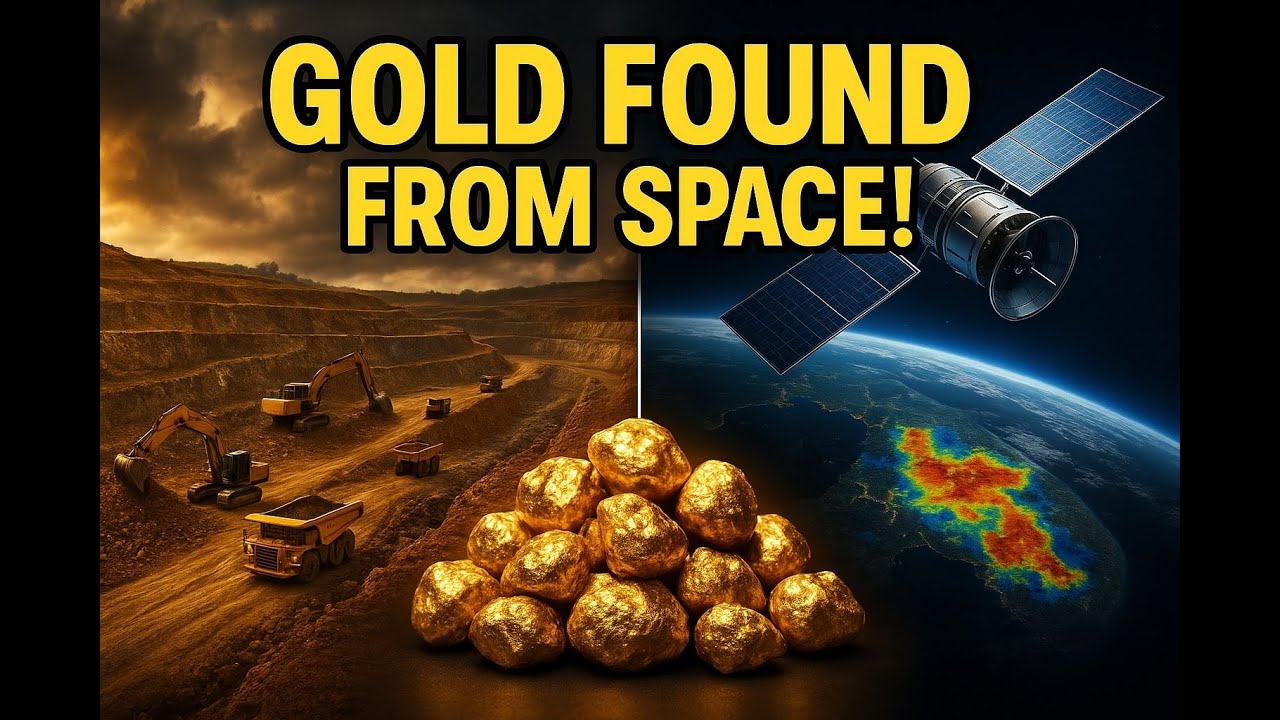
Technological innovation is transforming how resource-based industries are planned and operated. Farmonaut leverages Earth observation satellites, AI, and advanced remote sensing to modernize mineral exploration—delivering faster, smarter, and more environmentally responsible detection of gold and other high-value deposits at the earliest project stages.

Our satellite-based mineral detection technology uniquely supports responsible mining in multiple provinces worldwide. By identifying mineralized target zones from space without ground disturbance, we help clients:
- ✔ Reduce exploration time by up to 85%
- ✔ Cut field costs and workforce requirements
- ✔ Eliminate early-phase environmental impact
- ✔ Map broad mineral types, including gold, lithium, cobalt, rare earths, and more
- ✔ Provide actionable reports and 3D prospectivity maps
- ✔ Support ESG and sustainable development standards
Map Your Mining Site Here
— Instantly assess mineral potential using the latest satellite intelligence.

With projects across over 80,000 hectares in 18+ countries and detection for more than 13 mineral types, Farmonaut is at the forefront of making mining more sustainable, efficient, and sensitive to the needs of local communities and ecological frameworks.
Farmonaut’s process from area selection to actionable mineral intelligence takes just days, not months, and is accessible globally—making responsible early-phase mining accessible to all scale operators.

6. Intersections and Industry-Context Analysis
How is gold mining different from logging in farming and forestry contexts?
Both extractive activities may operate side-by-side in rural regions, but they diverge in their water use, resource cycles, and ecological impacts.
- ✔ Gold mining can impact farming communities by altering water quality and reducing land availability for crops. Strict water and tailings stewardship is key.
- ✔ Logging sometimes supports rural economies via integrated agroforestry, providing both income and soil conservation, assuming long-term management plans are enforced.
- 📊 Choice of resource pathway often depends on ecological capacity, existing infrastructure, and governance maturity. Overlap in local stakeholder and community concerns is common.
- ⚠ Risk of land-use conflict arises especially in provinces with poor regulatory oversight or intense global commodity demand.
- 🌱 Sustainability in both mining and forestry emphasizes engagement with communities, progressive reclamation/reforestation, and climate-adaptive planning frameworks.

Constructive land planning, transparent monitoring, and integration of local voices are fundamental to resolving land-use conflicts between mining and logging in resource-rich regions.
7. Comparative Table: Gold Mining vs Logging (Environmental & Sustainability Factors)
| Aspect | Gold Mining | Logging |
|---|---|---|
| Resource Extraction Method | Blasting, dredging, drilling, chemical processing | Silvicultural planning, felling, skidding, transportation |
| Resource Renewal Rate (Estimated) | Non-renewable, finite (0 years) | 20–80 years (tree maturity and rotation cycles) |
| Environmental Impact (E.g., Deforestation/Water Pollution) |
– 90%+ local habitat loss – Significant surface disturbance – Heavy water usage/contamination (e.g., cyanide, mercury leaks) |
– Deforestation, can be < 20% loss if managed – Soil compaction, localized waterway sedimentation |
| Carbon Emissions | Up to 30+ tons CO2 per kg gold (open-pit, global average) | 0.4–5 tons CO2 per hectare/yr (selective logging, varies by harvest type) |
| Biodiversity Impact | Severe long-term fragmentation; slow/no recovery without reclamation | Moderate; can support rapid rewilding via reforestation and corridors |
| Community Impact | Jobs and revenue; potential displacement; post-closure legacy impacts | Steady local income; supports agroforestry; risk of labor decline if overharvested |
| Sustainability Measures | Regulated reclamation, tailings management, ESG requirements | Reforestation, certification, sustained yield forestry |
Quick Guide: 5 Must-Know Facts
- ✔ Gold mining requires intensive processing and creates a long-term ecological footprint.
- ✅ Logging can be managed for renewable cycles and ecosystem health, unlike finite mineral extraction.
- 📉 Water quality is a shared concern—yet gold mining carries higher contamination risk due to chemicals.
- 🗺 Land-use conflict is common in regions with poor planning, making stakeholder engagement essential.
- 🌍 Satellite-based mineral detection platforms like Farmonaut reduce ground disturbance and improve sustainability in exploration.
Frequently Asked Questions
What is the primary way gold mining is different from logging?
Gold mining extracts a finite mineral resource with intense land and water impacts, while logging harvests a renewable, biological resource that can regenerate through sustainable management and planning.
How do mines in different provinces affect local environmental management?
The regulatory strength, infrastructure, and ecological context of each province or region shape the level of impact and success in reclamation. Different provinces may face unique community and ecological challenges in gold mining operations.
Is gold mining more harmful than logging for water quality?
Generally, yes—due to the use of chemicals like cyanide in ore processing and the risk of mine drainage, gold mining poses a higher threat to water quality versus well-managed logging operations that use reduced impact methods and buffer zones.
How many different metals are in a smartphone, and where are they sourced?
An average smartphone contains over 30 different metals including gold, lithium, cobalt, tantalum, and rare earth elements. These are often sourced from mines in different provinces and countries around the world—highlighting the need for traceable, sustainable mining practices.
Can satellite monitoring help make mining more sustainable?
Yes. With advanced remote sensing and AI-based analysis, platforms like Farmonaut’s satellite-based mineral detection eliminate early ground disturbance, target exploration only in high-potential areas, and support environmental stewardship from the outset.
Get Started with Responsible Mining and Forestry Intelligence
- For a quote or to discuss your unique site requirements, visit our Get Quote page.
- Have a question? Contact Us for more details on sustainable exploration, monitoring, and reporting.
- Ready to begin? Map Your Mining Site Here and leverage satellite-driven mineral intelligence for modern mining exploration.
In summary: While gold mining and logging both reshape landscapes and communities, their distinction is profound: mining focuses on finite resource extraction and environmental containment, often requiring complex regulatory oversight and reclamation; logging centers on renewable stewardship, ongoing ecosystem management, and perpetual productivity. By implementing progressive planning, advanced monitoring, and sustainable frameworks, these resource-based industries can harmonize economic goals with ecological integrity for better yields, healthier communities, and resilient landscapes.
For the most advanced, sustainable resource mapping and monitoring, explore our satellite-based mineral detection services and 3D prospectivity mapping solutions.
Empower your next exploration venture—responsibly and efficiently—with Farmonaut.


 Dalgety Minerals Pty Ltd
 Vortex Minerals Pty Ltd
 Faith At Work (Pty) Ltd
 Geotech Mining Solutions plc
 Vulcan International Limited
 Kidepo Associates
 GKY Mining
 Alkimy SARL
 Double A Trading
 GemSprout Metals Limited
 Qader Group
 Ileys General Trading
 SG Gold Mining LLC
 VRV Global Pte Ltd
 Omsri International FZE
 G.I.T.T.
 Jaunita Erss Ltd
 Almosi SARL
 SRK Consulting
 Berks Gold Limited
 Mwerezi Minerals Company Limited
 Mining SARL
 SenGold Invest SAS
