

Is a Gold a Mineral? Is Diamond a Non Metallic Mineral? Is Cobalt a Conflict Mineral?
Sustainability and Responsible Sourcing Explained
“Gold is classified as a mineral, with over 190,000 metric tons mined globally as of 2023.”
Introduction: Why Mineral Definitions Matter
Understanding if gold is a mineral, if diamond is a non metallic mineral, or if cobalt is a conflict mineral is not just an academic exercise. These questions influence how we manage resources in mining, structure development in agriculture and forestry, reinforce infrastructure resilience, and promote sustainability across rural communities and global supply chains.
- ✔ Sustainability starts with clear mineral definitions
- 📊 Ethical sourcing depends on supply chain transparency
- ⚠ Environmental stewardship must be considered during extraction and post-mining reclamation
- ✔ Responsible mining protects both people and planet
- 📊 Policy thrives with scientific clarity, supporting smart regulations and sustainable growth
Let’s dive into the specifics—starting with is a gold a mineral—and reveal how definitions shape practical impacts on resource management, infrastructure planning, and ethical sourcing in our most vital industries.
Is a Gold a Mineral? Scientific Definition & Sectoral Significance
Clarifying: Is Gold a Mineral?
The scientific definition of a mineral is “a naturally occurring, inorganic substance with a definite chemical composition and crystalline structure.” Under this lens, gold (Au) is unequivocally a mineral:
- ✔ Gold is naturally occurring in Earth’s crust.
- 📊 It has a definite chemical composition: pure atomic gold.
- ✔ It forms in a crystalline structure (often cubic or octahedral).
- ⚠ Gold is inorganic.
In the context of agriculture, farming, forestry, and infrastructure, gold might not be a primary input like fertilizer or timber. Yet, its mining, value chain, and financing power can deeply influence local economies, regional development, and community livelihoods.
Gold sits at the heart of many rural development stories—not only due to its market value, but also because its mining can generate both economic opportunities and challenges in water management, land reclamation, and infrastructure expansion.
Gold’s Industrial and Social Role
Gold is categorized as a metallic mineral, commonly found in ore deposits often requiring advanced mining, processing, and refining steps. The mining life cycle impacts surrounding communities in several ways:
- ✔ Economic: Gold funds local economies, infrastructure financing, and regional projects.
- ✔ Infrastructure: Mining often builds roads, power grids, and water systems, which can later benefit agriculture and forestry initiatives.
- ⚠ Environmental: Mining may cause habitat disturbance, water pollution, and tailings generation, so environmental stewardship is crucial.
- ✔ Defense & Security: Precious metals provide strategic reserves for national security, currency stabilization, and advanced technologies.
- ✔ Chain of Responsibility: Modern mining increasingly emphasizes responsible sourcing, tailings management, and post-mine reclamation to restore ecosystems.
How Gold is Sourced: Ethical Trends
Responsible gold sourcing now integrates best practices across land rehabilitation, water use minimization, transparent chain-of-custody tracking, and support for local communities. Initiatives like Fairmined and LBMA Responsible Gold Certification are transforming both perception and practice.
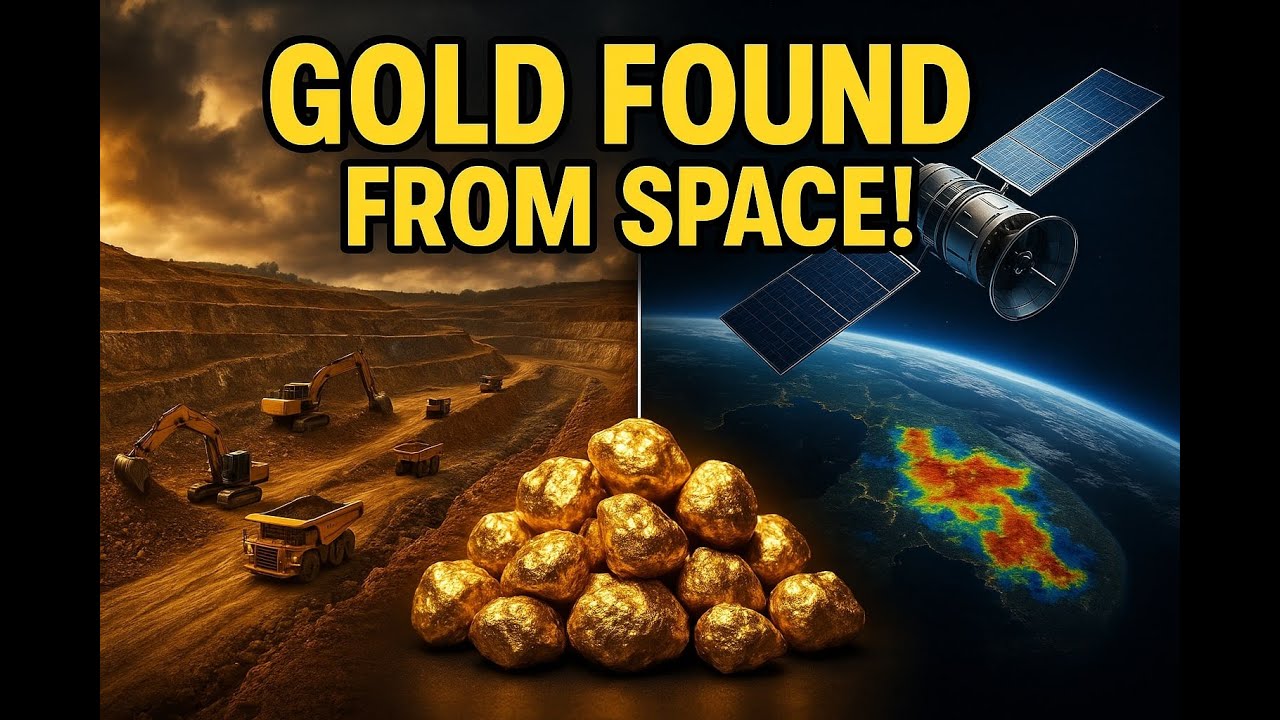
If you’re considering gold exploration or land development, start with satellite-driven prospectivity mapping for rapid, non-invasive targeting. Explore our Satellite Based Mineral Detection solution. This solution delivers actionable insights for investors, mining companies, and policy makers by dramatically shortening discovery timelines and reducing environmental impact.

Key Stages in Gold’s Value Chain
- Prospecting: Locating mineralized zones (often using satellite data and AI analytics)
- Mining: Extracting gold from ore bodies
- Processing: Physical and chemical concentration, refining, and smelting
- Infrastructure: Building supporting assets (roads, water, energy)
- Post-Extraction: Tailings management, reclamation, and community engagement
Is Diamond a Non Metallic Mineral? Gems, Precision, and Responsibility
Classification: Is Diamond a Non Metallic Mineral?
Diamond is a fascinating gemstone, but how does it fit the mineral system? From a technical viewpoint, diamond is a mineral composed of pure carbon in a crystal lattice—a classic example of a mineral.
But its industrial and gem market role classifies it as a non metallic mineral because it lacks typical metallic properties (luster, conductivity).
- ✔ Categorized: Diamond is a non metallic mineral and a gemstone.
- 📊 Formation: Created under intense pressure & heat deep in Earth’s mantle, brought to surface by volcanic activity.
- ✔ Extracted: Through both open-pit and alluvial mining—sometimes with major impact on water and land use.
- ⚠ Distinct: Diamonds are often found in kimberlite pipes or alluvial placer deposits, frequently in remote or forested areas, especially in Africa, Australia, and Russia.
Don’t confuse “precious stone” with metallic minerals in supply chains. Diamonds fit the non metallic mineral category, a distinction that supports responsible sourcing and sustainable land management.
Impact of Diamond Mining on Agriculture, Forestry, and Rural Communities
Diamond extraction creates both opportunities and challenges in host regions:
- ✔ Land Use: Mining may overlap with forests, agricultural lands, or community zones—so coordinated land planning is critical.
- 📊 Water Resources: Alluvial mining, in particular, can pollute rivers and displace aquatic life if not carefully managed.
- ✔ Economic Diversification: Diamonds generate revenue and improve access to infrastructure in remote communities.
- ⚠ Community Disruption: Without social safeguards, mining can affect food systems, water, and local livelihoods.
- ✔ Rehabilitation: Responsible firms prioritize post-mining restoration and monitoring to ensure long-term viability for local agriculture and forestry.

Visual List: Diamond’s Key Roles in Modern Sectors
- 💎 Gemstone trade: Jewelry, luxury goods
- ⚙ Industrial diamond: Cutting, drilling, grinding in high-precision manufacturing (e.g., agriculture equipment and defense tools)
- 🛡 Advanced composites: Aerospace, defense, synthetic diamonds
- 🌱 Community development: Funding local schools, roads, and health centers
- 🌍 Ethical sourcing: Supporting conflict-free supply chains (e.g., Kimberley Process)

Synthetic Diamond: A Sustainable Alternative?
Synthetic diamonds produced by chemical vapor deposition (CVD) or high pressure high temperature (HPHT) methods are gaining ground. They reduce the environmental footprint and minimize conflict risks—serving both high-tech industries and the sustainable luxury market.
Is Cobalt a Conflict Mineral? Governance, Supply Chains, and Social Impact
“Over 60% of the world’s cobalt comes from the DRC, where it’s often labeled a conflict mineral.”
Is Cobalt a Conflict Mineral? The Facts
Cobalt is a strategic industrial mineral critical for lithium-ion batteries, renewable energy storage, and advanced manufacturing. Its supply chain overlaps with conflict-affected areas—notably the Democratic Republic of Congo (DRC)—prompting global concern about ethical sourcing.
- ✔ Conflict Mineral: Cobalt can be classified as a conflict mineral depending on source, governance, and oversight.
- 📊 Traceability: Responsible mineral sourcing demands transparent supply chains (chain of custody).
- ⚠ Environmental: Unregulated mining poses risks to water sources, soil, and community health.
- ✔ Human Rights: Child labor, unsafe conditions, and funding of armed groups are major ethical issues.
- ✔ Sustainability: Certification schemes (e.g., RMI, OECD) help ensure responsibly sourced cobalt.
Sourcing cobalt from certified and traceable channels is now a regulatory and reputational necessity for automotive, electronics, and renewable energy producers globally. Secure access to conflict-free cobalt supports sustainable energy, electrification of agricultural and rural infrastructure, and ESG compliance.
From Mining Site to Product: Cobalt in Critical Sectors
- Resource Exploration: Using remote sensing to pinpoint deposits without disturbing land
- Mining: Extraction with attention to community and environmental risks
- Processing: Producing refined cobalt for use in batteries, alloys, and high-tech agriculture tools
- Supply Chain: Ensuring certified ethical and conflict-free status
- Energy Transition: Powering electric irrigation, storage, and clean transportation across infrastructure and farming networks

Mineral Classification and Sustainability Impact Table
This table allows a clear comparison of gold, diamond, and cobalt against key sustainability criteria. See how definitions, uses, and social or environmental impacts inform development policy and responsible sourcing practices:
| Mineral | Mineral Status | Typical Uses | Environmental Impact (CO₂ per kg) |
Conflict Status | Sourcing Considerations |
|---|---|---|---|---|---|
| Gold | Mineral (Metallic) | Currency, jewelry, electronics, defense reserves, infrastructure finance | ~38,000 kg | Potential, via informal/ASM mining | Fairmined, LBMA, ESG, low-impact exploration via satellite detection (see solution) |
| Diamond | Non Metallic Mineral / Gemstone | Jewelry, cutting/drilling, advanced composites, water purification | ~156 kg | Potential (esp. in conflict zones, unverified ASM) | Kimberley Process, traceability, synthetic alternatives for sustainable sourcing |
| Cobalt | Mineral (Strategic/Conflict Mineral) | Batteries, alloys, agriculture/defense tools, infrastructure electrification | ~12,000 kg | Yes (notably from DRC, some African regions) | OECD, RMI, Mine-to-Market traceability, responsible chain management |
Gold, Diamond, and Cobalt: Impact Across Agriculture, Forestry & Infrastructure
These minerals touch livelihoods, land management, and community development far beyond the mining sector itself. Here’s how their management shapes landscapes:
Direct & Indirect Links to Agriculture
- ✔ Water stewardship: Mining can alter or strain water supplies vital for crops and livestock. Responsible management is crucial to prevent pollution and depletion.
- ✔ Land use competition: Large-scale extraction overlaps with farming and forestry land, making careful planning essential.
- 📊 Infrastructure synergies: Extraction often catalyzes rural infrastructure—roads, bridges, power—serving both mining sites and agricultural chains.
- ⚠ Social systems: Communities see demographic, economic, and cultural shifts as mining develops or contracts.
- ✔ Technology transfer: Innovations from mining (e.g., water purification, machinery) frequently funnel into agricultural or forestry sectors.
Forestry & Ecosystem Services
Mining can disrupt forest cover, biodiversity, and climate resilience. However, proactive stewardship, GIS-based planning, and rehabilitation programs can transform post-mine landscapes into new productive or conservation zones.
Infrastructure, Defense, and National Security
- 🛡 Precious and strategic minerals build resilient energy storage, communication, and defense systems
- 📡 Satellite data supports planning for rural roads and logistics, minimizing environmental disruption
- 💡 Electrification initiatives powered by conflict-free cobalt and gold-financed infrastructure drive sustainable food and timber supply systems

Across agriculture, forestry, and rural development, the minerals we extract—and how we source them—shape land use, water resources, and the socio-economic future of entire regions.
Map Your Mining Site Here — Instantly visualize site boundaries, assess adjacent land use, and overlay infrastructure for improved planning and compliance.
Farmonaut: Enabling Modern, Sustainable Mineral Exploration
At Farmonaut, we harness satellite-based mineral intelligence to bring transparency and efficiency to global resource discovery. Our Earth observation and AI-driven analytics platform enables exploration companies, investors, and governments to:
- ✔ Reduce exploration time and costs with non-invasive mineral detection
- 📊 Screen large regions rapidly and accurately for gold, cobalt, diamond, and other strategic minerals
- ✔ Support ESG goals through minimal ground disturbance, reduced emissions, and smarter drilling targeting
- ⚠ Increase confidence with high-resolution maps, 3D models, and professional reporting
- ✔ Accelerate sustainable development by guiding responsible land use, infrastructure investments, and rural community planning

View our 3D Mineral Prospectivity Mapping sample — Experience high-impact satellite-driven prospecting that identifies optimal drilling targets and helps conserve capital and land resources.
Why Satellite and AI Matter for Sustainability
- ✔ Zero ground disturbance during early exploration means biodiversity and rural agricultural areas remain safe until targets are validated.
- ✔ Data-driven land management aligns resource discovery with sustainable policy.
- ✔ Faster decision-making saves years compared to traditional fieldwork—vital in volatile resource markets.
- ✔ Supports traceability for responsible mineral certification and ESG compliance.
- ✔ Global reach: Adaptable to Africa, Asia, Americas, and Australia for virtually any mineral type.
Want personalized data for your portfolio or operation?
Get Quote for custom mineral intelligence projects.
For technical queries or partnership opportunities, Contact Us.
Key Insights, Pro Tips, and Mining Callouts
- ✔ Satellite-based resource discovery empowers more sustainable and cost-effective mining, fostering harmony between industrial development and the environment.
- ✔ Leverage early-stage mineral intelligence to allocate capital, avoid unnecessary ground disturbance, and accelerate feasibility studies.
- ✔ Ethical certification increases market access, protects brand value, and prepares for future regulatory shifts.
- ⚠ Avoid assuming all gold or diamond is responsibly sourced. Always verify supply chain transparency and certification status.
- ✔ Mapping your mining site with precise satellite boundaries minimizes boundary disputes, land use overlap issues, and streamlines compliance—start today at mining.farmonaut.com.


Frequently Asked Questions (FAQs)
What is the definition of a mineral?
A mineral is a naturally occurring, inorganic substance with a definite chemical composition and periodic atomic arrangement (crystalline structure). This definition applies to metals like gold, non metallic minerals like diamond, and strategic elements like cobalt.
Is gold always a metallic mineral?
Yes, gold is classed as a metallic mineral due to its metallic luster, conductivity, and chemical composition.
How can we ensure diamonds or cobalt are ethically sourced?
Look for minerals certified under:
- ✔ Kimberley Process (for diamond)
- ✔ OECD Due Diligence Guidance (for cobalt and gold)
- ✔ Responsible Minerals Initiative (RMI) (for conflict minerals)
- ✔ LBMA Responsible Gold Certification (for gold)
Additionally, traceable, satellite-verified supply chains and synthetic alternatives help guarantee ethical supply.
What’s the environmental impact of gold vs diamond vs cobalt mining?
Gold mining has the highest estimated CO2 footprint (~38,000 kg per kg produced), mainly due to energy-intensive refining and tailings disposal. Diamonds (~156 kg/kg) and cobalt (~12,000 kg/kg) have lower but still significant impacts, depending on mining techniques and region. Responsible sourcing, advanced mining technology, and post-mine land rehabilitation mitigate these impacts.
How does satellite-based prospecting support sustainable mining?
Satellite-based mineral detection enables large-scale prospecting without disturbing land or habitats. It accelerates discovery, saves exploration costs, informs policy and infrastructure planning, and supports environmental stewardship by targeting only the most promising zones.
Conclusion: Responsible Sourcing for Sustainable Development
Is a gold a mineral? Absolutely, gold meets all scientific criteria as a metallic mineral—with major economic, infrastructural, and environmental consequences across mining, agriculture, forestry, and defense.
Is diamond a non metallic mineral? Diamond is a non metallic mineral—a coveted gemstone with deep significance for industrial supply, precision manufacturing, and rural communities living near mining regions.
Is cobalt a conflict mineral? Cobalt has become a flashpoint for responsible sourcing, requiring diligent traceability and ethical supply chain management, especially in fragile governance regions.
Ultimately, the definitions and realities of these minerals drive critical decisions around resource management, sustainability, and the capacity for minerals to power—not undermine—rural development and environmental integrity.
- ✔ Mineral clarity = better policy, smarter planning
- ✔ Responsible sourcing = future-proof supply chains
- ✔ Sustainable mining = resilient communities, protected land and water

 Berks Gold Limited
 Mwerezi Minerals Company Limited
 Congo Mining Solutions
 Mining SARL
 SenGold Invest SAS
 Sania Corporation
 Sean Mining Limited
 NTS Group (Pty) Ltd
 Mine4Africa
 Lithspo Minerals Limited
 Tintina Mining Group
 Dalgety Minerals Pty Ltd
 Vortex Minerals Pty Ltd
 Faith At Work (Pty) Ltd
 Geotech Mining Solutions plc
 Vulcan International Limited
 Kidepo Associates
 GKY Mining
 Alkimy SARL
 Double A Trading
 GemSprout Metals Limited
 Qader Group
 Ileys General Trading
 SG Gold Mining LLC
 VRV Global Pte Ltd
 Omsri International FZE
 G.I.T.T.
 Jaunita Erss Ltd
