

- Introduction: Why Optimize Soil, Water & Land for Sustainability?
- Core Concepts & Relevance of Resource Management
- Trivia: Surprising Sustainability Facts
- 7 Ways to Optimize Soil, Water & Land for Sustainable Outcomes
- Comparative Strategies Impact Table
- Best Practices Checklist
- Practical Takeaways for Practitioners
- Frequently Asked Questions (FAQ)
- Explore Farmonaut Resources & Tools
7 Ways to Optimize Soil, Water & Land for Sustainability
“Efficient soil management can increase crop yields by up to 50% while reducing water usage by 30% in agriculture.”
When we look at the core of what drives productivity, resilience, and sustainable outcomes across agriculture, forestry, mining, and infrastructure, it becomes clear: optimizing soil, water, and land is fundamentally important. These resources are not only the foundation of all production and ecosystem services, they also represent finite, fragile assets. Poor management can lead to costs—environmental, economic, and social—that invariably impact future generations and entire communities.
In this comprehensive guide, we dive into the practical lens of resource optimization—drawing together insights from agriculture, forestry, mining, and related infrastructure. We’ll cover key concepts, hands-on practices, and robust strategies for ensuring every hectare or operational site balances productivity with long-term ecological health.



Core Concepts & Relevance of Resource Management
At its heart, the topic of optimizing soil, water, and land centers on how we manage resources, align processes, and address risks to both maximize yield and quality, and minimize environmental impact and long-term costs. This approach translates into safeguarding soil health, responsible water stewardship, nurturing biodiversity, and enforcing site stability.
Adopting a holistic approach to soil, water, and land stewardship enhances ecosystem services while driving resilient, productive outcomes for every operation.
Soil water land optimization isn’t just a buzz phrase—it’s a practical necessity across sectors:
- In agriculture: Soil health, water-use efficiency, biodiversity, and precision input management.
- For forestry: Maintaining forest floor stability, reducing soil erosion, conserving water, and promoting healthy growth cycles.
- Within mining and infrastructure: Ensuring site stability, minimizing runoff, responsible extraction, and implementing post-operational rehabilitation plans.
📈 Why Resource Optimization Matters
- ✔ Boosts Productivity: Higher yields, better crop quality, healthier forests, and optimized extraction rates
- 🌏 Protects the Ecosystem: Preserves biodiversity, reduces pollution, and safeguards habitats
- 💰 Reduces Costs: Cuts input and maintenance costs, avoids restoration expenses, and minimizes regulatory penalties
- ⚠ Mitigates Risk: Decreases exposure to climate extremes, market fluctuations, and environmental incidents
- 🌱 Secures Long-Term Viability: Ensures land can sustain productive operations over generations
“Sustainable forestry practices can boost land productivity by 20% and cut soil erosion rates by nearly 40%.”
7 Ways to Optimize Soil, Water & Land for Sustainable Outcomes
Let’s explore each of the seven comprehensive strategies critical to sustainable management and productive outcomes across agriculture, forestry, mining, and infrastructure sites.
We’ll discuss applications, benefits, risks, and provide tangible steps for immediate implementation.
1. Holistic Soil Health Management
Soil is the backbone of agriculture and the foundation for forest ecosystems. Healthy soil structure, abundant microbial activity, and robust nutrient cycling drive yields and maintain land stability—directly impacting the quality and longevity of every site.
- Practices: Crop rotation, cover cropping, reduced tillage, organic amendments, and regular soil testing.
- Goal: Build resilient, self-sustaining soil systems that reduce dependency on chemical inputs while maintaining high productivity.

🟢 Key Soil Optimization Steps (for agriculture, forestry, and mining site rehabilitation)
- Soil Testing: Evaluate pH, organic matter, and nutrient levels for targeted fertilization.
- Crop Rotation & Diversification: Interrupt pest cycles and improve soil structure by rotating crops or integrating trees/cover plants (relevant in both farming and forestry).
- Organic Amendments: Apply compost, manure, or biochar to build stable carbon, enhance microbial activity, and reduce runoff.
- Erosion Control: Use mulching, contour plowing, or grassed waterways, especially on sloped land or mining sites undergoing rehabilitation.
- Reduced Tillage: Minimize mechanical disturbance to preserve soil aggregates and enable natural cycling.
Monitoring soil moisture is as vital as tracking nutrients. Tools like satellite-based soil moisture monitoring solutions provide precise, scalable data for adjusting irrigation and ensuring healthy root zones—even in remote sites.

🌱 Soil Health Solutions List
- 🪱 Biofertilizers: Enhance microbial activity and nutrient availability.
- 🌾 Green Manures: Cover crops that are tilled in for rapid fertilization.
- 🔥 Biochar: Stabilizes nutrient cycling and sequesters carbon.
- 🔄 Precision Applications: Apply exactly what’s needed, precisely where, and when—using data-driven tools.
2. Water Resource Management & Precision Irrigation
Water is a finite resource, making its efficient use a top priority—whether in farming (to boost yield per drop), forestry (to safeguard forest health), or mining (to meet permitting and environmental requirements).
- Practices: Efficient irrigation scheduling, soil moisture monitoring, drought-tolerant species selection, rainwater harvesting, and constructed wetlands.
- Goal: Maximize water-use efficiency, optimize moisture retention, and protect downstream habitats and waterways.

🟦 Water Optimization: Best Methods
- Drip & Precision Irrigation: Delivers input directly to the root zone, reducing waste.
- Automated Soil Moisture Sensors: Tailor water scheduling, avoid over-irrigation, and conserve groundwater.
- Rainwater Harvesting: Collect rainfall for supplemental irrigation or dust suppression in mining operations.
- Constructed Wetlands: Treat runoff and processing activities wastewater, preventing contamination of surface and groundwater.
- Contingency Planning: Develop plans for drought periods, including alternative water sources and demand reduction tactics.
- Water Quality Monitoring: Use remote and on-site tools to track contaminants, sediment, and nutrient runoff, especially in mining and construction.
Over-irrigation does not improve yields. It can increase input costs, promote soil salinization, and wash nutrients beyond the root zone—ultimately harming crop and ecosystem health.

Farmonaut’s precision moisture monitoring and weather forecasting services deliver real-time alerts and tailored guidance to ensure that every drop of water is making the biggest possible impact. These insights are available via our multi-platform apps and also through our API suite for direct integration in large-scale operations.
3. Erosion Control & Biodiversity Enhancement
Erosion from farming, forestry operations, and mining/construction sites can degrade land quality, increase sedimentation in waterways, and undermine site stability. Meanwhile, fostering biodiversity builds resilience and supports essential ecosystem services such as pollination, pest control, and nutrient cycling.
- Practices: Contour plowing, terracing, buffer strips, habitat corridors, diversified cover planting, native species restoration.
- Goal: Reduce runoff and sediment loss, support native flora/fauna, bolster overall ecosystem function and resilience.

🌲 Biodiversity + Erosion Management Bullet Points
- 🌿 Buffer Strips: Plant grass or shrubs along field edges/waterways to trap sediments and limit nutrient runoff.
- ⛰️ Terracing: Reduce slope length and speed of water flow—crucial for sloped agricultural and mining zones.
- 🦋 Habitat Corridors: Connect fragmented landscapes for wildlife movement and regeneration.
- 🌾 Native Cover Plants: Outcompete invasive weeds, anchor soil, and improve rooting zones.
- 🌳 Diversified Plantings: Incorporate tree species or mixed cropping to mimic natural ecosystems and stabilize land.
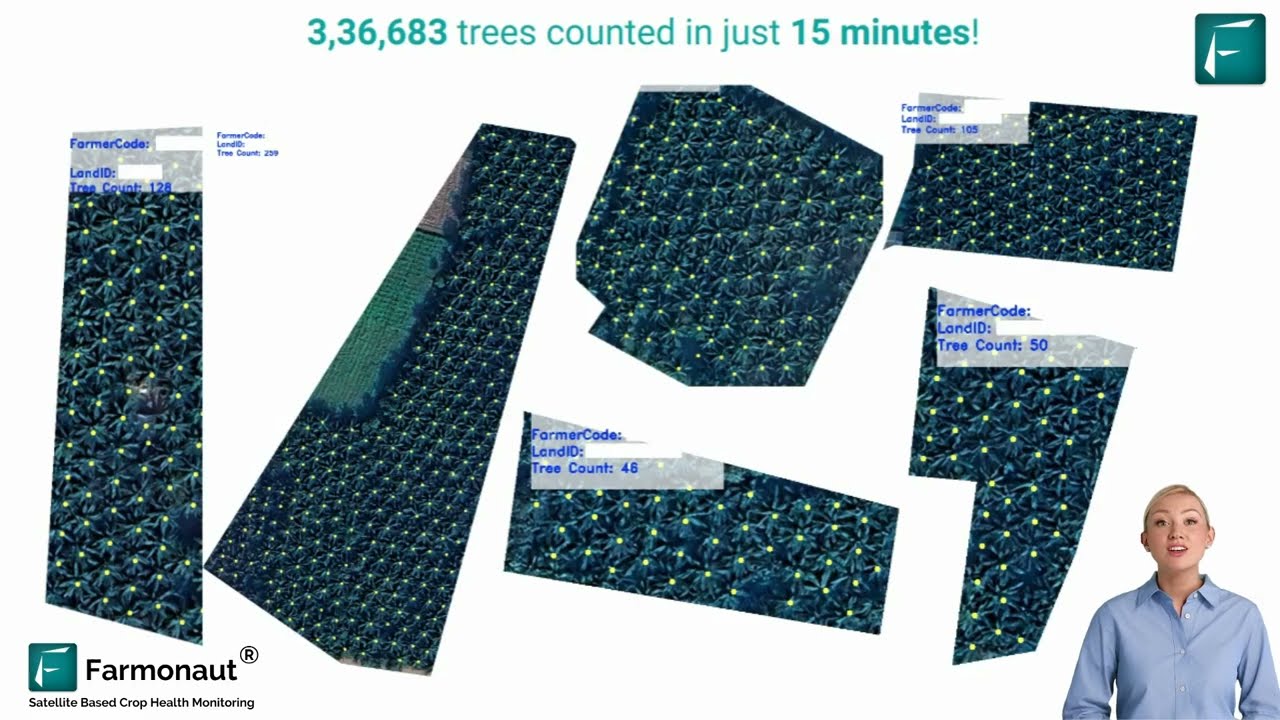
If you’re running replantation or want to maintain forest health and traceability, explore our Crop Plantation & Forest Advisory Solutions—delivering AI-driven tree detection, mapping, and targeted site intervention analysis for forestry and land managers.
4. Integrated Land Use Systems
Adopting integrated management strategies—such as agroforestry, silvopasture, or coordinated multi-resource planning—can enhance total system outputs, distribute risk, and support sustainable outcomes.
- Practices: Agroforestry (trees + crops), rotational grazing, polyculture design, combining mining with progressive rehabilitation or post-extraction reuse plans.
- Goal: Optimize resource cycling, improve soil and water buffers, and align ecosystem services with productivity.
💡 Integrated Land Management List
- 🌲🌾 Agroforestry: Build farm/forest synergies for nutrients, microclimate control, and financial diversification.
- 🐄🌱 Silvopasture: Combine grazing and tree crops to diversify outputs and reduce environmental impact.
- 🔄🌍 Multi-Use Site Plans: Blend productive and conservation uses for mining closure and infrastructure project sites.
- 👨👩👧👦 Stakeholder Engagement: Involve community members in planning to align site use with local and regional needs.
Visit our Large Scale Farm Management platform for unified administrative dashboards and all-in-one data integration—from weather, remote sensing, to operational mapping—for sustainable farm and landholdings.
Integrated land use systems reduce risk, increase market value, and extend revenue timelines from site rehabilitation, agroforestry earnings, or land repurposing—key metrics for both strategic and impact investors.
5. Waste Reduction & Responsible Resource Extraction
Resource efficiency means getting more from every input and reducing waste at every process stage. For farming and forestry, this involves precision input application and recycling. For mining and infrastructure projects, responsible extraction also includes minimizing disturbance, proper waste disposal, and regenerative approaches from project initiation.
- Practices: Use precision nutrient and water application, on-site material sorting, waste stream recycling, and responsible tailings management.
- Goal: Lower environmental impact, reduce operating costs, and maximize material value from extraction to closure and rehabilitation.
Consider our Traceability Solutions powered by blockchain for ensuring supply chain authenticity—crucial for mining and agriculture operations aiming for transparency, compliance, and market access.
Apply the principles of the circular economy—reuse, repair, and recycle materials, whether for farm inputs, forestry mulch, or mining byproducts—to further reduce waste and extend resource lifecycles.
6. Technology-Driven Monitoring Solutions
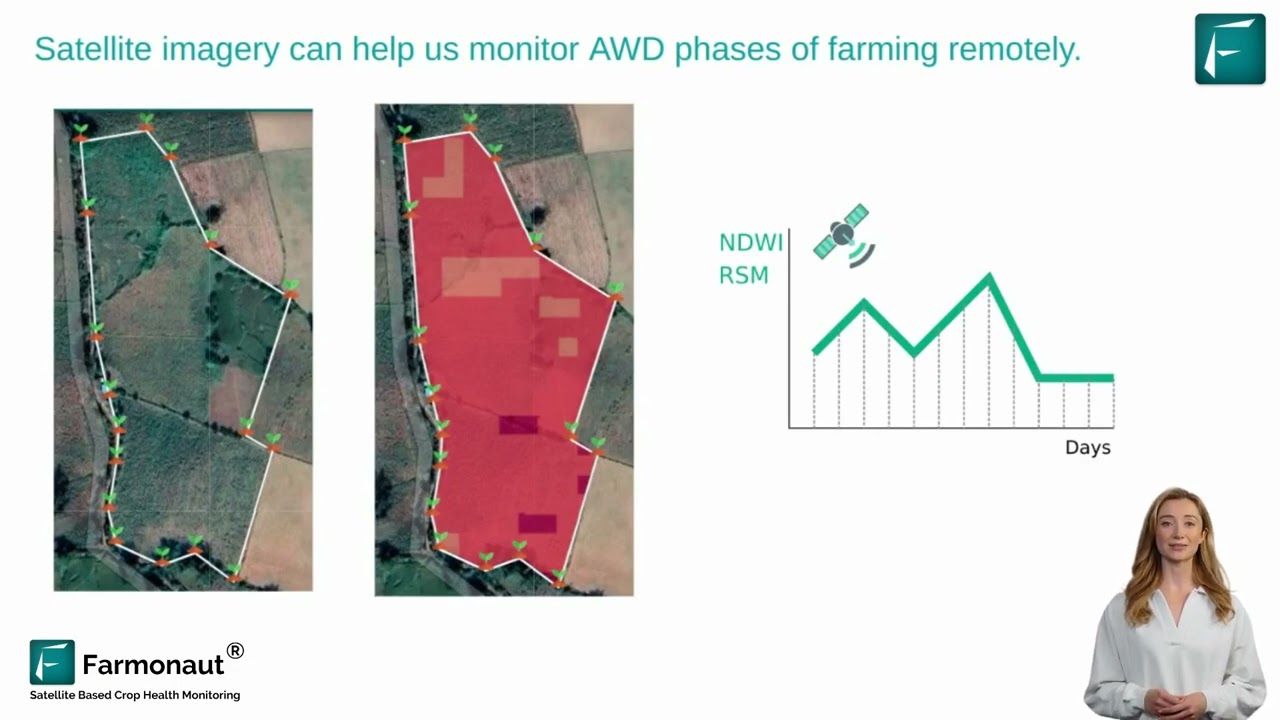
Modern satellite imagery, sensor networks, and machine learning offer cost-effective, actionable insights for soil, water, and land management at every scale—unlocking efficiency, minimizing human error, and supporting faster responses to dynamic site conditions and risks.
- Practices: Multispectral satellite monitoring (e.g., NDVI, NDWI), drone surveys, real-time IoT sensors, AI-based advisory systems, and blockchain-enabled traceability.
- Goal: Automate monitoring, streamline decision-making, and empower predictive, rather than reactive, management.

Farmonaut’s AI-powered carbon footprint monitoring solutions and satellite-based verification products help users access emission insights and enable fast, fraud-resistant loan or insurance processing. Access these tools on web, iOS, Android, or through direct API integration:
Fleet Management further drives savings by optimizing machine/equipment use and logistics across all sectors.
Integrating multisource data from satellite, sensor, and weather feeds improves resource management and increases resilience against both operational and environmental shocks—essential for modern sustainability planning.
7. Rehabilitation & Closure Planning
Effective rehabilitation and closure plans are central to restoring ecological balance and reducing long-term liabilities for mining, infrastructure, and intensive agriculture or forestry operations.
- Practices: Progressive recontouring, revegetation with native species, soil reconstruction, post-use habitat creation, and long-term monitoring of stability, water quality, and ecosystem function.
- Goal: Return land to productive or natural states, reduce environmental risks, and fulfill community and regulatory expectations.
Delaying rehabilitation planning until project end increases costs, extends risk periods, and jeopardizes site stability. Start closure planning from day one for phased, cost-effective ecosystem restoration.
Comparative Strategies Impact Table
| Optimization Method | Sector | Estimated Resource Efficiency Gain (%) | Environmental Impact Score (1–10) |
|---|---|---|---|
| Holistic Soil Health Management | Agriculture, Forestry, Mining Rehabilitation | 30–50% improved soil quality and input use | 9 |
| Water Resource Management & Precision Irrigation | Agriculture, Forestry, Mining | Up to 40% reduction in water waste | 8 |
| Erosion Control & Biodiversity Enhancement | Agriculture, Forestry, Mining, Infrastructure | 15–40% reduction in soil/land loss, up to 20% biodiversity gain | 8 |
| Integrated Land Use Systems | Agriculture, Forestry, Mining, Infrastructure | 15–25% higher resilience/productivity | 8 |
| Waste Reduction & Responsible Resource Extraction | Agriculture, Mining, Infrastructure | 10–30% reduction in material waste/inputs | 7 |
| Technology-Driven Monitoring Solutions | Agriculture, Forestry, Mining, Infrastructure | 15–25% increase in resource efficiency | 9 |
| Rehabilitation & Closure Planning | Mining, Infrastructure, Forestry, Agriculture | Restores up to 90% ecosystem function/losses over time | 10 |
Combining two or more optimization strategies can unlock synergistic gains—e.g., pairing soil health management with biodiversity enhancement achieves both yield boost and risk reduction, benefiting landowners and the broader community.
Best Practices Checklist
- ✔ Start with Baseline Assessments: Analyze soil health, water availability, biodiversity, and site stability for every landholding or operation.
- ✔ Implement Integrated Management Plans: Link inputs with outputs and embed environmental safeguards.
- ✔ Invest in Precision Tools & Remote Monitoring: Enhance data collection and targeted resource application to reduce waste and improve efficiency.
- ✔ Prioritize Rehabilitation & Closure Planning: Build phased infrastructure for ecosystem repair from project initiation.
- ✔ Engage Stakeholders Early: Foster transparent communication for community and regulatory alignment.
🧭 Risk & Opportunity List
- ⚠ Risk or Limitation: Delaying monitoring increases unforeseen costs and site instability.
- 🎯 Main Opportunity: Smart technology and precision tools enable proactive, economically sound sustainability management.
- ✔ Essential Step: Quantify resource efficiency—track what you save, not just what you spend.
- 🌎 Wider Impact: Integrated approaches build resilient communities and conserve ecosystem services.
Practical Takeaways for Practitioners
- ✔ Use Farmonaut’s web, iOS, and Android applications for end-to-end satellite-based real-time monitoring, tailored insights, and management toolkits—available via this link.
- ✔ Integrate AI-driven dashboards and APIs for seamless decision support. Explore documentation: API Developer Docs
- ✔ Schedule seasonal soil testing (pH, organic matter, nutrient profiles) as a baseline for site-specific improvement plans.
- ✔ Invest in moisture and biodiversity monitoring to respond rapidly to dynamic field and operational changes.
- ✔ Build robust budgets—factor in maintenance, rehabilitation, and resource costs to optimize for total lifecycle profitability.
For bulk operations, Fleet Management solutions boost logistics planning, reduce machine downtime, and maximize efficiency throughout the supply chain.
Site stability, efficient resource extraction, and long-term value creation depend on embedding sustainability strategies into operating models. Investors value projects that demonstrate low-risk, high-resilience profiles and transparent closure plans.
Frequently Asked Questions (FAQ)
A: Begin with soil assessment and then implement cover cropping along with precision irrigation or moisture monitoring. You instantly boost organic matter, improve water retention, and reduce input costs.
Q2. Why is rehabilitation planning key for mining and infrastructure?
A: Rehabilitation is key to restoring site stability, minimizing long-term liabilities, and enabling land reuse or community benefit after extraction or construction. It’s also a regulatory requirement in many sectors.
Q3. How do technology-driven monitoring systems reduce risks?
A: Real-time data from satellites, sensors, and AI analytics spot problems before they escalate, support rapid response, improve compliance, and save on remediation costs.
Q4. How does integrated land use benefit operational profitability?
A: By stacking outputs (crops, timber, grazing), reducing risk (climate, pest), and sharing costs across multiple use cases, you increase revenue streams and optimize input-use efficiency per hectare.
Q5. What makes Farmonaut’s solutions different for sustainability efforts?
A: We combine affordable access to high-frequency satellite data, powerful AI-driven dashboards, and real-time environmental impact monitoring (e.g., carbon footprinting) to empower decision-making at every scale of operation in agriculture, forestry, or mining—even for remote and large-scale sites.
Explore Farmonaut Resources & Tools
Ready to optimize your farming, forestry, mining, or infrastructure projects?
- 🌍 Explore all-in-one solutions via our web/mobile platforms—from field-level insights, AI-based crop/soil analysis, to fleet and resource management.
- 📱 Download our mobile apps for seamless monitoring: Android / iOS
- 🔗 Integrate advanced monitoring and AI-driven APIs with your own dashboards or corporate software: API Access | Developer Docs
For questions about scaling up, data customization, or to request tailored environmental sustainability packages, contact us via the app or through the Farmonaut website.
Sustainability isn’t about perfection—it’s about progress. Start by measuring what matters (soil health, water use, waste reduction) and adjust practices each season for ongoing improvement.
Summary
Understanding soil, water, and land optimization through the lens of agriculture, forestry, and mining reveals its fundamental importance for productive, resilient, and sustainable outcomes. From the first step—baseline soil health or water assessment—to large-scale technology integration, it’s clear that a proactive, data-driven and ecological stewardship mindset is essential. We at Farmonaut provide affordable, satellite-based, real-time insights and advisory solutions to support industry leaders, landowners, and communities worldwide in maximizing yields, reducing impact, and building resilience for tomorrow’s challenges.
Sustainability is a journey—one made more efficient, productive, and secure by embracing precision, responsible practices, and continuous innovation.


