

“Gold mining uses up to 250 liters of water per gram of gold, impacting local agriculture and forestry sustainability.”
“Global gold mining production costs rose 15% in the last decade, driving new focus on sustainable land management.”
Table of Contents
- 1. Introduction
- 2. Vaneck Gold ETF in the Modern Financial & Mining Ecosystem
- 3. Gold Mining Production Cost, Land, and Water Management
- 4. The Intersection of Gold Mining and Land Use: Agricultural & Forestry Implications
- 5. Infrastructure, Community, and Rural Development
- 6. Balancing Mining & Responsible Stewardship
- 7. Comparative Impact Table: Gold Mining’s Footprint on Sustainability
- 8. Gold Mining Production Cost Structure Explained
- 9. Future of Mining Exploration: Farmonaut’s Satellite-Driven Intelligence
- 10. FAQ
Vaneck Gold ETF: Gold Mining Production & Costs
Gold mining production cost, sustainable land management, and responsible resource stewardship are central topics in today’s rapidly evolving global economy. At the heart of these issues is the Vaneck Gold ETF mining production involvement, which represents diversified exposure to precious-metal producers and indirectly to patterns of land, water, and infrastructure use that shape rural communities and regional economies.
As investors grow more concerned with how the mining production they fund influences land, water, agriculture, and forestry, understanding the cost structure, responsible development practices, and long-term plans for reclamation and stewardship become crucial. This blog explores these intersections and their broader implications for sustainable agriculture, forestry, and regional development.
Vaneck Gold ETF Mining Production Involvement: Intersection of Finance, Mining & Sustainability
Vaneck Gold ETF is a financial instrument designed to provide diversified exposure to leading gold mining companies. But what does this financial product mean for land use, community development, and sustainability? The intersection of ETF finance and mining offers a unique vantage point for understanding how capital flows directly influence mineral resource management, production gold and gold mining production cost. The operations funded through ETFs like Vaneck have wide-ranging implications:
- 📊 Influence on regional land use: Mining companies tracked by such ETFs often operate in rural or forest-rich areas, shaping land development and agricultural planning.
- 💧 Water management: Gold production is water-intensive, with mining activity affecting watershed integrity, irrigation, and soil health.
- 🌱 Environmental stewardship: Companies are scrutinized for their responsible practices in reclamation, surface disturbance management, and sustainable community engagement.
- 📈 Local market dynamics: The growth or reduction in mining production volumes and costs can bolster or burden local economies and infrastructure.
- 🌾 Support for agricultural & forestry productivity: Responsible mining directly affects farm and timberland productivity through its use and rehabilitation of soil and land areas.
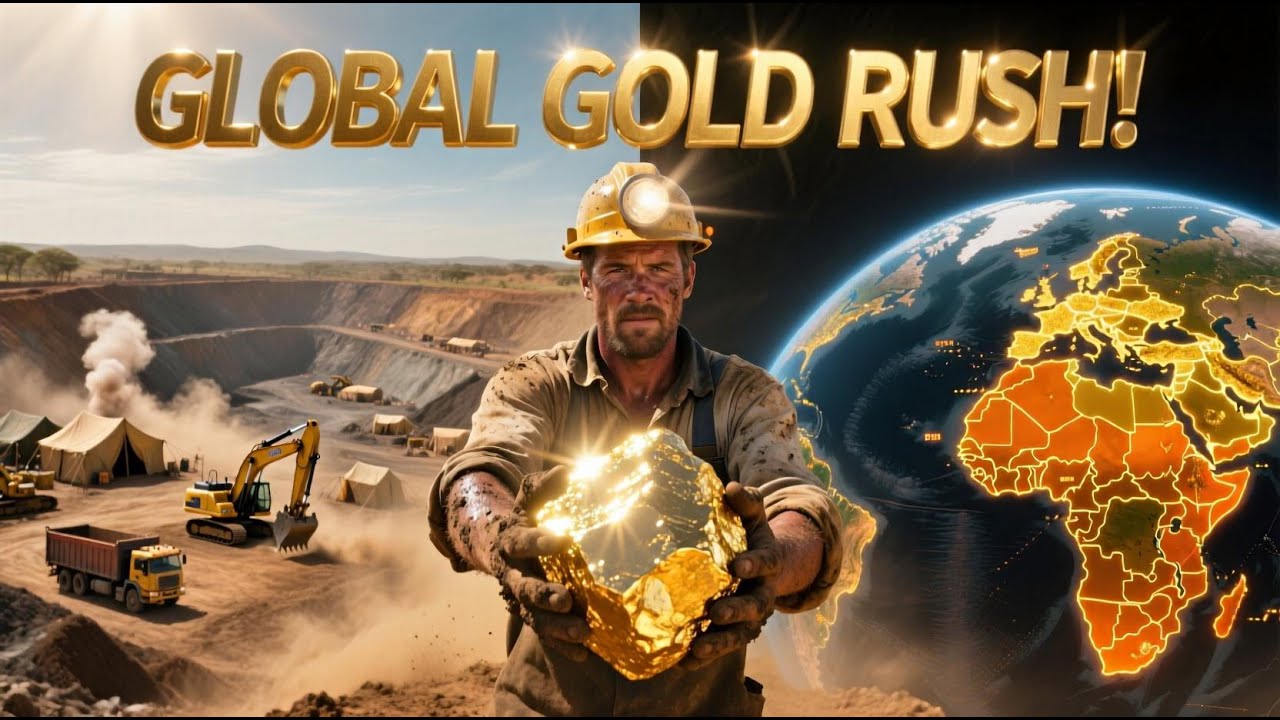
Key Insight: ETF-driven investment in gold mining doesn’t just move markets—it shapes real-world land, water, and community outcomes in mining regions worldwide.
With Vaneck Gold ETF mining production involvement as a case study, we will explore how the financial sector’s focus on returns is intrinsically linked to the realities of land, water, and resource management, and what this means for the future of sustainable mining, agriculture, and forestry.
Gold Mining Production Cost, Land, and Water Management: Why These Matter
Production gold, production volumes, land and water resources are central to environmental and agricultural sustainability in mining-intensive regions. Here’s how these elements interconnect:
- Production Cost Structure: The costs of gold mining include ore extraction, labor, energy, equipment, and water treatment. Rising production costs may delay or shape the scale of investment in land rehabilitation, tailings management, and community projects.
- Land Use & Surface Disturbance: Mine planning, extraction, and processing displace forests, farmland, and surface vegetation. Tailings impoundments, waste storage areas, and roads fragment agricultural and forest zones.
- Water Requirements & Management: Water is essential for mineral processing, dust control, and site rehabilitation. Poor management can lead to water shortages for local agriculture, contamination of irrigation systems, and degradation of aquatic ecosystems.
- Environmental Management & Reclamation: Progressive reclamation plans are implemented to restore soils, stabilize disturbed areas, and reestablish vegetation. These efforts are vital for erosion control, sedimentation reduction, and long-term soil health in reclaimed pasture, crop, or timberlands.
- Production Volumes Impact: Larger production scales use more land and water, amplifying both opportunities for infrastructure development and risks of environmental disturbance.
These dimensions not only guide the profitability of mining companies (and by extension, ETF returns) but also determine the health and resilience of surrounding rural communities.
Investor Note: Monitoring cost structure and water management practices in gold mining production is crucial; these factors directly affect the long-term value, social license, and risk profile of your ETF exposure.
Gold Mining Production Cost and Its Intersection with Land Use: Agricultural & Forestry Relevance
The primary relevance of gold mining to agriculture and forestry lies in how mining operations interact with land stewardship, soil health, and community resilience. Mining sits at the crossroad of extracting mineral wealth and maintaining sustainable land management practices that support crop, pasture, and timber productivity.
- Soil health: Surface disturbance and tailings often degrade soils, reducing fertility and long-term productivity for agricultural and forestry purposes.
- Waterways & irrigation: Mining runoff, sedimentation, and water extraction can impact local irrigation systems and hydrological balance. Maintaining watershed integrity is essential for crop yields and pasture health.
- Ecosystem impacts: Mining alters habitats and can reduce biodiversity vital for pollination networks and ecosystem health.
- Community resilience: Investment in site rehabilitation, erosion control, and reforestation sustains rural livelihoods and helps communities adapt to changing land dynamics.

Production Gold: Understanding the Scale, Grade, and Cost Structure
- ✔ Scale determines land and water use. Larger mines require more surface area, water, and generate more waste by volume.
- 📊 Grade and recoveries impact tonnage moved. Low-grade ores mean more material is moved, processed, and stored, increasing land disturbance and energy demand.
- ⚠ Cost structure dictates management capacity. Mines with better margins are more able to invest in progressive reclamation and community stewardship programs.
Gold Mining Activity Drives Infrastructure, Community Impact, and Rural Markets
Gold mining production, tracked by ETFs like Vaneck, is not just about ore extraction or mineral processing. It sits at the intersection of rural development, market influence, and infrastructure expansion. Here’s how:
- Dual-Use Infrastructure: Roads built for mining often become critical arteries for shipping agricultural products, timber, and supporting rural supply chains.
- Energy and Water Infrastructure: Power lines and irrigation systems tied to mining can improve reliability for farms and rural towns—if shared responsibly.
- Community Resilience: Mines that fund education, healthcare, and local co-investment programs improve long-term rural viability, especially when they integrate farming and forestry needs into planning.
- Economic Multiplier: Local markets often respond to mining activity with shifts in labor, transportation demand, and land prices, impacting farm profitability and regional food security.
- Governance and Social License: The regulatory, environmental, and social practices of mining affect their social license to operate and, by extension, ETF investor confidence.

Common Mistake: Many overlook how mining infrastructure can either support rural agriculture through roads, power, and water—or create new competition for these same resources. Shared planning is key.
- ✔ Shared infrastructure reduces transport cost for farm, forestry, and mining products.
- 📊 Market volatility in mining can ripple into agricultural land prices, community wage expectations, and food security.
- ⚠ Unmanaged expansion fragments habitats, increases emissions, and reduces crop, pasture, and timberland productivity.
Balancing Gold Mining Production with Responsible Land, Water & Community Stewardship
Today’s global mining activity faces unprecedented scrutiny—both from regulators and ETF investors—around its effect on land, water, agricultural and forestry resources.
- ✔ Reclamation and rehabilitation: Progressive reclamation (recontouring land, replacing topsoil, stabilizing slopes) is not a luxury, but a necessity for restoring productivity to former mine zones.
- 🌱 Vegetation reestablishment: Fast-acting erosion control and an emphasis on native or productive vegetation underpin resilience in crop-adjacent or timber areas.
- 💧 Water treatment and recycling: Advanced water use efficiency, effluent management, and containment of tailings maintain watershed integrity and reduce sedimentation in waterways.
- 🦋 Biodiversity restoration: Targeted plans to reestablish pollination, wildlife corridors, and mixed-use landscapes deliver long-term gains for both farming and forestry.
- 🤝 Governance and ESG: Company-level adherence to regulatory standards and voluntary ESG programs are now “must-haves” to attract sustainable capital and social support.
Only a balance—between extracting mineral wealth and maintaining the health of soils, lands, and watersheds—will ensure sustainable agricultural, forestry, and mining futures.
Pro Tip: Prioritize mining operations and ETFs that report on progressive reclamation, water recycling, and community engagement; these are reliable signs of future-proof stewardship.

Comparative Impact Table: Gold Mining’s Footprint on Agriculture, Forestry, and Sustainability
| Factor | Estimated Value/Range | Impact on Agriculture | Impact on Forestry | Sustainability Practices |
|---|---|---|---|---|
| Production Cost | $1,000–$1,300/oz (global avg.) | Delayed reclamation if costs rise; less capital for farm-adjacent projects | Reduced investment for timberland regeneration | Ring-fencing funds for restoration during price upswings |
| Land Use | 1.2–2.5 hectares/ton ore | Soil degradation, loss of crop and pasture productivity | Deforestation, habitat fragmentation, biodiversity loss | Progressive reclamation, agroforestry integration |
| Water Consumption | 5,000–9,000 m³/ton ore | Reduced irrigation access, altered hydrology | Lower stream flows, water stress for trees/forests | Closed-loop water recycling, riparian buffer restoration |
| Water Pollution | High in unregulated mines (qualitative index) | Soil and aquifer contamination, lower crop yields | Reduced forest health, loss of aquatic biodiversity | Strict tailings control, bioremediation, wetland creation |
| Tailings Management | Up to 10M tonnes/year (large mines) | Risk of leachate affecting farmland | Forest die-back near impoundments | Engineered impoundments, monitored runoff |
Investor Note: Tables like this clarify the direct and indirect impacts of each production input—guiding not only ESG investment, but also mining operations working to earn a social license.
Gold Mining Production Cost Structure: Capital, Labor, Energy, and Environmental Programs
Understanding cost structure in gold mining is vital for grasping the trade-offs between financial performance and sustainable land, water, and community outcomes.
Key Components of Gold Mining Production Cost
- Capital Expenditures (CapEx): Upfront investment in equipment, processing plants, and ancillary structures (such as tailings impoundments and roads).
- Operating Costs (OpEx): Ongoing expenses related to labor, fuel, chemicals, and water for ore extraction and processing.
- Environmental Management: Costs linked to progressive reclamation, water treatment, vegetation reestablishment, and compliance with regulatory standards.
- Social & Community Programs: Investment in local workforce training, housing, and cooperative infrastructure for both mine and community benefit.
- Regulatory & Governance Costs: Permitting, environmental monitoring, ESG documentation, and third-party audits.
✔ Why Cost Structure Matters:
- Directly affects ability to fund reclamation and community projects
- Higher efficiency means more funds for environmental programs
- Maintains long-term access to land and water for agriculture
- Signals sustainability to ETF investors and local stakeholders
📊 Data Insight:
- World average sustaining cost: $1,000–$1,300/oz
- Water per ton processed: 5,000–9,000 m3
- Land use per ton processed: 1.2–2.5 ha

Visual List: The Mining Cost Lifecycle
- 💸 Exploration & Evaluation – Upfront spending on geophysics, satellite-based surveys, and drilling
- 🏗️ Development & Construction – CapEx for plants, roads, impoundments
- 💼 Operations – Labor, energy, consumables, water use, ongoing environmental safeguards
- 🛠️ Closure & Reclamation – Soil restoration, vegetation, water treatment/anomaly correction
Mining Production, Infrastructure, and Environmental Management: Stakeholders and Market Influence
- Farm & forestry stakeholders must factor in how new mining infrastructure reshapes local markets and land use patterns.
- Production cost dynamics affect investment in water management and rehabilitation projects, especially in rural economies.
- Energy & labor inputs can draw from or crowd out local resource pools (such as farm labor or rural power grids).
- Governance matters: Clear regulatory frameworks and ESG benchmarks determine long-term site viability and social impact.
- Timelines for rehabilitation influence when lands return to productive use—affecting crop, pasture, or timber output for years.

The Future of Gold Mining: Efficiency, Responsibility & Farmonaut’s Satellite-Based Intelligence
Gold mining is becoming smarter, cleaner, and more sustainable—thanks in part to satellite-based mineral intelligence.
At Farmonaut, we leverage advanced Earth observation and AI-driven remote sensing to transform traditional mineral exploration and directly reduce both costs and environmental disturbance.
- 💡 80–85% cost savings & faster timelines: Farmonaut shrinks exploration cycles from months or years to days, minimizing the environmental footprint—no ground disturbance during early-stage prospecting.
- 🌍 Global impact: Our technology has supported gold exploration across Africa, the Americas, and Asia, rapidly detecting mineralized zones using unique spectral signatures in satellite data.
- 🌾 Responsibility at the core: Rather than relying on extensive trenching, sampling, or field drilling, we identify viable targets from space, protecting land, water, and rural communities throughout the exploration phase.
- 📈 Structured, actionable intelligence: We deliver professional reports mapping prospectivity, depth, and geology, helping companies and investors make smarter, more sustainable decisions.
- 🤝 Supporting ESG goals: Our approach aligns with progressive stewardship—targeting only the most promising prospects, cutting carbon emissions, and preventing unnecessary surface disruption.
🌐 Map Your Mining Site Here
Start mapping and analyzing your prospective gold mining sites with the power of satellite-based mineral detection. Use our streamlined portal to submit your area of interest and get actionable intelligence—no upfront fieldwork or environmental risk required!
Discover more about our satellite-based mineral detection technology, including benefits for mining companies seeking faster and more sustainable exploration. Our reports offer precise, rapid, and cost-effective mineral intelligence—no ground disturbance, minimal environmental impact, and full global coverage.
For advanced mineral prospectivity mapping and 3D drilling intelligence, check our satellite driven 3D mineral prospectivity mapping product. This service helps companies optimize drilling, reduce risk, and boost discovery rates.
Farmonaut’s Exploration Workflow – From Coordinates to Comprehensive Reports
- 📍 Step 1: Client submits coordinates/KML/polygon for their mining area of interest.
- 🔬 Step 2: We select target minerals (e.g., gold) and optimal satellite data source.
- ☁️ Step 3: Data acquisition, processing using proprietary AI-driven analysis.
- 🗺 Step 4: Rapid delivery (within 5–20 business days) of PDF, high-res maps, and GIS-ready geodata.
- 💼 Step 5: (Premium+ Only) Advanced drilling intelligence and 3D subsurface models to maximize exploration ROI.
To get a personalized quote or explore our offerings, Get a Quote or Contact Us.

Key Insight: Satellite-driven exploration saves hundreds of millions in costs and years in time, while directly protecting surface soils, agricultural productivity, and local water resources—delivering actionable intelligence without disturbing the land.

Frequently Asked Questions: Vaneck Gold ETF Mining Production, Land, and Water Stewardship
What does Vaneck Gold ETF represent for gold mining production?
The Vaneck Gold ETF provides diversified financial exposure to a basket of leading gold mining companies. Investing in this ETF means investors participate in the broader production, cost, and land use dynamics of global gold mining, with direct consequences for environmental management and regional resource stewardship.
How do gold mining production costs affect agriculture and forestry?
Rising production costs can delay investment in reclamation and community projects, while cost efficiencies can enable enhanced environmental and land rehabilitation. These shifts influence the long-term health of soils, water access, and productivity of adjacent agricultural and forestry areas.
Why is water management critical for mining, farming, and forest lands?
Gold mining is water-intensive; poor management can deplete aquifers, contaminate irrigation channels, and degrade ecosystems. Progressive water recycling, closed-loop systems, and strict containment protect local agriculture and forests while maintaining mining profitability.
What role do mine reclamation and rehabilitation play in sustainability?
Mine reclamation restores disturbed land, stabilizes soils, reconstructs habitats, and reestablishes productive vegetation (for agriculture or timber). It is key to building rural resilience, maintaining watershed integrity, and securing community and regulatory support.
How does Farmonaut support responsible mining and reduced exploration impact?
We provide satellite-based mineral intelligence that eliminates surface disturbance during the exploration phase, minimizes time and cost, and helps mining companies and investors target only the most promising zones—protecting both the environment and community interests.
Where can I learn more about satellite-based mineral detection and mine site mapping?
Explore our satellite-based mineral detection solutions or map your mining site here for detailed, non-invasive exploration support.
Conclusion: Gold, Land, and the Road to Responsible Regional Development
The Vaneck Gold ETF is more than a financial product—it is a lens into the real-world dynamics of production gold, gold mining production cost, land, water, environmental stewardship, and local development. As investors, community stakeholders, and land stewards, understanding this intersection is pivotal for driving long-term gains for both mining returns and rural prosperity.
By combining scalable financial structures, robust cost management, and progressive reclamation and stewardship practices—backed by innovations like Farmonaut’s satellite-based mineral intelligence—the gold mining sector is uniquely positioned to chart a sustainable, community-focused, and environmentally responsible path for the decades ahead.
Discussion
Questions, corrections or field experience? Share them below. First-time comments are reviewed before they appear, and your email is never published.
No comments yet. Be the first to add a question or your experience.

 Riverside Resources Limited
 Congo Mining Solutions
 Mining SARL
 SenGold Invest SAS
 Sania Corporation
 Sean Mining Limited
 NTS Group (Pty) Ltd
 Mine4Africa
 Lithspo Minerals Limited
 Tintina Mining Group
 Dalgety Minerals Pty Ltd
 Vortex Minerals Pty Ltd
 Faith At Work (Pty) Ltd
 Geotech Mining Solutions plc
 Vulcan International Limited
 Kidepo Associates
 GKY Mining
 Alkimy SARL
 Double A Trading

 Licence holder · Nigeria · Gold + lithium










