

Finding in Colorado: Is There Gold in Colorado Mines? The Sustainable Intersection of Gold Mining, Agriculture, and Forestry
“Colorado produced over 45 million ounces of gold since 1858, significantly impacting land and water management practices.”
Introduction: Gold Mines in Colorado – Beyond the Rush
The phrase finding in Colorado immediately conjures images of rugged mountains, winding canyons, and prospectors braving the frontier. But beyond the gold rush legends lies a story of how gold mines in Colorado have shaped—and continue to shape—our land, water, soil, and community resource management. The pursuit of gold has left a legacy that deeply intersects with agriculture, forestry, and the stewardship of Colorado’s precious ecosystems.
Today, land managers, farmers, foresters, and mining professionals face questions like: Is there gold in Colorado’s mines worth extracting? How do mining practices affect water and soil conditions for farms and forests? Can gold mining coexist with agriculture and forestry under integrated land management principles? In this comprehensive post, we explore the history, geology, land use, and future of gold mining in Colorado, focusing on the balance between economic opportunity and environmental stewardship.
“Over 1,000 active and inactive gold mines in Colorado influence sustainable agriculture and forestry land use decisions.”
🔎 Key Insight:
Gold mining in Colorado doesn’t just extract minerals—it shapes water usage, land allocation, and biodiversity across regions historically driven by the lure of gold. Land stewardship today focuses on harmonizing these legacy impacts with modern needs for agriculture and forestry.
The Geology of Gold in Colorado: Where and How It Occurs
Understanding where gold is found in Colorado is critical for effective land and resource management. The occurrence of gold dictates not only where exploration and mining activities concentrate, but also influences planning for agriculture, forestry, and rural infrastructure across the region.
Colorado’s Gold: Hydrothermal Veins and Placer Deposits
- Hydrothermal Vein Systems: Gold in Colorado is primarily associated with hydrothermal veins—zones where mineral-rich fluids have moved through rock fractures, depositing gold, quartz, and other minerals along fault lines.
- Placer Deposits: Secondary gold accumulates as placer deposits, where water action in streams and creeks concentrates heavier minerals like gold, usually in alluvial gravels and historical streambeds.
These geological formations often occur in the remote, rugged terrains where foothills, canyons, pine forests, and river corridors overlap—zones that are also critical for wildlife movement, water sourcing, and agricultural activity.
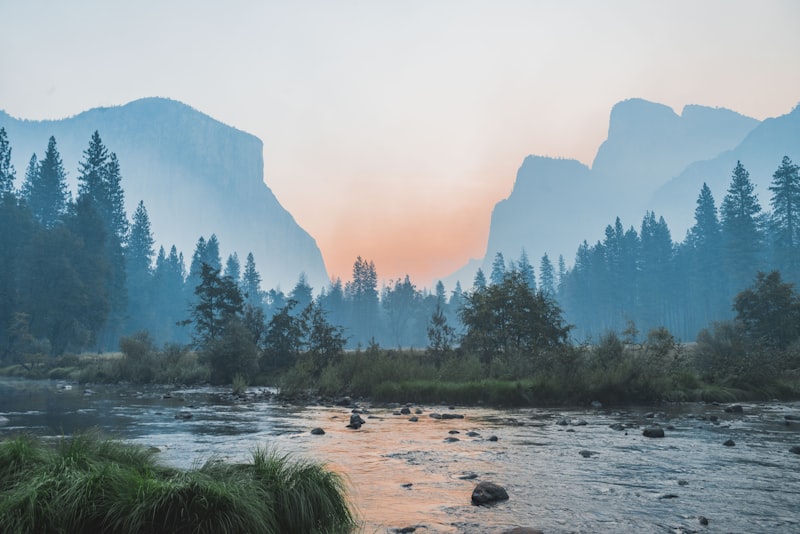
As land managers, farmers, and foresters seek to optimize their use of land for grazing, timber harvest, and irrigation, understanding the underlying mineral interests is essential. Mapping ore zones helps avoid unnecessary disruption of habitats, limits conflicts, and supports multi-use planning.

Gold Zones: Overlapping Interests in Land and Ecosystem Use
- 🟢 Forested Corridors: Placer deposits often overlap with forested foothills—the same regions used for timber harvest, wildlife movement, and recreation.
- 🌊 Creek and Streambeds: Accumulation of gold in streambeds can intersect with irrigation intakes, affecting farm water quality and availability.
- 🏞 Grazing and Rangelands: Areas slated for seasonal livestock grazing may abut historical or active mining claims, necessitating close stakeholder engagement.
- ✔ Key benefit: Early geological mapping helps landowners and operators avoid costly conflicts over land use and environmental impacts.
- 📊 Data insight: More than 1,000 gold mines, both active and inactive, have been identified across Colorado’s key mineral belts.
- ⚠ Risk or limitation: Overlapping permits and competing land interests can delay both mining and agricultural production if not addressed early.
- 🌱 Sustainable outcome: Integrated land mapping supports restoration of sensitive habitats post-mining.
- 🧭 Strategic edge: Spatial intelligence from satellite tools accelerates site selection and stewardship planning.
How Gold Mining Shapes Land, Water, and Soil Use in Colorado
Gold exploration and extraction practices in Colorado have far-reaching implications for rural and community economies, environment, and land management. Whether finding in Colorado means staking a new claim or simply identifying zones of gold occurrence, responsible action is required to protect water, soil, habitat, and vegetation health.
Land Access, Security, and Stakeholder Engagement
Mining operations require access—roads, drill pads, and sometimes explosive zones. This can temporarily disrupt local transportation, seasonal grazing rotations, timber operations, or access for farmers and foresters. Early, transparent stakeholder engagement with landowners, tribes, and community groups is the best practice to minimize conflict and align mineral interests with other land uses.
💡 Pro Tip:
When planning exploration activities, invest time in mapping overlapping permits or historical mining zones before ground operations begin. This helps avoid disruption of sensitive agricultural, forestry, or water resources, and limits costly delays.
Water Resources: Gold Mining’s Effect on Irrigation and Quality
- Mining can contribute to sedimentation, heavy-metal leaching, and altered water flows in nearby rivers and reservoirs.
- Agricultural operations depend on clean water for irrigation and livestock, making monitoring and treatment of mining runoff essential for protecting soil and rangeland health.
- Best practices include construction of erosion control buffers, sediment containment ponds, water quality monitoring, and corrective treatment actions to protect downstream users.
For compliance, mining permits frequently require a water monitoring plan—including parameters like pH, turbidity, and target metal concentrations—to ensure impacts are controlled and rapidly mitigated.

Soil Disturbance and Restoration: Challenges & Solutions
Gold exploration disturbs soil structure by excavation, road building, or movement of heavy equipment. This can increase compaction, inhibit natural regeneration of native vegetation, and facilitate the spread of invasive species.
- 🟢 Reclamation plans must prioritize restoration—using native seed mixes, contouring, and soil health monitoring—to recover productive rangelands or timber lands after operations.
- 🔬 Soil quality monitoring is critical post-mining to ensure that agricultural lands can return to safe, productive use and that biodiversity is supported.

Habitat and Biodiversity: Corridor Protection and Restoration
Many gold mining zones in Colorado intersect with wildlife corridors, riparian habitats, or watershed ecosystems. Integrated land-use planning must include:
- Buffer zones to separate mining from sensitive corridors.
- Seasonal restrictions for wildlife migration or breeding windows.
- Habitat restoration—including native reforestation and waterway stabilization—post-operations.
By maintaining biodiversity and supporting healthy, productive landscapes, restoration programs benefit farms, timber operations, and rural communities far beyond the direct mining area.
🌱 Common Mistake:
Neglecting early soil and habitat restoration can lead to long-term declines in rangeland and forest productivity. Always implement progressive reclamation—restoring lands as projects advance rather than waiting until closure.
-
📍
Zones of Overlap: Gold veins and placers often intersect with planned agricultural, forestry, or infrastructure projects. -
💧
Water Dependency: Both mining and agriculture rely heavily on shared water sources and need robust containment and treatment plans. -
🌳
Vegetation Recovery: Native species help restore natural habitat and stabilize soils post-extraction, supporting forestry and agricultural sustainability. -
🚜
Land Stewardship: Cross-sector engagement reduces conflicts and produces productive, resilient rural economies.
Economic and Community Perspectives on Gold Extraction
The lure of gold in Colorado has not only driven exploration but also shaped rural economies, community planning, and land management practices. Gold mining creates opportunities, but also introduces challenges that must be carefully managed to maintain balance, sustainability, and community health.
Rural Economies: Opportunities and Tensions
- 🟡 Economic Diversification: Gold mining injects capital, creates jobs (often seasonal), and stimulates local services from equipment supply to food markets.
- ⚖ Land Use Competition: Mines can increase land value but may also reduce available grazing, farming, or forestry zones. Balanced planning ensures all interests are heard.
- 📉 Property Value Impact: Concerns about long-term land use, water quality, or industrial operations can affect property values and investment confidence—both positively (speculation) and negatively (environmental risk).

💼 Investor Note:
Modern satellite mineral intelligence—from prospectivity mapping to target zone validation—enables investors to mitigate risk and target only the highest-probability gold zones, maximizing returns while improving ESG outcomes.
Regulatory and Stewardship Considerations
- 📝 Land-Use Permitting: Mining activities require permits that address direct and offsite environmental impact, water rights, and stakeholder engagement. Collaboration with agricultural and forestry landowners ensures early conflict resolution and more robust mitigation.
- 🌱 Reclamation and Land Restoration: Responsible operators implement reclamation plans to restore topsoil, landscape contours, and vegetative cover. Reforestation and reseeding with native species speed ecosystem recovery.
- 🚰 Water Rights & Tailings Management: Ensuring tailings containment and water treatment protects irrigation diversions, livestock, crops, and downstream communities.
By aligning permitting and stewardship programs across mining, agriculture, and forestry interests, Colorado communities build resilient, multi-use landscapes that thrive for decades.
Integrated Land Management: Best Practices and Frameworks
- Early Stakeholder Engagement: Include all land users—miners, foresters, farmers, tribes—at the planning stage.
- Comprehensive Impact Assessment: Analyze projected effects on soil, water, air, and ecosystems and develop integrated mitigation and restoration plans.
- Progressive Reclamation: Restore disturbed zones in stages, prioritizing soil health and habitat rather than waiting until project completion.
- Monitoring & Adaptive Management: Establish real-time tracking of water, sediment, and soil quality; make operational adjustments based on results.
To implement multi-layered prospectivity mapping and maximize both economic and stewardship objectives, advanced tools such as satellite driven 3D mineral prospectivity mapping provide precise insights into target gold zones, assisting decision-makers, field teams, and environmental planners alike.

Sustainable Land Management: Balancing Gold, Agriculture, and Forestry
In Colorado, the intersection of mining, farming, and forestry presents unique opportunities—and a responsibility—to manage lands holistically. Sustainable land management recognizes the value of integrated planning, continuous monitoring, and adaptive stewardship to ensure that gold resources are developed without compromising our region’s agricultural productivity, forest health, and ecosystem vitality.
Key Components of Responsible Exploration and Extraction
- 🛰 Advanced Mapping & Remote Sensing: Satellite-based monitoring identifies mineralized zones, hydrology changes, and land-use conflicts before field disturbance, providing a non-invasive blueprint for sustainable mineral development. Learn how Farmonaut supports sustainable gold exploration with satellite mineral detection.
- 🧪 Continuous Environmental Monitoring: Track air, water, and soil conditions with real-time, science-backed metrics—triggering rapid response if thresholds are exceeded.
- 🌾 Soil Health Restoration: Invest in recontouring, reseeding with native species, and organic amendments to restore agricultural and rangeland productivity.
- 🌲 Biodiversity Enhancement: Restore wildlife corridors, riparian buffers, and natural vegetation to support forestry and farm resilience.
-
🌎
Global stewardship: Non-invasive exploration aligns with ESG standards, reduces carbon footprint, and protects land for future generations. -
💡
Knowledge sharing: Integrated planning combines cross-sector expertise for smarter, more holistic outcomes.

⚠ Common Mistake:
Focusing exclusively on ore yield can lead to overlooked environmental or community risks. Always integrate water quality, land health, and habitat restoration plans in every mining project.
“Over 1,000 active and inactive gold mines in Colorado influence sustainable agriculture and forestry land use decisions.”
🗺 Map Your Mining Site Here:
Plan smarter—map your mining site and explore mineral prospectivity in Colorado now:
mining.farmonaut.com
How Farmonaut’s Satellite Solutions Transform Mining & Stewardship
As we collectively seek a more sustainable, data-driven future for Colorado’s mineral exploration, Farmonaut stands at the intersection of geospatial intelligence and environmental stewardship. Our unique satellite-based platform—applied globally to over 80,000 hectares—enables rapid, non-invasive identification of mineralized zones, fault structures, and alteration halos. This means earlier decision-making, lower costs, massively reduced environmental risk, and accelerated land stewardship planning.
Key strengths of Farmonaut’s approach to finding in Colorado, gold mines in Colorado, and integrated land management:
- 🛰 Remote Sensing & AI: We use advanced satellite data—multispectral and hyperspectral—to analyze reflected energy and identify gold, alteration zones, and key geological structures without ground disturbance.
- ⏱ Time & Cost Efficiency: Our technology reduces exploration timelines from months/years to days/weeks—at up to 85% lower cost compared to traditional methods.
- 🌱 Environmental Safeguarding: Early, accurate targeting means no ground disturbance at the prospecting stage, and only focused, minimized field operations follow.
- 🌍 Global Applicability: We’ve proven our model across North America, South America, Africa, and worldwide, highlighting adaptability to Colorado’s unique geology and climate.
- 📊 Comprehensive Reporting: Every project includes actionable PDF reports, high-res maps, and GIS-ready files for planners, regulators, and investors.
For exploration firms, mining companies, and community stakeholders in Colorado, Farmonaut’s mineral detection platform is the modern standard for responsible discovery and stewardship. Get your custom quote for satellite-based mineral prospectivity today.


📞 Need to discuss your Colorado project?
Contact us at farmonaut.com/contact-us for consultation and next steps in satellite-based mineral exploration, land management, or stewardship planning.
Comparative Impact Table: Gold Mining vs Agriculture vs Forestry
Sustainable land management requires understanding how each sector impacts Colorado’s land, water, and soil. The following table summarizes quantitative and qualitative differences, emphasizing where stewardship policies and scientific monitoring can make the greatest difference.
| Land Use Aspect | Gold Mining | Agriculture | Forestry |
|---|---|---|---|
| Land Area Affected | Typically 20–500 ha per site; up to 10,000 ha for major districts. Disturbance can be concentrated. | Statewide impact (millions of hectares); dispersed across valleys, plains, and irrigation basins. | Hundreds of thousands of hectares in managed forests; may overlap with remote mining zones. |
| Water Consumption | 1,000,000–3,000,000 liters/year/site (varies by ore type/processing); risk of contamination if unmanaged. | Billions of liters/year statewide; highest in irrigated valleys. Dependent on water quality. | Moderate; mostly for seedling plantations & fire control. Minimal compared to mining/agriculture. |
| Soil Quality | Can cause compaction, heavy metal residue, and erosion if not properly reclaimed. | Soil fertility actively managed; risks from overuse of chemicals or poor water management. | Risk of erosion post-harvest or following wildfires; restoration often focuses on native species. |
| Biodiversity Impact | High in active phases—habitat fragmentation, invasive species. Remediation essential. | Moderate; habitat loss from monocropping or intensive use. Conservation programs widespread. | Moderate to high if not managed for ecosystem services; best outcomes with mixed, native plantings. |
| Rehabilitation Practices | Mandated by law; includes soil replacement, grading, re-vegetation, water treatment; progressive reclamation recommended. | Soil fertility programs, cover cropping, water buffer strips, rotation to protect soil and habitat. | Native replanting, erosion control, habitat corridor restoration, prescribed burns for health. |
Frequently Asked Questions: Gold, Mining, and Stewardship in Colorado
Is there gold in Colorado today? Where is it found?
Yes, gold is still found in Colorado. Most economically significant gold occurs in hydrothermal veins (hosted in quartz along fractures) and in placer deposits (in streambeds/canyons, especially in the foothills and mountain corridors from Fairplay and Breckenridge to Central City, Cripple Creek, Telluride, and beyond).
How do gold mining activities affect agriculture and forestry?
Mining can temporarily disrupt access, water quality, and soil health for nearby farm and timber operations. Collaborative planning, early stakeholder engagement, monitoring, and progressive reclamation help ensure that affected lands return to productive use after mining ceases.
What regulations govern gold mining in Colorado?
All mining activities require land-use, water, and environmental permits administered through state and federal agencies. These mandates emphasize mitigation of sedimentation, habitat loss, and water impacts, and require formal reclamation/restoration plans.
How can advanced technology lower the impact of mineral exploration?
Satellite-based exploration—such as that provided by us at Farmonaut—enables identification of mineralized zones, faults, and alteration features from space, without any ground disturbance. This radically lowers the carbon footprint, eliminates wasteful land use, and improves cross-sector sustainability.
How can I map my mining claim or get a prospectivity analysis for my land?
To map your Colorado mining site and receive a rapid, satellite-powered prospectivity report, visit the specialized platform: mining.farmonaut.com. You can also Contact Us for personalized consultation.
Conclusion: The Future of Responsible Gold Exploration in Colorado
The story of finding in Colorado is much more than a tale of mineral wealth. It is the continuous balancing act between the economic benefits of gold mining and the sustainable stewardship of land, water, forest, and community resources. By embracing modern mineral detection, rigorous monitoring, proactive reclamation, and integrated land use planning, we can ensure that gold mining, agriculture, and forestry not only coexist, but thrive together.
As we move forward, technology like Farmonaut’s satellite-based intelligence helps us protect sensitive ecosystems, empower rural landowners and communities, and unlock mineral resources with minimum environmental impact. In doing so, we secure Colorado’s future as a landscape of prosperity, productivity, and environmental resilience.
-
✔
Smart exploration is the new gold—preserving our lands for generations to come. -
📊
Data-driven stewardship unlocks long-term value for all stakeholders. -
🙌
Collaboration is essential—engage early, plan together, restore always. -
🌱
Integrated land use creates resilient landscapes, prosperous communities, and healthy environments. -
💡
Stay ahead—use advanced tools and continuous monitoring for the best outcomes in finding gold in Colorado.
Ready to explore, assess, or reclaim mining land in Colorado?
Request a custom quote
or contact us for expert guidance on all things satellite mineral intelligence and sustainable mining site planning.

 Berks Gold Limited
 Mwerezi Minerals Company Limited
 Congo Mining Solutions
 Mining SARL
 SenGold Invest SAS
 Sania Corporation
 Sean Mining Limited
 NTS Group (Pty) Ltd
 Mine4Africa
 Lithspo Minerals Limited
 Tintina Mining Group
 Dalgety Minerals Pty Ltd
 Vortex Minerals Pty Ltd
 Faith At Work (Pty) Ltd
 Geotech Mining Solutions plc
 Vulcan International Limited
 Kidepo Associates
