

Documenting and Sharing Farm Knowledge Effectively
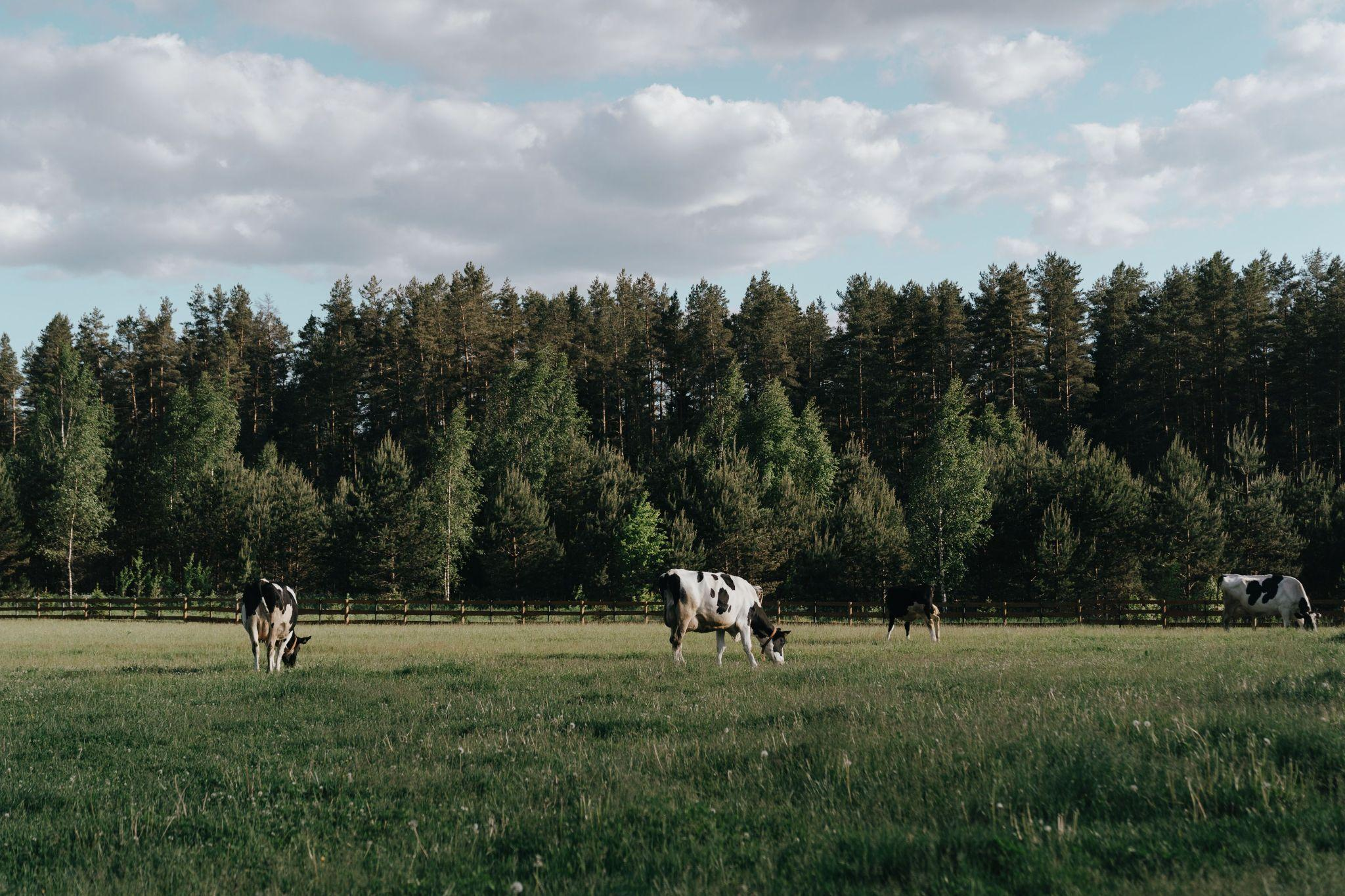
Farming is an activity where you require a high degree of expertise, just as much as you need the land, water, labor, and capital. Sharing and working together is what makes the farming community so trusting.
There are various ways in which you can gain experience in farming. You can learn through tending to the land and livestock, learning about the local environment, experimenting, and even observing. However, this knowledge is special only when you can relay it to others.
With good documentation, you can not only preserve your hard-earned knowledge but also to effectively use it in the future. After all, the best way to ensure that something valuable is not lost is to write it down and put it somewhere accessible.
Good documentation also allows you to organize the knowledge in a structured manner, which you can then use for future planning. Therefore, you can document and share your farm knowledge, regardless of its size and scope.
Start by Recording What You Learn
Your first step towards building farm knowledge is to make information easy to capture. There is no need to invest in sophisticated software. You can use something as simple as a notebook, spreadsheet, or shared document that can serve as a valuable tool to record a bunch of important information.
You can record your planting dates, varieties of crops you have, amounts of rainfall in your area, irrigation and pests, harvests, and other observations.
The information you captured can be used to create flashcards for new workers or your family members so that they can quickly learn valuable lessons on the farm.
Most importantly, you should keep it simple by recording details while they are still fresh instead of waiting until the end of the season. You should try to capture where and when an action was performed and what outcome it had.
It is always important for you to look back at your past activities to determine what works and what does not.
Connect Traditional Knowledge With Modern Technology
The knowledge that you have about farming should not be forgotten just because new technology is introduced. Instead, you can pair it with the benefits of the new advancements to give you even more knowledge on your property.
Drones can provide you with a new view of the land, and records can help you explain why certain things happened. When you map your entire farm area digitally, you can also relate the effects of the land to soil, water, and boundaries.
It is also vital to remember that the future of sustainable farming lies in factories, where they build machinery and equipment, including sensors, software, and other tech.
All of these can be incredibly helpful for your farm.
When you pair technology with knowledge, you do not have to put pressure on either when you make decisions. You can choose the method that has been proven to work for you or the method you can use to improve your farm even further.
Make Your Records Easy for Others to Understand
Good documentation practices involve not only gathering the information, but it lets you present them in a manner that is accessible to somebody else who may need to understand it without asking you dozens of questions.
So, instead of simply writing down “The crop did better this year,” you can elaborate slightly on what happened instead. Try writing like this: “Variety ABC planted in early March with less irrigation resulted in a larger harvest than the previous type.”
To make it better, you can use subheadings, more descriptions, dates, and measurements to your advantage, and consider taking photographs of any relevant plants or other conditions you see around your crops.
If you are using maps, be sure to mark them thoroughly and label anything that could be considered important. The point is to make your notes understandable to anybody who might read them in the future, especially if others may help out on the farm in the future.
Use Photographs and Maps to Preserve Visual Knowledge
Some types of farmers’ knowledge are hard to capture fully in words. You cannot describe an exact condition and pray that others just understand it.
A picture, on the other hand, can show what healthy and unhealthy plants look like. A map can also help identify where the trouble spots were. You can take photos of roughly the same location throughout the growing season to document changes in the condition of your crops.
In addition, you can tag the images with the dates and places when applicable so that people using it have better context.
If you have a wide perspective of farmland and you want to capture the changes that occur there, you can use modern satellite photography, which will give insight into your farming processes that would otherwise remain hidden.
Your photos can complement your observations during decision-making, allowing you to double-check your suspicions. Photographs, maps, and field images can all be collected as a growing resource that will support your efforts to manage the land.
Organize Information by Season and Activity
You can make farming knowledge simple to access in many ways. It might be useful to arrange notes in your database from the very beginning. Instead of putting all the information in one place, you can divide it into sections like planting, irrigation, soil management, and costs.
Moreover, you can also sort them according to the years or seasons of farming. This way, in a short period, you will be able to locate the necessary data concerning the crop you want to raise.
If you want to grow the same plant in the following season or want to share it with other farmers, you will have all the information about its planting time, irrigation schedule, troubles you have faced, and costs you had to bear.
Another advantage of such storage is that it becomes easier to compare different agricultural plots. It is also more convenient to operate and use the database actively to improve the quality of farming.
Turn Your Farm Experience Into Practical Lessons
Your records will be more useful to you if you can explain what the experience taught you. For example, after each growing season, you should take some time to reflect upon what occurred in the field and what lessons you may have learned.
Maybe you learned that planting sooner produces higher yields, or that a certain part of the field requires more careful irrigation, and so on.
Make sure to write down your observations as simply as you can understand them and separate your ideas from assumptions. You can write something like, ‘My harvest was 20 percent greater than last year’s harvest,’ and then go on to explain what happened.
This will make sure that your records are used to their fullest by you and other farmers. Without proper records, you may repeat the same mistakes and face possible consequences.
A short ‘lessons learned’ section in each of your reports can turn into a very important part of your records.
Share Knowledge Through Simple Digital Channels
After you have organized the information, it is now important that you think about how to share the results. You can do it by posting notes in shared folders or spreadsheets, using your farm’s management software. You can also prepare reports and send them via e-mails.
If you have a small-scale farm, word of mouth may be sufficient. The most efficient way is the one that your team is comfortable enough using on a regular basis.
You can share various pieces of information, such as weather observations, pictures of the fields, and reminders electronically so that you can avoid the need for everyone to contribute to the same spreadsheet or spend time in meetings.
It is especially important that you communicate with people in charge of different plots or activities. In addition, storing the information in electronic form will allow you to access it easily.
You can also compare them to older records to see the results between different periods instead of sifting through numerous papers or notebooks. This way, your whole team can use the same information as a reference.
Use Data to Identify Patterns Across Your Farm
Your documentation could be much more powerful if you compare information, rather than reading it as a single item.
From the results, you might see that something in a field was performing differently at a certain time. You may also find links between rainfall, irrigation, and harvests.
Modern technology in agriculture could allow you to read this data on a grander scale. Satellites, field sensors, weather reports, and mapping could add to the documentation you already have.
You do not have to be a data master to read these reports. It’s all for having better insight into the complex factors that are used in day-to-day farming. When multiple things point to the same idea, you will have stronger evidence for where to look, what to invest in, and what to continue doing.
Final Thoughts
Documenting and sharing knowledge about the farm does not mean that you need to change everything at once. Instead, you can start with creating simple lists and then add photos, maps, and other records as you go.
The critical point is to ensure that you capture and store the essential information and make it easy to access and follow. By combining your knowledge and experience with hard facts and figures, you can have a solid foundation for making better choices and decisions.
It will benefit you to have the critical information stored securely, which you can access with ease, especially in the case that some of the people you worked with move away.
In addition, the notes you make can help you discover patterns. Most importantly, you can continue to learn and share the knowledge you have acquired over time.
The information you already have helps you to gain insight into your farm and be in a position to make more informed decisions and have more productive land in the years to come.

 Godrej Agrovet
 Hayleys Agriculture
 Linx Agritech
 Adinet
 Save Your Soils
 GalaxEye Space
 Grandstream Algérie
 XOS Realty
 Geospatial Lab Africa
 Agro La Gándara
 HIPSAC
 ZOL Zimbabwe
 Juligerm
 AdBio
AdBio MISE Maroc
 NWNS
NWNS Red August Group
 Farm Inc
 WeMe Global
 Agrotoken
 Blue BearX
 Insignito
 DnCubed
 Indosistim Teknologi
 Liquify Digital
 CU Foods
 BeyondTech Global
 Rouge VC
 AgroRisk
 Oath Inc
 Esri North East Africa
 MDCV UK
 Etech Consulting Madagascar
 Vestlandsforsking
 WB Dev
 Sama Premium
 Tres Valles
 Blickwinkel
 Agricultural Credit Policy Council
 eKGIS
eKGIS Mostas Tech
 Andex
Andex Deluxe Conseil
 WICO
WICO Chimera Innovation
 SkyHarvest
 Teledarbas
 Exurbia Geospatial
 FieldZero
