

How Precision Machining Supports the Development of Autonomous Agricultural Robots
Agricultural robots are designed to work autonomously, avoiding obstacles and performing repetitive tasks. These can be difficult to achieve as they need to move around rough terrain. They have a number of mechanical components, such as cameras, wheels, steering, and tools. Mechanical inaccuracies cannot be overcome using software. Custom parts manufacturing turns design requirements into components that fit and operate reliably.
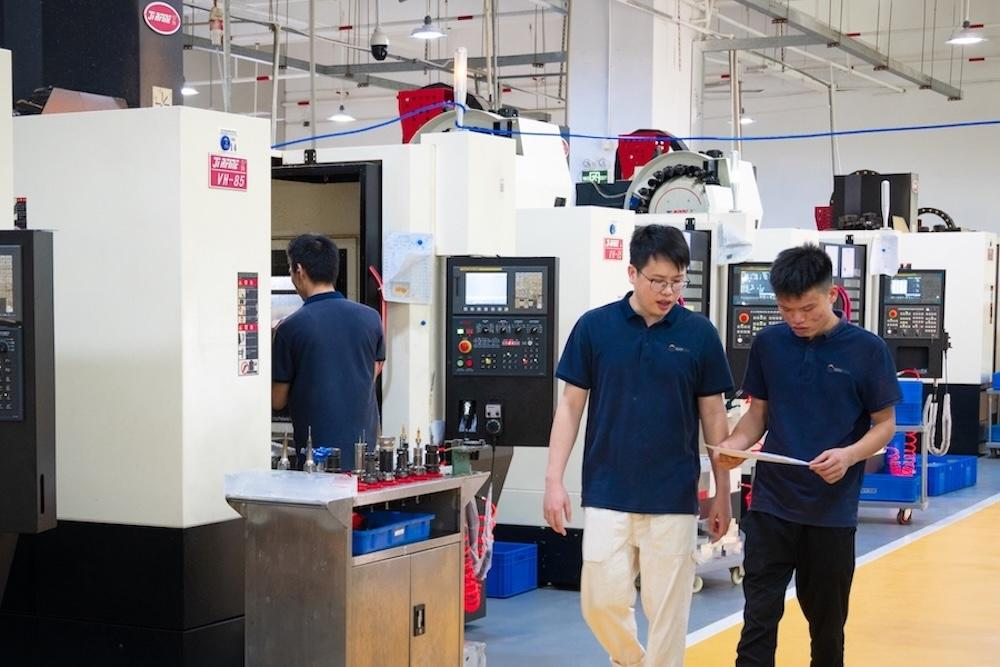
Autonomous Agricultural Robots Depend on Accurate Mechanical Components
Agricultural robots require a variety of mechanical components including wheel hubs, axle clamps and motor clamps. Gearbox housings are also needed along with pivot arms and sensor arms. The shaft may not perform as intended due to incorrect bore locations in the bearings. Vibrations could also occur due to incorrect motor clamp positions. These errors will affect the robots traction, sensor functionality and accurate movement when turning and carrying heavy loads. Precision machining services are used to create the interfaces.
It is important to consider what areas of the component are critical when setting tolerances. Areas like bearing seats, shaft diameters, bolt holes and mounting faces may need to be given more consideration than non-functional areas. Over tightening everything on the drawing will not improve the performance of the component and will increase manufacturing and inspection costs. Dimensions that will affect how the component will assemble should be clearly identified. WayKen’s DFM analysis considers all geometrical features, materials and tolerances.
Agricultural Operating Conditions Shape Machining and Material Requirements
Field machinery deals with dust, mud, water, fertilizer, plant residues, temperature variations, and vibration cycles. Robot actuators and links encounter obstacles like stones and varying payloads across terrain with bumps and inclines. The designer has to factor in fatigue strength, corrosion resistance, toughness, weight, and machinability considerations. Aluminium could lighten the housing or bracket. Steel or stainless steel could be chosen for the highly loaded parts that get exposed. The decision will depend on location, duty cycle, and load conditions during the entire operating period.
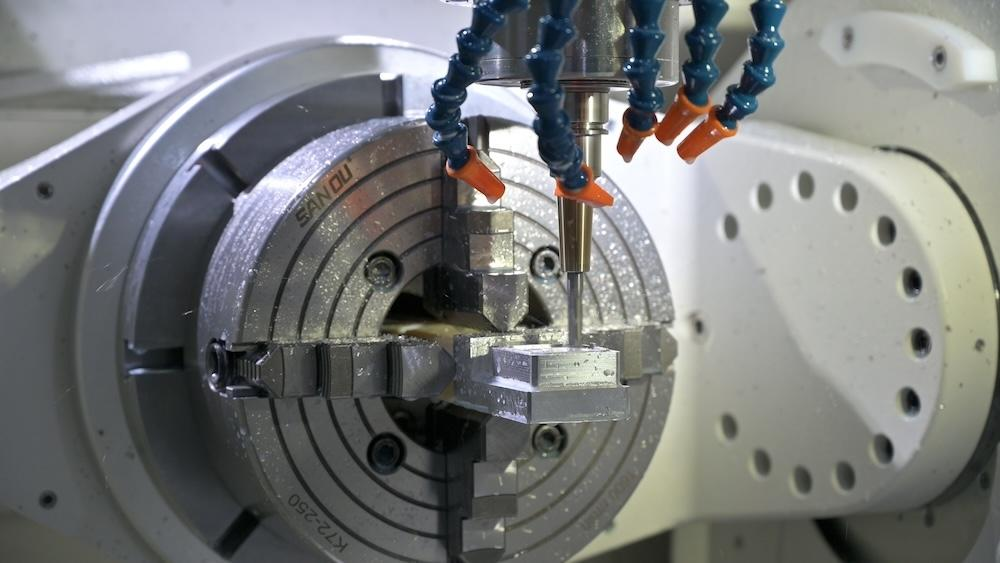
Machining affects the resulting product. The walls might deform under clamping and cutting force, while long cutting tools in narrow channels might deflect. Practical wall thickness, radius inside corners, and easily accessible features improve the machining process. Anodizing and plating could help in protecting appropriate materials in the field. Custom parts manufacturing takes care of all these issues in combination with functional requirements of the robot. Considerations like cleaning, checking, and replacing parts in field condition should be taken into account. Removable cover plates help reduce maintenance efforts.
WayKen offers CNC milling, turning, grinding, and EDM. They also offer three-, four-, and five-axis machining services. Different geometries fit better for different processes. Five-axis machining is not mandatory. WayKen provides a list of engineering metals and plastics and surface treatments like anodizing and protective plating. Select precision machining service according to your drawing, service conditions, and production quantity. You could choose a sensor bracket that would have accurately drilled holes, or a wheel hub that requires a finished bearing seat with correct concentricity.
Precision Machining Improves Motion Alignment and Component Reliability
In order to ensure smooth operation of robotic movement, precision is required in the rotation of parts and static parts. Bores must be measured to specification, shafts machined to correct diameters and runout, whilst mounting surfaces must be consistent so motors, gearboxes and encoders can be attached properly. Any inaccuracies can cause backlash, friction, vibration and wear. Precision machining services can be used to ensure these are kept to a minimum by ensuring measurements are well defined in the drawings.
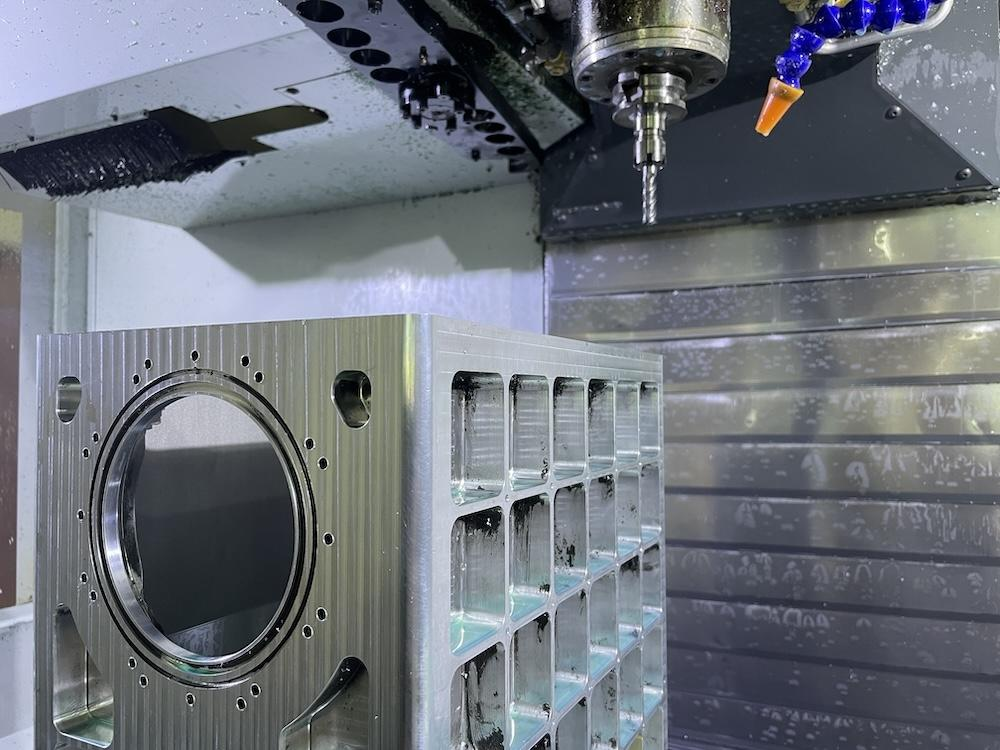
Good repeatability can be ensured using a consistent process. The first article inspection ensures any key measurements are correct before starting production. In-process inspection can also be used to ensure tool wear and drift doesn’t occur. WayKen’s production support services include bespoke fixturing and first and in-process inspection. They have published equipment including ZEISS co-ordinate measuring machines, optical and 3D scanners to ensure bores, flats and other features are measured against the drawing.
A good inspection plan will focus on the features which will affect movement, assembly and longevity. Measuring all surfaces may cause unnecessary extra work. Custom parts manufacturing works best when there is a clear understanding of requirements between teams and inspection is used to ensure consistency from prototype to full scale production.
Conclusion
Self-driving robots used for agriculture require high levels of intelligence however they must consist of robust components and functional positioning. Using appropriate materials, sensible design and controlled machining can help ensure the robot functions as intended. By including manufacturability and alignment as part of the design criteria agricultural robots can have a stronger base to function reliably in the field.
Discussion
Questions, corrections or field experience? Share them below. First-time comments are reviewed before they appear, and your email is never published.
No comments yet. Be the first to add a question or your experience.

 AgroGreen Dynamics
 AgroRisk
 Oath Inc
 Reddane Farming
 Esri North East Africa
 Cresol
 Atur Kuliner
 MDCV UK
 Zerella Group
 Etech Consulting Madagascar
 Vestlandsforsking
 Agritein
 Delicio
 WB Dev
 Sama Premium
 Prochecker
 Tres Valles
 LACOS Geoinformation
 Magrifly
 LatConnect 60
 Blickwinkel
 Agricultural Credit Policy Council
 eKGIS
 Mostas Tech
 Andex
 FCF India
 Unifrutti Gulf
 Deluxe Conseil
 WICO

 Licence holder · Niger · Gold
 Client · Tanzania · Gold
 Client · Somalia · Gold
 Client & affiliate partner · Ghana · Gold










