

Field Pea Power: Sustainable Field Crop Trends for 2026
Meta Description: Field peas are a vital crop in sustainable agriculture for 2025 and beyond. Explore their soil benefits, high protein value, rotational significance, and future trends in farming.
Table of Contents
- Introduction: Why Field Peas Matter in Modern Agriculture
- Essential Trivia: Field Pea Facts
- Agronomic Importance and Cultivation of Field Peas
- Field Peas in Markets and Food Systems
- Field Peas’ Role in Sustainable Farming Systems
- Field Peas vs. Other Field Crops: Sustainability & Yield in 2025-2026
- Field Peas in the Food Chain: From Farm to Table
- Tech Innovation: Field Pea Farming & Satellite Solutions
- Emerging Trends for 2026 & Beyond
- Challenges in Field Pea Cultivation & Modern Solutions
- Farmonaut’s Role in Sustainable Agriculture
- FAQ: Field Peas, Sustainable Farming, and Future Trends
- Conclusion
Introduction: Why Field Peas Matter in Modern Agriculture
Field peas (Pisum sativum), commonly known as dry peas, have emerged as a critical field crop in the landscape of modern, sustainable agriculture. As we move towards 2026, the agricultural sector faces rising food demands, climate change challenges, and consumer-driven trends favoring high-protein, nutrient-rich, and environmentally responsible foods. Field peas stand at the intersection of these needs, delivering agronomic, nutritional, and economic advantages that position them as a vital component of resilient farming systems.
This article explores the evolving significance of field peas—from their soil benefits and protein value to their role in sustainable rotations and adaptability to emerging market trends for 2026. Learn how farmers, agribusinesses, and technology platforms are leveraging the full potential of the field pea to create more efficient, climate-smart, and profitable agriculture.

Agronomic Importance and Cultivation of Field Peas
The field pea (Pisum sativum) is a cool-season legume widely grown in temperate regions across the globe. In 2025-2026, its popularity continues to rise among farmers looking for efficient, sustainable field crops for several compelling reasons:
- Short Growing Season: Field peas thrive in well-drained soils, with moderate fertility, making them suitable for efficient crop rotations with cereals like wheat and barley.
- Nitrogen Fixation: The key agronomic asset of field peas is their ability to fix atmospheric nitrogen through a symbiotic relationship with Rhizobium bacteria in their root nodules. This boosts the nitrogen content in soils, reducing the requirement for synthetic fertilizers, lowering input costs, and minimizing environmental impact.
- Soil Health and Structure: After peas are harvested, residual organic matter and natural nitrogen enrichment improve fertility for subsequent crops. Pea canopy coverage can suppress weeds, reducing the need for herbicides.
- Versatility in Rotation: Their relatively short growing season makes them an ideal rotation partner. Alternating peas with cereals interrupts disease and pest cycles, promoting long-term soil vitality.
Farmers cultivating field pea plants observe direct benefits: healthier soils, reduced dependency on external inputs, and improved profitability. With sustainable agriculture gaining prominence, the field pea offers a “win-win” for efficiency and ecological integrity.

Field Pea Nitrogen Fixation: A Critical Sustainable Agriculture Process
Field peas can fix up to 70 kg of nitrogen per hectare. This ability is especially important for reducing global reliance on synthetic fertilizers. Nitrogen fixation not only cuts farm input costs but also brings far-reaching environmental benefits—particularly, lowering greenhouse gas emissions and pollution from fertilizer run-off.
Field Peas in Markets and Food Systems
The market for field peas has expanded significantly as we enter 2025 and look ahead to 2026. This expansion is due in large part to increasing consumer demand for plant-based proteins, gluten-free foods, and sustainable crops.
- Availability: Field peas for sale are now readily available via major agricultural suppliers, with “field peas near me” options enabling local markets to participate in global supply chains.
- Processed Forms: Popular processed products include field peas in a can, frozen field peas, and pea-based flours, each providing a convenient protein source for households.
- Food Processing Innovations: Pea protein isolates and high-fiber powders derived from field peas are increasingly used in meat alternatives, snacks, and nutritional supplements, driving the crop’s market value.
With steady advances in supply chain management, “field peas near me” is now a typical search for food companies, retailers, and consumers who want fresh, local produce and support regional agriculture.

Why Field Peas Are a Staple in Healthy, Modern Diets
Field peas are appreciated for their high protein and fiber content, low fat, and naturally gluten-free status. From field peas in a can to fresh and frozen forms, they deliver nutritional benefits while supporting a range of dietary preferences.
- Protein Content: Field peas offer 23–25% protein by weight, making them one of the best plant sources for high-value dietary proteins.
- Digestible Fiber: High levels of dietary fiber contribute to healthy digestion and cardiovascular health.
- Vitamins & Minerals: Rich in B-vitamins, iron, and zinc—nutrients often lacking in non-meat diets.
- Long Shelf Life: Canned field peas and dried pea products can be stored for extended periods, providing secure food options for households and emergency food systems.

Field Peas’ Role in Sustainable Farming Systems
Field peas are key players in sustainable agriculture due to their environmental and agronomic characteristics.
- Supporting Organic & Low-Input Farming: The nitrogen-fixing ability of the field pea aligns seamlessly with organic farming strategies, enhancing soil fertility without artificial supplements.
- Diversified Cropping Rotations: Incorporating field peas disrupts pest and disease cycles, enhancing resistance and reducing the need for chemical controls.
- Efficient Resource Use: Peas’ relatively short season and resilience in moderate soils let farmers adapt planting to varied local conditions, making more efficient use of land and water.
- Climate Resilience: As a legume crop, peas sequester atmospheric nitrogen and support carbon-rich soil systems, which is critical in the fight against climate change.
The future of farming will rely on crops that deliver these multiple ecosystem services—field peas stand out for helping modern agriculture “do more with less.”
Interested in environmentally responsible farming? Track your field’s carbon emissions and ecological footprint with Farmonaut’s Carbon Footprinting Tool.
Field Peas vs. Other Field Crops: Sustainability & Yield in 2025-2026
| Crop Type | Average Yield (tons/ha) | Nitrogen Fixation Ability (kg/ha) | Protein Content (%) | Estimated Input Cost ($/ha) | Soil Health Impact | Optimal Crop Rotation Role |
|---|---|---|---|---|---|---|
| Field Pea (Pisum sativum) | 2.2–3.2 | 60–70 | 23–25 | 450–600 | High | Best before cereals or oilseeds |
| Wheat | 3.5–5.0 | 0 | 11–14 | 650–900 | Medium | After legumes; starter crop |
| Corn (Maize) | 8.0–11.0 | 0 | 7–10 | 900–1200 | Low | Often after legumes |
| Soybean | 2.5–3.8 | 50–60 | 35–40 | 550–850 | High | Before cereals or cotton |
| Barley | 2.7–4.2 | 0 | 9–13 | 500–820 | Medium | Rotation with legumes |
*Data reflects typical global commercial cropping scenarios for 2025–2026. Actual results may vary due to local soils, climate, and management techniques.
Field Peas in the Food Chain: From Farm to Table
- Dried & Whole Peas: Utilized for soups, purees, and main dishes in Asia, Europe, North America, and beyond.
- Field Peas in a Can: These are favored for long shelf-life, full retention of protein and nutrients, and convenient use in both retail and food service markets.
- Pea Flour & Isolates: Processed as gluten-free flours and protein isolates for baked goods, pastas, and meat analogues.
- Innovative Food Products: Pea-based yogurts, cheeses, and high-protein snacks drive innovation in plant-based food systems.
Modern food chains rely on the efficient distribution of these processed pea goods, which are increasingly available in “field peas for sale” promotions in both large and regional supermarkets.




Tech Innovation: Field Pea Farming & Satellite Solutions
Technology is revolutionizing the cultivation and management of field pea crops for 2025 and beyond. Precision agriculture, advanced sensors, and especially satellite-driven tools are transforming the way farmers monitor, manage, and optimize field pea plants.
- Precision Planting: Soil sensors and digital mapping tailor seeding rates and depths to local soil conditions, maximizing emergence and yield.
- Real-Time Crop Health Monitoring: Remote sensing, including drone and satellite imagery, tracks the development and stress of field pea plants—enabling early detection of nutrient deficiencies, pest problems, or disease outbreaks.
- Water and Nutrient Efficiency: Digital controls regulate irrigation or precision fertilization, reducing waste and increasing the sustainability of every field.
At Farmonaut, we provide powerful, affordable tools for real-time field monitoring and data-driven advisory designed to support sustainable pea farmers. Our solutions use satellite imagery, AI insights, and traceability features to maximize efficiency and profitability for every field crop.

Enhance supply chain transparency for your peas and other crops with Farmonaut’s Blockchain-Based Product Traceability. Improve consumer trust and meet regulatory demands in local and international markets.
Ready to scale your farm or agricultural enterprise? Discover Farmonaut’s Large Scale Farm Management platform for satellite-powered resource optimization, crop health monitoring, and environmental impact analysis.
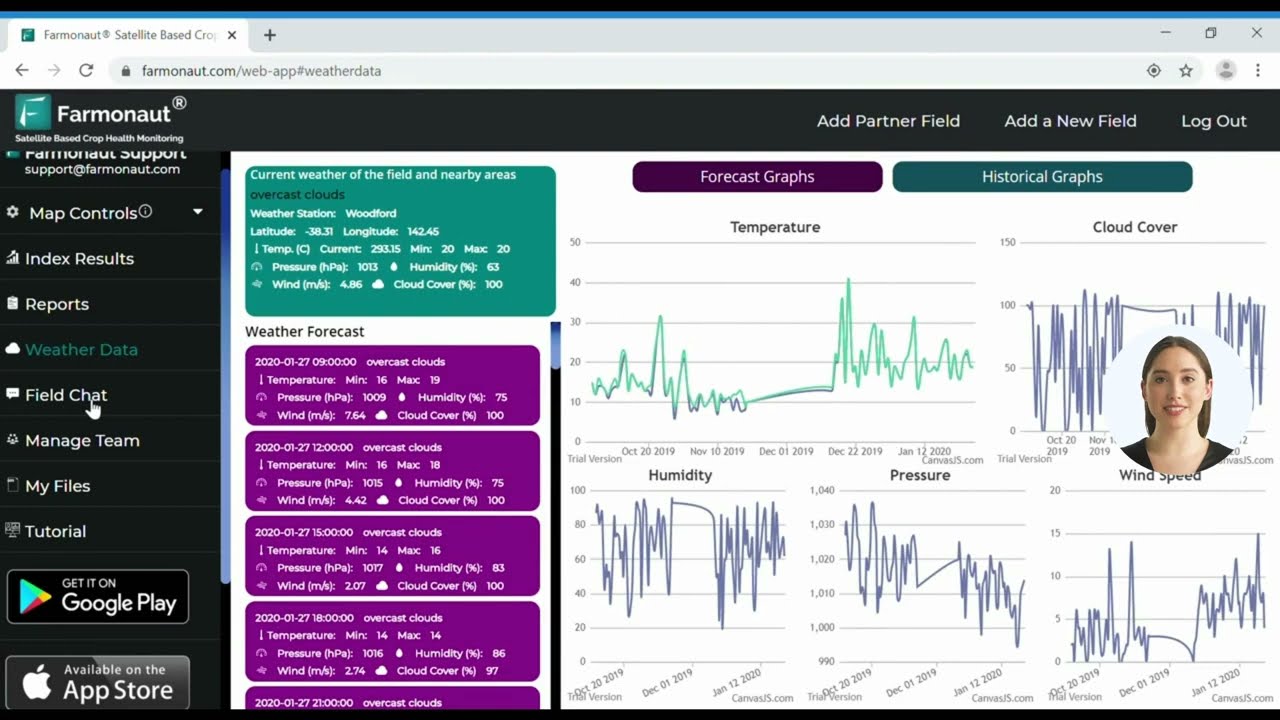
Farmonaut’s API and developer documentation empower businesses and developers to integrate real-time satellite data and weather analytics right into their own systems for unprecedented field awareness.
Emerging Trends for 2026 & Beyond: The Field Pea Frontier
- Climate-Smart Farming: As climate change brings more volatile weather, field peas—due to their resilience and low input requirements—are increasingly favored.
- Agroforestry & Intercropping: Integrating field peas into agroforestry systems (e.g., with tree crops) unlocks new synergies for biodiversity, soil restoration, and efficient land use.
- Regenerative Agriculture: The use of field peas in regenerative farming systems—focused on soil health and carbon sequestration—is rapidly expanding.
- Protein Innovation: New pea-based food products, improved processing methods, and high-protein consumer demand are expanding the value chain of this versatile crop.
- Blockchain for Traceability: Technology platforms provide enhanced transparency from seed to market, enabling “field peas near me” and “field peas for sale” to be easily authenticated for locality, quality, and sustainability.
With every trend, the capacity of the field pea to support sustainable food systems is further evident: a resilient, nutritious, and valuable component of the 2026 agricultural landscape.
Challenges in Field Pea Cultivation & Modern Solutions
Although field peas offer substantial benefits for sustainable farming, they are not without challenges:
- Disease Susceptibility: Diseases such as fusarium wilt, powdery mildew, root rot, and ascochyta blight can significantly impact yields.
- Harvest Difficulties: Pod shattering and uneven maturation can cause field losses in pea crops, especially in wet seasons.
- Pest Pressures: Pea weevils, aphids, and root nematodes can affect both yield and seed quality.
- Soil & Climate Sensitivity: Field peas thrive best in well-drained, moderately fertile soils, and can be sensitive to excessive rainfall, drought, and salinity.
The future of field pea cultivation is bright, thanks to ongoing breeding programs for disease resistance, improved technology for pest and soil management, and advanced precision agriculture practices. Tools like real-time satellite monitoring and AI-based advisory systems enable farmers to quickly respond to issues, reducing risks and ensuring successful harvests in 2026 and beyond.
Farmonaut’s Role in Sustainable Agriculture for 2026
At Farmonaut, we empower sustainable inclusive growth in the agricultural sector by providing farmers, businesses, and governments with affordable, satellite-driven insights. Our solutions enable key decisions such as monitoring field pea health, tracking nitrogen levels, analyzing environmental impact, and managing resources efficiently across the entire crop cycle.
- Satellite-Based Monitoring: Our platform delivers field-level, multispectral monitoring of vegetation health, soil conditions, and environmental risk for all major field crops, including field peas.
- AI-Based Advisory: Farmonaut’s Jeevn AI analyzes satellite and weather data to deliver precise recommendations for planting, irrigation, nutrient management, and pest control, driving sustainable outcomes and higher yields.
- Blockchain Traceability: For producers and supply chain managers, our blockchain traceability tools ensure transparent, tamper-proof records of how and where field peas and other crops are grown and processed—ideal for “field peas for sale” with certified sustainability credentials.
- Environment & Resource Management: Our carbon footprint tracking and resource analytics enable users to balance productivity and environmental compliance in real time.
FAQ: Field Peas, Sustainable Farming, and Future Trends
Q1: What makes field peas a sustainable crop choice for 2026?
Field peas are sustainable because they fix atmospheric nitrogen naturally, reducing synthetic fertilizer needs, improve soil fertility, break pest cycles when used in rotation, and require relatively low inputs for significant protein yield.
Q2: How do field peas improve soil health for future crops?
Field peas add organic matter and nitrogen to the soil, benefiting subsequent crops such as wheat or barley by enhancing nutrient availability and soil structure.
Q3: Can field peas be integrated into organic farming systems?
Yes, their ability to fix nitrogen and suppress weeds through canopy coverage makes field peas ideal for organic and low-input farming practices.
Q4: What are the main field peas for sale in 2026?
Field peas are available dried, frozen, or as processed products like flour, protein isolates, and canned peas, meeting diverse consumer and industry needs.
Q5: How can farmers use technology to optimize field pea production?
With tools like Farmonaut’s satellite monitoring, real-time AI advice, and blockchain traceability, farmers can maximize yields, reduce input costs, and efficiently manage crop health and soil sustainability.
Q6: What emerging markets are driving field pea demand in 2026?
Rising markets for plant-based proteins, gluten-free foods, and traceable, regionally certified produce are all increasing demand for sustainable field pea production worldwide.
Conclusion
Field peas (Pisum sativum) have solidified their position as a cornerstone field crop in the agriculture of 2025 and beyond. Their intrinsic ability to boost soil health, deliver high-value protein, and facilitate sustainable, efficient cropping systems underlines their importance in meeting future food security and climate goals. As technology, consumer demand, and global farming practices continue to evolve, field peas remain one of the most resilient, nutritious, and environmentally friendly food and feed crops available.
For farmers and agribusinesses seeking resilient, profitable, and climate-resilient solutions, the field pea stands out as a vital field crop for sustainable agriculture in 2026 and beyond.


