

Top Skills for Modern Agriculture Careers & Resumes
Agriculture careers are no longer limited to the old picture of muddy boots and long days. Today’s farms, agribusinesses, food companies, research teams, and sustainability projects also need people who can read data, handle equipment, communicate clearly, and explain their value on paper.
That is why learning how to present technical skills on a resume can make a real difference for anyone trying to move into, or move up within, modern agriculture.
Not every agriculture job now requires a computer science degree or a drone pilot license, of course, but the strongest candidates usually have practical judgment and enough digital confidence to work with the tools shaping the industry.
Below, we’ll walk through the skills that matter most and how to turn them into resume bullet points.
Agriculture Careers Are Getting More Skill-Diverse
The agriculture job market is broader than many people realize. A person might work in crop production, livestock care, irrigation, agronomy, farm equipment, sustainability reporting, food safety, supply chain tracking, agricultural sales, research, or satellite-based crop monitoring.
A 2025–2030 employment forecast for food, agriculture, renewable natural resources, and environment fields projects about 104,766 annual job openings in the United States across areas like production, science, engineering, business, communication, education, and government services.
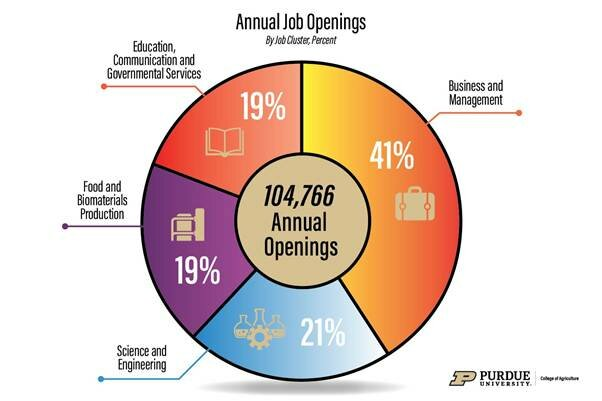
That number shows agriculture needs more than one type of worker. It needs people who can operate machinery, analyze soil, speak to growers, use software, manage teams, follow regulations, and solve problems in bad weather.
This also means that agriculture education can make a candidate really stand out. Short courses, extension workshops, certificates, community college programs, university modules, and practical training days can all help you show that you are learning with the industry, not sitting outside it.
Digital And Precision Agriculture Skills
Precision agriculture is one of the clearest examples of how farm work has changed. Many farms now use GPS guidance, yield monitors, soil maps, satellite imagery, sensors, variable-rate application, and farm management platforms to make better decisions.
The adoption is already visible in the field. Auto-steer guidance systems were used on 58% of planted corn acres in 2016, up from only 5.3% in 2001, while GPS applications were used on 40% of all U.S. farm and ranchland acreage in 2019.
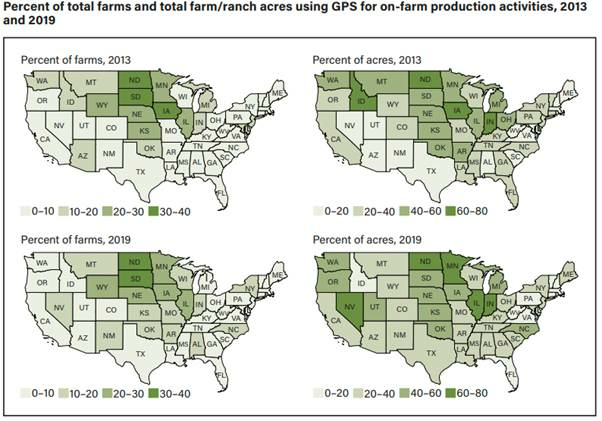
For resumes, the trick is to be specific. Here are some strong examples:
- Used GPS guidance systems for planting, spraying, or field mapping
- Reviewed satellite or drone imagery to identify crop stress areas
- Entered and checked field data in farm management software
- Helped track yield, moisture, and input records after harvest
- Used sensors or digital logs to monitor irrigation or livestock conditions
Even if you are not the person programming the system, knowing how to use it carefully is valuable. Agriculture has plenty of fancy tools, and employers need people who can turn those tools into better decisions.
Soil, Crop, And Animal Knowledge
Technology gets attention, but agriculture still comes back to living systems. Soil texture, nutrient balance, plant health, weather patterns, water timing, animal behavior, disease signs, and pest pressure all matter.
This is where hands-on experience gives a candidate real credibility. If you have walked fields, checked irrigation lines, handled feed routines, scouted for pests, cleaned equipment, recorded treatments, or helped during calving, lambing, planting, or harvest, that belongs on your resume.
The key is to connect the task to the outcome. Instead of writing:
“Helped with crops.”
Try:
“Assisted with weekly crop scouting, noting pest pressure and irrigation issues for review by the farm manager.”
That line tells the employer you were paying attention, and also shows you understand that observation is part of farm management.
Communication Skills Matter More Than People Think
Agriculture is full of moving parts, which means communication is a much more important “soft” skill than in most other fields. It is, essentially, part of the job.
Useful communication skills for agriculture resumes include:
- Explaining field observations clearly to supervisors
- Training seasonal staff on basic procedures
- Coordinating with drivers, suppliers, contractors, or buyers
- Writing short, accurate updates in logs or reports
- Translating technical information into plain language for customers or team members
If you have bilingual skills, add them. If you have experience working with seasonal crews, community groups, students, farmers, or customers, add that too. Agriculture often depends on people from different backgrounds working quickly under pressure, so clear communication keeps small problems from becoming expensive ones.
Build A Resume That Sounds Like Real Work
Modern agriculture careers reward people who can blend old and new skills. You might need to understand soil and software, machinery and communication, animal care and compliance, sustainability and spreadsheets.
If you worked hard, learned quickly, handled responsibility, used tools safely, kept records, solved problems, or helped a farm or agriculture business run better, those details belong on the page. Modern agriculture needs practical people with modern skills, and a good resume simply helps employers see that you are one of them.
Discussion
Questions, corrections or field experience? Share them below. First-time comments are reviewed before they appear, and your email is never published.
No comments yet. Be the first to add a question or your experience.

 Pistachio ST
 Field Capacity
 Abhishta Agri
 Indosistim Teknologi
 Liquify Digital
 CU Foods
 BeyondTech Global
 Rouge VC
 AgroGreen Dynamics
 AgroRisk
 Oath Inc
 Reddane Farming
 Esri North East Africa
 Cresol
 MDCV UK
 Etech Consulting Madagascar
 Vestlandsforsking
 Exploration consultancy · South Africa · Gold
 Licence holder · Niger · Gold










