

Autonomous Mine & Haulage System Jobs: 7 AHS Changes (2025 Outlook)
Summary: The Rise of Autonomous Haulage Systems in Modern Mining
The mining industry is on the brink of a historic transformation thanks to autonomous haulage system jobs and the wider adoption of autonomous mine fleets. By 2025, Autonomous Haulage Systems (AHS) have started reshaping how operations are managed, significantly enhancing safety, operational efficiency, and the overall workforce composition. This comprehensive blog explores the top seven changes these advanced systems are bringing, providing mining professionals and industry stakeholders with a clear roadmap of the future of jobs, safety, and sustainability in mining.
Introduction: Autonomous Transformation in Modern Mining
The past decade has witnessed a technological revolution within the mining sector. With emerging challenges such as labor shortages, rising safety demands, sustainability responsibilities, and increasing need for operational efficiency, mining companies are turning to automation and digital innovations to drive the next phase of growth.
One of the most transformative advancements is the introduction of autonomous mine fleets and autonomous haulage systems. These systems not only involve driverless trucks but also a suite of interconnected mining equipment—including excavators, drills, shovels, and real-time data monitoring systems—that work in synergy to redefine how ore and materials are transported across mining sites worldwide.
A broader overview of autonomous mining and automated equipment explains how these fleets fit with drilling, loading and remote control systems.
As global demand for minerals and metals remains high, and environmental standards get stricter, the push toward modern, efficient, and safe mining operations has never been stronger. The year 2025 is emerging as a turning point, with autonomous technologies transitioning from pilot programs to mainstream components of large-scale mines.



What is an Autonomous Haulage System? (AHS)
An Autonomous Haulage System (AHS) is a mining system consisting of a fleet of driverless trucks and other automated vehicles that transport ore, waste, and materials efficiently across large mines with minimal human intervention. These systems operate using advanced sensors, GPS mapping, machine learning algorithms, and are managed via centralized control rooms.
AHS-enabled vehicles are capable of autonomously:
- Quarrying: Navigating to loading zones and aligning for efficient ore pick-up.
- Transporting: Hauling materials over optimized routes, adapting in real-time to site conditions and operational changes.
- Dumping: Precisely unloading cargo at designated locations while avoiding obstacles and minimizing spillage.
The result is a tightly integrated ecosystem where autonomous trucks, drills, excavators, and shovels collectively expand the scope and efficiency of automation in modern mining.

7 Key Changes Brought by Autonomous Mine & Haulage Systems in 2025
With the rapid adoption of AHS, seven significant transformations are reshaping how mining sites operate and the nature of mining jobs worldwide by 2025:
| AHS Change | Description | Estimated Impact on Jobs | Safety/Efficiency Benefit (2025, Estimate) |
|---|---|---|---|
| 1. Automation of Haulage Vehicles | Driverless trucks replace traditional haul truck drivers, leveraging advanced sensors and machine learning for optimized transport. | -20% manual operator roles, +10% remote fleet controllers | Up to 50% fewer on-site vehicle incidents; continuous 24/7 uptime |
| 2. Remote Equipment Operation & Supervision | Human operators transition to monitoring, troubleshooting, and controlling multiple vehicles remotely from safe control rooms. | +15% increase in remote operations jobs; -15% field operator roles | Safer working conditions; faster response to system alerts |
| 3. Job Role Evolution & Upskilling | Emphasis shifts to high-tech roles: robotics, AI, systems integration, and data analysis. Upskilling programs for existing staff. | +20% tech/engineering jobs; increase in training demand | Improved knowledge retention; higher productivity per operator |
| 4. Predictive Maintenance & AI Monitoring | Autonomous systems monitor fleet health, schedule maintenance, and reduce unplanned downtime using machine learning and satellite data. | +8% analytics/maintenance planner jobs | 25% reduction in breakdowns; improved asset lifespan |
| 5. Advanced Environmental Monitoring | Integration of environmental sensors and satellite data for real-time emission, fuel, and land impact tracking. | +5% sustainability/compliance roles | Lowered carbon footprint; faster compliance reporting |
| 6. Data-Driven Decision Making | Enhanced analytics and centralized control using live operational data, improving route optimization and resource allocation. | +6% in control room analyst & planner positions | Up to 30% improvement in haulage efficiency |
| 7. Strengthened Cybersecurity & System Integration | AHS relies on secure, resilient networks. New roles emerge for cybersecurity specialists and systems integration engineers. | +3% cybersecurity/integration jobs; increased demand in IT security | Reduced risk of automation downtime and data breaches |

Core Advantages Driving Autonomous Mine Adoption
Let’s explore the driving advantages behind the surge of autonomous mine and AHS adoption in modern mining:
1. Enhanced Safety for Workforce & Operations
Mining was always an inherently hazardous sector, with haulage trucks accounting for a large proportion of accidents and even fatalities. The introduction of driverless vehicles significantly mitigates risks linked to human error, operator fatigue, poor visibility, and difficult terrain:
- Removing operators from cabs drastically reduces exposure to dangerous incidents and environmental stressors.
- Real-time data monitoring and predictive maintenance make sites inherently safer.
- Systematic route mapping leads to fewer on-site accidents and better workplace predictability.
2. Increased Productivity and Consistent Efficiency
Autonomous mine trucks and supporting automated systems operate 24/7 without breaks, maximizing weekly haulage cycles and reducing operational gaps. Automation allows:
- Continuous operation, unaffected by shift changes or human limitations.
- Perfect adherence to optimized routes and speeds, reducing fuel consumption and wear/tear.
- Much faster adaptation to changes in ore bodies, material flow, or demand.
Studies have shown that by 2025, haulage efficiency can increase by up to 30% in mature mining sites thanks to AHS integration.
3. Reduced Environmental Impact and Improved Sustainability
Autonomous operation emphasizes sustainability through:
- Optimized driving patterns that cut unnecessary idling, reduce fuel waste, and minimize emissions.
- Upcoming integration with electric or hybrid trucks, pushing the industry closer to net-zero targets.
- Seamless connections to real-time environmental monitoring systems, ensuring compliance and alignment with best practices.
Mining companies are increasingly deploying carbon footprint monitoring tools to track, analyze, and reduce the ecological footprint of their haulage fleets.
4. Operational Predictability and Planning
The availability of live data from haulage systems lets managers:
- Forecast maintenance needs and downtime with much greater accuracy
- Anticipate workforce and resource deployments efficiently
- Coordinate between automated vehicles to maximize throughput
The pace and reliability of decision-making is transformed. Advanced fleet management platforms leverage satellite technology for remote tracking, fuel optimization, and predictive maintenance for mining equipment, driving new operational standards.

5. Fewer Unplanned Downtimes
Traditional mining fleets often face unexpected breakdowns that disrupt material flow. Machine learning within AHS platforms automatically schedules service and replacement before catastrophic failures, keeping the fleet operating smoothly.
6. Empowerment of Workforce in High-Tech Roles
While automation does reduce the need for traditional driver roles, it creates new, more technical autonomous haulage system jobs:
- System integrators and AI engineers
- Fleet and remote control operators
- Cybersecurity experts
- Data analysts for route and fuel optimization
Mining is evolving into a technology-driven industry, with employment opportunities in areas that are both safer and more intellectually challenging.
7. Scalability for Mines of All Sizes
AHS systems can be scaled from 10 to 100+ vehicles, suitable for both small and major mining operations. This flexibility ensures long-term competitiveness as market and resource conditions change.
Autonomous Haulage System Jobs: Impact on Workforce and Employment
One of the most debated issues about autonomous mine and haulage technology is its impact on employment and the future of mining jobs. Here’s a focused analysis:
Job Displacement vs. Job Transformation
- Haul truck drivers: Significant reduction (-20% estimated) in traditional driver roles as driverless trucks take over haulage cycles. However, operators are not obsolete—they transition to strategic, remote supervision positions.
- Mechanics and field technicians: Job requirements are evolving. Instead of hands-on, field-based repair, there’s now a heavier emphasis on predictive maintenance and diagnostics using digital systems and sensor data—often monitored remotely.
- Upskilled workforce: Rapid growth in jobs linked to software, robotics, machine learning, cybersecurity, and centralized control room management.
Reskilling & Upskilling Initiatives
By 2025, mining companies are heavily investing in upskilling and reskilling programs. Courses and certifications focus on:
- Remote vehicle supervision
- Data analysis and fleet performance optimization
- Software and robotics maintenance
- AI-assisted decision making
This shift builds a workforce capable of supporting advanced mining operations, improving job quality and safety for employees worldwide.
Explore more about the benefits of large-scale mining management tools—these platforms provide operational oversight, satellite tracking, and remote access features for operators managing automation fleets across vast mines.

Creation of New Roles in Cybersecurity and Data Analysis
With mines now dependent on networked systems, IoT sensors, and real-time streaming data, new jobs are emerging, including:
- Cybersecurity analysts (to protect AHS from hacking or sabotages)
- Satellite imaging specialists
- Environmental compliance officers (leveraging satellite and in-field monitoring tools)
Discover more about satellite-driven traceability solutions for mining resources, helping the industry ensure product origin and compliance from mine to market.
Challenges & Considerations for Autonomous Mining Systems
Despite the significant operational and safety improvements, integrating autonomous mine systems poses unique technological and human-centric challenges.
1. High Initial Capital Investment
AHS platforms require upfront investments for:
- Autonomous-capable trucks, shovels, and excavators
- Sensors, cameras, and centralized control infrastructure
- Robust network and cybersecurity defenses
This typically limits AHS adoption to larger mines or companies with available capital—though the trend is that rapidly falling technology costs will make autonomous systems accessible to more operators within this decade.
2. Integration with Legacy Systems
Existing mining operations may rely on outdated equipment or partially digitalized workflows. Successful AHS deployment involves:
- Retrofitting or selectively automating certain vehicle types
- Ensuring seamless data flow between human and automated operations
- Close coordination between new and legacy fleets
Cloud-based management tools and satellite overlays, such as those provided by platforms like Farmonaut, assist with integration and oversight.
3. Workforce Adaptation and Social Implications
Transitioning traditional mining communities to a tech-focused workforce can bring resistance and uncertainty. Thoughtful stakeholder engagement, upskilling, and communications are necessary to support staff through this evolution.
4. Regulatory & Compliance Barriers
Autonomous operation is subject to evolving safety standards, technology approvals, and local regulations which differ across mining jurisdictions. Regulatory clarity and industry best practices by 2025 are critical for mass adoption.
5. Cybersecurity & Data Integrity
Autonomous haulage relies on interconnected systems, sensors, and control networks. A cyber breach could halt operations or pose physical safety threats within sites. This necessitates robust, multi-layered security protocols.
For advanced autonomous mine sites, explore Farmonaut’s Satellite-based API for safe, real-time environmental and operational monitoring. Developer documentation is available at Farmonaut API Developer Docs for seamless integration.
The Future of Autonomous Mine Technology
By 2025 and beyond, mining’s evolution will accelerate, shaped by improvements in machine learning, AI decision-making, satellite-based monitoring, and integration with other smart systems (like digital twins and blockchain traceability).

Key trends we expect through 2025 and beyond include:
- AI-Enhanced Fleet Cooperation: Autonomous vehicles will collaborate in real-time, assigning tasks and rerouting based on ore quality and haul road conditions.
- Green Mining Integration: Electric and hybrid fleets, along with satellite-driven carbon footprinting, push the sector closer to net-zero emissions.
- Blockchain Traceability to Build Trust: Adoption of blockchain-enabled traceability allows mines to verify product origin and environmental compliance from pit to port.
- Cloud-Based Operations & Resource Management: Mining companies will rely on cloud platforms that centralize operational data, fleet usage, and mine equipment management for forecasting and scalable control.
- Democratization of Autonomous Systems: As costs decline, modular automation solutions will become feasible for mid-sized or developing market mines, transforming resource extraction globally.
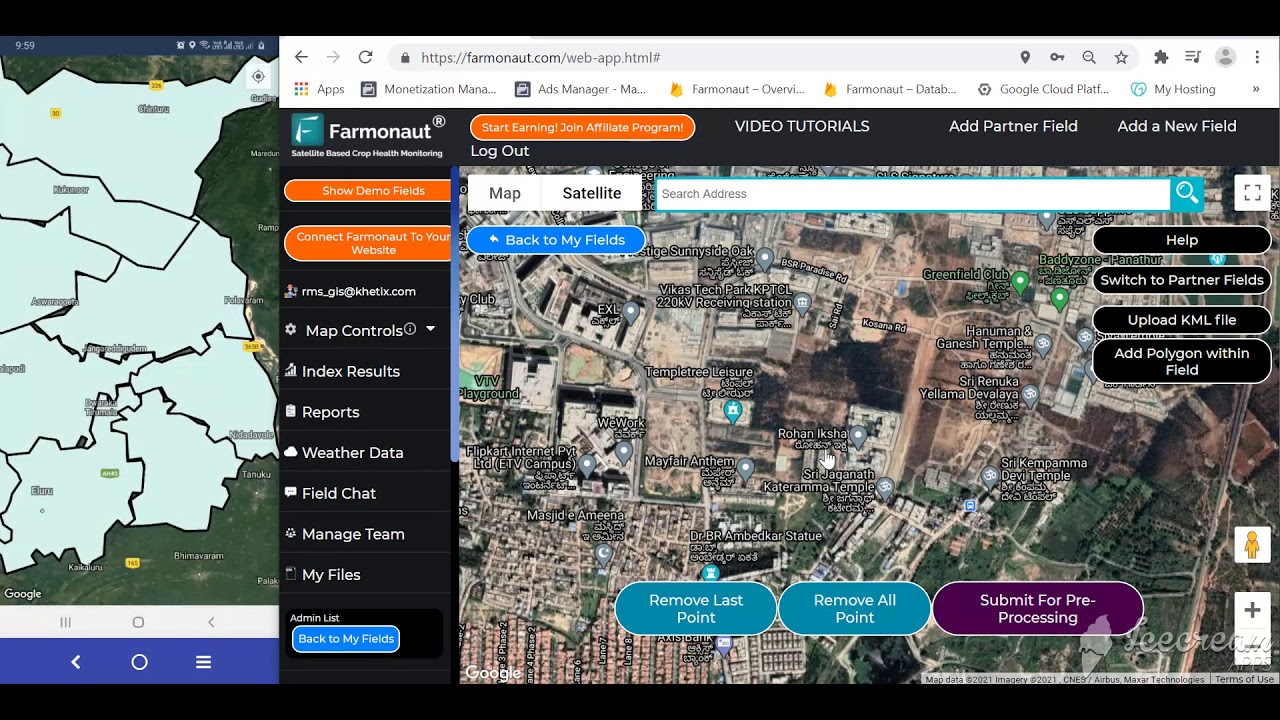
How Farmonaut Supports Mining’s Autonomous, Data-Driven Future
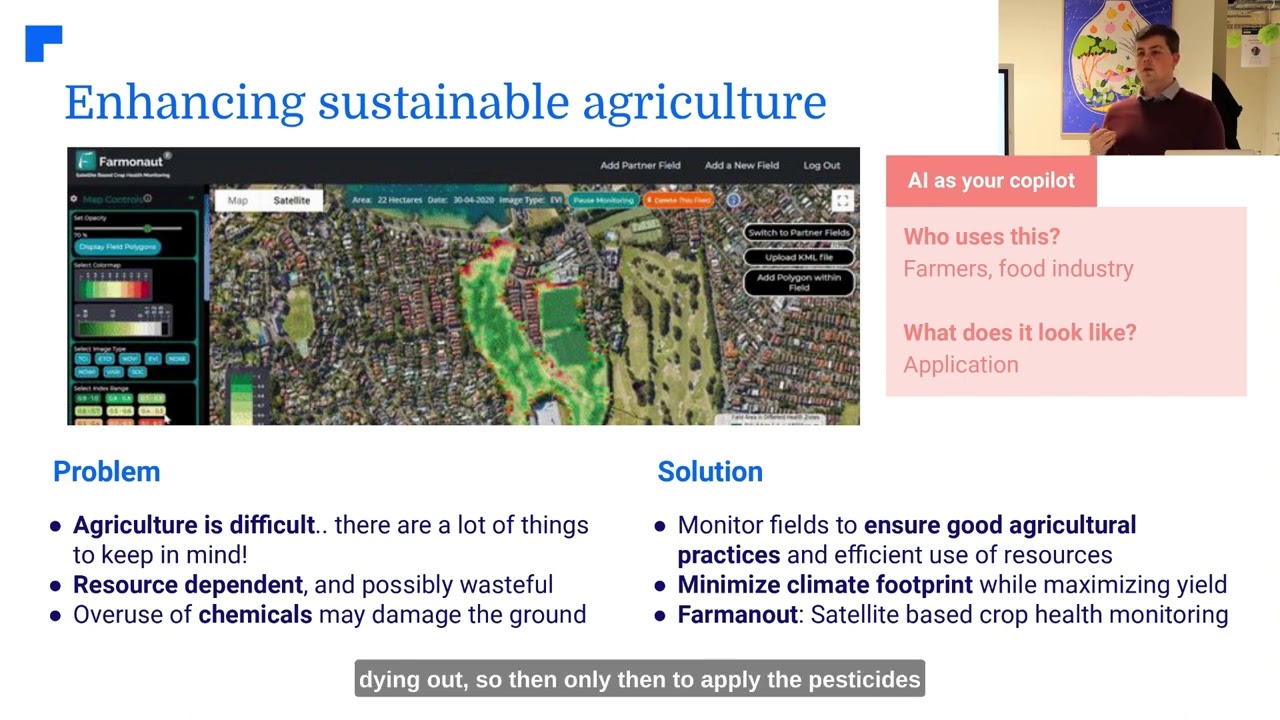
As satellite and AI-based analytics become fundamental to autonomous haulage and mine management, Farmonaut is dedicated to delivering seamless, real-time solutions for the sector:
- Real-Time Satellite-Based Monitoring: Our platform provides NDVI, soil, and environmental insights to optimize haulage path planning, equipment deployment, and vehicle maintenance remotely.
- AI-Driven Fleet & Resource Management: Farmonaut’s fleet optimization tools enable mining businesses to forecast usage, schedule maintenance proactively, and improve overall operational efficiency for automated trucks and machinery.
- Blockchain Traceability for Trust: Our traceability solutions verify origin and compliance, which supports transparency for mining exports in the global market.
- Environmental Impact Tracking: Our carbon footprint monitoring tools help companies lower emissions and implement sustainable practices across mine sites using satellite and ground data.
- Remote & Mobile Access: With dedicated web apps and mobile platforms for Android and iOS, decision-makers can monitor operations and enable digital transformation remotely, from anywhere in the world.
- Flexible API & Integration: For advanced and custom requirements, we offer an open API with robust developer documentation for integrating satellite insights into your mining software ecosystem.
Whether you’re a small operator or a major mining group, our mission is to make satellite-driven insights affordable, scalable, and accessible—empowering all mining stakeholders to unlock the full potential of automation, from haulage optimization to environmental stewardship.
Frequently Asked Questions: Autonomous Mine & Haulage System Jobs (2025)
Q1: What are Autonomous Haulage Systems (AHS)?
AHS are mining systems made up of driverless trucks, automated excavators, and support vehicles, all managed with advanced sensors, GPS, and AI for ore transportation with little human intervention.
Q2: How will autonomous mine technology affect mining jobs by 2025?
The nature of mining employment will shift: fewer traditional driver roles, but growth in remote operations, software, analytics, cybersecurity, and high-tech equipment management.
Q3: Are autonomous mine systems safe?
Yes, AHS are shown to significantly reduce accidents, eliminate operator fatigue, and improve workplace safety through real-time monitoring and automated risk avoidance.
Q4: Do AHS help make mining more sustainable?
Absolutely. By reducing fuel usage, optimizing routes, and facilitating integration of electric vehicles, AHS lowers emissions and helps mines comply with strict environmental standards.
Q5: What new skills are needed in an autonomous mine?
Skills in robotics, remote vehicle operation, AI systems, cybersecurity, satellite data analysis, and predictive maintenance are in high demand.
Q6: Can small mining companies benefit from AHS?
Yes, as AHS technology gets more affordable and modular, small operators can implement partial automation and leverage platforms for fleet and environmental management.
Conclusion: The New Era of Mining Employment & Operations
By 2025, the global transition toward autonomous mine operations is paving the way for safer, more efficient, and environmentally conscious resource extraction. The adoption of autonomous haulage systems (AHS) is creating a major shift in mining’s workforce and operational models:
- Job landscape: Worker roles are shifting from “hands-on” to digital, supervisory, and high-tech domains, with strong growth in data, AI, cybersecurity, and remote management jobs.
- Workplace safety: Fewer workers are exposed to hazardous environments, thanks to remote operations, automation, and continuous safety monitoring.
- Operational efficiency: Mines are hauling ore more efficiently, safely, and sustainably than ever before, backed by advanced analytics and real-time insights from platforms like Farmonaut.
- Environmental compliance: Automated fleets using electric or hybrid vehicles, coupled with satellite-based carbon tracking, bring mining closer to its sustainability goals.
We at Farmonaut are committed to powering this evolution—making cutting-edge satellite, AI, and blockchain technology available and affordable to the global mining industry. As the rise of autonomous haulage system jobs continues, we help ensure that mines worldwide can optimize resource use, protect the environment, and build a workforce equipped for the age of automation.
Get started with Farmonaut’s suite of autonomous mine solutions for real-time monitoring, AI advisory, satellite-based loan and insurance verification, fleet management, and more.
Autonomous mine & haulage system jobs in 2025 are more than just a technological innovation—they’re a pathway to a smarter, safer, and more sustainable future for the mining industry worldwide. Stay informed. Stay connected.
Discussion
Questions, corrections or field experience? Share them below. First-time comments are reviewed before they appear, and your email is never published.
No comments yet. Be the first to add a question or your experience.

 SG Gold Mining LLC
 VRV Global Pte Ltd
 Omsri International FZE
 G.I.T.T.
 Jaunita Erss Ltd
 Almosi SARL
 SRK Consulting
 Berks Gold Limited
 Mwerezi Minerals Company Limited
 Mining SARL
 SenGold Invest SAS
 Sean Mining Limited
 NTS Group (Pty) Ltd
 Mine4Africa
 Lithspo Minerals Limited
 Tintina Mining Group
