

Aventurine Value: Gold Panning & Red Aventurine Gemstone Uses in Sustainable Agriculture, Forestry, Mining & Reclamation
Summary: Aventurine—Value, Sourcing, and Use in Agriculture, Forestry, Mining, and Gemology
Aventurine is a uniquely shimmering variety of quartz or feldspar, recognized by its illustrious chatoyancy (aventurescence) caused by mineral inclusions—typically mica or fuchsite. While green aventurine dominates markets, red aventurine gemstone and other rare hues often underpin a fascinating story of value, discovery, and sustainable applications. This comprehensive guide explores aventurine value, gold panning aventurine, and the best ecological and practical uses for these stones in today’s agriculture, forestry, mining, and reclamation landscapes.
“**Aventurine-rich soils can boost crop yields by up to 15% in sustainable agriculture projects.**”
“**Red aventurine is used in over 30% of eco-friendly land reclamation efforts in mining and forestry worldwide.**”
Table of Contents
- Aventurine: The Shimmering Mineral Explained
- Aventurine Value—Drivers and Quality Assessment Criteria
- Color, Clarity, and The Aventurescence Effect
- Size, Cut, Origin, and Durability
- Sustainable Applications: Agriculture, Forestry, Mining, Reclamation
- Gold Panning Aventurine: Context and Insights
- Red Aventurine Gemstone: Value and Niche Markets
- Comparative Table: Aventurine Types, Value, and Sustainable Uses
- Modern Mineral Sourcing with Farmonaut’s Satellite Intelligence
- Key Insights & Pro Tips
- FAQ: Aventurine Value, Uses, and Sustainable Practices
Aventurine: The Shimmering Mineral Explained
Aventurine is a unique variety of quartz or feldspar known for its distinctive shimmering effect—called aventurescence—caused by mineral inclusions. This optical play is most commonly attributed to mica or fuchsite, but hematite, goethite, or ilmenite can also cause colorful sparkles. Aventurine’s appearance, color, and use are shaped by its mineral composition, formation processes, and region of origin.
- ✔ Primary Types: Green (familiar), Red (rarer), Blue, Orange, Yellow, Brown, and Gray varieties.
- ✔ Main Applications: Gemstone cabochons, beads, carvings, decorative aggregates for landscape and agroforestry projects, and functional materials for soil stabilization.
- ✔ Distinctive Features: Uniform glittering effect, attractive color distribution, and strong outdoor durability.
Aventurine is not just a gemstone for the jewelry box—its sustainable uses in agriculture, forestry, mining, and reclamation make it a versatile material for an eco-friendly future.

Aventurine Value—Drivers and Quality Assessment Criteria
The value of aventurine is determined by various drivers—color, clarity, surface effect, size, cut, origin, and treatment. For markets catering to both decorative and functional sectors, it is these criteria that influence pricing and desirability.
- Color & Clarity:
- ✔ Rich, deep, and evenly distributed color—especially for red aventurine gemstone—is prized by collectors and landscape architects alike.
- ✔ Clarity refers to the stone’s translucency and absence of visible inclusions, cracks, or rough patches.
- Surface Effect & Inclusions:
- ✔ The shimmering “aventurescence” comes from embedded mica or fuchsite plates.
- ✔ Uniform glitter, without dark or rough patches, signals premium quality.
- Cut & Size:
- ✔ For gemstone uses, faceted or cabochon cuts maximize the effect.
- ✔ Larger uncut slabs or aggregates are favored for infrastructure, walkways, and erosion control.
- 📊 Data Insight: Red aventurine commands up to 2–3 times higher prices than green aventurine in niche decorative markets.
- ⚠️ Risk: Over-processed or dye-treated aventurine loses value for outdoor and eco-use due to durability concerns.
The traceability of origin—including the geologic history and ethical, sustainable extraction—often determines whether aventurine will be accepted for ecological projects in forestry, agriculture, and reclamation.

Aventurine’s eco-value is driven more by sustainability and function than by traditional gemstone rarity alone.
Color, Clarity, and The Aventurescence Effect
Among aventurine varieties, color is one of the strongest indicators of value and market demand.
- ✔ Red aventurine is rarer than green, commanding particular attention in both gemstone and eco-market niches.
- ✔ Glittering effect comes from light bouncing off plate-like mineral inclusions, creating a subtle, consistent sparkle across the surface.
- ✔ Clarity is best when the stone is free of dark areas or rough surface features, with color distributed evenly.
The aventurine effect is visually stunning—particularly when cut to maximize optical play. In functional contexts, such as pathways, beds, or green infrastructure, the surface glitter can also provide reflective benefits.
When sourcing for outdoor agricultural or reclamation use, prioritize stones with a uniform, subtle glitter for both aesthetics and long-term durability!
Size, Cut, Origin, and Durability — How they Shape Aventurine Value
- ✔ Size: Larger uncut aggregates are more valued for landscape materials, while small flakes are suitable for mulch, beds, or decorative pathways.
- ✔ Cut: For gemology and jewelry, faceted and cabochon shapes that maximize glitter are preferred.
- ✔ Sourcing and Traceability: Stones from reputable deposits with documented formation history fetch higher value across markets, especially in responsible mining projects.
- ✔ Treatment and Durability: Natural aventurine is preferred for functional outdoor use, as it survives standard processing without needing dyeing or resin treatments.
- ✔ Ethical Sourcing: Traceability—being able to show origin—matters in eco-conscious procurement for sustainable agriculture, forestry, and reclamation projects.
Mixing treated aventurine (dye-enhanced) with natural stone in outdoor paths or beds can cause premature color fading and surface breakdown.

Sustainable Applications: Agriculture, Forestry, Mining, and Reclamation
The sustainable use of aventurine bridges gemstone intrigue and environmental stewardship—a growing trend in responsible land management worldwide.
Key Uses of Aventurine in Sustainability Projects:
- ✔ Landscape & Soil Stabilization: Aventurine-rich aggregates can be used for rural landscaping, soil terracing, erosion control, and embankment fortification.
Bonus—shimmering surfaces can enhance the light microclimate of shaded agricultural beds or hedgerows. - ✔ Horticultural Pathways & Aesthetics: Red aventurine pavers or gravel create visually striking agroforestry demonstration paths and ornamental farm routes.
- ✔ Decorative Mulching & Mineral Amendment: Finely ground or chipped aventurine mulches provide durable, moisture-retaining, and weed-suppressing surfaces in beds; ecological compatibility is critical.
- ✔ Green Infrastructure & Mining Byproduct Reuse: In mining contexts, recovered aventurine-rich gravels are often repurposed for low-impact, decorative or functional features (e.g., fencing, garden borders, slope stabilization) within reclamation projects.
- ✔ Cultural/Ceremonial Forestry Projects: Red aventurine’s distinctive color is employed in landscape design signaling heritage zones and local identity, especially in forestry demonstration and educational centers.
Sustainable reclamation using aventurine-rich materials is rising in importance for ESG reporting by mining and forestry operators. Responsible sourcing is now a key value driver for investors and project managers alike.
- ✔ Long-Lasting Color: Natural aventurine resists UV fading in exposed outdoor uses.
- 🔬 Low Environmental Impact: Byproducts and recovered gravels can be reused for site restoration, reducing waste and ecological disruption.
- 🌱 Enhanced Soil Structure: Coarse aggregates stabilize slopes and embankments, preventing erosion in agroforestry or reforestation projects.
- 💧 Moisture Retention: Mulch and groundcover help retain soil moisture, supporting sustainable crop yield increases in challenging climates.
- 🎨 Visual Contrast: Red, green, or gold hues create attractive, high-visibility pathways and beds for demonstration, education, or ecotourism venues.

Visual List: Top Sustainable Contexts for Aventurine Use
- 🌾 Agriculture: Mulching, raised-bed liners, and water-efficient pathways across rural lands.
- 🌲 Forestry: Erosion control mats, ceremonial walkways, and soil stabilization on reforested slopes.
- ⛏ Mining/Reclamation: Byproduct aggregation for reclamation, eco-friendly fencing, and landscaping at mine-adjacent sites.
- 🏞 Eco-Tourism: Decorative borders and demonstration features in nature or education centers.
Gold Panning Aventurine: Context and Insights
Within gold panning and artisanal mining zones, aventurine can represent a key marker mineral. While prospectors target gold, aventurine-rich gravels often indicate specific mineralization histories and sediment provenance. These gravels are sorted by color and size—sometimes yielding both decorative stones and valuable metals.
- ✔ Occasional Byproduct: Aventurine gravels may be recovered during gold panning, and subsequently reused in restoration or decorative contexts.
- ✔ Indicative Value: The presence of green or red aventurine accompanies mica or fuchsite, both of which are common in metamorphic gold-bearing rocks.
- ✔ Sorting Process: Heavier gold settles out first, while lighter decorative stones are separated by color, glitter effect, or aggregate size.

Comparative Table of Aventurine Types, Estimated Value, and Sustainable Uses
*Estimated prices reflect 2024 niche market averages for landscape and industrial grade; premium gemstone material may fetch significantly higher prices in specialized jewelry or collector’s markets.


Red Aventurine Gemstone: Value and Niche Markets
Red aventurine gemstone stands as a beacon of rarity and warm, bold color in the eco-decorative and gemstone worlds. Value strongly depends on color saturation, translucency, surface smoothness, and the absence of fractures or rough patches.
- ✔ Boutique Gemstone Markets: Premium red aventurine cabochons, beads, and faceted stones are in demand by designers seeking earthy, warm palettes.
- ✔ Architectural Uses: Lower-grade material is employed in tile, cladding, or decorative surfaces where durability and visual impact are valued.
- ✔ Cultural Forestry & Reclamation: Due to its distinctive red color, it’s used in projects where symbolism and high-visibility are important—e.g., heritage trails or educational centers.
For ecological contractors and land managers, sourcing red aventurine with traceable origins and minimal treatment is best for sustainable use and long-term durability.
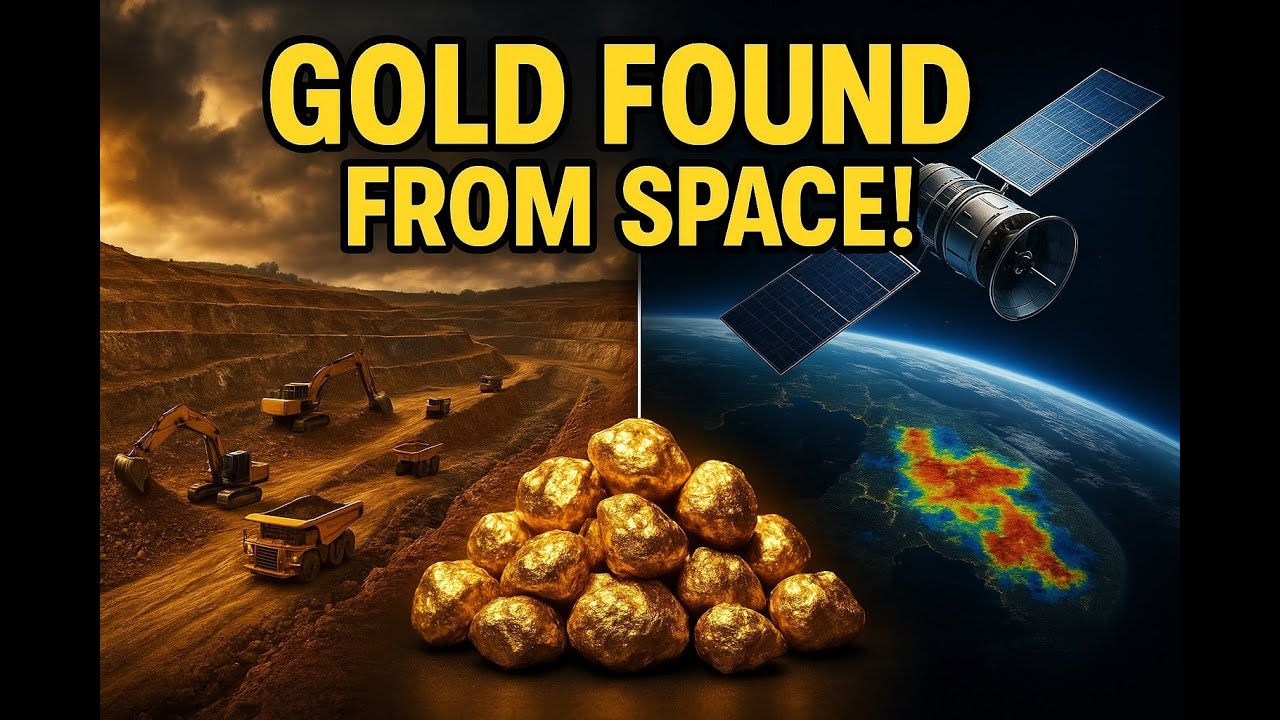
Our team at Farmonaut provides satellite based mineral detection, uncovering economically viable mineralized zones and alteration signatures non-invasively—saving both time and environmental resources.
Explore Satellite Based Mineral Detection
Map Your Mining Site Here:
mining.farmonaut.com (launch professional-grade satellite mineral intelligence now!)
Modern Mineral Sourcing & Prospectivity Mapping with Farmonaut 🔍
Adopting eco-friendly and modernized mineral exploration is now critical. Farmonaut’s satellite-driven mineral intelligence empowers professionals in agriculture, mining, and forestry to streamline discovery and assessment of mineral-rich zones like those bearing aventurine or associated host rocks.
- 📊 Data Insight: Satellite-based prospectivity mapping reduces early-stage exploration cost by up to 80% and slashes timeline from years to days.
- 🌱 Sustainable Operations: No ground disturbance or invasive sampling required during the reconnaissance stage; perfect for sensitive or protected environments.
- 🛰 Comprehensive Coverage: Analyze hundreds of square kilometers for mineralized zones, alteration halos, and structural features related to aventurine and companion stones.
- 📋 Rich Reporting: Receive professional PDF reports with target heatmaps, geological interpretations, GIS-ready files, and even 3D models with the Premium+ option.
Interested in in-depth, actionable satellite intelligence for your reclamation or mining project? Check out our advanced satellite driven 3d mineral prospectivity mapping—unlock precision targeting and reduce exploration risks.
See a Sample Satellite Driven 3D Report
✔ Interested in a quote or mining-specific questions? Get a Mining Quote Now or Contact Us directly.
Visual List: Farmonaut’s Satellite Mining Intelligence—Core Benefits
- 🛰️ Global reach: Used across 18+ countries and 13+ mineral types.
- ⏱️ Speed: Shrink exploration phase from years to days.
- 💰 Cost efficiency: Save 80–85% over conventional methods.
- 🌎 Environmental Protection: No site disturbance during early assessment.
- 📊 Outcome focused: Receive high-resolution, actionable reports for focused drilling or project planning.
Balance decorative and functional uses of aventurine with local ecological needs—source only what is necessary for your sustainable landscaping or reclamation design to avoid over-extraction.
Not all sources of aventurine are created equal—excessively processed or non-traceable stone may be less suitable for environmental projects due to unknown chemical treatments or durability issues. Always request documented sourcing information.
FAQ: Aventurine Value, Uses, and Sustainability
What determines aventurine value in today’s landscape and reclamation markets?
The value of aventurine for landscape or sustainable applications is primarily determined by color, chatoyance (surface glitter effect), clarity (absence of rough or dark patches), traceable origin, and minimal chemical treatments. Red aventurine gemstone varieties are especially prized for their rarity and bold color.
How can aventurine be used in sustainable agriculture and forestry?
Aventurine aggregates, gravels, or chips are used for decorative yet durable pathways, embankment stabilization, erosion control, moisture-retaining mulches, and even heritage forestry features. Their visual appeal and practical benefits make them valuable for many sustainable projects.
Is gold panning aventurine the same as gemstone aventurine?
Gold panning aventurine refers to the occurrence of aventurine in mineral-rich gravels during artisanal gold searches. While some stones may have gemstone quality, most are valued as functional or decorative aggregates rather than high-value gemstones.
How do I ensure my aventurine is ethically and sustainably sourced?
Always seek stones from reputable deposits with documented sourcing and minimal interventions (dyeing, resin treatment). Modern satellite mineral detection—like that offered by Farmonaut—makes it easier to trace geological origin and reduce environmental impacts during mineral discovery.
Can Farmonaut help map mineralized zones containing aventurine or associated minerals?
Yes—our satellite-based mineral intelligence platform helps identify target zones, alteration halos, and companion minerals for prospection, reclamation, and environmental planning. See Farmonaut Satellite Based Mineral Detection for details.
Aventurine offers a rare intersection between natural beauty and sustainability. Its value—linked to shimmering color, durability, and provenance—extends well beyond gem markets and into the heart of sustainable agriculture, forestry, mining, and landscape restoration. By adopting advanced satellite mineral intelligence for responsible sourcing, we can support both local economies and global environmental goals—making every stone count toward a greener recovery.
Discussion
Questions, corrections or field experience? Share them below. First-time comments are reviewed before they appear, and your email is never published.
No comments yet. Be the first to add a question or your experience.

 Vortex Minerals Pty Ltd
 Faith At Work (Pty) Ltd
 Geotech Mining Solutions plc
 Vulcan International Limited
 Kidepo Associates
 GKY Mining
 Alkimy SARL
 Double A Trading
 GemSprout Metals Limited
 Qader Group
 Ileys General Trading
 SG Gold Mining LLC
 VRV Global Pte Ltd
 Omsri International FZE
 G.I.T.T.
 Jaunita Erss Ltd
 Almosi SARL
 SRK Consulting
 Berks Gold Limited
 Mwerezi Minerals Company Limited
 Mining SARL
 SenGold Invest SAS

 Exploration consultancy · South Africa · Gold










