

Effects of the California Gold Rush: 7 Key Impacts
“Over 750,000 pounds of gold were extracted during the California Gold Rush, drastically altering local landscapes and ecosystems.”
California Gold Rush: A Brief Overview
The California Gold Rush of 1848–1855 stands as one of the most transformative episodes in American and regional environmental history. It ushered in a profound alteration of land use, labor, urban settlements, agriculture, forestry, and water management. These sweeping changes stemmed from not just the extraction of gold, but the sudden influx of tens of thousands of miners, workers, and families. Looking at the effects of the California Gold Rush helps us understand how resource booms can catalyze both economic expansion and environmental challenges, influencing land and natural resource management for centuries.
“California’s population grew by 300% in just two years, intensifying pressure on land, forests, and water resources.”
Key Insight
Key Insight
Many key environmental and socioeconomic effects of the California Gold Rush can still be traced in California’s current land patterns, water rights discourse, and economic geography.
1. Profound Impact on Land Use Patterns
When examining what were the effects of the California Gold Rush, the shift in land use is foundational. Before the gold rush, California’s land was dominantly characterized by vast ranchos, indigenous habitations, and scattered agricultural plots maintained by Spanish and Mexican settlers. The California Gold Rush catalyzed a complete reorganization as mining camps, bustling towns, and provisioning hubs sprouted rapidly.
- ✔ Land near riverbeds was rapidly cleared for placer mining, disrupting native vegetation and riparian conditions.
- 📊 Plots expanded as agricultural needs surged to feed a growing population.
- ⚠ Conflicts over land claims emerged, altering property rights and settlement patterns.
- ✔ Farmers shifted toward fast-yielding crops and livestock production, responding to evolving market demand.
- ✔ Forested hillsides were often cleared for shacks, roads, and dams.
The land transformation led not only to immediate resource extraction, but also to long-term environmental consequences as natural resource management structures struggled to keep pace with growth and resource exploitation.

Visual List: How Land Was Reshaped
-
🏞️
Floodplains & Valleys: Drained, dredged, and mined for placer deposits. -
🌲
Forested Slopes: Cleared for timber and to build mining camps. -
🏘️
Urban Pockets: Mining “boomtowns” rapidly established, then abandoned or urbanized. -
🚜
Former Grasslands: Transformed into provision fields or pasture.
2. Mining Practices and Environmental Consequences
Mining was the defining activity, but its effects went far beyond the extraction of ore. Early mining used pans and sluices, but as demand grew, more intensive methods were adopted—hydraulic mining being the most disruptive. These operations degraded land, choked drainage systems with silt, and set off cycles of erosion and watershed decline.
- ✔ Hydraulic mining altered river valleys and deposited millions of cubic yards of tailings downstream.
- ⚠ Soil stability was undermined in entire regions, raising concerns even then about landslides and future farming viability.
- ✔ Dams and water diversion projects were hastily built to serve the needs of camps—often bypassing both indigenous and agricultural needs.
- ⚠ Heavy metals and mine tailings polluted water supplies, with long-term environmental impact.
The mineral extraction boom profoundly altered landscapes, with slopes terraced, forests cut, and floodplains restructured. Downstream farming communities had to contend with sediment-laden waters—foreshadowing broader American debates on environmental awareness and conservation.

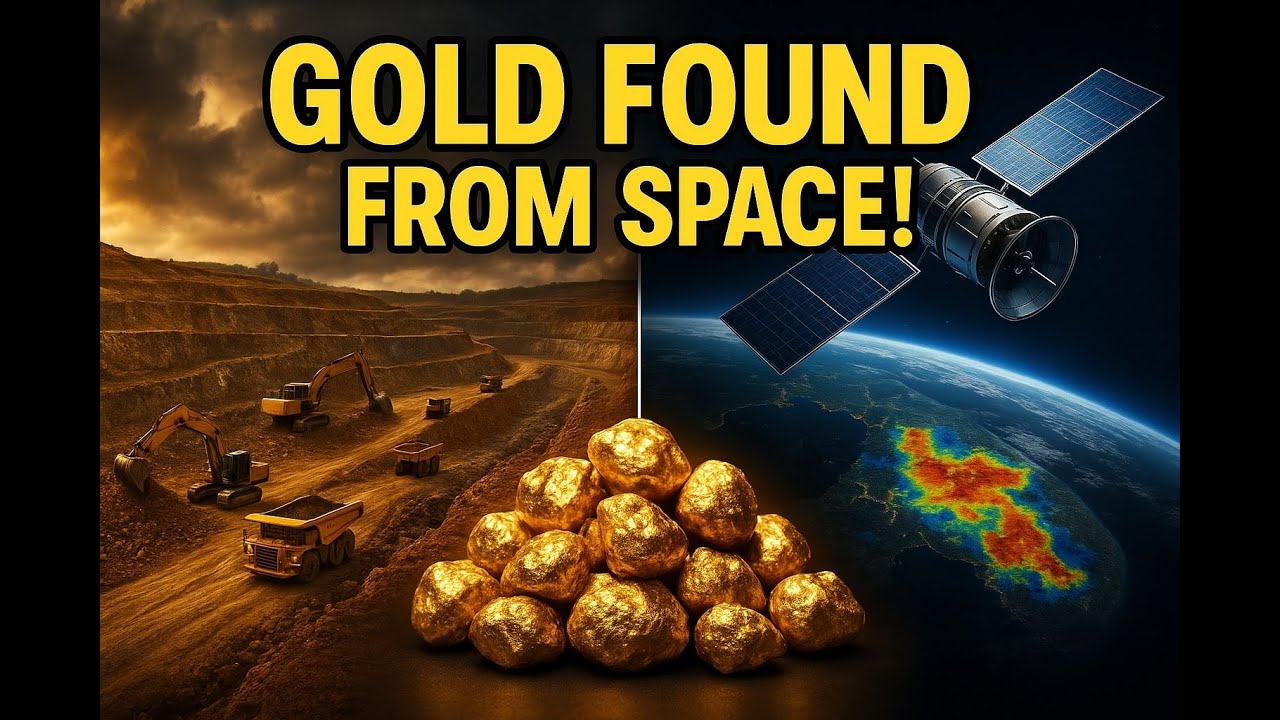
Pro Tip: If you’re interested in how mineral intelligence is now gathered without physical disruption, review Farmonaut’s satellite-based mineral detection—a sustainable leap from legacy placer mining.
3. Agricultural Expansion and Demand Boom
The effects of the California Gold Rush rapidly magnified agricultural demand. Miners, merchants, and families needed food, fodder, and livestock. This brought about major shifts in crops and farming practices:
- ✔ Farm plots near mining towns expanded to supply fresh produce and meat.
- ✔ Farmers shifted toward quick-turn crops: potatoes, beans, cabbage, and grain replaced slower-yielding varieties.
- ✔ Livestock operations grew—supplying meat, dairy, and even labor animals (oxen, horses) to mining hubs.
- ⚠ Short-term land use practices sometimes depleted soils, given immediate profits were prioritized.
- ⚠ Upstream mining often impaired irrigation and water quality, reducing downstream agricultural productivity.
This era catalyzed the emergence of regional markets as agricultural surpluses flowed toward towns and urbanizing settlements, linking distant rural producers with an urban buyer’s market. This not only reshaped agricultural economics but also tied land use to broader regional development patterns.
Pro Tip
Today, smart supply chain monitoring and satellite-driven market intelligence (like the systems we offer at Farmonaut) can help agricultural enterprises avoid the boom-bust pitfalls experienced in Gold Rush California. Discover more.
4. Forestry Exploitation and Timber Demand
The Gold Rush era drove a skyrocketing demand for timber and fuel. Forestry operations—once localized—became regional industries as mining settlements, shipping ports, and urban constructions consumed vast amounts of wood.
- ✔ Sawmills operated near major mining centers, producing timber for shacks, sluices, infrastructure, dams, and urban buildings.
- ✔ Forests along the Sierra foothills, riparian corridors, and even coastal groves were logged at accelerated rates.
- ⚠ Unregulated clearing intensified, leading to early warnings over unsustainable harvest rates and emerging concerns about sustainability.
- ✔ Timber fueled not only construction but also supplied fuel for mining processes, such as smelting and charcoal production.
- ⚠ Watershed conditions were undermined as tree removal increased erosion and sedimentation downstream, affecting both farming and urban settlements.

Visual List: Forestry Impacts
-
🌲
Supply Chain Evolved: Sawmills near camps; logging pushed deeper into new regions. -
🔥
Fuel Crisis: Wood chips and charcoal supported mining, smelting, enabling ore extraction. -
🚢
Port Construction: Coastal forests supplied lumber for ports and shipping infrastructure. -
💡
Early Regulation: Prompted first “forest management” thoughts as clearcutting’s effects became apparent.
5. Labor Market Transformations & Social Impact
A critical effect of the California Gold Rush was a complete realignment of labor dynamics. The sudden influx of tens of thousands of men—and later, families—reshaped not just mining and resource extraction, but agriculture, forestry, and downstream industries too.
- ✔ Labor shortages in agricultural and forestry sectors as workers flocked to mining.
- ✔ Wage rates increased; farm and sawmill operators had to pay more, stimulating rural-urban migration.
- ✔ Seasonal and short-term hiring practices became the norm for farmers, sawmills, and provisioning merchants.
- ✔ Ethnic and cultural diversity boomed: from Latin American, Chinese, European, and African arrivals—all influencing agricultural, labor disputes, and community structures.
- ⚠ Labor exploitation became prevalent for certain groups, especially indigenous peoples and migrant laborers.

Common Mistake: Many historical accounts focus solely on the “49er” miners, overlooking systemic changes to labor in farming, forestry, and rural supply networks that were just as profound.
Common Mistake
Don’t assume the Gold Rush’s impacts stopped at mining sites. The labor, land, and social changes reached all sectors tied to natural resource extraction and support industries.
6. Emergence of Regional Markets and Infrastructure
With thousands of people, new towns grew and infrastructure underwent radical transformation— creating regional markets that interlinked California’s urban and rural economies:
- ✔ Expanded road networks for ore, timber, crops; lowered transport costs and sparked new economic patterns.
- ✔ Port facilities constructed; coastal forests logged to supply building materials for ships and shipping centers.
- 📊 Producers from distant valleys were now linked to buyers in urban hubs—creating a diversified and interdependent rural/urban economy.
- ⚠ Transaction costs dropped—allowing for greater market specialization, but also raising environmental pressures as more areas became “accessible.”
- ✔ New supply chains crystallized around farming, timber, and shipping—each adapting to rising demand from growing communities.
- ✔ Mining hubs quickly diversified: from mere extraction camps to communities with shops, schools, religious centers, and governance structures.

Investor Note
The creation of transport corridors and infrastructure is a classic feature of mineral booms: in modern times, remote mine sites leverage satellite-based mineral intelligence to optimize their roadmaps and allocation—saving costs and planning for sustainable region-wide development.
7. Rise of Sustainability Awareness and Water Rights
As resource exploitation accelerated, early voices warned against rampant degradation. The effects of the California Gold Rush prompted the first American debates on sustainability, water usage, and land management:
- ✔ Hydraulic mining led to contested water rights—often pitting miners against farmers and indigenous inhabitants.
- ✔ Property disputes and “squatter’s law” forced authorities to formalize claim laws and governance regimes, influencing land tenure in all rural sectors.
- 📊 Downstream agricultural parcels were challenged by silt, prompting calls for remediation and, later, conservation.
- ✔ Watershed management and early “riparian protection” arose from the practical clash between extraction and sustainable land use.
- ⚠ For the first time, entire communities recognized that natural resource management impacts extend far beyond the immediate site of extraction.
Callout: Looking Ahead
Today’s mineral exploration need not repeat the mistakes of uncontrolled gold rush expansion. Satellite technologies—like our remote sensing and mineral detection platforms at Farmonaut—allow planet-wide prospectivity mapping without ground disturbance. Learn more about mapping your mining site easily and responsibly using mining.farmonaut.com.

Key Environmental and Socioeconomic Impacts of the California Gold Rush
| Impact Area | Pre-Gold Rush Status | Post-Gold Rush Change | Long-Term Sustainability Implications |
|---|---|---|---|
| Land Usage | Dominated by ranchos, Native territories, and sparse agriculture |
Over 150,000 acres rapidly altered—towns, mines, road networks, abandoned sites |
Fragmented habitats, altered ecology, long-term risk of erosion and soil loss; some areas permanently depopulated |
| Mining Practices | Small-scale placer mining, little mechanization | Hydraulic mining, industrial scale extraction; river channels reshaped | Massive landform changes, siltation of rivers, introduction of heavy metals and legacy contamination |
| Agriculture | Scattered subsistence farming, livestock herding | Expanding farm plots, crop rotation for quick yields; import of new crops and breeds |
Depleted soils, intensified irrigation needs, market agriculture established; new supply chains developed |
| Forestry | Large, minimally harvested forests; local supply only |
Estimated 5–10% of accessible forests deforested in key areas within a decade; rise of mobile sawmills |
Watershed destabilization, erosion, need for management practices; first forest policies discussed |
| Labor | Small, stable landholding families; little migration |
Population increase by over 300% in 2 years; labor shortages in some sectors, immigration surge | More diverse workforce, higher wage volatility, tension in labor and ethnic relations |
| Population | Fewer than 100,000; indigenous dominance in hinterlands | 750,000+ by mid-1850s; formation of 100+ new towns | Urbanization, displacement of Native populations, lasting regional demographic changes |
| Sustainability Awareness | None; resource use mainly extraction-based | First calls for environmental regulation, watershed protection, and sustainability |
Foundation for California water law, forest management, future environmental movements |
California Gold Rush Effects & the Future of Sustainable Mineral Exploration—Farmonaut
Sustainability Highlight
The legacy of the California Gold Rush underscores the critical need for non-invasive mineral detection and sustainable exploration. Technologies like Farmonaut’s Satellite-Based Mineral Detection allow for the identification of high-potential mineral targets without environmental destruction—a clear leap from historic methods.
As we reflect on the effects of the California Gold Rush, it’s clear that technology and sustainability are now paramount for the health of our rural and urban regions. Unlike the era of unregulated extraction, land degradation, and watershed conflict, modern satellite intelligence fosters early discovery, optimal targeting, and ESG-aligned mineral operations.

At Farmonaut, we empower clients worldwide—from Africa to the Americas—using Earth observation, AI-driven workflows, and multi-sensor satellite analytics to rapidly pinpoint viable mineral zones. This brings tremendous advantages:
- ✔ Drastically reduced exploration timelines—from years to days
- 📊 Up to 85% lower costs compared to classic drilling and prospecting
- ⚠ Zero ground disturbance during early exploration—no unnecessary land or water impact
- ✔ Broad-spectrum mineral detection, from gold and copper to lithium, rare earths, and specialty minerals
- ✔ Strategic ESG advantage: the ability to map, monitor, and develop responsibly and transparently
Ready to map your mining site and uncover hidden mineral value responsibly?
Map Your Mining Site Here
Additional Resource
For advanced 3D visualization and drilling intelligence, explore our Satellite Driven 3D Mineral Prospectivity Mapping. Benefit from interactive models and optimal targeting before investing in ground operations.
Contact & Quote
Have questions or need a quote for satellite-based mineral intelligence? Start here: Get Quote.
For personalized consultation, reach out to us at Contact Us.
Summary Points: The Effects of the California Gold Rush
- ✔ Altered Land Use: Mining and settlement expansions irreversibly changed California’s ecology.
- 📊 Accelerated Resource Extraction: Gold, timber, water, and soil were consumed at unprecedented rates.
- ⚠ Environmental Degradation: Hydraulic mining, deforestation, and watershed erosion undermined sustainability.
- ✔ Spurred Modernization: Infrastructure, supply chains, and markets became core to California’s growth.
- ✔ Legacy of Awareness: Early sustainability ideas, water law, and environmental regulation began taking shape.
FAQs: Gold Rush Impact & Today’s Mining Intelligence
Q1: What were the biggest environmental effects of the California Gold Rush?
Environmental effects included severe deforestation (5-10% of accessible forests cleared), riverbed reengineering, siltation of streams and farmlands, and increased erosion across both mining zones and adjacent farms. Long-term outcomes involved habitat loss and the emergence of sustainability concerns in land and water management.
Q2: How did the Gold Rush change California’s agriculture?
It supercharged agricultural demand. Farmers expanded plots and shifted toward fast-growing crops and livestock. Irrigation needs rose, but mining’s impact on water supplies sometimes reduced productivity downstream. The result was the foundation for California’s regional market agriculture—now one of the world’s largest.
Q3: What was the impact on labor and communities?
There was a three-fold increase in population in two years, prompting migration, wage inflation, ethnic diversification, and periodic local labor shortages. Urban towns grew, and community structures diversified—with new governance and economic institutions emerging.
Q4: What is the role of Farmonaut in modern mineral exploration?
At Farmonaut, we use satellite-based Earth observation and advanced AI to provide rapid, cost-effective, and environmentally-responsible mineral detection. Our solutions identify mineralized zones, guide sustainable exploration, and deliver structured intelligence—minimizing environmental disturbance from the start. Want to experience this?
Map Your Mining Site Here .
Q5: Where can I get a quote or more info for Farmonaut’s mining solutions?
For mining intelligence, rapid prospectivity reports, and ESG-focused mineral targeting, visit this page to Get Quote or Contact Us.
Final Note: Linking Past, Present & Future
The California Gold Rush story is a case in how resource booms reshape land, economy, and society. By learning from this era, we harness next-generation tools like satellite mineral detection to guide sustainable, responsible resource development worldwide.
Ready to map your site and join the future of sustainable exploration?
Discussion
Questions, corrections or field experience? Share them below. First-time comments are reviewed before they appear, and your email is never published.
No comments yet. Be the first to add a question or your experience.

 Double A Trading
 GemSprout Metals Limited
 Qader Group
 Ileys General Trading
 SG Gold Mining LLC
 VRV Global Pte Ltd
 Omsri International FZE
 G.I.T.T.
 Jaunita Erss Ltd
 Almosi SARL
 SRK Consulting
 Berks Gold Limited
 Mwerezi Minerals Company Limited
 Mining SARL
 SenGold Invest SAS
 Sean Mining Limited
 NTS Group (Pty) Ltd
 Mine4Africa










