

Companies That Mine Gold, Lithium Stocks, US Rare Earths: How Critical Minerals Drive Sustainable Farming, Mining, and Infrastructure
Introduction: Why Gold, Lithium & Rare Earths Matter
In the heart of modern industry, gold, lithium, and rare earth minerals sit at the center of critical advancements that propel sectors like agriculture, forestry, infrastructure, and advanced mining. Consider a world where electric tractors run all day on lithium-ion batteries, gold-funded rural roads connect remote farming communities to processing hubs, and rare earth magnets enable precision irrigation systems fine-tuned to every drop of water. It is not fantasy, but the reality enabled by companies that mine gold, companies that mine lithium stocks, and US companies that mine rare earth minerals.
Supply chains across agriculture, energy, and rural development all rely on the materials and technologies these minerals advance. The influence of mining extends far beyond commodity price charts—it permeates food supply resilience, sustainable land management, and the infrastructure supporting modern rural economies. In this educational guide, we explore the crucial connection between mining operations and technological innovations in agriculture, detailing how these critical minerals underpin ecosystems and drive progress in the sectors that feed and sustain us all.

Gold, Lithium, and Rare Earth Mining: The Intersection with Farming, Forestry, and Infrastructure
Why do companies that mine gold, companies that mine lithium stocks, and those focused on US rare earth minerals matter so immensely to farming, forestry, and sustainable infrastructure? The answer lies in the way these minerals shape the materials and technologies central to modern agriculture and land management.
- ✔ Gold: Provides critical funding for investment in rural infrastructure, stabilizes local economies, and can underpin projects focused on irrigation, roads, and agricultural facility development.
- ✔ Lithium: Is the cornerstone of batteries powering electric tractors, farm equipment, off-grid solar-wind hybrids, and the very sensors and harvesters used across precision agriculture.
- ✔ Rare earths: Enable brushless DC motors, high-efficiency pumps, climate control systems, autonomous farming machinery, and the smart infrastructure backbone of tomorrow’s farms and forests.
The intersections between these minerals and agriculture are not just technical—they are strategic. They determine how quickly and sustainably farmers can adopt next-gen equipment, how efficiently rural communities can access markets, and how well land restoration supports biodiversity and soil health.
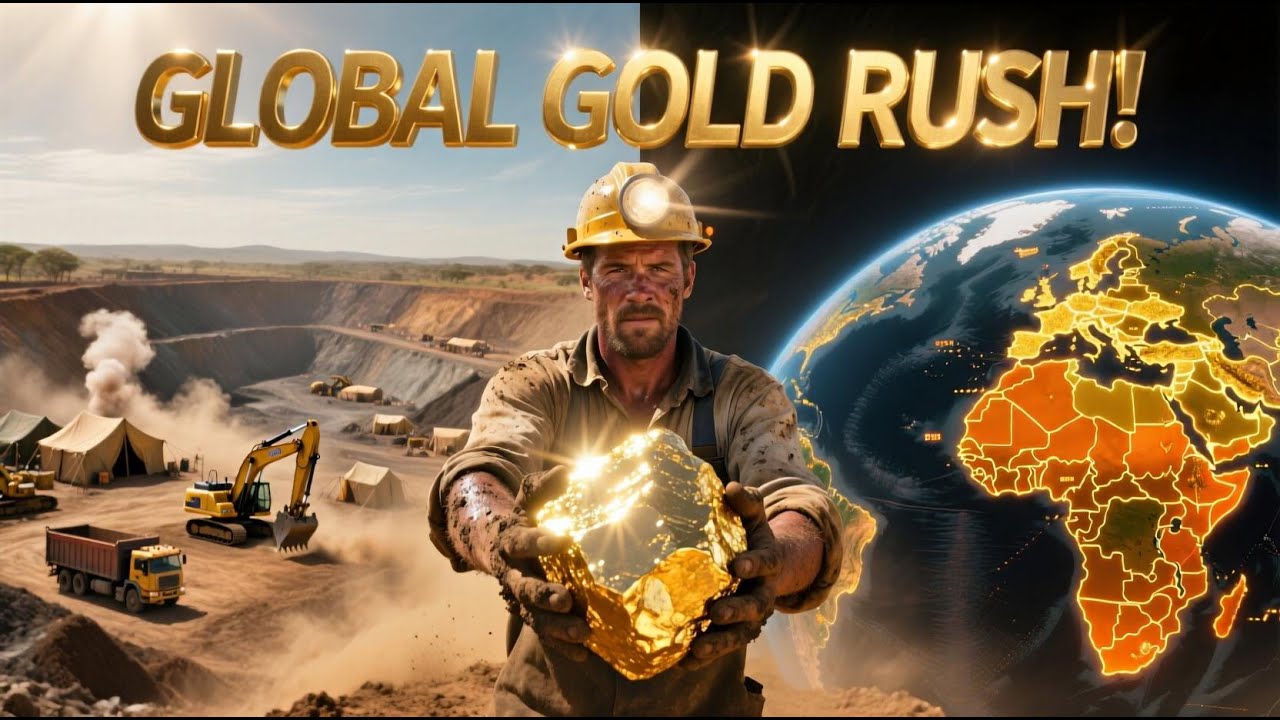
The pace of adoption in precision agriculture and sustainable farming is tied closely to advancements in the supply chain for gold, lithium, and rare earths—without them, modern farm and infrastructure projects are stalled or delayed.
Companies That Mine Gold: Foundational Role in Agricultural and Rural Development
Gold: Beyond Jewelry to Rural Infrastructure
Gold is traditionally associated with jewelry and finance, but companies that mine gold play an outsized role in farming communities and regional infrastructure development. The revenue streams from gold mining often serve as the financial bedrock underpinning roads, irrigation schemes, cold storage, and processing facilities vital for agricultural prosperity in rural districts.
- 📈 Funding for Rural Infrastructure: Gold mining companies frequently invest in local roadworks, bridges, water management systems, and farming markets, improving logistics for ore haulage and farm-to-market access.
- 🌱 Stabilizing Livelihoods: By providing local jobs and capital investment, gold projects support stability and economic resilience in farming districts that often lack alternative industries.
- 🚜 Investment in Processing Units: Gold revenue helps facilitate the setup of post-harvest processing units, enhancing crop value and supporting food security in agrarian regions.
- 📑 Land Use Planning: Gold mining influences regional planning, directly affecting land availability, resource allocation, and strategic ecosystem restoration.
- 💧 Soil & Water Stewardship: Responsible gold mining supports best practices in soil health, tailings management, and water quality—all crucial for sustainable agroforestry landscapes.
Mining companies practicing transparent tailings management and rigorous reclamation can foster strong alliances with local farming communities, paving the way for cooperative infrastructure projects beneficial to both sectors.
In summary, gold mining is a key player in hedging against commodity risk volatility and enabling sustained capital expenditure in agricultural support infrastructure, electrification, and rural development projects.

- 🏭 Mine Revenue → 🏚️ Rural Infrastructure → 👷 Local Employment → 🚜 Farm Access Roads → 🏪 Processing Facilities → 🌾 Agroforestry Development
Companies That Mine Lithium Stocks: Powering Advanced Agriculture and Sustainable Energy
Lithium: The Cornerstone of Electrified Agriculture
The shift towards electric tractors, autonomous farm machinery, off-grid energy solutions, and precision-powered operations in agriculture is made possible only by a reliable supply of lithium. Companies that mine lithium stocks control the pace at which sustainable, smart farming can evolve—especially in U.S. regions committed to energy independence.
- 🔋 Batteries & Storage: Lithium-ion batteries are foundational to electric farm machinery, solar/wind hybrids, off-grid water pumps, and autonomous irrigation networks.
- 🌞 Powering Remote Agriculture: Rural landscapes benefit from lithium storage solutions, powering irrigation, cold storage units, observatory towers, wildfire sensors, and remote data loggers.
- 🚜 Electrified Farm Equipment: Companies mining hard rock or brine lithium deposits in the US mainly enable the adoption of cleaner, more efficient, and automated farm implements and harvesting platforms.
- 💧 Water Management: Lithium mining requires thoughtful stewardship of water use, brine containment, and community-driven land rehabilitation to prevent disruption to local farming and wildlife habitats.
- 🏞️ Advanced Agricultural Technology: Lithium is embedded within the most modern sensors, advanced drones, and IoT technology used to monitor soil health, water quality, and crop progress.
U.S. lithium mining equities are closely tied to national mineral security—investments help fund domestic R&D in battery recycling and manufacturing ecosystems that will shape the next generation of agricultural machinery and infrastructure.

- ✔️ Efficient energy storage supports round-the-clock farm operations even in remote districts.
- 🚜 Autonomous farm vehicles rely on high-density lithium-ion batteries for sustained fieldwork.
- ⚡ Rural electrification projects are accelerated via portable, robust lithium battery systems.
- 🌐 Smart irrigation and sensor networks depend on lithium-based uninterrupted power supply units.
- ♻️ Sustainable battery reuse efforts are aligning lithium mining with environmental priorities in agricultural regions.
US Companies That Mine Rare Earth Minerals: Enabling Precision Farming and Smart Infrastructure
Rare Earths: The Engine for AgriTech and Smart Systems
Rare earth elements—such as neodymium, dysprosium, and lanthanum—are the backbone of high-efficiency motors, robust generators, and advanced electronics crucial for next-gen agriculture and forestry. US companies that mine rare earth minerals are at the forefront of powering autonomous harvesters, smart irrigation systems, night-vision monitoring, and robust communications tools connecting remote farm districts.
- 🔬 Sensors & Motors → 🚜 Electric Tractors, Pumps → 🛰️ Drone-Assisted Monitoring → 🌾 Controlled Environment Farming → 💡 Smart Grid Power
- 🔌 Brushless Motors & Generators: Precision irrigation, electric fencing, and modern greenhouse systems are made possible with rare earth magnets.
- 🛰️ Agri-Drones & Wireless Networks: Rare earth compounds are vital for lightweight drone components and stable, long-range farm communications.
- 🎯 Night Vision & Sensor Arrays: Forestry and protected area monitoring rely on rare earth-based optics for real-time nocturnal observation.
- 🍃 Sustainable Wind & Grid Components: Wind turbines powering rural grids and domestic fertilizers use rare earths in their magnets and catalysts.
- 🔗 Fertilizer Production & Machinery Longevity: Catalysts derived from rare earths improve fertilizer yields and machine part durability—ensuring farm productivity and sustainable field operations.
Investors and operators interested in US companies that mine rare earth minerals weigh factors like resource nationalism, environmental permitting practices, and effectiveness of reclamation to ensure less mining disruption to farming regions and improved long-term resilience.

Technological Innovation in Mining: Satellite, AI & Sustainability
Leveraging Satellite Data, AI, and Advanced Sensing
The era of traditional, slow, and high-impact mineral exploration has been revolutionized by technology. Mining companies now underpin both their operations and agricultural support systems via satellite-based analysis, remote sensing, high-resolution geospatial mapping, and artificial intelligence-driven prospectivity workflows.
- 🛰️ Satellite Monitoring: Detects mineralized zones, faults, alteration patterns, and provides non-invasive prospectivity mapping, dramatically lowering exploration costs and timelines.
- 🤖 AI & Machine Learning: Speeds up resource estimation, target zone selection, and risk reduction—even in complex agricultural-mining interface regions.
- 🌍 Environmental Impact Modeling: Real-time tracking of tailings runoff, dust emission, and land disturbance helps operators stay compliant and minimize risks to local farming and water quality.
- 🛡️ Resource Security: Modern mining intelligence platforms help companies hedge commodity volatility risk and manage long-term investment in rural and agricultural infrastructure.
For example, satellite based mineral detection platforms deliver rapid, large-scale, and sustainable mineral exploration—eliminating ground disturbance and supporting informed, capital-efficient mining projects.

- 📉 Cost Savings: Up to 80–85% reduction in exploration spend compared to tradition.
- ⏲️ Speed: Target selection within days, not years—critical for both mining and farming sector planning.
- 🚫 No Early-Phase Land Disturbance: Satellite prospecting preserves topsoil, native vegetation, and water tables at exploratory stage.
- 🌱 Supports Permitting & ESG Goals: Rapidly meets evolving investor criteria for environmental and social responsibility.
- 🌎 Applicable Worldwide: Efficient in diverse geological and climatic contexts—giving companies, investors, and farmers strategic advantage globally.
Overlooking early-stage environmental risk modeling or bypassing modern satellite-based prospecting often results in greater long-term land disruption, higher remediation costs, and community opposition for mining projects near productive agricultural districts.
Farmonaut’s Role in Satellite-Based Mineral Intelligence
At Farmonaut, we believe that mineral exploration can be simultaneously rapid, reliable, and responsible. Our satellite-driven platform unites advanced remote sensing and AI to transform how companies that mine gold, companies that mine lithium stocks, and US companies that mine rare earth minerals discover and validate mineral prospects worldwide—with profound implications for farming and infrastructure development.
- 🛰️ Earth Observation: We analyze large tracts—across 80,000+ hectares and 18+ countries—using hyperspectral and multispectral data to screen multiple minerals quickly and objectively.
- 🤖 AI-Driven Analysis: Identifies spectral signatures unique to mineralized zones, alteration halos, and geological structures fundamental to economically viable deposits.
- 🗺️ Non-Invasive Exploration: Our technology eliminates ground disturbance in the early phases, reducing carbon emissions, water risk, and costs up to 85% compared to conventional exploration.
- 🔍 Multi-Mineral Flexibility: Detects a spectrum from gold and lithium to rare earths and specialty minerals, supporting diverse users across the mining and agricultural landscape.
- 📄 Premium Mineral Intelligence Reports: Provide prospectivity heatmaps, 3D subsurface models, and optimal drilling guidance for efficient investment and development decision-making.
For those looking to visualize 3D targets and optimize drilling plans, our satellite driven 3d mineral prospectivity mapping service bridges the gap from satellite detection to on-ground execution—ensuring sustainable development no matter the terrain or crop interface.
mining.farmonaut.com

Comparative Company Impact Table: Gold, Lithium & Rare Earth Mining and Sustainability
| Company Name | Mineral Focus | Region | Estimated Annual Output (metric tons) | Market Value (USD, billions) | Sustainability Technology Used | Estimated Sustainability Impact |
|---|---|---|---|---|---|---|
| Newmont Corporation | Gold | North America, Ghana, Australia | 170,000 | 62.3 | Satellite monitoring, advanced tailings management | 24% reduction in water use, advanced ecosystem restoration |
| Albemarle Corporation | Lithium | US, Chile, Australia | 107,000 | 30.5 | AI-driven brine extraction, remote water use management | 18% reduction in CO₂ emissions, water neutrality goals by 2030 |
| MP Materials | Rare Earths | USA | 42,500 | 4.9 | Satellite & drone monitoring, closed-loop water systems | 30% less habitat disruption, 21% reduction in process water use |
| Lithium Americas | Lithium | Nevada, Argentina | 85,000 | 2.1 | Remote hyperspectral survey, sustainable brine practices | Up to 75,000 tons CO₂ avoided/year, brine closed-loop systems |
| Lynas Rare Earths | Rare Earths | Australia, Malaysia | 18,000 | 5.7 | Satellite audit & traceability, dry tailings technology | 20% overall reduction in mining emissions, transparent sourcing |
| Barrick Gold | Gold | North America, South America, Africa | 120,000 | 35.0 | Remote water sensors, digital tailings monitoring | 22% decrease in water footprint, 28% lower reclamation costs |

Best Practices: Environmental Stewardship, Reclamation & Community Resilience
Sustainable Mining Across Sectors: Gold, Lithium & Rare Earth Companies Leading the Way
Transparent environmental impact assessments, rigorous tailings management, and strategic soil/water restoration are essential for preserving land productivity in farming districts impacted by mining operations.
- 🕵️ Rigorous Environmental Impact Assessments (EIA): Stakeholders—including investors, operators, and local community leaders—demand regular, independent environmental reviews.
- 🥇 Transparent Tailings Management: Best-in-class companies employ digital and real-time monitoring to ensure no off-site leakage or contamination.
- 🌾 Land Reclamation: Sustainable projects establish restoration plans that regenerate soil structure, restore vegetation, and rebuild water flow for future agricultural use.
- 🌿 Ecosystem Restoration: Agroforestry and reforestation efforts are used to rebuild habitats for birds, insects, and soil microbes post-mining.
- 👥 Community Programs: Local job training, alternative livelihood support, and investment in health and educational infrastructure stabilize livelihoods and buffer rural communities from mining cycles.
- 🔗 Supply Chain Transparency: Investors increasingly require that companies trace mineral origins and document environmental, social, and governance integration throughout the chain.
For all companies, integrating technological advances such as satellite-based mineral detection can ensure more sustainable, efficient, and less environmentally disruptive mining. This is critical to the future of agriculture, forestry, and rural landscape resilience internationally and especially in the U.S.
Key Insights, Pro Tips & Investor Notes
- 📊 Data Insight: About 80% of essential materials for smart, precision-agricultural systems in the US are sourced from domestic rare earth mining companies—and this figure is growing annually.
- ✈️ Key Benefit: By leveraging advanced satellite intelligence, companies and investors reduce environmental impact, lower costs, and accelerate project turnaround in both mining and agro-development.
- ⚠️ Risk or Limitation: Failure to implement next-gen technology or community engagement programs in mining-farming interfaces invites regulatory pushback and long-term economic disruption.
- 🔁 Sustainability Tip: Adopt circular economy practices: support battery and magnet recycling to ensure continuous material flow for both agriculture and mining supply chains.
- 💬 Engagement Opportunity: Mapping your mining site with Farmonaut’s remote services (mining.farmonaut.com) catalyzes faster, more responsible exploration and strengthens your social license to operate in farming districts.
Get expert guidance for your mining-agriculture interface: Get a Quote Now
Or connect with our experts: Contact Us
FAQ: Companies That Mine Gold, Lithium Stocks, Rare Earths, and Their Impact
1. How do companies that mine gold support agricultural and rural development?
Gold mining companies stimulate local economies by funding infrastructure, community programs, irrigation, processing facilities, and roads in rural districts. Their revenue streams underpin employment, capital investment, and stabilization of farming livelihoods, especially in remote or underserved regions.
2. Why is lithium mining critical for modern farming operations?
Companies that mine lithium stocks underpin the adoption of electric tractors, autonomous harvesters, solar-powered water pumps, and advanced storage units. Lithium-ion batteries are essential for smart agricultural operations, renewable rural energy access, and remote sensor networks used in forestry and wildfire management.
3. What is the importance of US companies that mine rare earth minerals in agriculture?
US rare earth miners enable high-performance magnets, brushless motors, precision pumps, advanced electronics, and smart grid components vital for the transition to precision agriculture and sustainable rural infrastructure.
4. How do satellite-based mineral detection solutions benefit mining and farming?
Satellite-based mineral prospectivity mapping and detection—such as Farmonaut’s solution—enable rapid, low-cost, and environmentally non-invasive exploration. This not only reduces surface disturbance and accelerates project timelines but also helps world-leading companies align with best-practice stewardship, supporting sustainable land use in critical farming corridors.
5. What are the environmental best practices for companies extracting gold, lithium, and rare earths?
Leading companies prioritize rigorous environmental impact assessment, transparent tailings management, soil and water reclamation, supply chain traceability, and respectful community engagement. These ensure farming regions do not face long-term productivity loss or water quality issues following mining activity.
Conclusion: Shaping the Future—Modern Mining and Sustainable Agriculture
The integration of gold, lithium, and rare earth mineral mining with sustainable farming, forestry, and infrastructure development is irreversible—and vital. As we move deeper into the era of precision agriculture, clean energy, and climate resilience, the demand for efficient, ethical, and future-facing mineral discovery and processing will only grow.
Farmers, investors, operators, and rural communities rely on the supply chains and stewardship practices of companies that mine gold, companies that mine lithium stocks, and US companies that mine rare earth minerals. Strategic, technology-driven exploration—leveraging remote sensing, AI, and next-gen environmental management—will determine how well we balance productivity, landscape health, and ecosystem restoration in the decades to come.
For mining and farming leaders seeking to maximize value and sustainability, adopting satellite-driven, environmentally non-invasive mineral intelligence like ours at Farmonaut can reshape outcomes across continents. The journey from mine to farm, from ore to infrastructure, and from data to resilient ecosystems is being redefined—one mineral, one innovation, and one responsible project at a time.
Explore satellite-powered mineral detection and 3D prospectivity solutions with us:
- 🌐 See how remote mineral detection works in practice
- 🗺️ Map your mining site now—start in minutes
- 📩 Contact us for tailored strategic advice
Note: This blog is intended for educational and industry analysis purposes, focusing on the technologies and sustainability innovations driving companies that mine gold, companies that mine lithium stocks, and US companies that mine rare earth minerals within the context of modern agriculture, mining, and rural infrastructure.
Discussion
Questions, corrections or field experience? Share them below. First-time comments are reviewed before they appear, and your email is never published.
No comments yet. Be the first to add a question or your experience.

 Enterprise Takreem
 Sean Mining Limited
 NTS Group (Pty) Ltd
 Mine4Africa
 Lithspo Minerals Limited
 Tintina Mining Group
 Dalgety Minerals Pty Ltd
 Vortex Minerals Pty Ltd
 Faith At Work (Pty) Ltd
 Geotech Mining Solutions plc
 Vulcan International Limited
 Kidepo Associates
 GKY Mining
 Alkimy SARL
 Double A Trading
 GemSprout Metals Limited
 Qader Group
 Ileys General Trading
 SG Gold Mining LLC
 VRV Global Pte Ltd
 Omsri International FZE
 G.I.T.T.
 Jaunita Erss Ltd
 SRK Consulting
 Berks Gold Limited










