

Crushed Gold Ore: Top 5 Breakthrough Technologies for 2026
Discover how advanced ore crushing transforms crushed gold ore recovery, boosts efficiency, minimizes environmental impact, and shapes mining in 2025 and beyond.
“By 2025, advanced ore crushing technologies are projected to increase gold recovery rates by up to 28% industry-wide.”
Table of Contents
- Introduction
- Understanding Crushed Gold Ore & Its Critical Role
- Top 5 Breakthrough Ore Crushing Technologies for 2026
- Comparison Table of Top 5 Breakthrough Ore Crushing Technologies for 2026
- Environmental and Economic Implications of Modern Ore Crushing
- Integration with Downstream Processing: Milling, Leaching, and More
- Future Outlook: The Gold Mining Industry Beyond 2025
- Farmonaut: Enabling Sustainable, Data-Driven Gold Exploration
- Frequently Asked Questions (FAQ)
- Conclusion
Introduction: The Modern Era of Gold Mining and Crushed Ore Recovery
Gold mining remains one of the most vital components in the global mineral industry. As we progress into 2025 and look ahead to 2026, technological advances in ore crushing and processing are at the forefront of transforming how we extract, recover, and refine gold from naturally occurring ore deposits. The cornerstone of this process is crushed gold ore—the pivotal intermediate product that links mining with profitable, efficient, and sustainable gold extraction.
The industry now faces rising environmental standards, more stringent regulatory compliance, and intensifying pressure to operate cost-effectively as accessible high-grade deposits diminish worldwide. These forces are driving radical changes in how we produce and process crushed gold ore. New crushers, process controls, and data-driven systems are helping to minimize environmental impact, slash energy consumption, drive higher gold recovery rates, and fundamentally reshape the value chain from pit to plant.
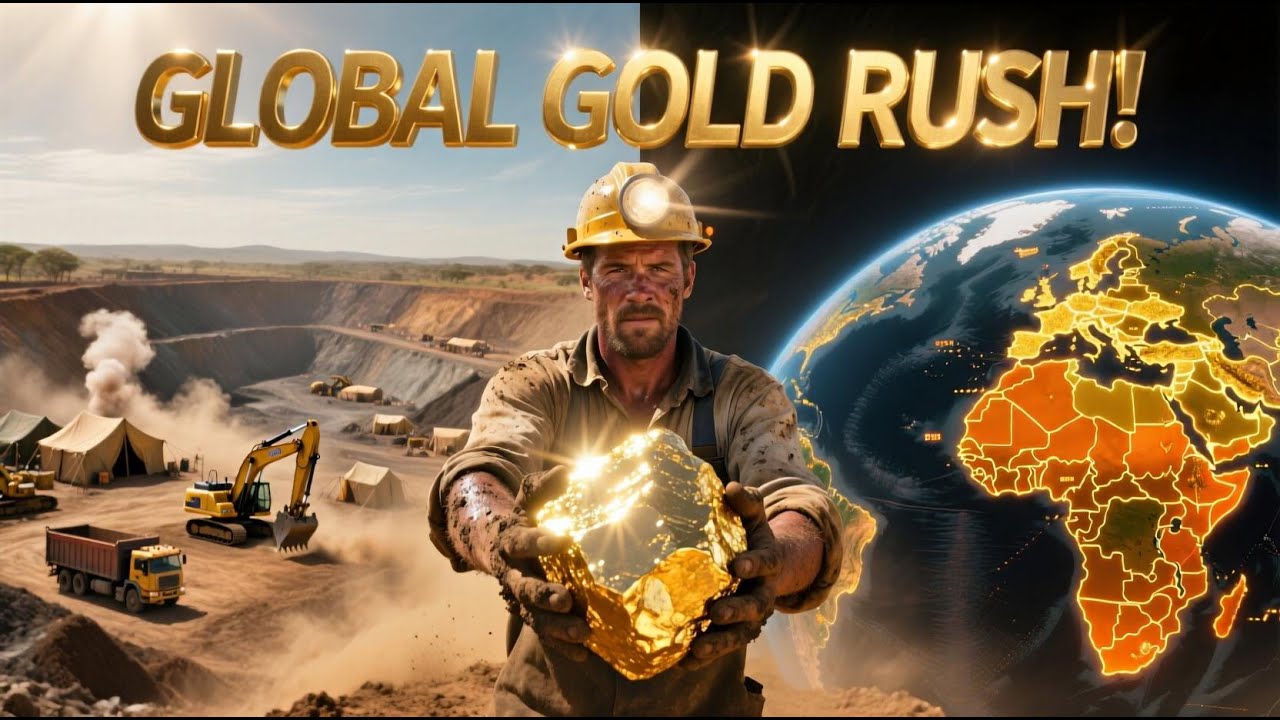
Understanding Crushed Gold Ore & Its Critical Role in Extraction
To grasp how crushed gold ore is revolutionizing mining, it’s essential to first understand the nature of gold ore and the processes that shape its extraction journey.
What is Gold Ore and Why Crush It?
- ✔ Gold ore typically contains gold particles embedded within host rock, often at microscopic or sub-millimeter size.
- ✔ Rarely found as pure metal (“nugget” gold is the exception, not the rule).
- ✔ To liberate gold for recovery, the ore must undergo a series of physical and chemical processes, of which crushing is the first crucial step.
Physical Transformation: From Rock to Crushed Gold Ore
Crushing refers to breaking down mined gold ore from large chunks to smaller pieces, increasing its exposed surface area for subsequent processes such as milling, leaching, gravity concentration, or flotation.
Efficient crushing enables:
- 📊 Higher gold recovery rates due to increased exposure of gold-bearing particles.
- ✔ Lower reagent consumption as chemicals can react more efficiently with smaller-sized particles.
- ⚠ Reduced energy waste and operational costs.
- 🔬 Improved downstream control: Consistent particle size leads to predictable extraction efficiency and easier process automation.
- ⭐ Meeting sustainability goals through reduced resource input and minimized environmental disturbance.
The Gold Mining Value Chain: Where Crushing Fits In
- Exploration & Discovery – Locating and characterizing promising gold mineralization zones (see Farmonaut’s satellite-based mineral detection here).
- Mining & Blasting – Excavating ore-body and transporting raw rock to surface.
- Primary Crushing – First reduction of large mined ore chunks to manageable sizes (jaw, gyratory, or impact crushers).
- Secondary/Tertiary Crushing – Further refining to increase liberation for gold recovery processes.
- Processing – Including milling, gravity concentration, flotation, leaching (CIL/CI) and smelting.
- Refining & Sale – Final purification and delivery to market.
Top 5 Breakthrough Ore Crushing Technologies for 2026
The next era of gold ore processing is defined by breakthrough advances in crushing technology—enabling recovery of gold from low-grade ores, minimizing energy consumption, and aligning the industry with sustainability imperatives.
1. AI-Optimized High-Pressure Grinding Rolls (HPGR)
- ✔ Automated HPGR circuits use artificial intelligence to dynamically adjust pressure, speed, and feed rate for consistent, fine particle size and maximum gold liberation.
- 📊 Energy savings: 20–30% less than conventional cone or ball mills.
- ⭐ Proven to boost gold recovery rates by creating micro-cracks in rock particles, improving downstream chemical leaching efficiency.
2. Vertical Shaft Impact Crushers (VSI) with Intelligent Dust Suppression
- 📊 Superior particle shape enables higher surface area and better chemical process efficiency.
- ✔ Built-in dust suppression and noise abatement features meet stringent 2025 environmental regulations.
- 💡 Computer vision guides real-time adjustments to optimize crushing efficiency.
3. Sensor-Based Ore Sorting Integration at Crushing Stage
- 🔍 Optical, X-ray, and NIR sensors sort ore particles on conveyors, rejecting waste before fine crushing/milling.
- ✔ Reduces unnecessary energy consumption, chemical use, and water usage by pre-concentrating ore.
- ⭐ Significantly lowers operating costs and environmental impact.
4. Digital Twin-Enabled Crushing Plants
- 🖥️ Virtual models (“digital twins”) simulate and optimize entire crushing process—from feed to discharge—enabling precision control of material flow and particle size distribution.
- ✔ Pre-implementation optimization for efficient plant design and modification.
- 📊 Enables real-time adaptation to changing ore characteristics, maximizing gold recovery.
5. Energy-Recovery and Waste-Heat Utilization Systems
- 🔌 Captures energy from crushing machinery for reuse elsewhere in the processing chain.
- ✔ Reduces overall site energy consumption and supports carbon-neutral initiatives.
- 📈 Projected to deliver significant savings for both grid-connected and off-grid mining operations as energy costs surge globally.
Comparison Table of Top 5 Breakthrough Ore Crushing Technologies for 2026
| Technology Name | Estimated Gold Ore Recovery Increase (%) | Estimated Crushing Efficiency Improvement (%) | Expected Environmental Impact Reduction (%) | Estimated Adoption Cost (USD/ton) | Projected Market Readiness (Year) |
|---|---|---|---|---|---|
| AI-Optimized High-Pressure Grinding Rolls (HPGR) | 22% | 28% | 20% | $1.70 | 2025 |
| Intelligent Vertical Shaft Impact Crushers (VSI) | 18% | 25% | 24% | $1.50 | 2026 |
| Sensor-Based Ore Sorting | 15% | 35% | 30% | $2.10 | 2025 |
| Digital Twin-Enabled Crushing Plants | 14% | 22% | 16% | $1.60 | 2026 |
| Energy-Recovery Systems | 11% | 18% | 40% | $1.20 | 2026 |
📌 Snapshot: Breakthrough Ore Crushing Benefits
- ✔ Higher gold recovery rates for a more profitable mining operation
- 📉 Reduced energy consumption and operating costs
- 🌱 Lower environmental impact (dust, noise, chemical use)
- 🧩 Integration with digital process controls for precision and flexibility
- 📈 Faster transition from exploration to market
Environmental and Economic Implications of Modern Ore Crushing
The technological advances in crushed gold ore production extend far beyond process efficiency—they have direct and profound environmental and economic implications for gold mining operations worldwide in 2025 and 2026.
Environmental Impact: Minimized Footprint, Maximized Responsibility
- 🌀 Dust and Noise Reduction: Advanced crushers with built-in suppression systems significantly reduce dust and noise emissions, aligning with increasingly rigorous regulatory practices.
- 🌎 Energy Consumption: Energy-efficient crushing technology directly reduces a mine’s carbon footprint and helps meet sustainability benchmarks.
- 💧 Minimized Water & Chemical Use: By pre-concentrating and sorting ore, plants can decrease downstream chemical leaching volumes, dramatically reducing toxic byproducts.
- 🌱 Less Waste/Reduced Material Movement: Pre-sorting eliminates unprofitable waste rock early, minimizing unnecessary hauling and tailings generation.
Economic Impact: Unlocking Value in Leaner Ore
- 📉 Cost Optimization: As average mined ore grades decline, maximizing the gold recovered from every ton becomes critical to maintaining profitability.
- ⚡ Energy Savings: Reducing power consumption across long crushing and grinding cycles has become a material component of global mine economics.
- 💰 Processing Efficiency: Consistent, fine particle size enables more efficient leaching, reducing expensive chemical reagents and improving overall plant performance.
💎 Visual List: 2026 Economic Levers for Crushed Gold Ore
- Boosted recovery rates, especially for low-grade and refractory ores
- Lower operating costs through reduced energy and reagent use
- Smoother adaptation to market swings and price shocks
- Improved plant throughput and capacity utilization
- Sustained compliance with tightening global environmental standards
“Top 5 breakthrough crushers could reduce energy consumption in gold ore processing by approximately 35% compared to 2022 methods.”
Integration with Downstream Processing: Milling, Leaching, and More
The effectiveness of crushed gold ore directly shapes every downstream process—from milling to chemical leaching and final gold recovery. Investing in breakthrough crushing supports the whole value chain towards higher performance, lower costs, and sustainability in 2025 and beyond.
Why Particle Size Uniformity Matters
- ✔ Milling: Predictable sizing from advanced crushing enables energy-efficient, targeted grinding, reducing overgrinding (which wastes both energy and recovers less gold).
- ⭐ Chemical Leaching: Finer, consistent particles ensure deeper reagent penetration and quicker gold recovery rates.
- ✔ Gravity or Flotation: Right-sized gold particles are more easily separated by density or surface chemistry.
- 📉 Reduced Chemical Consumption: Less chemical is required, and fewer toxic byproducts are generated.
Stages of Downstream Processing Enhanced by Modern Crushing
- ✔ Comminution: From crushers to ball mills—optimized particle size distribution saves energy and increases liberation.
- 🧪 Leaching: Going beyond traditional cyanidation, new processes such as thiosulfate or bioleaching are increasingly used—performance is sensitive to initial particle size from crushing.
- 📦 Waste Management: Lower volumes of processed “barren rock” reduce tailings and environmental risk.
Future Outlook: The Gold Mining Industry Beyond 2025
As crushed gold ore processes continue to evolve, the interplay of technology, economics, and environmental considerations will shape the industry throughout 2026 and beyond. Here’s how these advances affect the entire sector:
- 🌐 Increased adoption of digital twin technology for seamless optimization of both greenfield and brownfield gold mining plants.
- 🌱 ESG imperatives (Environmental, Social, Governance) now a core requirement in process design, from initial exploration to final gold recovery.
- 💰 Deeper investment in pre-concentration and sensor-based sorting at the crushing stage to maximize ROI, particularly for regions with complex, low-grade ores.
- 📈 AI-driven process controls and real-time monitoring systems to reduce human error and maximize yields around the clock.
- 🌍 Geospatial data (e.g., Farmonaut’s satellite platforms) increasingly drives decision-making, prospecting, and mine planning at a global scale.
Farmonaut: Enabling Sustainable, Data-Driven Gold Exploration
As the gold mining industry continues to adopt modern, sustainable, and efficient crushed gold ore processing breakthroughs, discovery and targeting of new gold resources becomes even more crucial. Farmonaut, as a satellite data analytics company, plays a pivotal role in modernizing mineral exploration on a global scale.
Unlike conventional exploration, which relies on labor-intensive trenching and drilling, Farmonaut leverages satellite-based mineral detection (learn more) to analyze mineral spectral signatures over large areas. This approach enables:
- ✔ Faster discovery and validation of high-potential gold-bearing zones.
- 🌍 Non-invasive scanning of thousands of hectares from orbit, eliminating environmental impact during the early exploration stage.
- 📉 Reduction of exploration costs by up to 85% compared to traditional methods.
- 🧬 Support for both technical and investment decisions through detailed, GIS-compatible intelligence reports and 3D prospectivity models. See Farmonaut’s satellite driven 3D mineral prospectivity mapping here.
- ⭐ Alignment with ESG standards and sustainability regulations by eliminating ground disturbance and improving subsequent resource targeting.
To request tailored intelligence for your gold project, get a quote from our mining team or contact us for more information.
🌍 How Satellite Intelligence Accelerates the Modern Gold Mining Value Chain
- 🌟 Discovery: Pinpoint mineralized zones and alteration halos before any ground disturbance.
- ⏳ Feasibility: Rapidly validate and prioritize targets for drilling and crushing plant design.
- 📈 Optimization: Use 3D mineral prospectivity mapping to optimize ore flows and increase gold recovery rates from the start.
- 🌱 Sustainability: Reduce environmental risk while meeting global standards for exploration and mining practices.
- 💼 Investment Confidence: Provide objective, independently validated data for technical teams and investors alike.
Farmonaut Workflow Overview
- Client shares area of interest and mineral targets
- Satellite data is acquired (multispectral/hyperspectral)
- Analysis delivers report in 5–20 days
- Output: High-resolution maps, drill targets, digital files for immediate use in mine planning
Frequently Asked Questions (FAQ)
Q1. Why is crushed gold ore a critical step in modern gold extraction?
Cruched gold ore is essential because it liberates microscopically embedded gold particles from host rock. Without efficient crushing, downstream milling, leaching, or flotation cannot maximize gold recovery rates or minimize reagent and energy consumption.
Q2. How do breakthrough crushing technologies minimize environmental impact?
New technologies reduce dust, noise, water, and chemical use with built-in suppression systems, sensor-based ore pre-concentration, and precise process controls. This means less waste generation and lower pollution, helping mines meet tough 2025 environmental regulations.
Q3. What is the benefit of digital twin-enabled crushing plants?
Digital twins simulate the entire crushing process before plant modifications or investments, allowing real-time optimization, predictive maintenance, and rapid adaptation to changing ore or production targets.
Q4. How does Farmonaut’s satellite platform support gold mining operations?
Farmonaut enables sustainable, rapid, and cost-effective identification of mineralized zones before ground-based activity. This non-invasive approach significantly reduces early-stage exploration costs and environmental footprint, while improving technical and investment decision quality.
Q5. Are advanced crushers applicable for both new and existing gold mining operations?
Yes. New crushers and process controls can upgrade brownfield sites for better efficiency and lower costs, while also being the technology of choice in new greenfield gold projects globally.
Conclusion: The Future is Now for Crushed Gold Ore Processing
The transition to smarter, cleaner, and more efficient crushed gold ore processing is underway. New technologies in crushers, circuits, and digital process controls are rewriting the rules for environmental impact, energy consumption, and economic value in gold mining globally.
With gold extraction in 2025 and 2026 shaped by these innovations, leading-edge operations are combining advanced physical processing (crushing, sorting, milling) with data-driven discovery and non-invasive satellite intelligence. This integrated approach—from mineral detection via platforms such as Farmonaut to the deployment of efficient crushing circuits—enables sustainable performance and compliance as the mining landscape becomes more demanding.
In summary, crushed gold ore remains the critical pivot point in the gold mining value chain, enabling profitable resource utilization, strict environmental stewardship, and resilience amid future market and regulatory shifts.
Ready to Transform Your Gold Exploration?
Accelerate mineral discovery, reduce costs, and support sustainable mining with the most advanced satellite data analytics—Get a tailored quote from Farmonaut’s mining experts here or contact us today for a consultation.
Discussion
Questions, corrections or field experience? Share them below. First-time comments are reviewed before they appear, and your email is never published.
No comments yet. Be the first to add a question or your experience.

 Dalgety Minerals Pty Ltd
 Vortex Minerals Pty Ltd
 Faith At Work (Pty) Ltd
 Geotech Mining Solutions plc
 Vulcan International Limited
 Kidepo Associates
 GKY Mining
 Alkimy SARL
 Double A Trading
 GemSprout Metals Limited
 Qader Group
 Ileys General Trading
 SG Gold Mining LLC
 VRV Global Pte Ltd
 Omsri International FZE
 G.I.T.T.
 Jaunita Erss Ltd
 Almosi SARL
 SRK Consulting
 Berks Gold Limited
 Mwerezi Minerals Company Limited
 Mining SARL
 SenGold Invest SAS
 Exploration consultancy · South Africa · Gold










