

Gold Fossicking in Queensland & NSW Maps, Glencore Mines: Technology, Maps & Opportunity in 2026
“In 2025, over 150 gold fossicking areas in Queensland and NSW are mapped with advanced GIS technology.”
Introduction: Gold Fossicking in Queensland & NSW
Gold fossicking in Queensland and New South Wales (NSW) remains one of Australia’s most cherished pastimes and accessible mining activities. With the landscape rich in historic and modern goldfields, and enhanced by rapidly advancing technological tools, fossicking is evolving as never before in 2026. This activity draws enthusiasts, hobbyists, and semi-professional prospectors eager to explore, extract gold, and partake in the timeless Australian tradition of seeking mineral wealth.
The latest gold fossicking maps in NSW and Queensland, combined with innovations in GIS mapping and satellite intelligence, have transformed the experience for individuals and communities. Meanwhile, the presence of large mining operations like Glencore mines in Queensland illustrates the dynamic interconnectedness within Australia’s resource sector, blending responsible small-scale extraction with large-scale commercial mining.

Find Hidden Minerals by Satellite | Farmonaut Detection

Gold Rush Arizona 2025: Mining Tech Evolution
- ✔ Gold fossicking in Queensland and NSW is supported by advanced mapping, technology, and regulations
- 📊 GIS and satellite-driven mineral data make prospecting more efficient
- ⚠ Regulatory compliance is vital to responsible fossicking and environmental protection
- 🔑 Modern mining operations like Glencore mines in Queensland demonstrate technological and commercial leadership
- 🌱 Environmental sustainability is a core focus in both fossicking and industrial mining
The Evolution of Gold Fossicking in Queensland
Gold fossicking in Queensland is not merely a recreational activity—it is a living link to the historical gold rushes that shaped the state’s identity. As we move further into 2026, this tradition persists due to Queensland’s abundant and diverse gold deposits, especially alluvial gold scattered through well-known regions like Gympie, Clermont, and Mount Morgan.
Previously, prospectors relied on intuitive searching, word-of-mouth, and rudimentary tools. Today, with the growth of handheld metal detectors, geographic information systems, and satellite imaging, amateurs and experienced fossickers alike benefit from more accurate land assessment data and access to maps. Such innovations have resulted in increased successful finds and minimized environmental disruption.

Australia’s Gold Mining Revolution: Tech & Sustainability 2025
Why Queensland Remains a Fossicking Hotspot:
- ✔ Diverse geological formations abound with both historic and newly discovered gold deposits
- ✔ Accessible areas with clear licensing and guidelines for individuals
- ✔ Alluvial gold in riverbeds, old mine tailings, and shallow ground remain fertile for fossickers
- ✔ State government support and infrastructure facilitates sustainable fossicking activity
- ✔ Community-driven tradition continues to attract hobbyists and semi-professional prospectors alike
Pro Tip!
The Queensland Government ensures that fossicking activity is regulated to prevent damage to the landscape while preserving public access. This includes issuing fossicking licenses, establishing designated fossicking areas, and providing clear guidelines for safe, responsible extraction.
- ✔ Licenced fossickers have access to mapped, designated areas
- ⚠ Commercial mining is subject to a separate set of permits and environmental requirements
- 🌱 Responsible activity ensures continued public access to Queensland’s mineral wealth
Exploring Gold Fossicking Maps NSW: The Power of Modern Mapping
Across the border, New South Wales (NSW) has emerged as a leader in developing digital gold fossicking maps and deploying GIS systems for public resource management. These maps are more than just navigation aids; they provide critical data on geological formations, historic goldfields, permitted fossicking areas, and zones with environmental sensitivity.
Digital gold fossicking maps NSW are routinely updated, accessible to all, and integrated with mobile apps and GPS-based systems. This not only simplifies trip planning for prospectors but also minimizes trespassing and enhances environmental stewardship.
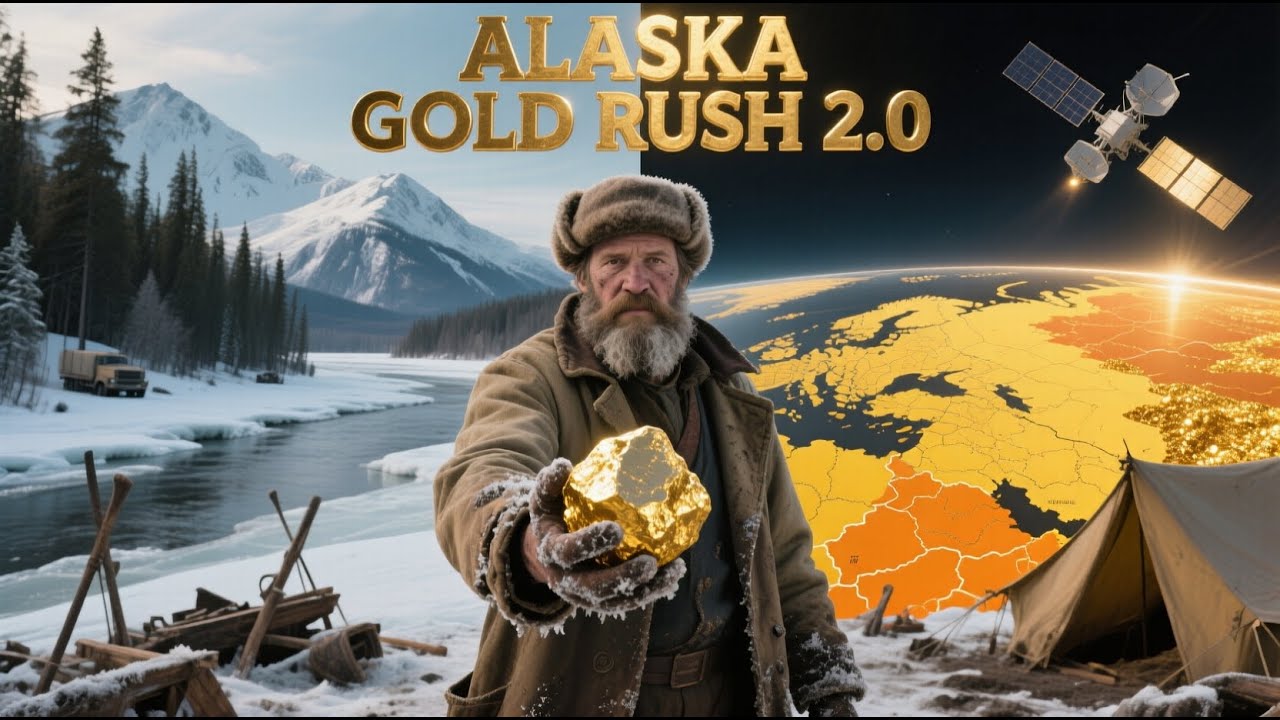
Satellites Spark a New Alaska Gold Rush

Modern Gold Rush: Inside the Global Race for Gold
- ✔ Gold fossicking maps NSW offer up-to-date, detailed information for safe exploration
- 📊 GIS overlays highlight mineral-rich zones and historic mining areas
- 🔗 Combine these public maps with private geological assessment for best results
- ⚠ Always verify land access and permissions before beginning fossicking
Key Insight
Integration of public gold fossicking maps NSW with private remote sensing and satellite-based mineral detection platforms (such as Farmonaut’s platform) can significantly increase the chances of making a successful find, while ensuring compliance with local regulations.
“Glencore Mines uses real-time mapping to monitor more than 2,000 hectares of mining operations in NSW.”
Major Gold Fossicking Areas in Queensland and NSW
Some of the most prolific gold fossicking areas in Australia are located in Queensland and NSW. Each offers unique geological formations, historical context, and logistical opportunities for modern prospectors. Here’s a closer look:
Queensland’s Fossicking Highlights
- Gympie: Historic goldfield, famed for its rich alluvial deposits and significance in early Queensland gold rushes.
- Clermont: Popular among amateurs, with accessible gravel beds and consistent gold yields.
- Mount Morgan: While commercial mining history is central, surrounding areas provide prospecting opportunities.
- Durikai & Fossicking State Forests: Accessible with clear maps, supporting hobbyist fossickers.
NSW’s Gold Fossicking Zones
- Sofala and Hill End: Central to the NSW gold rush legacy; mapped areas for both alluvial and reef gold prospecting.
- Ophir Reserve: Officially recognized as Australia’s first payable gold discovery site.
- Tuena and surrounding creeks: Popular zones, especially with updated GIS mapping.
- 🧭 Use official government maps for the latest access and yield data
- 🌏 Farmonaut’s satellite prospectivity mapping offers deeper insights before ground activity: Explore Satellite Driven 3D Mineral Prospectivity Mapping
- ✔ Technology and tradition now work together for best prospecting experiences
Glencore Mines in Queensland: Large-Scale Mining & Innovation
Glencore mines in Queensland represent the pinnacle of modern mining innovation in Australia. As a global leader, Glencore operates across coal, copper, and zinc extraction, with Mount Isa Mines being one of the most iconic names in the sector.
While gold fossicking is typically recreational or small-scale, Glencore’s operations highlight the commercial and large-scale extraction landscape. These sites employ advanced technologies like real-time operational mapping, automated machinery, and integrated environmental management systems. The company’s commitment to sustainability, regulatory compliance, and community engagement fosters a vast ecosystem of economic and social value.
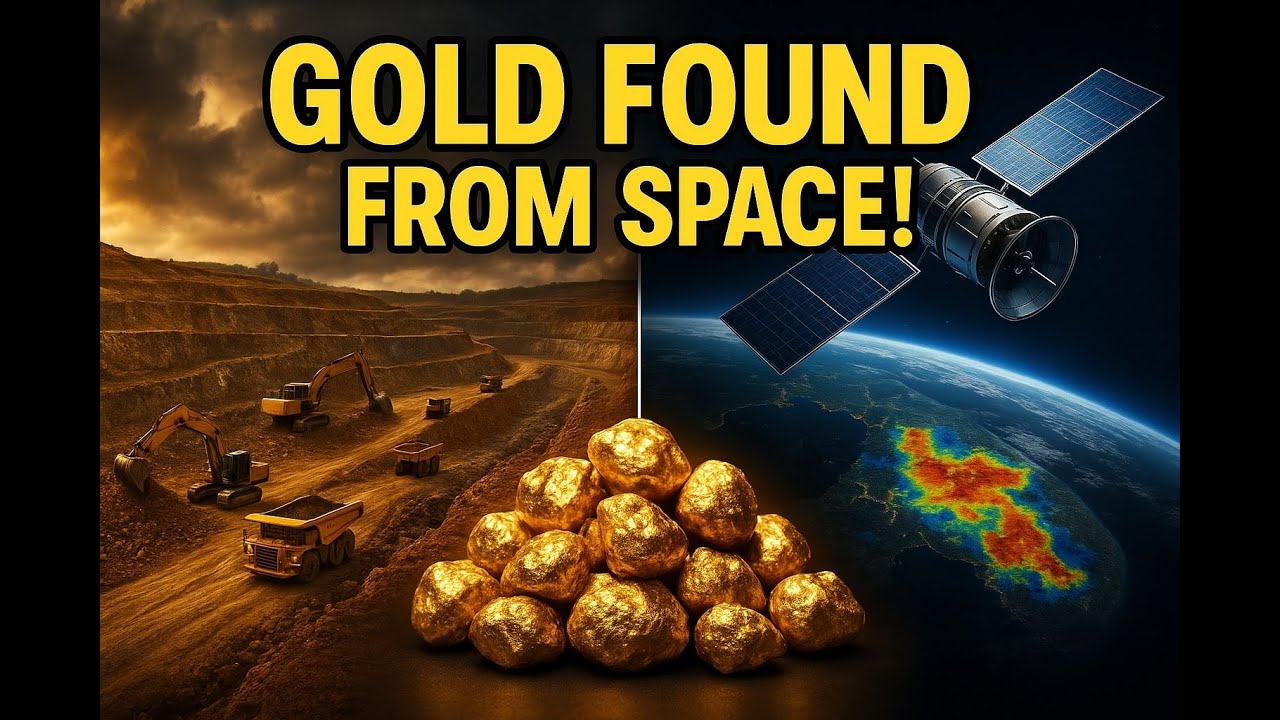
How Gold is Extracted from Mines
Key Features of Glencore Mines in Queensland
- 🌐 Real-time GIS mapping and remote operations monitoring
- 🔬 Implementation of AI-driven safety systems and predictive maintenance
- 🏗 Automated and robotic mining machinery
- 🌱 Minimum environmental impact through innovative waste and emissions management
- 🔎 Detailed geological assessment and resource valuation to optimize extraction
Investor Note
This dual approach—balancing industrial power with environmentally responsible extraction—is the future of mining. Both large commercial mines and individual fossickers rely on Queensland’s geological wealth, each contributing differently to the state’s mining economy.
The Future of Satellite & GIS in Gold Exploration
Modern satellite imaging and GIS-based mineral detection are rapidly redefining both small-scale and commercial gold exploration. Technologies offered by companies like Farmonaut utilize multi- and hyperspectral satellite data to detect unique spectral signatures of minerals, streamlining the exploration process from months or years to just days.

Satellites Find Gold! Farmonaut Transforms Mining

AI Soil Geochemistry for Gold Exploration
- ✔ Faster, objective target identification for both fossickers and large mining companies
- ✔ Environmental non-invasiveness during early exploration phases
- ✔ Global scale: Applicable from Queensland to Africa using robust data analytics
- ✔ Get real-time, accurate mineral intelligence for smarter investment or prospecting
How It Works:
- Client submits target area and desired minerals
- Satellites acquire multi/hyperspectral data covering vast regions
- Advanced algorithms analyze geological signatures for mineral prospectivity
- High-confidence reports and interactive maps delivered in under 20 days
By leveraging such advancements, both individual fossickers and mining companies can minimize exploration risk, cost, and environmental impact. This represents a paradigm shift in the way gold and other minerals are discovered and extracted within Australia.
Comparative Overview Table: Gold Fossicking & Mining Sites
| Location Name | Type (Fossicking/Mining) | Estimated Gold Yield (g/tonne) | Accessibility (Public/Private) | GIS Mapping Availability | Mining Technique (Traditional/Modern) |
|---|---|---|---|---|---|
| Gympie (QLD) | Fossicking | 2–8 | Public (licence required) | Yes (GIS & digital) | Traditional, Metal Detection |
| Clermont (QLD) | Fossicking | 1–6 | Public (designated fields) | Yes (GIS & digital) | Traditional, Metal Detection |
| Mount Morgan (QLD) | Mining | 4–12 | Private (Glencore) | Yes (Advanced GIS) | Modern, Automated |
| Sofala (NSW) | Fossicking | 1–4 | Public | Yes (NSW Govt & GIS) | Traditional, Metal Detection |
| Ophir (NSW) | Fossicking | 2–5 | Public | Yes | Traditional, Panning |
| Mount Isa Mines (QLD) | Mining | 6–15 | Private (Glencore) | Yes (Cutting-edge GIS) | Modern, Automated, AI-Driven |
| Hill End (NSW) | Fossicking | 2–6 | Public | Yes | Traditional, Metal Detection |
Common Mistake
Best Practices, Opportunities and Common Mistakes
📝 Best Practices for Successful Gold Fossicking
- ✔ Use up-to-date gold fossicking maps in NSW and QLD before planning your trip
- ✔ Apply for relevant fossicking licences through state government portals
- ✔ Leverage satellite-based mineral prospectivity mapping for target validation (see Farmonaut’s 3D mapping solution)
- ✔ Respect environmental guidelines and riverbed access rules
- ✔ Keep records of your finds for personal learning and regulatory compliance
💡 Opportunities in Gold Prospecting & Mining
- 🌍 Accessible ground in numerous goldfields across Queensland and NSW for public fossicking
- 📲 Technological solutions such as satellite data allow cost-effective large-area scanning
- 🔬 Advanced GIS supports better resource modelling for commercial miners and hobbyists
- 🌱 Sustainable methods in both fossicking and industrial mining reduce environmental impact
- 🏆 Government-supported initiatives for education, training and responsible prospecting
-
🚩
Crucial: Always confirm land status and avoid restricted or active mining areas! -
🛰️
Enhancement: Integrate remote sensing with public maps for superior planning -
🗺️
Benefit: Digital fossicking maps now sync with GPS for error-free navigation in 2026
-
🌐
Data Insight: The rise of cloud-based mineral intelligence platforms accelerates exploration cycles for all scales -
⚒️
Risk: Overlooking permit requirements can incur legal penalties—always check with authorities!
Key Insights & Callout Highlights
The synergy between public resource maps, state licensing, and satellite-based mineral prospectivity mapping is rapidly minimizing the divide between hobby prospectors and large mining operations in Queensland and NSW.
Global-scale satellite-driven mineral detection (see Farmonaut’s solution) lets you screen gold prospectivity for hundreds of square kilometers—no boots on the ground required.
Initiating gold fossicking or exploration without updated digital maps or remote sensing data can result in fruitless searches or encounters with closure zones and commercial leases.
The fastest-growing value areas are not just high-yield goldfields, but those with robust digital infrastructure and environmental monitoring. Real-time mining insight reduces risk and enhances operational value.
Ready to modernize your mineral exploration? Get a quote for advanced mineral intelligence for any Queensland or NSW site today.
FAQ: Gold Fossicking in Queensland, NSW & Glencore Mining
1. What is the difference between gold fossicking and mining in Australia?
Fossicking is generally a recreational or small-scale activity, requiring less permitting, focused on surface collection from riverbeds, shallow deposits, and old tailings. Mining, particularly as conducted by operations like Glencore mines in Queensland, is industrial-scale extraction involving heavy equipment, advanced mapping, and strict regulatory oversight.
2. Are there public maps for gold fossicking in Queensland and NSW?
Yes! Gold fossicking maps in NSW and Queensland are available digitally, supporting GPS navigation, identifying permitted areas, and integrating real-time environmental and geological data layers.
3. How can modern technology improve my chances of finding gold?
- Satellite-based mineral detection platforms (like ours at Farmonaut) rapidly identify mineral prospectivity using remote sensing and AI analytics, reducing wasted effort.
- GIS overlays on public maps highlight high-probability zones for gold while avoiding restricted or environmentally sensitive areas.
4. Do I need a licence to fossick for gold in Queensland or NSW?
Yes. Most designated fossicking areas in both states require a licence, which can be easily obtained online. Licences ensure compliance with environmental regulations and ongoing access for all.
5. How is Glencore leading the way in large-scale Queensland mining?
Glencore’s operations utilize advanced satellite mapping, remote monitoring, and automation for mineral extraction, exemplifying responsible large-scale mining in Australia’s rich mineral landscape.
Conclusion & Next Steps
The world of gold fossicking in Queensland and NSW is more accessible, regulated, and technologically sophisticated than ever in 2026. Public maps, state rules, and advances in GIS mapping have democratized access to Australia’s rich mineral resources, creating new opportunities for individuals, hobbyists, and semi-professional prospectors alike.
The coexistence of small-scale fossicking and large-scale commercial operations like Glencore mines in Queensland demonstrates an evolving sector—one that is both respectful of tradition and oriented toward technological innovation. Whether you aim to pan the riverbeds of Clermont, prospect near Gympie, or invest in advanced extraction operations, current tools and public policies in Queensland and NSW provide a clear, safe pathway to discovery.
- 🌞 Gold fossicking remains a beloved pastime and economic tool for many Australians.
- 🚀 Modern satellite and GIS systems put precision exploration within everyone’s reach.
- 📲 Ready to leap ahead? Explore Farmonaut’s Satellite-Based Mineral Detection Platform for next-gen prospector and mining enterprise solutions.
- 📩 Have questions or need personalized mapping support? Contact Us for expert guidance and project assessment.
The journey from recreational fossicking to commercial gold mining is now driven by technology, innovation, and responsibility. The golden landscape of Queensland and NSW continues to beckon—and with the right preparation, maps, and satellite support, your next find may be closer than you think.
Discussion
Questions, corrections or field experience? Share them below. First-time comments are reviewed before they appear, and your email is never published.
No comments yet. Be the first to add a question or your experience.

 Vulcan International Limited
 Kidepo Associates
 GKY Mining
 Alkimy SARL
 Double A Trading
 GemSprout Metals Limited
 Qader Group
 Ileys General Trading
 SG Gold Mining LLC
 VRV Global Pte Ltd
 Omsri International FZE
 G.I.T.T.
 Jaunita Erss Ltd
 Almosi SARL
 SRK Consulting
 Berks Gold Limited
 Mwerezi Minerals Company Limited
 Mining SARL
 SenGold Invest SAS
 Sean Mining Limited
 Exploration consultancy · South Africa · Gold










