

Green Diamonds: 7 Powerful Ways Mining Impacts Land & Cost
“Green diamond mining can alter up to 30% of local land use, affecting agriculture and rural community livelihoods.”
Key Insight
Green diamonds may seem rare and removed from farming, but their mining deeply influences agricultural land, costs, and the vitality of rural communities through land use, infrastructure development, and environmental stewardship.
Introduction: Green Diamonds in Modern Mining
Green diamonds are captivating, not just for their unique color but also for their growing significance beyond traditional luxury markets. As global demand rises for minerals that power technology, infrastructure, and future-facing industries, the environmental impacts of their extraction have never been more contested. Mining, in particular, functions as a double-edged sword—powering economic growth and, if done irresponsibly, risking damage to soils, water resources, and the long-term viability of agricultural and forestry systems.
In this comprehensive guide, we explore the seven most powerful ways green diamond mining impacts land, costs, and rural livelihoods. Our lens combines mineral geology, rural development, environmental management, and cutting-edge satellite analytics backed by Farmonaut.
- ✔ Key benefit: Informed planning reduces disruption to farming and forestry.
- 📊 Data insight: Over 80,000 hectares screened via satellite in 18+ countries with robust mineral detection.
- ⚠ Risk: Poor mining management can lower land value and crop yields by up to 25%.
- ✔ Sustainability: Smart exploration improves community acceptance and post-mine land restoration.
- 📈 Market relevance: Strategic green diamond mining boosts regional revenue and infrastructure.
Understanding Green Diamonds: Geology Fundamentals
To appreciate the far-reaching implications of green diamond mining, we need to understand the fundamentals of what makes green diamonds unique. Green diamonds are colored by tiny amounts of trace elements, crystal lattice imperfections, and/or exposure to natural irradiation. The causes of this rare coloration include:
- ✔ Trace elements: Atoms such as nitrogen or hydrogen alter the crystal structure and light absorption.
- ✔ Structural defects: Radiation or lattice disturbances during formation create green color zones.
- ✔ Natural irradiation: Prolonged exposure to natural radioactive minerals imparts color.
These formation mechanisms have consequences for how green diamonds are discovered and extracted:
- ✔ Disciplined gemology: Essential for accurate discovery and evaluation of green diamond potential.
- ✔ Geological surveying: Directs mining operations toward the most promising deposits, minimizing unnecessary disturbance.
The broader mining operation depends on robust exploration—using tools like exploratory drilling, ore sorting, and careful tailings management to maximize efficiency while minimizing environmental impact.
But modern mineral prospecting now extends far beyond traditional fieldwork or drilling.

Pro Tip
Satellite-based mineral detection—like that offered by Farmonaut—enables mineral prospecting at scale, without environmental disturbance, reducing time and green diamond mining cost by up to 85%.
Mining, Infrastructure, and Rural Land: The Integrated Impact
Green diamond deposits are often found in regions with significant agricultural or forestry activity. Mining projects—notably those that are poorly planned or managed—have a domino effect:
- ⚡ Changes in land use: Mining requires large tracts of land, impacting farming, timber production, and local wildlife corridors.
- ⚡ Infrastructure development: Reliable access roads, logistics hubs, and electricity alter rural landscapes but can also boost economic development and farming productivity when planned well.
- ⚡ Environmental trade-offs: Extraction, processing, and waste management present risks for biodiversity, crop land, and water resources.
These connections highlight the importance of integrated land-use planning—balancing the mineral potential of an area with long-term agricultural and environmental priorities.

Land used for mining today should—through careful restoration and reclamation—return to productive use after mine closure, preserving ecosystem services and boosting community resilience.
- 🛤️ Infrastructure Synergy: Improved roads and electrification aid in mineral extraction and also connect local farmers to markets, reducing perishables spoilage and boosting revenue.
- 🌲 Forest Conservation: Establishing buffer zones and wildlife corridors minimizes disruption to both biodiversity and agricultural land.
Table: Comparative Impact of Green Diamond Mining
| Impact Area | Estimated Impact Level | Estimated Change in Cost | Sustainable Management Measures |
|---|---|---|---|
| Soil Quality | High | -15% to -35% (restoration/maintenance costs) | Erosion controls, organic amendments, post-mine soil rehabilitation |
| Water Resources | Moderate | +12%–22% (treatment, sourcing) | Integrated watershed management, closed-loop systems |
| Biodiversity | High | Indirect (loss of ecosystem services) | Buffer zones, wildlife corridors, restoration ecology |
| Land Value | High | -10% to -25% | Rehabilitation, re-zoning for agriculture/forestry post-mining |
| Community Health | Moderate | +6 to +18% (health services, pollution mitigation) | Dust/sediment controls, monitoring, local health initiatives |
| Agricultural Output | High (if unmanaged) | -5% to -45% (yield losses, land inoperable) | Phased mining, crop rotation, quick land restoration |
| Rehabilitation Costs | High | $5000–$9000/ha | Robust reclamation plans, native vegetation replanting |
This table illustrates that the responsible management of green diamond mining is not optional, but essential for the long-term prosperity of both mining companies and local communities.
Common Mistake
Overlooking community input during land-use planning can escalate conflicts, slow project timelines, and damage the reputation of mining operators—ultimately increasing costs and regulatory scrutiny.
7 Powerful Ways Mining Impacts Land & Cost
1. Land Use Transformation and Agricultural Displacement
Land required for mining green diamonds often overlaps with prime agricultural or forested tracts. The direct consequence? Reduced crop production, grazing opportunities, and changes in local food systems. Mining can make up to 30% of traditional rural land inoperable for farming or forestry.
- ✔ Best practice: Integrated land-use planning with buffer zones protects crucial crop and forest land while supporting mining operations.
- ⚠ Risk: Sudden land conversion disrupts traditional farming livelihoods and food security.
2. Soil Quality, Erosion, and Site Rehabilitation
Mining disrupts both the physical structure and fertility of soils. Soil compaction, removal of topsoil, and long-term erosion lower land productivity, undermining post-mine recovery and agricultural use. Restoration costs can reach $5000–$9000 per hectare if soils are not protected during extraction.
- ✔ Proactive solution: Preserve and store topsoil, implement erosion controls, and prioritize native vegetation restoration when closing mines.
- 🕒 Delayed recovery: Unmitigated soil damage may take decades to restore for productive crop or grazing land.
3. Water Resource Competition and Contamination
Extraction and processing of diamonds require large volumes of water, which can compete with irrigation needs and disrupt natural watershed flows. Worse, pollution risks from waste rock, processing tailings, and sediment runoff can contaminate both surface and groundwater, impacting local farmers and community health.
- 💧 Integrated water management: Closed-loop water cycles and real-time monitoring protect agricultural supply and water quality.
- 📈 Added cost: Water treatment and sourcing can raise operational outlays by 12–22% in water-scarce regions.

4. Biodiversity and Ecosystem Service Loss
Green diamond mining can fragment wildlife habitats, remove native vegetation, and diminish ecosystem services such as pollination and water filtration. The indirect effects on forestry and agricultural sectors—such as lower yields due to reduced pollinators—are often substantial yet difficult to monetize.
- 🌱 Restoration ecology: Buffer zones, wildlife corridors, and native replanting can offset biodiversity loss.
- 🔎 Monitoring need: Ongoing ecosystem assessment ensures longer-term agricultural productivity.
Map Your Mining Site Here!
Accelerate green diamond exploration and optimize investment by mapping your mining target using our advanced satellite mineral detection toolkit.
mining.farmonaut.com

5. Land Value Depreciation and Community Perception
Unrestored or polluted land can lose 10–25% of its value, affecting not only direct landowners but also neighbouring properties. Social stigma and uncertainty further suppress agricultural and residential investment.
- 💸 Solution: Proactive reclamation and transparent environmental certification boost land value and restore trust among local communities.

6. Rehabilitation & Long-term Costs
Mining operators face substantial rehabilitation costs—often $5,000–$9,000 per hectare—if sites are left derelict. Sustainable closure plans buffer against these future liabilities and align with government and investor expectations for responsible mining.
For those using remote sensing for early minerals detection, these costs can be anticipated, budgeted, and minimized by shaving unproductive exploration areas and focusing on high-probability zones.
- 🛠️ Robust plans: Early integration of site restoration reduces legal, financial, and reputational risks.
- 💡 Farmonaut’s Advantage: By prioritizing the best targets with satellite-based mineral detection, we help minimize unnecessary disturbance and costs across the mining value chain.
7. Infrastructure Investment and Regional Economic Diversification
While mining can displace rural activities, its infrastructure investments—from roads to power and housing—have lasting positive spillovers. Local contractors benefit, farmers gain better access to markets, and logistics chains are modernized. The key is ensuring these upgrades are designed to meet both mining and agricultural needs, not just the former.
- 🚚 Shared Benefit: Coordinated infrastructure development reduces transport times and post-harvest losses for perishable crops.
- 💎 Strategic planning: Regional development plans should integrate the future of mining, forestry, and agriculture.
Explore Satellite 3D Mineral Prospectivity Mapping for advanced risk assessment and smarter land allocation.
“Sustainable mining practices can reduce environmental impact by 40%, promoting better land management and ecosystem health.”
Investor Note
Strategic green diamond projects bring higher returns and market acceptance when backed by robust environmental management and topographic intelligence. Pre-emptive satellite-driven assessments de-risk investments and build future value.
Environmental Stewardship & Community Resilience in Green Diamond Mining
Protecting Water, Soil, and Biodiversity
The design and operation of green diamond mining projects must prioritize hydrological integrity—protecting irrigation sources, preventing contamination, and sustaining local water tables. With advanced soil and ecosystem mapping, operators can avoid high-risk areas, install effective sediment controls, and sequence extraction to minimize impact.
- ✔ Hydrogeological surveys identify vulnerable aquifers and inform safe water sourcing/return strategies.
- ✔ Real-time monitoring using satellite analytics ensures compliance with environmental standards during operations.

Building Community Trust & Local Economic Resilience
Communities are more likely to support mining when they see concrete benefits: local hiring, supply chain opportunities, investment in schools and clinics, and infrastructure improvements that outlast mine closure.
- ✔ Workforce development and training raise local incomes and diversify the rural economy.
- ✔ Community-benefit agreements protect long-term rural interests and ensure shared prosperity.
Key Insight
Farms, forests, and mineral deposits can coexist. It requires sustainable development practices, strategic planning, and ongoing community engagement—not short-term cost-cutting.
Farmonaut Insight: Satellite-Driven Responsible Exploration
As leaders in satellite-based mineral detection, we at Farmonaut champion non-invasive exploration to minimize the environmental footprint of green diamond mining projects.
- ✔ Remote sensing: Our Earth-observation & mineral mapping platform scans vast, rugged areas for spectral signatures of green diamonds— dramatically reducing time, costs, and surface disturbance.
- ✔ Global coverage: We’ve provided advanced remote mineral intelligence for over 80,000 hectares across 18+ countries, supporting prospectors, exploration firms, and investors targeting diamonds and other minerals.
- ✔ Cost advantage: Satellite-driven analytics can lower early-stage exploration budgets by 80–85%— enabling more efficient resource allocation and faster project evaluation.
- ✔ Sustainability: As our detection methods do not disturb the land, early-stage mining can be aligned with environmental stewardship and robust ESG standards—a win for both business and biosphere.
For a comprehensive overview of mineral prospectivity and post-discovery investment guidance, explore our Satellite-based Mineral Detection Service.

Value Chains, Economic Benefits & Market Dynamics
From Mine to Market: Green Diamond Cost and Rural Revenue Streams
The journey of a green diamond spans extraction, processing, cutting, polishing, grading, certification, and ultimately, entry into high-value jewelry markets. At every stage, the cost structure is influenced by the efficiency of infrastructure, environmental compliance, and local integration.
- 💡 Downstream benefit: Farmers, contractors, and local suppliers profit as mining’s logistics, power, and transportation upgrades ripple through rural economies.
- 📈 Economic resilience: Multiple revenue chains make rural areas less vulnerable to market swings or single-commodity crashes.
- 💎 Cost transparency: Responsible sourcing and traceability reduce risk premiums in global markets, raising the acceptability and price of green diamonds.
Visual List: Chain of Economic Influence from Green Diamond Mining
- 🔗 Exploration → Data analytics, remote sensing, and local field surveys ★
- 🔗 Mining → Employment of local workforce, purchase of goods/services
- 🔗 Processing & Certification → Technical training, downstream employment
- 🔗 Infrastructure Upgrades → Roads, electricity, market access for rural producers
- 🔗 Regional Economic Diversification → Added resilience for both farming and mining communities
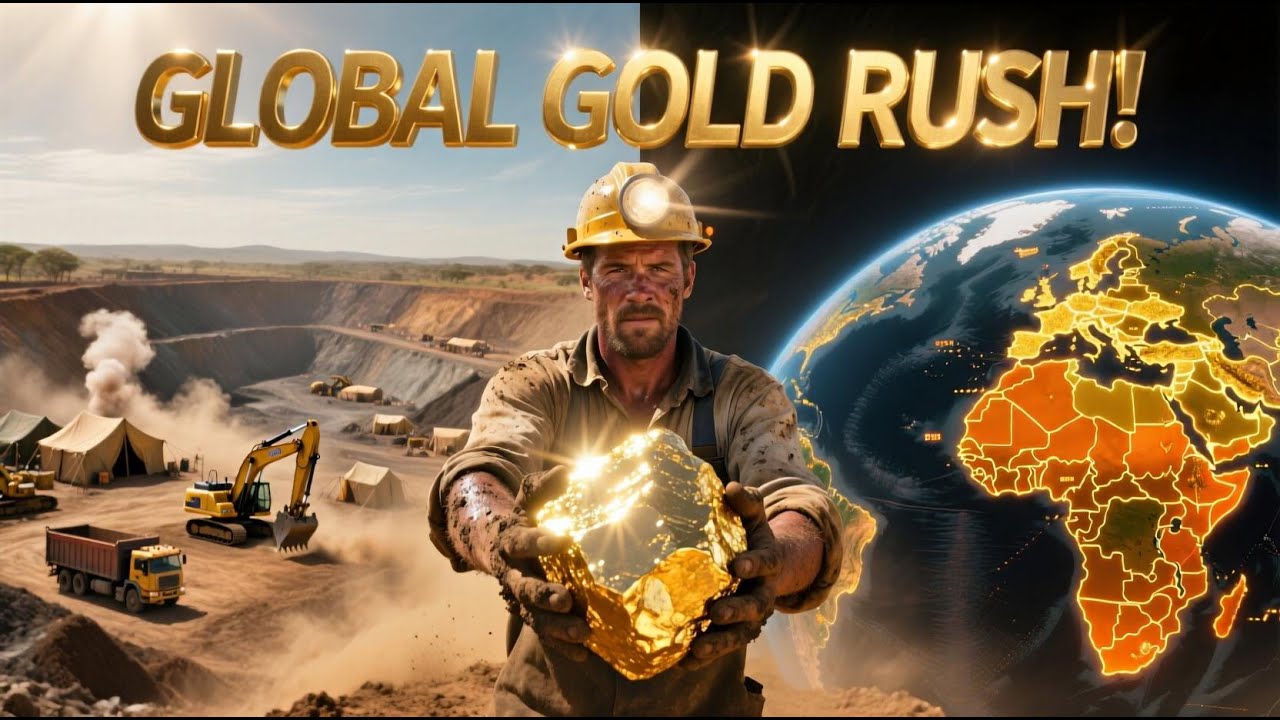
Visual Checklist: Cost Factors Influencing Green Diamond Projects
- 💰 Capital Investment: Exploration, drilling, processing plants, transport logistics
- 🚿 Environmental Compliance: Water treatment, waste management, restoration plans
- 💎 Certification: Third-party environmental and ethical standards compliance
- ⚡ Power & Utilities: Electricity and water infrastructure shared with local communities
- 🤲 Community Engagement: Training, procurement, health and education contributions
Callout: Efficient Project Evaluation
Accelerate your green diamond project evaluation with Farmonaut’s quick quote tool—get satellite-driven insights to save time, cost, and environmental impact.

Sustainability Standards and Certification in Mining
Certification: A Bridge to Responsible Land Management
Modern mining operations—especially those targeting high-value products like green diamonds—are increasingly expected to meet environmental and social governance (ESG) requirements.
Certification covers areas such as:
- ✔ Traceability: From extraction site to polished product, mapping every step to ensure responsible sourcing.
- ✔ Land stewardship: Independent verification of soil health, biodiversity, and water management practices.
- ✔ Community engagement: Documented investment in local training, procurement, and welfare programs.
For both farmers and forestry stakeholders, these measures build confidence that their land, water, and productivity are respected—and post-mine, these landscapes remain productive for generations.
Common Mistake
Neglecting independent third-party certification can lead to export bans, reduced market confidence, and missed partnership opportunities in the competitive international minerals market.
Strategic Opportunities for Sustainable Development
To maximize both mineral and rural prosperity, future-oriented mining projects should consider:
- Integrated land-use planning: Collaboratively map mineral, agricultural, and forest priorities to reduce conflict.
- Water management systems: Design infrastructure that benefits both extraction and local farm irrigation.
- Local supply chains: Procure services, contractors, and food from nearby communities to boost rural employment and resilience.
- Phased, robust reclamation: Implement plans to restore soil structure and biological productivity post-mining.
- Ongoing environmental monitoring: Use satellite analytics to adaptively manage environmental impacts.
Visual List: Green Diamond Mining Best Practices
- 🌎 Non-invasive exploration first (satellite/remote sensing)
- 🧩 Buffer zones for wildlife migration and crop protection
- 🏞️ Quick restoration of disturbed land to productive grassland or forest
- 🛤️ Multi-use infrastructure to support both mines & rural communities
- 🌱 Continuous stakeholder dialogue to ensure fair benefits and concerns are addressed
Connect With Us
Have questions about sustainable mineral exploration, mapping, or project planning?
Contact Us today.
Frequently Asked Questions
What are green diamonds, and why are they valuable?
Green diamonds are natural diamonds with a rare green coloration caused by trace elements, crystal lattice defects, or exposure to natural irradiation. They are valuable both as luxury jewelry and as a unique mineral commodity requiring precise detection and responsible mining.
How does green diamond cost relate to land and environmental management?
The cost of green diamonds includes not just extraction and processing but environmental stewardship, land rehabilitation, and ongoing monitoring—factors that directly influence rural land value, agricultural output, and market acceptability.
Can green diamond mining and agriculture coexist?
Yes, with careful planning. Integrated land-use policies, buffer zones, and restoration initiatives ensure that mining does not irreparably harm agricultural or forestry landscapes—and may even improve infrastructure for long-term community benefit.
How does Farmonaut help make exploration more sustainable?
We deliver non-invasive, satellite-based mineral detection and prospectivity mapping to identify high-potential zones—minimizing environmental disturbance, reducing exploration costs, and aligning projects with sustainability and ESG standards.
What are some sustainable management practices for green diamond mining?
Best practices include land-use integration, closed-loop water management, community engagement, robust reclamation planning, independent certification, and continuous satellite monitoring of environmental impacts.
Conclusion: A Sustainable Path Forward
From geology’s crystal lattice to the bustling market for jewelry and technology minerals, green diamonds shape, and are shaped by, the landscapes and communities in which they are mined. When managed responsibly, their extraction can drive rural resilience, infrastructure modernization, and economic opportunity—without sacrificing the health of our soil, water, and forests.
The future of green diamond mining must be built on solid data, community partnership, robust environmental standards, and smart investments—leveraging modern tools like satellite-driven analytics to chart the most sustainable and profitable course for all stakeholders involved.
For those seeking faster, smarter, and more responsible mineral exploration, Farmonaut’s pioneering platform stands ready—empowering decision-makers at every step.
Take the Next Step
- ✔ Interested in mapping and assessing your mining site?
Map Your Mining Site Here - ✔ Want a quick, tailored quote for your exploration needs?
Get Quote - ✔ Looking for advanced satellite-driven mineral intelligence?
Explore Satellite-based Detection Service - ✔ Questions or partnership inquiries?
Contact Us
Discussion
Questions, corrections or field experience? Share them below. First-time comments are reviewed before they appear, and your email is never published.
No comments yet. Be the first to add a question or your experience.

 Comfix & Engineering Limited
 Congo Mining Solutions
 Mining SARL
 SenGold Invest SAS
 Sania Corporation
 Sean Mining Limited
 NTS Group (Pty) Ltd
 Mine4Africa
 Lithspo Minerals Limited
 Tintina Mining Group
 Dalgety Minerals Pty Ltd
 Vortex Minerals Pty Ltd
 Faith At Work (Pty) Ltd
 Geotech Mining Solutions plc
 Vulcan International Limited
 Kidepo Associates
 GKY Mining
 Alkimy SARL
 Double A Trading
 GemSprout Metals Limited
 Qader Group










