

How Much Is Each Truckload of Ore Worth? Gold Extraction, Value, and Sustainable Mining for 2025 and Beyond
Introduction: Gold Ore Value in Modern Mining
Gold is unquestionably one of the world’s most sought-after minerals, and the core question for the mining, agricultural, and land-use sectors in 2025 is simple: “How much is each truckload of ore worth, once the gold is extracted?” Determining this value involves more than the shimmering promise of gold itself. The ore grade, gold extraction per ton, processing costs, and environmental management all shape the real market worth and impact of gold mining today.
This blog guides you through the practical calculation of ore value, the science of gold yield per ton, and the techniques of extraction—framed through the lens of modern sustainability, land planning, and cutting-edge exploration technologies, like Farmonaut’s satellite-based mineral detection.
Whether you are a land-use planner, mining operator, investor, or part of the adjacent agriculture or forestry sectors, the following three questions frame a comprehensive approach to gold ore valuation and responsible mining management:
- How much is each truckload of ore worth, once the gold is extracted?
- How much gold is extracted per ton of rock ore?
- How is gold ore extracted?

1. How Much Is Each Truckload of Ore Worth, Once the Gold Is Extracted?
Let’s dive into the numbers. Every truckload of ore that leaves a mine site represents a complex story: grades, recovery, costs, and margins, shaped and driven by the ore’s geological quality and global gold market prices in 2025.
Ore Value Is Not Gold Value
Remember, the raw ore is not the same as the gold value within it. Consider the following determinants:
- Ore Grade (g/t): How many grams of gold are contained per ton of rock?
- Recovery Rate (%): What percentage of that contained gold can actually be extracted?
- Processing Costs: Expenses for crushing, grinding, flotation, cyanide leach, water, safety controls, and regulatory compliance.
- Truckload Size: A standard production truckbody might carry 20–30 tons of ore (25 tons is a common planning assumption).
- Market Price : Gold was about $4,123 per troy ounce, or roughly $132,500 per kg, on 28 September 2026 (Trading Economics); it moves daily.
Is there a price for raw gold ore?
No. Unlike gold bullion, gold ore has no exchange or published spot price. Its value depends on the grade and on how much of the gold a mill can recover, so every parcel is priced separately.
- At a mine with its own plant, ore is never sold. It is valued internally as contained gold, and anything below the cut-off grade goes to waste or a low-grade stockpile.
- Small miners without a plant can sell ore to, or have it processed by, a custom or toll mill. The mill samples and assays the ore, then pays for or returns a share of the recoverable gold, after deducting its charges for crushing, processing and assaying.
- Charges and payable percentages are set by each mill and change with volume, ore type and distance, so ask for a written schedule before delivering.
Because the buyer’s payment rests on the assay, it is worth getting an independent assay first from an accredited laboratory. A few grams per tonne either way changes the value of a truckload by hundreds or thousands of dollars at current prices.
Practical Calculation: Gross and Net Value per Truckload
Let’s apply the numbers:
- Ore grade: 2 g/t
- Mine tonnage per truckload: 25 t (assuming standard truck load)
- Plant gold recovery: 90%
- Market price of gold: about $132,500/kg (28 September 2026)
Contained gold per truckload:
25 t × 2 g/t × 0.90 = 45 grams (0.045 kg)
Gross gold value per truckload:
0.045 kg × $132,500 ≈ $5,960
Net value per truckload:
Processing, transport and compliance costs then come off this figure. They vary widely with the mine, its scale and its method, so there is no single net figure per load.
The net result is highly sensitive to the mine’s grade, scale, and the efficiency of extraction and refining.
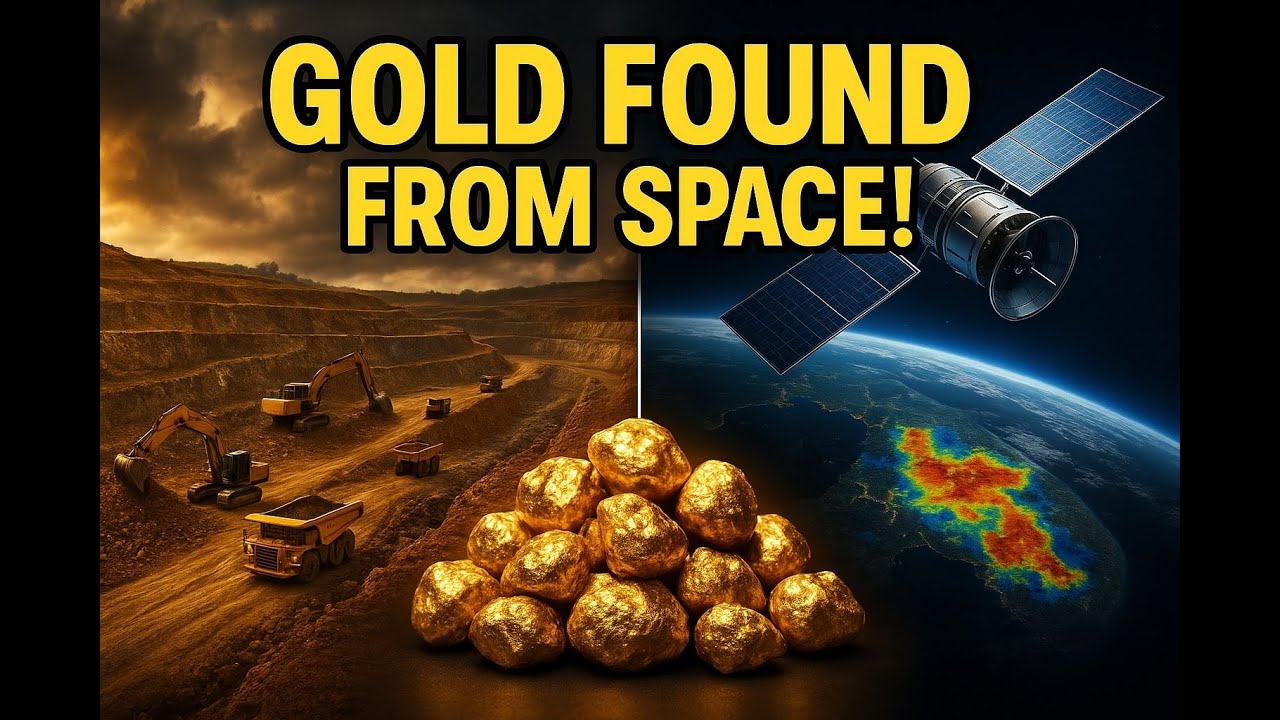
Don’t judge ore value by tonnage alone! A larger truckload with lower Ore grade can be far less valuable than a smaller load of high-grade rock. The financial viability of mine operations is tightly linked to ore grade, recovery, and processing costs.
Key Takeaway for Land, Agriculture, and Forestry Stakeholders
The truckloads coming out of a mine generate revenue only after refining. The gross per-load figure is driven by grade, recovery efficiency, and contemporary gold price—not just the truck’s bulk weight. This has strong ramifications for resource-based planning, adjacent land-use, and long-term ecological management.

Gold value per tonne of ore at the current price
Gold closed at about $4,123 per troy ounce on 28 September 2026 (Trading Economics), or about $132.55 per gram. The table below applies that price and a 90% plant recovery to common ore grades, for one tonne and for a 25-tonne truckload. These are gross values of the recoverable gold, before any mining, haulage or processing cost.
| Ore grade | Gold recovered per tonne | Gross value per tonne | Gross value per 25 t load |
|---|---|---|---|
| 0.5 g/t | 0.45 g | $60 | $1,490 |
| 1 g/t | 0.90 g | $119 | $2,980 |
| 2 g/t | 1.80 g | $239 | $5,960 |
| 5 g/t | 4.50 g | $596 | $14,910 |
| 10 g/t | 9.00 g | $1,193 | $29,820 |
To rework it for a different day, multiply grade (g/t) by recovery by the spot price per gram. One troy ounce is 31.1035 grams. The gold price moves every trading day, and it fell more than 3% on 28 September alone, so recalculate before relying on any figure. Grade matters far more than truck size: a load at 10 g/t carries twenty times the gold of a load at 0.5 g/t.
2. How Much Gold Is Extracted Per Ton of Rock Ore?
The “grade” of ore refers to the concentration of gold contained in each ton of rock. Understanding this is crucial for forecasting revenue, determining mine viability, and estimating environmental impact per ton moved.
Gold Grade Ranges: Key Data
- Low-grade stockpiles: 0.5–1 g/t
- Common open-pit ore: 1–5 g/t
- High-grade lodes: 10–20+ g/t
- Grades vary widely by deposit; a mine’s published reserve statement gives its actual grade
Plant recoveries broadly average 85–95%, depending on site-specific conditions and technology investment. For example, an ore with 3 g/t grade and 90% recovery yields 2.7 grams of gold per ton (3 × 0.90 = 2.7 g/ton).
- ✔ Low Grade (1 g/t): ~0.9 g extracted per ton
- ✔ Medium Grade (3 g/t): ~2.7 g extracted per ton
- ✔ High Grade (10 g/t): ~9 g extracted per ton
Annualized output: At a plant throughput of 10,000 tons per day at 3 g/t grade (with 90% recovery), the operation can produce:
- Gold extracted per day: 10,000 t × 3 g/t × 0.90 = 27,000 g = 27 kg/day
- In a month (~30 days): 27 kg × 30 = 810 kg
Such numbers are indicative: operational downtime, ore feed variability, and maintenance intervals affect the final output.

Higher grades concentrate more gold into smaller volumes of rock, significantly reducing waste rock, water usage, and tailings for each unit of gold produced.
This is a crucial factor for land-use managers balancing resource development against ecological impact.
Caveat for Environmental Managers
High-grade mining does not always mean less environmental impact per hectare—it depends markedly on extraction method, terrain, water management, and post-mine reclamation strategies.

3. How Is Gold Ore Extracted?
The journey from rock ore to pure gold involves highly engineered processes and strict environmental oversight, especially in 2026 and beyond.
Overview of Extraction Workflow
- Geological Survey and Site Evaluation: Location, structure, and depth are mapped, often with satellite-based mineral detection platforms like Farmonaut’s multispectral and hyperspectral data analytics—a non-invasive, rapid, and highly accurate first pass.
- Mine Operation Planning: Permits, land rehabilitation plans, and water protection standards are set. Sustainable design now integrates infrastructure impacts, adjacent sectors (e.g., farming or forestry), and long-term soils and hydrology.
- Mining the Ore: Using either open-pit or underground methods based on ore body geometry, ore is drilled, blasted, and loaded on trucks.
- Transport and Primary Crushing: Rock is hauled by trucks (each truckload typically 20–30 tons) to the processing plant, where it undergoes crushing and grinding to create a fine slurry.
- Beneficiation: Processes such as gravity separation, flotation, or roasting concentrate the gold-bearing materials for the next stage.
- Leaching: Cyanide leach (or newer alternatives for environmental safety) dissolves the gold into solution—a step tightly regulated in most jurisdictions for both operational risk and community health.
- Refining: Precipitated gold is purified to form bars or coins, ready for downstream markets.
- Waste and Water Management: Environmental controls manage tailings, contaminated water, and emissions. Best-practice plants recycle water, treat effluents, and develop comprehensive mine closure and land reclamation protocols.

Land, Water, and Ecological Planning in Gold Extraction
- Operations impact surface cover, cause soil disturbance, and alter water flow and quality. Responsible miners must implement buffer zones, reforestation, and rehabilitation per regulatory and social license requirements.
- Tailings dams and waste rock piles create potential risks, requiring robust engineering, ongoing inspection, and emergency protocols.
- Community Engagement: Modern mining within agricultural or forestry landscapes increasingly demands coordination with local communities for land-use compatibility and risk sharing.

Neglecting water management in gold ore extraction leads to long-term environmental risk—both on site and downstream, especially in adjacent agricultural or forestry sectors. Water recycling is widely treated as good practice, and some plants aim for zero discharge.
Ore Value and Environmental Impact Table (2025 Scenarios)
Quantitative comparison makes the dynamics of ore grade, extraction efficiency, processing costs, and sustainable practice visible. The table below summarizes three typical mining site scenarios for 2025:
The net value per truckload rises steeply with grade, but environmental impacts can be minimized or accentuated based on sustainability measures. Planning for water, waste, and soil is as important as maximizing gold yield per ton.

Sustainability and Land-Use Planning in Gold Mining
Modern gold mining operations cannot ignore their context: adjacent land sectors, infrastructure, and community interests now all influence mine planning and execution.
- 🌾 Farming: Water and soil qualities often directly influence or are influenced by nearby mining.
- 🌲 Forestry: Biodiversity corridors and watershed integrity can affect mine expansion.
- 🏞️ Recreation & Conservation: Rehabilitation of mined-out zones boosts long-term land value.
- 🏞️ Infrastructure: Haul roads, railway lines, and processing plants change regional land-use patterns.
- 🏢 Commercial Sectors: Strategic minerals drive investment and reshape community economies.
By 2026, mines are increasingly integrating remote sensing for tailings monitoring, real-time water quality reporting, and land biodiversity analytics to meet regulatory and ESG reporting demands.
Best Practices for Sustainable Mining Value (2025+)
- Water recycling and zero-discharge plants to minimize drawdown on local watersheds.
- Progressive rehabilitation with native species to speed up soil and ecosystem recovery.
- Innovative tailings management (e.g., dry stacking, bioremediation) to reduce water and chemical risk.
- Community consultation and transparent reporting on gold yields, truckload value, and environmental footprint.
- Use of satellite monitoring for continuous compliance and public accountability.
Leverage Satellite-Driven Solutions for Site Planning: Farmonaut’s Value Proposition
Farmonaut’s satellite-based mineral detection enables rapid screening of large regions for mineral prospectivity, identifying high-value gold zones without ground disturbance. This empowers sustainable mine design, targeted land management, and efficient exploration investment—all from space.
For in-depth, actionable targeting, explore Farmonaut’s satellite driven 3d mineral prospectivity mapping—a pivotal tool for both technical and commercial decision-makers seeking a competitive edge.
Map Your Mining Site Here: mining.farmonaut.com
Technological Innovations Shaping Ore Value Recovery
- 🤖 AI-enhanced mineral mapping: Pinpointing gold-rich ore bodies using pattern recognition and big data processing.
- 🌍 Multispectral/hyperspectral imaging: Identifying alteration halos and mineralogical patterns invisible to the naked eye.
- 💡 Automated recovery optimization: Plant systems dynamically adapt to feed and grades for maximal gold extraction per ton.
- 🏞️ Drone and satellite-based tailings monitoring: Ensuring structural integrity and proactive incident response.
Data Insight Box: Farmonaut in the Field
- 📊 Reduce exploration timelines by up to 85%
- 💸 Lower upfront exploration costs by tens of thousands of dollars per project
- 🌿 Completely eliminate ground disturbance in the early planning phase
- 🗺️ Obtain large-area, multi-mineral prospectivity reports in 5–20 business days
For custom prospecting and environmental baseline intelligence, visit Get Quote or Contact Us today.
The Farmonaut Satellite-Driven Approach to Sustainable Exploration
At Farmonaut, we enable geologists, planners, and investors to determine accurate ore value, grade, recovery, and gold yield before any ground is touched. Our satellite-based mineral detection platform automates site screening, lowers costs, and supports ESG-centric mining operations across the globe.
We believe that sustainable mineral development is only possible through innovation, transparency, and cross-sector alignment. Our reporting and workflow are designed for both technical accuracy and commercial impact, with a special focus on driving rapid, responsible results.
- 80,000+ hectares surveyed
- 18+ countries covered (including Africa, Australia, South America, and Asia)
- Supports detection of gold, base metals, energy minerals, rare earths, and specialty resources
- Premium Reports with 3D Mineral Prospectivity Mapping offer both geological and commercial guidance
Ready to transform your mine’s exploratory phase?
Map Your Mining Site Here
Curated Video Insights: Gold Extraction and Satellite Mining Intelligence
Expert Highlights and Pro Tips
Key Bullet Points & Visual Data Lists
Top 5 Factors That Influence the Value of a Truckload of Gold Ore
- ✔ Ore Grade: Higher grade means more gold per ton—net value climbs sharply with grade.
- 📊 Gold Recovery: Efficiency of plant extraction processes—every % gain in recovery rate boosts truckload worth.
- ⚠ Processing Costs: From crushing to refining, costs must stay below realized gold value per load for profit.
- 🛢 Market Prices: Gold price volatility directly alters revenue per truckload, day by day.
- 🌍 Environmental & Land-Use Management: Poor practices can result in fines, lost licenses, or community shutdowns.
🛰️ Visual List: Satellite-Driven Mining Benefits
- 🛰️ Rapid prospectivity mapping
reduces exploration time from months to days - 🌱 No ground disturbance
supports ESG and sustainable planning - 🔍 Detects hidden ore bodies
using spectral algorithms and anomaly heatmaps - 📉 Lowers upfront exploration costs
by up to 85%
🌟 Visual List: Sustainable Gold Extraction Practices for 2026
- 💧 Water recycling and zero-discharge plants
- 🌳 Progressive reforestation & land reclamation
- 🧑🔬 Real-time remote environmental monitoring
- ♻️ Dry-stack tailings & bioremediation
- 📰 Transparent reporting to community and regulators
Frequently Asked Questions (FAQs)
Q1. How much is each truckload of ore worth, once the gold is extracted?
Q2. How much gold is extracted per ton of rock ore?
Q3. How is gold ore extracted and processed?
Q4. What is the environmental impact of gold mining per truckload?
Q5. How does satellite technology improve gold mining in 2025?
Summary: Strategic Takeaways for 2025 and Beyond
Determining value and extraction dynamics of gold-bearing ore is fundamental for mine operators, land planners, investors, and the wider agricultural and forestry sectors. Understanding how much is each truckload of ore worth, once the gold is extracted? How much gold is extracted per ton of rock ore? And how is gold ore extracted?—these are the pillars of sustainable, profitable, and responsible mining in 2026 and beyond.
- Ore grade, recovery rate, and market price shape the gross and net value of every truckload.
- Efficiency of processing directly impacts daily and annualized revenue;
- Sustainability is now a core value driver, influencing both environmental and financial outcomes.
- Satellite-based intelligence (like Farmonaut’s) gives you faster, non-invasive, and cost-effective exploration and compliance tools—delivering a decisive strategic edge.
In an era of global resource competition, water stress, and ESG mandates, aligning mining operations with responsible land-use and environmental stewardship is both profitable and necessary. For customized mineral intelligence and to map your gold potential, try Farmonaut’s satellite-based mineral detection today.
-
Map Your Mining Site Here:
mining.farmonaut.com - Discover how satellite-driven intelligence can boost your mining outcomes—learn more here!
- Ready for a custom quote? Get Quote
- Questions or feedback? Contact Us
At Farmonaut, we are committed to enabling smarter, faster, and more sustainable resource decisions—empowering mining, agricultural, and land stakeholders for a prosperous, responsible future.
Discussion
Questions, corrections or field experience? Share them below. First-time comments are reviewed before they appear, and your email is never published.
No comments yet. Be the first to add a question or your experience.

 VRV Global Pte Ltd
 Omsri International FZE
 G.I.T.T.
 Jaunita Erss Ltd
 Almosi SARL
 SRK Consulting
 Berks Gold Limited
 Mwerezi Minerals Company Limited
 Mining SARL
 SenGold Invest SAS
 Sean Mining Limited
 NTS Group (Pty) Ltd
 Mine4Africa
 Lithspo Minerals Limited
 Tintina Mining Group
