

Largest Gold & Copper Mine USA: 7 Key Mining Impacts on Water, Agriculture, Forestry & Regional Sustainability
Table of Contents
- Introduction: Mining at the Crossroads of Economy & Stewardship
- Trivia: Amazing Facts about Largest Gold & Copper Mines
- The Largest Gold Mine in USA & Largest Copper Mine USA: Facts and Legacy
- 7 Key Environmental, Agricultural and Forestry Impacts
- Comparative Environmental Impact Table
- Modern Mine Exploration: Satellite-Based Intelligence
- Mining-Driven Infrastructure in Rural and Agricultural Regions
- Regional Planning, Community Input, and Responsible Stewardship
- Frequently Asked Questions
- Conclusion: Shaping the Future Responsibly
“The largest U.S. gold and copper mines can use over 20,000 gallons of water per minute during peak operations.”
Introduction: Mining at the Crossroads of Economy & Stewardship
The largest gold mine in USA and the largest copper mine in USA stand as benchmarks in the evolution of the mining industry — not only for their sheer output and economic power, but also for their complex interaction with local water, agricultural, and forestry systems. As these operations expand the boundaries of technology and resource extraction, they must simultaneously address environmental, soil, infrastructure, and community impacts.
Balancing economic demand with responsible management and stewardship of ecosystems is critical. As debates on sustainability grow, so does the importance of progressive planning, reclamation and integrating mining with broader land-use strategies. This article explores how large-scale mining operations in the United States shape not just industry, but also the surrounding landscape, agriculture, regional livelihoods, and environmental legacy.

The Largest Gold Mine in USA & Largest Copper Mine USA: Facts and Legacy
The heart of America’s resilient mining economy beats strongest in the vast open-pit mines of Nevada and Arizona. The largest gold mine in USA (Carlin Trend, Nevada) and the largest copper mine in USA (Morenci, Arizona) symbolize technical achievement and social debate in equal measure. Sitting at the intersection of extraction and environmental stewardship, these flagship operations illustrate how a single site can impact local agricultural economics, forest lands, and the connected infrastructure underpinning both rural and urban lives.
- Carlin Trend, Nevada (Gold): A complex of open-pit and underground mines, Carlin Trend has produced more than 70 million ounces of gold since discovery. Its footprint is substantial, but careful planning has aimed to minimize disruption to farmland and rangelands.
- Morenci Mine, Arizona (Copper): As the largest copper mine USA, Morenci produces nearly one billion pounds of copper annually. Its management strategies and permitting have shaped land use, water supply, agricultural access, and have become case studies in balancing economic value with environmental care.
Mining, especially at this scale, is never a single-issue story. It intersects with local agriculture, ranching, forestry, watershed health, and the long-term viability of entire communities.
- ✔ Drives rural economic growth via job creation and ancillary industry support
- 📊 Improves infrastructure investment in power, roads, and water systems
- 🌱 Promotes integrated land management for agriculture and forestry
- 🔒 Supports community livelihoods through diversified employment streams
- ⌛ Accelerates technological adoption — including satellite-based mineral detection and reclamation planning
Investor Note: The largest gold mine in USA and largest copper mine USA not only yield mineral wealth but also stimulate ancillary businesses in logistics, surveying, and environmental engineering – broadening the investment potential well beyond mineral sales.

7 Key Mining Impacts: Water, Agriculture, Forestry & Regional Sustainability
1. Water Resources: Sourcing, Usage, and Stewardship
Water is the lifeblood of not only mining operations but also agricultural production and forestry health. The largest gold mine in USA and the largest copper mine USA can require upwards of 20,000 gallons per minute at peak. This intensive use risks aquifer depletion, alters stream flows, and can affect downstream ecosystems.
Yet, modern management strategies prioritize
- Reducing depletion of aquifers by using recycled water and surface sources.
- Maintaining stream flows needed for irrigation canals & fish/wildlife habitats.
- Treatment facilities that prevent contamination of irrigation ditches and wells.
2. Agricultural Land: Crop Production and Livestock Health
Mining affects adjacent lands used for crop production and livestock grazing in several ways:
- Sediment control prevents clogging of irrigation ditches, protecting soil structure and productivity.
- Water use agreements ensure farms receive adequate water for irrigation even during peak mine operation.
- Mine-driven ancillary services (e.g., equipment repair, trucking, feed supply) diversify rural income streams.
The presence of a flagship mining site can help stimulate support chains vital to farm viability in remote areas.
3. Forestry and Wildlife: Land Disturbance, Reforestation, and Biodiversity
Forests often surround or are adjacent to major mining operations. Impacts may include:
- Land disturbance — up to 50,000 acres can be affected by surface mining, access roads, and tailings impoundments.
- Wildlife corridor disruption and habitat fragmentation.
- Reforestation efforts as part of progressive reclamation restore soils, support revegetation, and actively enhance biodiversity.
- Best practices emphasize permitting with strict restoration targets, use of native species, and buffer zones for watershed conservation.

4. Regional Sustainability: Infrastructure, Community, and Lifecycle Planning
Major mining operations often drive infrastructure improvements that benefit both industry and local communities:
- Upgrade of roads, rail lines, and bridges—facilitating movement of both goods and farm/forestry products to markets.
- Reliability of power supply, which benefits agricultural processing facilities and rural towns.
- Investment in water treatment facilities to maintain water quality across irrigation systems and rural wells.
Lifecycle planning integrates progressive reclamation and community input, ensuring a future for the land after extraction.
- 🚜 New access roads for mine, farm, and forest use
- 💡 Rural electrification boosting processing and storage
- 🚰 Advanced water treatment for all downstream users
- 🚂 Enhanced rail links moving goods efficiently to market

5. Soil Health and Sediment Control
Soil structure—vital for crops, pastures, and natural forests—is vulnerable to sedimentation from run-off and tailings:
- Modern controls prevent tailings or contaminated water from entering grazing waterways and irrigation channels, safeguarding soil fertility.
- Continuous monitoring detects changes in soil quality and triggers mitigation before legacy damage accrues.
- Reclamation efforts focus on restoring soils, revegetation, and erosion control—key for intact pastures relied on by ranchers.
- 🔎 Continuous monitoring for metals, pipelines, and erosion
- 🛡️ Stormwater management to prevent unexpected sedimentation
- 💧 Treated water released only after meeting strict standards

6. Social & Economic Impacts: Skilled Labor, Employment & Community Well-being
The largest copper mine usa and largest gold mine in usa are driving demand for skilled labor, provide diverse employment opportunities, and reinforce local community structures by supporting schools, small businesses, and health services.
- Campaigns are run for retraining agricultural workers into mining-related roles, preserving regional expertise in soil science and hydrology.
- Ancillary services (such as trucking, equipment repair, and environmental monitoring firms) bolster the rural economy.
- Social investment and community planning are integral to permitting and stakeholder participation.
“Mining activities can impact up to 50,000 acres of surrounding forests and agricultural land in the USA.”
7. Lifecycle Reclamation & Planning: Restoring Land and Legacy
Environmental rehabilitation and closure planning are now integrated from the start at U.S. flagship operations:
- Progressive reclamation begins even as portions of the mine complete extraction, restoring soils, supporting native revegetation, and enabling wildlife corridor reestablishment.
- Mitigation planning helps restore land to agricultural, grazing, or recreational use post-mining—minimizing end-of-life disruption.
- Stakeholder engagement from ranchers and environmental groups ensures reclamation meets local community needs.

Comparative Environmental Impact Table: Largest Gold Mine in USA & Largest Copper Mine USA
| Impact Area | Estimated Impact | Mitigation Strategies Applied | Sustainability Outcome |
|---|---|---|---|
| Water |
Peak consumption: 20,000+ gallons/min Potential 5–15% decrease in local aquifer levels |
✦ Recycled & surface water sourcing ✦ Effluent treatment ✦ Flow maintenance agreements |
Water returned to pre-mining quality & flow (target 98% compliance); reduced aquifer draw post-closure |
| Agriculture |
2,000–10,000 acres temporarily removed from agriculture; Risk of sedimentation in irrigation ditches |
✦ Sediment control basins ✦ Scheduled irrigation release ✦ Ancillary services for farm support |
90%+ of land rehabilitated for productive agriculture within 5 years post-closure; income diversification |
| Forestry | Up to 50,000 acres of disturbance edge; potential 10–18% reduction in wildlife connectivity |
✦ Progressive reclamation ✦ Native species replanting ✦ Wildlife buffer zones |
Restoration of mature forest zones and improved biodiversity corridors (85–95% habitat connectivity target) |
| Regional Sustainability | Major uplift in infrastructure, but risk of local traffic and noise issues |
✦ Multi-stakeholder governance ✦ Investment in rural services ✦ Integrated closure planning |
Enhanced community resilience; lasting improvements in water/power/road infrastructure |
This table summarizes the tangible impacts and sustainability responses associated with the largest gold and copper mining sites in the United States, as observed in Nevada and Arizona.
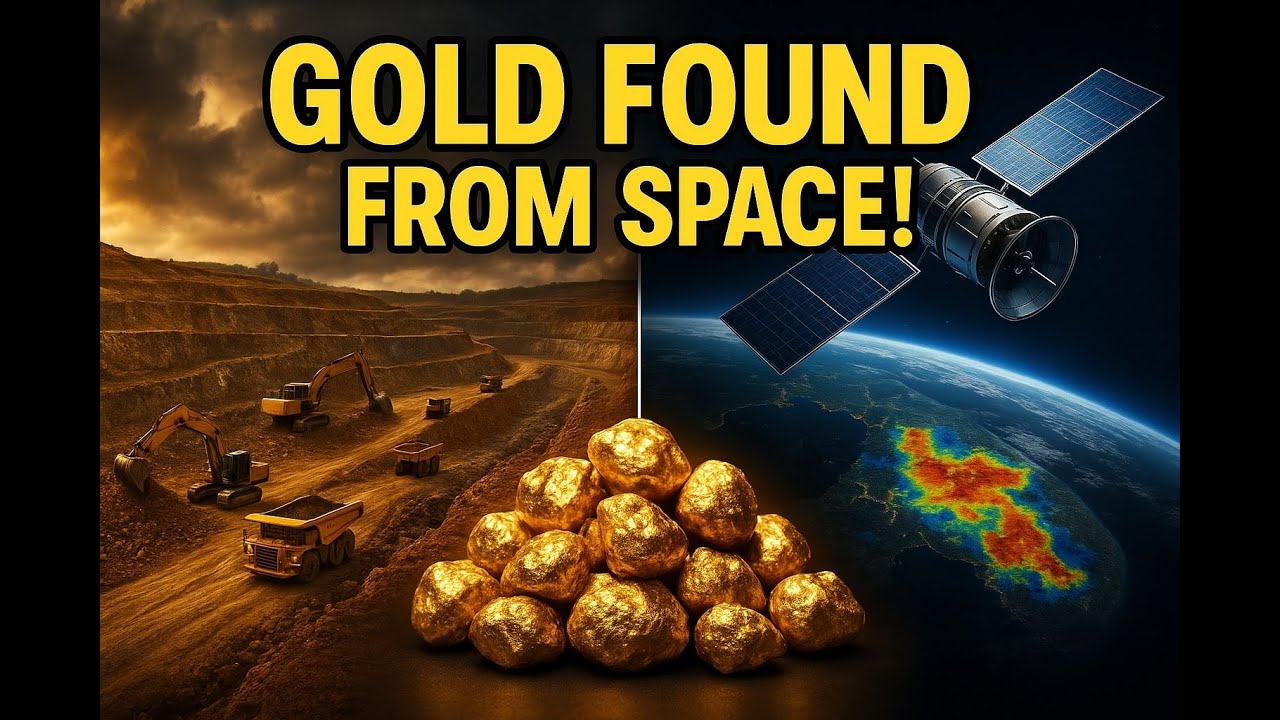
Key Insight: Non-invasive, satellite-driven platforms like Farmonaut’s Satellite Based Mineral Detection (discover how it works) enable large-scale mineral mapping without disrupting surface water, soil, or vegetation—ushering in a new era of sustainable and responsible mineral exploration.
🚀 Map Your Mining Site Here:
mining.farmonaut.com – Upload coordinates or polygons, select your target minerals, and receive a comprehensive satellite intelligence report in just days!
Modern Mine Exploration: Satellite-Based Intelligence for Environmental and Economic Advantage
In a landscape where both environmental stewardship and economic viability are paramount, the early stages of mineral exploration can set the tone for the entire project lifecycle. Traditional ground-based surveys, trenching, and drilling are not only expensive and time-consuming, but they also introduce surface disturbances—sometimes before deposits are even proven.
We at Farmonaut are at the forefront of transforming mineral discovery through satellite remote sensing and AI analytics. Our platform delivers:
- Rapid, cost-effective identification of mineralized zones with no ground disturbance
- Quantified cost savings (up to 80–85% vs. traditional methods)
- Zero risk of soil or vegetation harm during initial exploration stages
- Actionable, georeferenced heatmaps and mineral reports—delivered in under 20 days
- Optimized drilling recommendations (TargetMax™ Drilling Intelligence in our Premium+ offering)
Learn how satellite-based mineral detection works and how it supports ESG (Environmental, Social, and Governance) strategies:
Satellite Based Mineral Detection by Farmonaut
Mining-Driven Infrastructure: Enhancing Agricultural and Rural Resilience
The ripple effects of large-scale mining infrastructure extend well beyond pit boundaries:
- Enhanced roads & rail: Eases transport of agricultural goods and timber to broader markets.
- Reliable power supply: Attracts food processing and wood product industries, strengthening rural supply chains.
- Water treatment facilities: Serve not only mine discharge but also municipal and farm users downstream—preventing contamination of irrigation and livestock water sources.
- Community development funds: Invest in rural healthcare, training, and social services—building wider regional resilience.
Regional Planning, Community Engagement, and Multi-Stakeholder Stewardship
Effective integration of mining, agriculture, and forestry requires transparent, inclusive planning and navigation of complex permitting and zoning processes in the United States. The largest copper mine USA, for example, is governed by a mix of federal, state, and local regulations, where:
- Stakeholders — ranchers, farmers, foresters, environmental groups, and Indigenous communities—actively participate in Environmental Impact Assessments and planning meetings.
- Concerns about water rights, land disturbance, wildlife corridors, and sacred sites are addressed up front.
- Integrated land-use planning aligns mining operations with preservation of wildlife, pasture, and water flows.
- Reclamation requirements are enshrined in permits—mandating revegetation, soil restoration, and post-mine monitoring.
Government, industry, and local voices work together—turning the mantra of collaborative stewardship into daily practice and regional policy.
Frequently Asked Questions about Largest Gold & Copper Mine USA Impacts
1. How do the largest mines in the USA minimize water impact?
Major gold and copper mining operations utilize closed-loop water circuits, effluent treatment facilities, and recycled process water. Agreements with local agricultural producers help secure critical flows for irrigation and downstream ecosystems.
2. What are common reclamation strategies at U.S. mines?
Progressive reclamation is practiced, involving staged soil replacement, native vegetation, erosion control, and habitat restoration. Stakeholder engagement ensures reclamation meets both regulatory and community expectations.
3. How is farmland protected near mining sites?
Buffer zones, advanced sediment controls, and water quality monitoring prevent contamination. Ancillary businesses fostered by mining activity can also help diversify local farm revenues.
4. Does satellite intelligence replace traditional mineral exploration?
Satellite-driven mineral detection—like that provided by Farmonaut—radically accelerates and improves early exploration. It does not eliminate the need for on-ground assessment but ensures these are focused and less disruptive.
5. How do mines support sustainable forestry?
By following land disturbance permits that enforce reforestation and implementing best practices for wildlife conservation and buffer zone creation, mining can help accelerate investments in sustainable forestry management.
6. Where can I get a customized mineral prospectivity report for my site?
You can request a tailored satellite analysis through:
Get Quote
For any questions, Contact Us.
7. What is the economic value of these flagship mines to local regions?
Beyond direct mineral sales, these sites are crucial for local employment, infrastructure improvement, support for rural businesses, and long-term sustainability of agricultural and forestry supply chains.
Ready to explore or assess your mining property? Map Your Mining Site Here!
Conclusion: Shaping the Future Responsibly
The largest gold mine in USA and largest copper mine in USA are not isolated industrial phenomena—they are integrated into the agricultural and forestry tapestry of regional America. Their management stories illustrate the ongoing evolution of sustainability, responsible land planning, and community partnership.
By embracing advanced reclamation strategies, sophisticated water controls, data-driven site assessment (now powered by satellite and AI), and collaborative governance, these flagship operations set benchmarks for environmental and economic harmony.
We at Farmonaut are committed to supplying innovative, non-invasive, and globally scalable solutions for modern mineral exploration. As mining, agriculture, and forestry continue to intersect, the need for integrated resource stewardship grows ever more urgent.
It’s not just about the minerals beneath the ground – it’s about the legacy we leave above it.
Investor & Explorer Pro Tip: Leveraging satellite-based mineral detection early on not only boosts ROI and minimizes permitting delays, but it also sets the stage for transparent, responsible resource development. Empower your mining journey with Farmonaut’s advanced mineral intelligence.
- 🌎 Largest gold & copper mines shape both regional economy and land-use planning in the USA.
- 💧 Water stewardship and sediment control are central to sustainable mining & agriculture coexistence.
- 🌲 Forestry impacts and reforestation efforts are tightly linked to biodiversity and rangeland health.
- 🚜 Modern satellite intelligence offers a non-invasive and ESG-aligned pathway for mineral exploration.
- 📞 Farmonaut supports global mining intelligence—reach out today for custom site assessments and reports.
Explore further:
Get a quote for your mining area |
Contact our mining experts
Discussion
Questions, corrections or field experience? Share them below. First-time comments are reviewed before they appear, and your email is never published.
No comments yet. Be the first to add a question or your experience.

 GKY Mining
 Alkimy SARL
 Double A Trading
 GemSprout Metals Limited
 Qader Group
 Ileys General Trading
 SG Gold Mining LLC
 VRV Global Pte Ltd
 Omsri International FZE
 G.I.T.T.
 Jaunita Erss Ltd
 Almosi SARL
 SRK Consulting
 Berks Gold Limited
 Mwerezi Minerals Company Limited
 Mining SARL
 SenGold Invest SAS
 Sean Mining Limited
 NTS Group (Pty) Ltd
