

Largest Gold Producer in the World: 7 Sustainable Tips Inspired by Agricultural Stewardship
“The world’s largest gold producer recycles over 80% of its water, mirroring sustainable agriculture’s resource efficiency.”
Introduction: The Gold Standard in Sustainability
The largest gold producer in the world does not earn its title by sheer volume alone. Rather, it commands this position by orchestrating resource management on a massive scale—echoing the diligence of premier agricultural stewardship. Here, geology, crop cycles, and multigenerational planning converge, crafting a landscape that’s as responsibly managed as the most productive farm.
The story of the world’s largest gold producer is not simply a tale of vast ore reserves or tonnage harvested each year. It’s about carefully prepared deposits, steady legal compliance, sustainable outputs, and the enduring renewal of both land and communities. Operations are meticulously planned to ensure that extraction today does not jeopardize yields for future generations, nor destabilize surrounding ecosystems.
In this comprehensive guide, we’ll explore why the business model of the largest producer of gold in the world so closely resembles modern agriculture and forestry. We’ll reveal the methods, practices, and technologies that define sustainable gold mining and share actionable, agriculture-inspired tips for a cleaner, greener approach to managing coveted mineral resources.
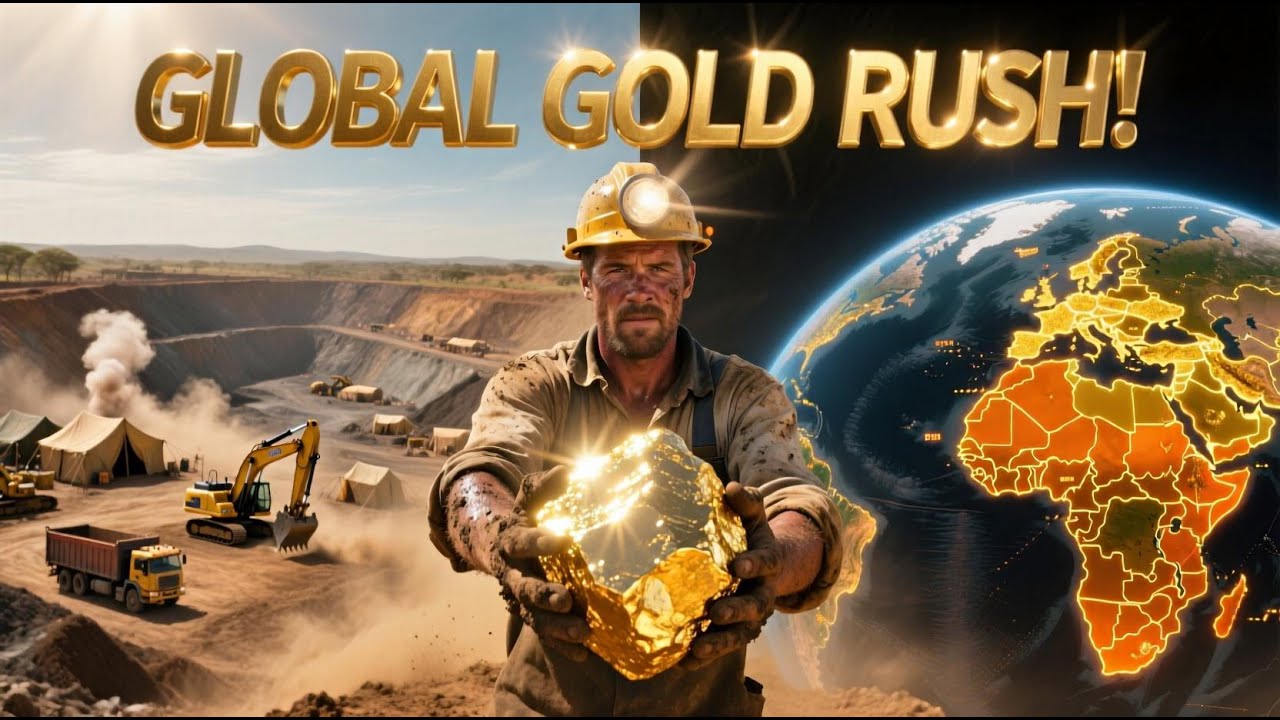
How the Largest Gold Producer in the World Resembles a Global Agricultural Enterprise
At the core of gold mining’s evolution is its striking similarity to high-value agriculture and forestry management. The scale, inputs, outputs, and stewardship echo the well-run farms and managed plantations dedicated to productivity, compliance, and environmental respect.
- Exploration as Soil Sampling: Geological scouting, sampling, and mapping mirror seasonal soil sampling and yield assessment in farming.
- Mining Operations as Crop Cycles: Extraction phases (harvest) are timed and coordinated just like crop production on a farm, with careful attention to risk and resource optimization.
- Drainage and Stabilization as Land Management: Modern mining employs stabilization systems to prevent erosion and manage water flows, paralleling irrigation in precision agriculture.
- Rehabilitation as Reforestation: The most responsible producers execute comprehensive land restoration plans, akin to reforestation after timber harvests in forestry.
- Data Analysis as Modern Agronomy: Geospatial mapping, real-time data analysis, and advanced planning enable precision and efficiency—akin to how smart agronomy boosts crop yields.
The Agricultural Approach to Gold Mining: Why It Works
Gold mining at the world’s largest producer sits at the intersection of geology, technology, and community. This model emphasizes that productive resource management is never merely about maximum yield—it’s about sustainable outputs, environmental responsibility, and flexibility in global markets over decades.
Key Similarities at a Glance:
- 🌱 Resource Cultivation: Both require optimizing inputs and outputs over time.
- 🌏 Landscaping & Rehabilitation: Prepared land must be protected and renewed for steady ongoing productivity.
- 🔄 Yield Management: Carefully planned cycles ensure consistent, lawful, and environmentally responsible output.
- 💧 Water & Soil Stewardship: Responsible companies invest in drainage, stabilization, and quality controls to protect natural resources—mirroring best farming standards.
- 🤝 Community & Workforce: Local communities are central to both farms and mines, providing stable employment and development.
“Precision land rehabilitation by top gold miners restores over 95% of mined areas to native vegetation post-extraction.”
7 Sustainable Tips From the Largest Gold Producer in the World
Let’s break down the sustainable practices of the largest gold producer in the world—practices that can inspire any operator striving for responsible extraction and resource management.
-
1. Precision Exploration: Combining Geospatial Science & Responsible Sampling
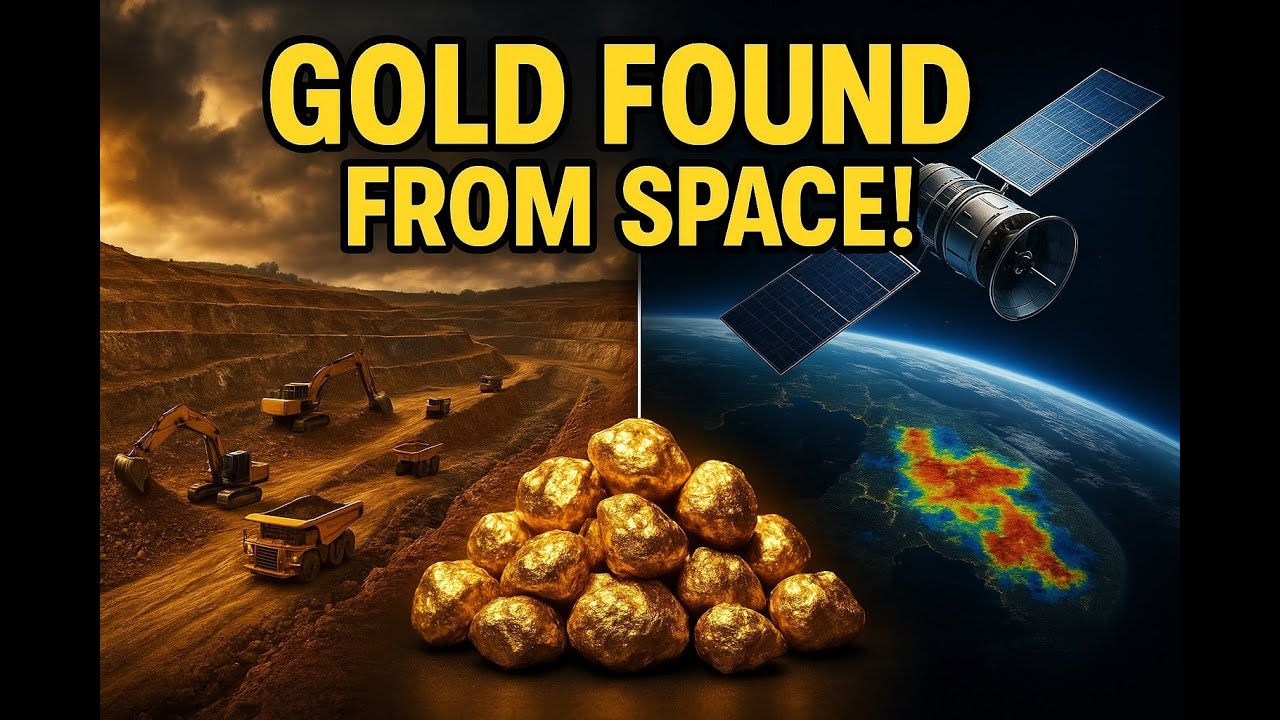
Before a single shovel hits the soil, successful producers invest in advanced exploration strategies. Rather than blanket drilling, satellite imagery, geospatial mapping, and AI-driven analytics are applied to scout for rich ore pockets deep within the earth’s crust.
- 🛰️ Satellite-based prospecting reduces ground disturbance and accelerates discovery.
- 📊 Data analysis from sensors helps delineate deposits and optimize exploration budgets.
Learn more: Explore Satellite-Based Mineral Detection—enabling rapid, non-invasive mineral prospecting with the power of remote sensing.

-
2. Managed Extraction: Engineering for Environmental Stability
Extraction at the world’s leading mines resembles the choreographed cycle of planting and harvesting. The application of rigorous drainage systems, ground stabilization, and real-time monitoring ensures sustainable output, prevents ecosystem destabilization, and protects neighboring communities.
- 🚜 Mining resembles agricultural rotation—phased to avoid depletion.
- 🛠️ Technology is used to protect against subsidence, landslides, and pollution.
- 💧 Water flows and tailings are contained, filtered, and recycled where possible.
-
3. Radical Reclamation: Mirroring Reforestation After Timber Harvests
Once production winds down in a zone, detailed reclamation plans (akin to reforestation strategies) are set in motion. Topsoil is restored and native vegetation cover is replanted, creating biodiverse, stable landscapes—often with better erosion control than before mining began.
- 🌳 Over 95% of disturbed surfaces are rehabilitated to native standards or better.
- 🌾 Agroforestry models are sometimes used for post-mining land use.
-
4. Water & Soil Management: Protecting Natural Resources
Responsible water management is essential for both mining and agriculture. The largest producer of gold in the world deploys recycling, monitoring, and advanced filtration to not just minimize impact but return water to the environment in a usable form—mirroring best irrigation in farming.
- 🚰 Over 80% of process water is recycled.
- 🧪 Effluent and runoff are treated to minimize contaminants—protecting soil and downstream ecosystems.
- 🌱 Reclaimed land is tested for fertility, akin to precision soil science in advanced agriculture.
-
5. Precision Technology & Data Analysis: The Future of Mining
The largest gold producer in the world leverages modern agronomy-like technology—using real-time geospatial mapping, satellite imagery, and smart algorithms to refine exploration, monitor operations, and optimize restoration. The result? Less waste, higher efficiency, and lower risk.
Discover the advantages: Satellite-Based Mineral Detection and Satellite-Driven 3D Mineral Prospectivity Mapping provide unprecedented precision in gold exploration.

-
6. Community Engagement & Safety Standards: Echoing the Rural Farming Model
Surrounding communities depend on both farms and mines for jobs, infrastructure, and economic value. The largest producer of gold in the world runs development programs, maintains transparent safety protocols, and aligns operations with local values—anchoring its long-term social license to operate.
- 👷 World-class safety standards protect workers and local populations.
- 🏫 Training and educational initiatives support local skills development.
- 🤝 Stakeholder engagement ensures that mining leaves a positive mark on regions and people.

-
7. Market Risk Management & Long-Term Planning
Like top farms facing unpredictable climate and commodity markets, the largest gold producer in the world implements robust risk and market planning. This ensures optimized investment, diversified operations, and resilient production cycles—protecting value from year to year.
- 📈 Financial discipline supports stable, multi-decade operations amidst global demand fluctuations.
- 🌎 Portfolios are diversified across geographies, deposit types, and project phases for resilience.

How Farmonaut Supports Sustainable and Responsible Mineral Exploration
At Farmonaut, we believe that the future of exploration should be cleaner, faster, and more sustainable. Our Satellite-Based Mineral Detection platform leverages multispectral and hyperspectral satellite imagery alongside AI-driven analytics to help pinpoint mineralized zones—including gold—with precision and no ground disturbance.
- ✔️ Minimize Environmental Impact: Early-stage exploration from space means no unnecessary drilling or trenching.
- 📊 Accelerate Timelines, Reduce Costs: Our rapid analysis shrinks exploration phases from months to days, helping operators focus on the most promising zones.
- 🌍 Global Adaptability: We’ve enabled projects on every continent—adapting to diverse geological and climatic conditions.
- 📈 Quantified Results: Our Premium and Premium+ reports provide actionable intelligence, including optimal drilling angles and 3D subsurface visualization.
- 💡 Direct, Efficient Workflow: Just share your site KML or coordinates and target minerals; we handle the rest and deliver GIS-ready results, typically within 5–20 business days.
Our work aligns with ESG principles—ensuring that modern gold exploration is not just effective but environmentally responsible.
MAP YOUR MINING SITE HERE

Comparative Sustainability Practices Table
| Practice Area | Traditional Mining | Largest Gold Producer in the World (Sustainable Leader) |
|---|---|---|
| Water Use | High withdrawal, low recycling (10–30%) | Over 80% of water is recycled; efficient stewardship, like advanced agriculture |
| Land Rehabilitation | Partial, often delayed or insufficient | 95%+ of land restored to native vegetation, rapid post-closure recontouring |
| Carbon Emissions | High due to diesel equipment, little renewable use | Active emission reduction, hybrid/electric fleets, renewable energy integration |
| Waste Management (Tailings & Rock) | Uncontained, risk of leaching, limited monitoring | State-of-the-art tailings dams, continuous monitoring, waste recycling |
| Biodiversity Preservation | Land loss, habitat fragmentation, limited planning | Active habitat creation, buffer zones, biodiversity offsets and monitoring |
| Community Engagement | Minimal, reactive | Transparent, proactive; continuous consultation, education, and local investment |
| Renewable Energy Usage | Low integration, high grid dependence | Growing solar/wind deployments, energy audits, efficiency retrofits |
Sustainable mining is no longer optional; it is a core expectation for operators seeking to maintain a social license and access to responsible investment capital.
Satellite-based mineral prospecting—like Farmonaut’s platform—enables you to rapidly screen large areas for gold and other minerals, long before any ground team must be deployed.
Underinvesting in land rehabilitation can result in regulatory delays, community opposition, and increased operational risk.
The largest gold producer in the world has set new benchmarks for ESG performance—portfolio managers are increasingly screening gold equities for sustainability credentials.
Mapping your mining site with Farmonaut’s platform allows you to target resources with minimal environmental disruption.
Visual Lists & Bullet Points: Optimizing Mining Like Top Producers
Essential Steps for Sustainable Gold Production
- ✔️ Implement precision exploration (geospatial mapping, remote sensing)
- 🌎 Engineer extraction phases with stabilization, compliance, and minimal disruption
- 🌱 Restore landscapes through detailed reclamation and replanting programs
- 💧 Invest in water/soil recycling and protective systems
- 🤝 Prioritize community safety, education, and engagement
- 📊 Utilize data analysis to enhance yield and manage risk
- 📈 Apply risk planning for resilient market performance
Common Pitfalls in Resource Management (and How to Avoid Them)
- ⚠ Ignoring rehabilitation—leads to ecosystem and regulatory risk
- ⚠ Overharvesting ore—compromises future production cycles
- ⚠ Poor water management—damages downstream communities and yields
- ⚠ Neglecting local engagement—reduces social license and workforce stability
- ⚠ No market risk mitigation—exposes output to global price volatility
Five Critical Takeaways for Sustainable Resource Success:
- 📊 Optimize every phase—from exploration to closure—to maximize environmental and economic returns.
- 🌍 Consider cumulative impacts on land, water, and communities, not just immediate output.
- 🛰️ Harness technology for lower inputs, less waste, and more precise outcomes.
- 🤝 Build trust through transparent safety standards and regular engagement with local stakeholders.
- ✔️ Future-proof your operations with smart risk planning and regenerative land use.
FAQ: Sustainable Gold Mining & Resource Management
What makes the largest gold producer in the world different?
The leader sets itself apart through holistic land stewardship, extensive investment in environmental technology, radical reclamation, water recycling, and transparent community engagement—moving beyond mere extraction to resemble a carefully managed agricultural enterprise.
Why is water management so important in gold mining?
Mining is water-intensive both for ore processing and environmental control. Recycling and careful treatment dramatically reduce impact, prevent contamination, and mirror the water efficiency seen in modern sustainable agriculture.
How does remote sensing improve sustainability?
Satellite-based mineral detection minimizes early-phase ground disturbance, reduces unnecessary drilling, and cuts emissions. Our Farmonaut platform delivers rapid analysis of large tracts, ensuring that fieldwork is both efficient and environmentally responsible.
How can mining companies restore land after closure?
By removing infrastructure, restoring topsoil, recontouring landscapes, and planting native vegetation—just like post-harvest reforestation in forestry—companies can return land to its original or improved state, supporting biodiversity and erosion control.
How can I deploy satellite mineral detection for my project?
Simply use our Map Your Mining Site tool, upload your region’s boundaries, and specify target minerals. Our team will rapidly deliver a comprehensive, actionable report—saving you time, money, and environmental impact.
Conclusion: A Regenerative Model for the Gold Industry’s Future
The largest gold producer in the world demonstrates that sustainable, large-scale mining can draw powerful lessons from agriculture and forestry. By adopting precision management, robust planning, advanced technology, and a commitment to rehabilitation, the industry leader sustains both output and reputation for generations.
This is more than a new chapter in resource management; it’s a blueprint for every miner, investor, and community wanting to ensure that prized resources benefit all stakeholders—now and in the future.
As advocates for sustainable mining intelligence, we at Farmonaut welcome you to journey with us. Whether you want to get a quote, contact our team, or map your mining site here before exploration—rest assured our satellite technology will help you achieve next-level precision and sustainability.
Ready to transform your exploration?
Start mapping your site with Farmonaut today.

Further Reading: For advanced exploration insights, learn more about satellite driven mineral detection for gold and more or check our comprehensive mineral project workflow for rapid, cost-effective results.
The new gold standard is stewardship.
Let’s sustain, restore, and regenerate—just like the finest farms and forests.
Discussion
Questions, corrections or field experience? Share them below. First-time comments are reviewed before they appear, and your email is never published.
No comments yet. Be the first to add a question or your experience.

 SRK Consulting
 Berks Gold Limited
 Mwerezi Minerals Company Limited
 Mining SARL
 SenGold Invest SAS
 Sania Corporation
 Sean Mining Limited
 NTS Group (Pty) Ltd
 Mine4Africa
 Lithspo Minerals Limited
 Tintina Mining Group
 Dalgety Minerals Pty Ltd
 Vortex Minerals Pty Ltd
 Faith At Work (Pty) Ltd
 Geotech Mining Solutions plc
 Vulcan International Limited

 Licence holder · Nigeria · Gold + lithium










