

Largest Mining Equipment, Mines & Diamonds in the World: Technology, Sustainability & Discovery
“The world’s largest mining truck, the BelAZ 75710, can haul up to 450 metric tons in a single load.”
Table of Contents
- Introduction: Mining’s Colossal Realm
- Largest Mining Equipment in the World
- Milestone Discoveries: The First Largest Diamond in the World
- The Largest Mine in the World by Size and Production
- Technology, Innovation & Environmental Stewardship Across Mining
- Farmonaut: Satellite Intelligence for Modern Mineral Exploration
- Overview Table: The World’s Largest Mining Equipment, Mines, and Diamond Discoveries
- Frequently Asked Questions
- Final Thoughts: Scale, Ingenuity & Sustainable Growth
Introduction: Mining’s Colossal Realm
In the expansive world of heavy industry, mining consistently stands apart for its scale, complexity, and vital importance. The largest mining equipment in the world, the landmark discovery of the first largest diamond in the world, and the sprawling footprint of the largest mine in the world by size production each represent astonishing milestones of human ingenuity, technological progress, and logistical mastery.
These “largest” achievements in mining and minerals not only symbolize our ability to move earth and extract value—they underpin global construction, agriculture, forestry, infrastructure, and resource economies. From the behemoth machines that drive rapid and efficient extraction to the dazzling gemstones that captivate markets, each component reflects a profound understanding of geology, engineering, and environmental stewardship.
As we explore the vast world of mining’s giants, we’ll examine how efficiency, precision, and sustainability are being fused into equipment, project design, and operations. Discover how emerging technologies—especially satellite-based intelligence from companies like Farmonaut—are redefining mineral detection, exploration workflows, and ethical resource management across continents.
Mining at scale is not just about extracting more—it’s about optimizing every operation to ensure sustainability, economic growth, and minimal environmental impact in alignment with global resource demands and stewardship objectives.
Largest Mining Equipment in the World: Power, Precision & Innovation
Mining Behemoths: The Giants That Move the Earth
When we talk about the largest mining equipment in the world, we refer to ultra-class trucks, giant shovel/excavators, and colossal draglines. These titans, with their towering reaches and sweeping displacements, are indispensable for modern ore extraction, material handling, and rapid excavation—critical functions that feed global construction, agriculture, industrial, and supply chains.
- ✔ Behemoth trucks like the BelAZ 75710—the world’s largest, with a payload of 450 metric tons—transform how haulage cycles are planned, greatly maximizing duty cycles and minimizing downtime.
- 📊 Draglines such as the Big Muskie (now decommissioned) exemplified the sweeping potential of massive excavation—able to move 39 million pounds of earth in a single scoop at their operational peak.
- ⚠ Ultra-class excavators like the Bucyrus RH400 shape mine design and productivity curves, handling over 100 tons of material per pass.
- ✔ Large track excavators & feller bunchers play similar roles in forestry, creating access roads and clearing timberlands for expansion and sustainable management.
- ⚠ First principle of designing these giants: Achieve high extraction and low down-time while reducing fuel use and environmental impact across duty cycles.

Key Examples of the Largest Mining Equipment
When planning new mining operations, matching equipment scale to deposit size and anticipated throughput is vital. Over-sizing adds unnecessary cost and under-sizing limits yield—efficient equipment selection is a foundation of economic success in the industry.
- ✔ BelAZ 75710 (Belarus): The largest haul truck, with a 450 MT payload; features twin engines, all-wheel drive, and advanced telematics for monitoring fuel efficiency and route optimization.
- 📊 Bagger 293 (Germany): The biggest mining excavator (bucket-wheel), standing over 96 meters tall and weighing 14,200 tonnes; used for continuous overburden removal in lignite mines.
- ✔ Bucyrus-Erie 2570WS (USA): Iconic dragline crane used in coal mining; boom length of over 100 meters; employed electric, semi-automated systems for energy efficiency.
- ⚠ Komatsu PC8000-6 (Japan): One of the world’s largest hydraulic excavators; commonly paired with ultra-class dump trucks, maximizing material movement per shift.
-
🔋
Maximized Productivity
Ultra-class size delivers unprecedented throughput per shift. -
🌱
Enhanced Sustainability
Latest models feature hybrid-electric drive and emission controls. -
⏱
Reduced Downtime
Predictive maintenance uses sensors and telematics for early fault detection.
Equipment Design: Power, Precision, and Environmental Impact
The design of largest mining equipment in the world embodies the fusion of power, precision, and durability essential for extracting raw materials and minimizing environmental impacts. Material science and engineering advancements have enabled equipment to be:
- ✔ Heavier and stronger—with new alloys enabling longer duty cycles and better wear resistance for continuous operation within harsh mining geologies.
- 📊 Telematics-equipped—for real-time monitoring of fuel use, downtime, and predictive maintenance, improving operational efficiency across expansive footprints.
- 🌱 Eco-smart—Electric drive, emission control, and energy optimization help meet stricter environmental regulations.
These design refinements create cost-saving operational curves, shape site infrastructure (roads, slopes, turning radii), and enable rapid ore extraction in the world’s largest mines.

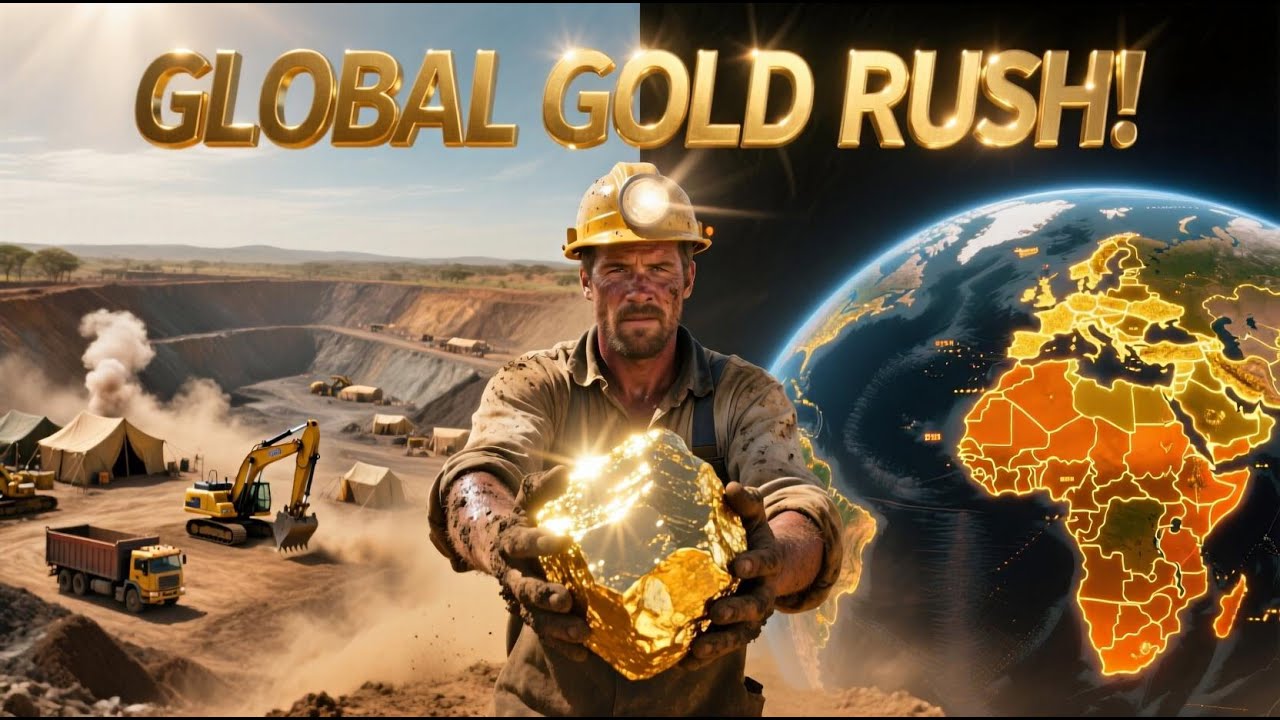
Mining Operations: Expansive Footprints & Integrated Infrastructure
The expansive footprint of a large-scale mining operation demands a blend of heavy equipment—from dozers and graders to draglines, excavators, and ultra-class trucks. Integrated infrastructure—including roads, rail links, and water management systems—enables continuous ore movement, processing flows, and waste handling.
- ✔ Feller bunchers and harvesters are used in forestry projects to clear timberlands and lay access routes for both resource extraction and ecosystem management.
- ✔ Infrastructure feeds mining and mineral supply chains—fueling everything from construction to global agriculture and industrial manufacturing.
Overlooking the relationship between equipment scale and site-specific geology can lead to increased maintenance costs, higher emissions, and lower overall operational efficiency.
Milestone Discoveries: The First Largest Diamond in the World
“The Cullinan Diamond, discovered in 1905, weighed an astonishing 3,106 carats—over 600 grams—before being cut.”
Discovery and Description: The Cullinan Diamond
Few discoveries in the mineral sphere have reverberated across the industry quite like the finding of the first largest diamond in the world: the legendary Cullinan Diamond. Unearthed in 1905 from the Premier Mine (now Cullinan Mine) in South Africa, this extraordinary gemstone weighed a staggering 3,106 carats (over 600 grams).
- ✔ Nature: Rough, clear diamond with minor black spots
- ✔ Discovery Site: Premier Mine, Cullinan, South Africa
- ✔ Ultimate Fate: Cut into the Great Star of Africa (530.2 carats)—part of the British Crown Jewels, plus other giant stones
Spectacular diamond discoveries not only shift global market dynamics and pricing but can unlock regional infrastructure investment, employment, and ancillary services—offering broader economic traction beyond the gem itself.
Diamond Discoveries: Influence on Mining Methods and Technologies
The discovery of the largest diamond in the world catalyzed new exploration methodologies, sorting technologies, and ore-processing flows. Large diamond finds prompt refinements in everything from sampling and logging to secure handling, sorting, and valuation stages. Gems of this magnitude influence:
- ✔ Geology & Technology: Advanced exploration to locate similar kimberlite pipes
- ✔ Ancillary Infrastructure: Enhanced security, better sorting plants, regional training programs
- ✔ Market Dynamics: Spikes in demand, shifts in global pricing, and growing emphasis on responsible extraction
From Discovery to Market: Ethical Practices and Value Chains
Handling and trading record-setting diamonds requires stringent ethical, security, and environmental practices. Modern diamond mining is rigorously regulated to reduce environmental impact (tailings management, emission reduction) and ensure local communities benefit through job creation, revenue sharing, and land reclamation.
- ✔ Strict adherence to Kimberley Process Certification standards to block conflict minerals
- ✔ Increasing use of AI-powered sorting and scanning equipment to maximize recovery and prevent loss or tampering
- ✔ Employing water recycling and dust suppression as part of best environmental practice
Ethical and technological evolution continues to reshape not just diamond mining, but all mineral extraction—ensuring market supply chains align with environmental and community stewardship.
The Largest Mine in the World by Size and Production
Mining Megastructures: The Scale and Impact of World’s Largest Operations
Nothing exemplifies the colossal scale of modern mining like the world’s largest mining complexes. The largest mine in the world by size production—Chile’s Escondida Copper Mine—boasts a footprint stretching for dozens of kilometers, producing over 1 million tonnes of copper annually. Similarly, the Mirny Diamond Mine in Russia and South Africa’s Cullinan Mine rank among the largest by both area and cumulative carats yielded.
- ✔ Escondida Mine, Chile: Largest copper mine by annual output; features integrated crushing, heap leaching, and on-site power generation to feed the global industrial and electronics markets.
- 📊 Mirny Mine, Russia: Iconic open-pit diamond mine; over 525 meters deep and 1.2 km in diameter; produced more than 10 million carats at its peak.
- ✔ Cullinan Mine, South Africa: Famed for its record diamond discoveries (the Cullinan, multiple >100-carat stones), and a leader in modern resource extraction and recovery efficiency.

Integrated Mining Infrastructure: From Ore to Market
Operating at this scale demands sophisticated, multi-layered infrastructure:
- ✔ On-site beneficiation plants that separate ore from waste and prepare feedstock for smelting or direct export.
- 📊 Dedicated railways and high-capacity conveyors for moving materials efficiently across the mine’s expansive footprint.
- ✔ Water and tailings management systems for resource recycling and pollution control.
These mines rely on continuous innovation, including automated haulage, AI-driven maintenance, and advanced telematics, to optimize resource extraction and environmental performance.

Technology, Innovation & Environmental Stewardship Across Mining
Automation, Monitoring, and Data-Driven Efficiency
Modern mining operations are riding a wave of technological transformation. The sector is marked by the rise of automation, telematics, and satellite-based monitoring—all with the goal of maximizing extraction, reducing downtime, and ensuring safe, sustainable management of expansive land footprints.
- ✔ Autonomous trucks and loaders now operate 24/7 in major mines globally, increasing yield while reducing accident rates and fuel consumption.
- ✔ Telematics platforms enable real-time health checks, scheduling preventive maintenance to avoid catastrophic failures.
- ✔ Sensors track material flows and tailings composition, supporting rapid regulatory compliance and adaptive environmental management.

Sustainability in Mining: Challenges, Advances, Real-World Impact
Leading mines are now recycling process water, using dust suppression, and employing drones for aerial rehabilitation monitoring. These steps are central to reducing mining’s impact—turning “restore land use” from an afterthought to a core pillar of project planning.
- ✔ Renewable energy adoption, such as solar and wind, is rapidly increasing in remote mine operations to decrease dependence on diesel.
- ✔ AI-driven water management systems are optimizing consumption and minimizing waste, meeting both regulatory and community expectations.
- ✔ Progressive reclamation methodology—restoring land in phases as extraction advances rather than waiting until mine closure.

Farmonaut: Satellite-Based Mineral Intelligence for Modern Exploration
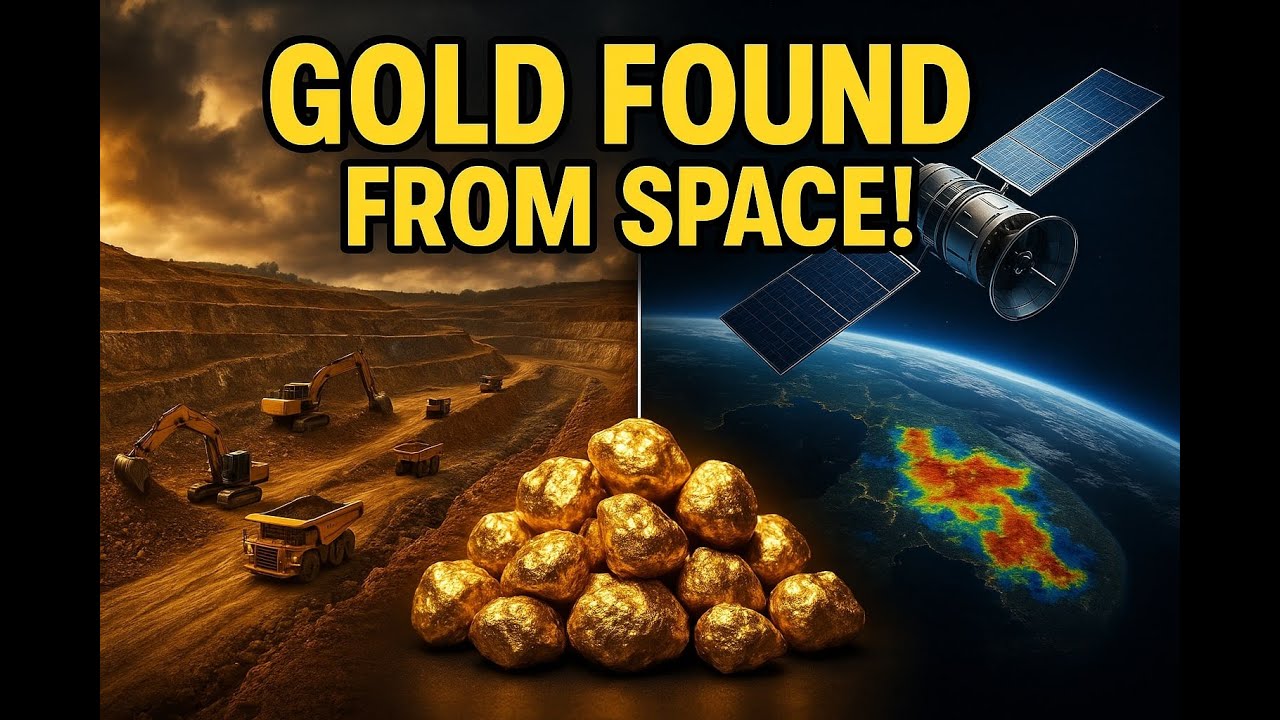
As mining ventures target ever deeper, more complex, or remote resources, satellite-driven mineral intelligence is revolutionizing early-stage exploration. Farmonaut stands at the forefront of this transformation—a company specializing in satellite based mineral detection, AI-driven analytics, and geospatial mapping, ensuring faster, more cost-effective, and environmentally responsible discovery across the globe.
mining.farmonaut.com
— Use Farmonaut’s seamless platform to delineate your area of interest and receive tailored mineral prospectivity analyses. Harness multispectral and hyperspectral overlays, prioritize target zones, and reduce ground effort before investing in field exploration.
Why Satellite-Based Exploration Matters
- ✔ Environmental Stewardship: Non-invasive, zero ground disturbance during early-stage assessments promotes sustainable practices.
- 📊 Efficiency: AI & geospatial processing screens 1000s of hectares in days, saving years and millions in traditional exploration costs.
- ✔ Accuracy: Proprietary algorithms leverage unique mineral signatures, identifying high-potential zones for focused drilling and reducing wasted expenditure.
- ⚡ Global Reach: Farmonaut’s technology is fielded across Africa, South America, Asia, and Australia, tackling diverse geology and climatic extremes.
- 🎯 Future-Ready: Enables detection of battery minerals, rare earth elements, and precious or specialty gems critical to modern economies.
-
🛰️
3D Mineral Prospectivity Mapping: See Example
Visualize ore potential and geological features for optimized drilling. -
📄
Structured Reporting: Professional, GIS-ready PDFs with heatmaps, estimated mineral quantities, and target recommendations.
Farmonaut’s approach brings early-stage mineral exploration into the modern era — and in doing so, delivers unmatched economic efficiency and ESG alignment.
Overview of the World’s Largest Mining Equipment, Mines, and Diamond Discoveries
| Asset/Discovery Name | Type (Equipment/Mine/Diamond) | Location (Country) | Estimated Size/Output | Year of Discovery/Commission | Notable Technological/Environmental Features |
|---|---|---|---|---|---|
| BelAZ 75710 | Mining Truck (Equipment) | Belarus | 450 metric tons (payload), ~360 tonnes weight | 2013 | Twin engines, hybrid drive, advanced telematics, low emission standards |
| Bagger 293 | Bucket-Wheel Excavator (Equipment) | Germany | 14,200 tonnes; 96m tall | 1995 | Continuous mining, electric drive, minimal operator input |
| Escondida Mine | Copper Mine | Chile | >1 million tonnes copper/year; 15km2 | 1990 | Automated haulage, heap leaching, on-site power, water recycling |
| Mirny Mine | Diamond Mine | Russia | >10 million carats to date; pit 525m deep | 1957 | Advanced water engineering, air circulation, phased reclamation |
| Cullinan Diamond | Diamond (Gem) | South Africa | 3,106 carats (uncut) | 1905 | Prompted security, new sorting, and ethical extraction protocols |
| Bucyrus RH400 | Hydraulic Excavator | USA | 980 tonnes; up to 100 tons/pass | 1997 | High horsepower; precision placement; emission controls |
Frequently Asked Questions
What is the largest mining equipment in the world currently operating?
The BelAZ 75710, manufactured in Belarus, is the world’s largest mining truck—capable of carrying 450 metric tons in a single load. It features innovative energy-efficient systems and advanced telematics for superior operational efficiency.
Where was the first largest diamond in the world found?
The Cullinan Diamond, the first and still the largest gem-quality diamond ever discovered, was found at the Premier Mine (now Cullinan Mine) in South Africa in 1905. Its discovery revolutionized both mining practices and the global diamond market.
Which mine is considered the largest in the world by size and production?
The Escondida Copper Mine in Chile is the world’s largest by annual copper output, while the Mirny Diamond Mine (Russia) and Cullinan Mine (South Africa) also rank among the largest by footprint and cumulative yield.
How are advances in technology and sustainability shaping mining?
Automation, data-driven efficiency, and environmental management are reshaping mining—enabling higher productivity, reduced emissions, and responsible land stewardship at unprecedented scale.
How does Farmonaut support the mining industry?
Farmonaut supports mining with satellite-based mineral detection and advanced AI analysis, enabling faster, more accurate, and environmentally friendly mineral exploration at a global scale. The platform helps clients avoid unnecessary ground disturbance, minimize timelines and costs, and make smarter investment decisions.
Final Thoughts: Scale, Ingenuity & Sustainable Growth
The largest mining equipment in the world, the spectacle of record-setting diamonds, and the grandeur of the world’s biggest production mines tell a story of ambition, technological mastery, and evolving environmental stewardship. As global demand for minerals continues to rise, these sectors are pushed to innovate—embracing ever-larger machines, smarter resource management, and new frontiers like satellite-based mineral intelligence from Farmonaut.
Whether it’s the relentless effort to maximize extraction while minimizing environmental impact, or the pursuit of operational efficiency that sustains entire regional economies, the thread that binds modern mining is optimization. By leveraging technology and responsible management, we can extract value, build infrastructure, and steward resources for future generations—ensuring the sector remains foundational to agriculture, construction, industry, and beyond.
Empower your next project with satellite-driven mineral detection, rapid prospectivity mapping, and ESG-aligned business intelligence from Farmonaut.
Learn more about our satellite-based mineral solutions.

 GemSprout Metals Limited
 Qader Group
 Ileys General Trading
 SG Gold Mining LLC
 VRV Global Pte Ltd
 Omsri International FZE
 G.I.T.T.
 Jaunita Erss Ltd
 Almosi SARL
 SRK Consulting
 Berks Gold Limited
 Mwerezi Minerals Company Limited
 Mining SARL
 SenGold Invest SAS
 Sean Mining Limited
 NTS Group (Pty) Ltd
 Mine4Africa
 Lithspo Minerals Limited
