

Largest Oil & Gold Producing Countries Worldwide: Sustainable Resource Extraction, Rural Development, and Environmental Impact
“Saudi Arabia produces over 10 million barrels of oil daily, shaping global energy and rural economies.”
Introduction: The Geography of Resource Extraction Shapes the World’s Rural and Environmental Outcomes
The world’s largest oil producing countries and the world largest gold producing countries serve as more than just economic engines. Their resource extraction activities ripple through local communities, shape national development, and carry global implications for environmental sustainability, rural prosperity, and agricultural modernization. As we examine these global giants, we discover intricate links between geology, infrastructure, technological investment, and the everyday lives of rural populations.
In this deep-dive analysis, we map and explore how scale, geology, and the infrastructure of the largest oil and gold producing countries—across continents and climates—determine the development of agriculture, forestry, mining, and broader industries that play pivotal roles in shaping regional landscapes and policy needs. This comprehensive exploration is enhanced with the latest sustainability thinking, resource management strategies, and satellite-supported intelligence—ensuring practical insights for today’s mining, agricultural and rural development sectors.
The interplay between vast oil fields and large gold deposits creates far-reaching impacts on national wealth, rural infrastructure, agricultural sustainability and environmental management, with each sector shaping the other.
Largest Oil Producing Countries: Infrastructure, Agriculture & Rural Transformation
Among the largest oil producing countries, we find a pattern: immense geological reserves, advanced extraction technology, robust upstream operations, and well-developed logistics networks. These countries—with their sprawling basins and drilling infrastructure—anchor global energy supply chains, but their influence extends into sectors such as agriculture, rural development, and even landscape-level planning.
Geology and Scale: Bases of Oil Wealth
- ✔ Extensive sedimentary basins like the Arabian Basin and West Siberian Basin host vast oil reserves.
- ✔ Favorable geology and accessibility enable Saudi Arabia, Russia, and the United States to maintain leading production.
- ✔ Advanced upstream technology (horizontal drilling, geosteering, seismic imaging) optimizes extraction and increases yield.
Infrastructure, Logistics & Upstream Operations
The leading oil producers invest in:
- 📊 Refining capacity and pipelines that reduce transport costs and enable flexible export.
- 📊 Port and rail networks that accelerate crude flow from fields to markets.
- 📊 Logistics hubs linked to major agri-industrial zones, stimulating local economies and facilitating value-added processing of everything from petrochemicals to biofuels.
Agriculture and Rural Sector Response
The wealth and infrastructure from oil transforms agricultural and rural sectors:
- Enhanced irrigation systems and water transfers benefit crop production in arid regions (e.g., Saudi “pivot farms”).
- Development of agro-processing parks and biofuel chains, often integrated with hydrocarbon byproducts (e.g., ethanol, animal feed).
- Investment in rural roads and market access reduces spoilage and adds value to regional produce.
- Rising competition for land and water—necessitating sustainable land-use planning and environmental safeguards.
Shifts and Social Impact: Challenges of Resource Concentration
- ⚠ Concentration of wealth can create social disparities and shift labor from agriculture to service/mining sectors.
- ⚠ Infrastructure growth along pipeline and refinery corridors brings both opportunity and environmental risk (soil disruption, water stress).
- ⚠ Urban migration patterns often follow oil investment, altering the rural social fabric.

Data-driven planning—coupled with satellite intelligence—reduces wasted capital, optimizes resource extraction, and supports sustainable rural development in the world’s leading oil and gold producing countries.
Largest Gold Producing Countries: Mining, Forestry & Rural Land Use
Gold extraction is concentrated in geologically favorable countries with ancient crust, hydrothermal systems, and prolific veins. The largest gold producing countries (notably China, Australia, Russia, United States, Canada) anchor global precious metals supply and set patterns for mining, forestry, and agricultural coexistence.
Geographical Patterns and Geological Favorability
- ✔ Major gold belts in China (Shandong, Henan), Australia (Western Australian cratons), and Russia (Siberian Shield) dominate global production.
- ✔ South Africa (Witwatersrand), Ghana, and Peru remain pivotal with new technologies revitalizing mature districts.
- ✔ Both open-pit and underground mining methods are used to optimize ore recovery and extend mine economics.
“China leads gold production, mining over 370 tons annually, influencing sustainable rural development and environmental management.”
Mining, Forestry, and Sustainable Rural Landscapes
The environmental impact of large-scale gold mining requires rigorous mitigation in adjacent agricultural and forestry landscapes:
- 🌲 Watershed protection and soil stability projects safeguard irrigation and crop viability.
- 🌲 Reforestation commitments and buffer zones shield critical biodiversity and reduce mine footprint.
- 🌲 Mining-derived revenue directly funds rural schools and irrigation, building agrarian resilience and supporting local development.

Broader Dynamics: Gold Mining, Resource Supply, and Rural Empowerment
- ⚒ Gold mining revenues are often reinvested in rural electrification, clean water, and agricultural extension.
- ⚒ Multi-layer land-use planning coordinates mining, forestry harvest, and biodiversity conservation.
- ⚒ Environmental policies across these countries must confront tailings containment, water management, and sustainable forest cover to balance extraction with the needs of rural communities.

Use satellite-based mineral detection for large-area screening and early-stage prospecting. Explore Farmonaut’s platform for rapid, cost-effective, and non-invasive discovery.
Comparative Data Table: Oil & Gold Production, Sustainability, and Rural Development Initiatives
| Country | Estimated Oil Production (barrels/day) |
Estimated Gold Production (metric tons/year) |
Share of Global Production (%) | Environmental Impact Assessment | Rural Development Initiatives |
|---|---|---|---|---|---|
| Saudi Arabia | ~10,200,000 | <10 | Oil: 12% / Gold: 0.3% | High water use, desertification risk | Palm farm irrigation, rural data/logistics hubs |
| Russia | ~9,600,000 | 325 | Oil: 11% / Gold: 9% | Pipeline deforestation, tailings risk | Village electrification, rural roads |
| United States | ~17,100,000 | 190 | Oil: 20% / Gold: 5% | Fracking water stress, land fragmentation | Crop biofuel incentives, farm-to-market infra |
| China | ~3,900,000 | 370+ | Oil: 4% / Gold: 11% | Mining-induced soil loss, water pollution | Agri-tech investment, mine-regreening projects |
| Canada | ~4,500,000 | 180 | Oil: 5% / Gold: 5% | Oil sands emissions, forest clearance | First Nations inclusion, sustainable forestry |
| Iraq | ~4,100,000 | <5 | Oil: 4.8% / Gold: 0.1% | Salinization, pollution near rivers | Village water access, agricultural start-ups |
| Brazil | ~3,100,000 | 90 | Oil: 3% / Gold: 2.5% | Amazon encroachment, mercury risk | Forest-land titling, rural irrigation credit |
| Australia | ~380,000 | 320 | Oil: 0.4% / Gold: 10% | Desert eco-risk, mine tailings dust | Outback service roads, mine-funded schools |
| South Africa | ~130,000 | 110-140 | Oil: 0.15% / Gold: 4% | Poor tailings controls, acid drainage | Rural housing, mine-to-farm skills programs |
| Peru | ~140,000 | 120-150 | Oil: 0.16% / Gold: 4% | Andean deforestation, mercury impact | Highland irrigation, mining school funding |
| Ghana | ~180,000 | 130-140 | Oil: 0.2% / Gold: 4% | Forest loss, artisanal mine runoff | Eco-education, cocoa farming integration |
| Uzbekistan | ~45,000 | 110-120 | Oil: 0.05% / Gold: 3.5% | Steppe encroachment, low water efficiency | Desert cooperative nurseries |
| Indonesia | ~700,000 | 110-120 | Oil: 0.7% / Gold: 3.5% | Protected forests at risk, tailings discharge | Agro-forestry buffer, rural eco-zones |
| Mexico | ~1,900,000 | 95-100 | Oil: 2% / Gold: 3% | Wetland conversion, water extraction | EJIDO land support, village water reforms |
| Kazakhstan | ~1,700,000 | ~100 | Oil: 2% / Gold: 3% | Steppe salinization, fossil water mining | Steppe irrigation, biodiversity reserves |
Note: Production figures are estimated based on 2022–2023 regional and global data and rounded for clarity. Environmental and rural columns reflect key sustainability themes for comparative insight.

Assuming rural communities near mines or oil fields always benefit equally. In reality, targeted rural policies and sustainable planning must mitigate negative spillovers and direct revenues towards all stakeholders.
Resource Planning and Policy: River Basin Economies, Land Use, and Mineral Supply
Resource extraction—whether focused on oil, gold, or other precious metals—requires an integrated planning approach to balance economic gains with long-term agricultural and environmental health. This is especially vital when examining the largest oil producing countries and world largest gold producing countries, where rural communities and industries coexist alongside extraction zones.
Land Use Patterns, Scale, and Multisector Needs
- ✔ Resource scale and geology converge to determine which regions will prosper from oil or gold extraction—driving infrastructure investments and altering rural landscapes.
- ✔ Patterns of wealth and employment shift towards hydrocarbon activity, risking farm abandonment or over-expansion of mining/energy corridors.
- ✔ Front-edge infrastructure can support sustainable diversification—or compound ecological vulnerability if planning and safeguards are neglected.
Sustainability & Environmental Safeguards
- ⚠ Soil and water management are crucial to prevent long-term productivity declines on agricultural and forested land, especially where extraction alters hydrology or introduces contamination.
- ⚠ Biodiversity conservation must be reconciled with open-pit and underground mining still expansive in forest/steppe districts.
- ⚠ Tailings containment and mine closure practices are increasingly strict, with policy frameworks mandating post-mining land restoration.
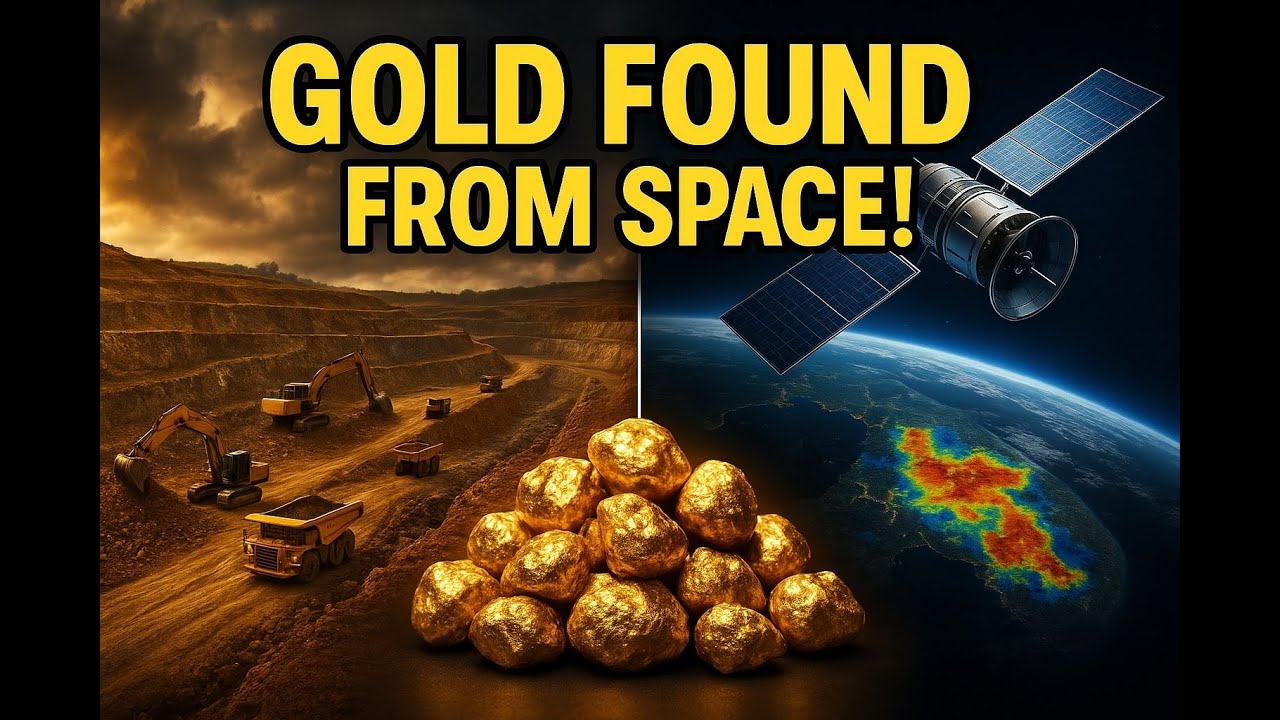
Planning a mineral prospect? Use Farmonaut’s quick upload link:
mining.farmonaut.com for satellite-driven, AI-enhanced exploration—no fieldwork needed!
Farmonaut: Satellite-Based Mining Intelligence for Sustainable Resource Discovery
As global demand for energy and mineral resources increases, innovative approaches are needed to balance sustainability, efficiency, and environmental responsibility. Farmonaut stands at the forefront of this transformation—leveraging satellite data analytics and AI to modernize mineral exploration worldwide.
How Farmonaut Works
- ✔ Multispectral and hyperspectral imagery detects the unique spectral signatures of minerals and alteration zones over broad regions.
- ✔ Reduces traditional exploration timelines from years to days, slashing costs by 80–85% and eliminating environmental disturbance in early phases.
- ✔ Proprietary algorithms identify mineralized target zones, structural lineaments, and prospectivity patterns—empowering better planning and allocation of ground resources.
Global Scope & Benefits
- 📊 Over 80,000 hectares surveyed, spanning 18+ countries in Africa, North and South America, Asia, and Australia.
- 📊 Capable of detecting broad-band and rare earth minerals—crucial for energy transition and critical supply chains.
- 📊 Helps mitigate environmental risk by targeting only the most promising prospects before any field disturbance occurs.
Farmonaut’s reporting—ranging from high-potential heatmaps to 3D mineral prospectivity mapping visualizations—bridges the gap from remote sensing to confident investment and efficient development. Our streamlined workflow allows clients to upload boundaries, select target resources, and obtain actionable intelligence—typically within 5–20 business days.
Supporting Sustainable Mining and Rural Development
By transforming early exploration into a non-invasive, data-driven process, Farmonaut enables faster discovery, reduced emissions, and more responsible resource management. We prioritize environmental, social, and governance (ESG) alignment, ensuring satellite-based analysis supports sustainable rural and regional development wherever resource exploration occurs.
- ✔ Satellite based mineral detection with global reach enables rapid, objective screening; explore the product and benefits here.
- ✔ Premium reports deliver actionable insight for technical and commercial mining teams; TargetMax™ drilling intelligence improves drilling accuracy and reduces risk.
- ✔ By narrowing exploration to the most promising targets, Farmonaut helps companies avoid unnecessary expenditure and minimize ecological disturbance.
Contact Us directly for a quote or mining intelligence consultation:
Get Quote |
Contact Us
Impact Across Economies: Infrastructure, Logistics, and Rural Community Development
Extraction activities—particularly those in largest oil producing countries and largest gold producing countries—drive a wave of “secondary” investments in roads, railways, ports, power lines, processing facilities, and rural market access. These upgrades act as catalysts for economic transformation, directly shaping downstream agricultural and forestry sectors.
Infrastructure Expansion & Regional Prosperity
- 📦 Improved transport networks reduce post-harvest loss, accelerate crop and timber cycles, and increase regional food security.
- ♻ Processing facilities (biofuels, animal feed, petrochemical/plastics plants, refineries) bring agrarian and extractive economies together.
- ⚡ Rural electrification and irrigation development—often funded by mining or oil export revenue—spur local entrepreneurship and skill development.
Community Engagement & Social Safeguards
Strong policy frameworks require that investments spread equitably—building schools, clinics, rural water networks and cotton, palm, or cocoa farmer cooperatives adjacent to resource corridors.
Visual List: Key Rural Benefits from Oil & Gold Extraction
- 🌱 Sustainable irrigation & water access for critical crops
- 🏗 Agricultural and forestry infrastructure upgrades
- 💡 Electrification, roads, and market linkage programs
- 🎓 Rural education and mining/agriculture skill transfer
- 🌍 Community-driven biodiversity and land stewardship plans
Visual List: Top Environmental Risks to Mitigate
- 💧 Water resource competition and pollution
- 🛢 Soil degradation and compaction from extraction
- 🏞 Biodiversity loss near mining and oilfield areas
- 🛤 Fragmentation of forests and cropland from infrastructure
- ⚠ Poor tailings containment and mine closure practices
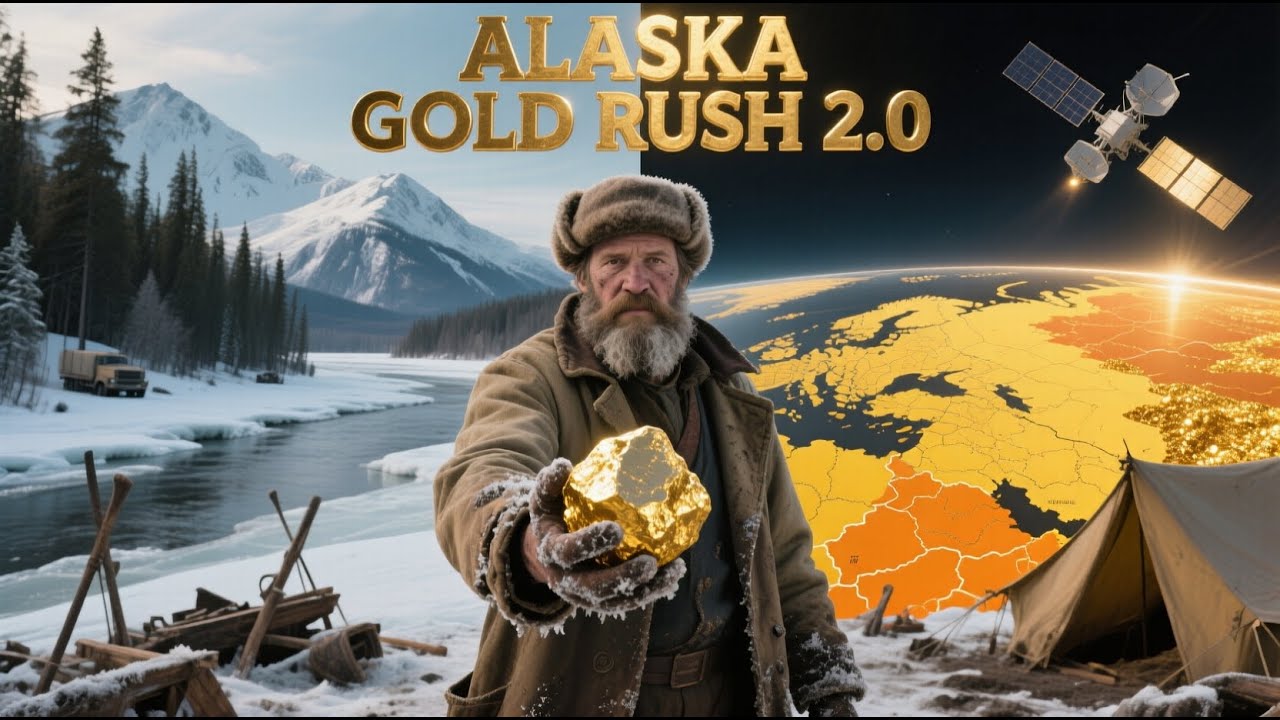
Environmental Management and Sustainable Rural Resilience in Resource-Rich Regions
From Policy to Practice: Integrating Extraction, Agriculture and Forestry
- 🌾 Land-use zoning and environmental impact assessments are the foundation for long-term sustainability. They help coordinate extractive, agricultural, and forestry activities.
- 🌾 Circular economy planning—where mining byproducts are repurposed in agri-processing or forestry—reduces waste and builds resilience.
- 🌾 Environmental safeguards such as water catchment buffers, mine dust suppression, and afforestation programs are mandatory for long-term rural health.
FAQ: What is the Role of Farmonaut in Environmental Planning?
Farmonaut advances satellite-driven intelligence for both mining and agriculture—enabling early-stage mineral exploration with zero surface disturbance. Our platform contributes to sustainable land management by identifying high-potential extraction zones and supporting multi-sector planning before any physical intervention or investment, reducing risk and enhancing ESG compliance.

Frequently Asked Questions (FAQ)
Which countries top oil and gold production globally?
The largest oil producing countries are the United States, Saudi Arabia, and Russia, each contributing over 10% of global production. The world largest gold producing countries are China, Australia, and Russia. These nations anchor resource supply, regional development, and set sustainability benchmarks.
How do oil and gold mining impact rural and agricultural sectors?
Resource extraction reshapes rural economies via infrastructure, job creation, and technological investment. However, it can also introduce environmental risks—water depletion, soil loss, forest fragmentation—necessitating integrated regional planning and strong environmental safeguards.
What policies drive sustainable land management in top-producing countries?
- – Strict environmental regulations (tailings, water, emissions)
- – Land use zoning for mining/agricultural/forestry coexistence
- – Community engagement and rural reinvestment mandates
How does Farmonaut’s satellite mineral detection help?
Farmonaut accelerates mineral discovery and mapping through satellite-based mineral detection—delivering actionable prospectivity and risk insights for both technical and commercial teams. This approach is cost-effective, non-invasive, and supports responsible exploration right from regional to local scale.
Where can I get started with satellite-driven mining exploration?
Map your site using: mining.farmonaut.com. Just upload your area, choose minerals, and let Farmonaut’s intelligence streamline your next exploration phase—all fully remote.
Conclusion: Resource Wealth, Rural Vitality, and the Future of Sustainable Extraction
The geography of oil and gold extraction continues to shape national, regional, and local economies—transforming rural landscapes, reconfiguring agricultural and forestry sectors, and driving patterns of investment and socio-environmental change. The major oil and world largest gold producing countries offer not just lessons in geology and extraction technology, but models for combined economic growth, environmental resilience, and inclusive rural development.
The healthiest resource economies are those where land management, environmental safeguards, and integrated investment extend beyond extraction itself—supporting prosperity for farming communities, sustaining forest ecosystems, and strengthening resilience to climate and market volatility. Satellite intelligence and new planning tools—like those we provide at Farmonaut—will be increasingly pivotal in balancing resource supply with sustainable, community-oriented outcomes.
For those seeking to build a future where oil and gold benefit both today’s markets and tomorrow’s rural societies, the imperative is clear: invest in data-driven, environmentally sound, and inclusive resource governance from exploration through to export and renewal.
Key Takeaways
- ✔ Largest oil and gold producers drive rural development, infrastructure investment, and global supply chains.
- ✔ Environmental safeguards and integrated planning are vital to long-term rural prosperity.
- ✔ Farmonaut’s satellite-based mineral detection enables modern, sustainable, and cost-efficient exploration worldwide.
- ✔ Cross-sector collaboration—mining, agriculture, forestry—builds resilience and spreads benefits equitably.
- ✔ Data-driven decisions and circular economy approaches are the future of sustainable resource extraction.
Quick Links
-
Start satellite mineral exploration or prospect analysis:
Map Your Mining Site Here -
Understand Farmonaut’s premium mineral intelligence platform:
Satellite Based Mineral Detection -
Discover advanced visualization & drilling intelligence:
3D Mineral Prospectivity Mapping - Contact us for a quote or custom mining report: Get Quote
-
General inquiries or consultations:
Contact Us
Discussion
Questions, corrections or field experience? Share them below. First-time comments are reviewed before they appear, and your email is never published.
No comments yet. Be the first to add a question or your experience.

 Sahara Mining
 Sean Mining Limited
 NTS Group (Pty) Ltd
 Mine4Africa
 Lithspo Minerals Limited
 Tintina Mining Group
 Dalgety Minerals Pty Ltd
 Vortex Minerals Pty Ltd
 Faith At Work (Pty) Ltd
 Geotech Mining Solutions plc
 Vulcan International Limited
 Kidepo Associates
 GKY Mining
 Alkimy SARL
 Double A Trading
 GemSprout Metals Limited
 Qader Group
 Ileys General Trading
 SG Gold Mining LLC
 VRV Global Pte Ltd
 Omsri International FZE
 G.I.T.T.
 Jaunita Erss Ltd
 SRK Consulting
 Berks Gold Limited










