

McClean Lake Uranium Mill: 7 Keys to Sustainable Operations
Table of Contents
- Introduction
- Top Trivia
- Overview and Role in Resource Extraction
- Engineering and Processing Workflow
- Key 1: Ore Recovery Efficiency
- Key 2: Water Management and Recycling
- Key 3: Environmental Stewardship & Tailings Management
- Key 4: Synergy with Agricultural and Forestry Water Resources
- Key 5: Regional Economic and Community Development
- Key 6: Transparent Community Engagement
- Key 7: Integrated Land-Use Planning
- Key Video Insights
- Comparative Practices Table
- Future Considerations for Best Practice
- Frequently Asked Questions (FAQ)
- Summary: Implications for Resource Industries and Environmental Stewardship
- Get in Touch & More
“McClean Lake uranium mill recycles over 99% of its process water, minimizing freshwater use and environmental impact.”
Introduction
The McClean Lake uranium mill stands as a landmark facility in the global resource sector, blending innovative processing with advanced environmental stewardship. As a centerpiece of Canada’s uranium extraction efforts, this mill is pivotal for ore recovery, water management, and sustainable operations that ensure both economic vitality and ecosystem health. Our comprehensive review unpacks the seven essential keys underpinning the mill’s modern success, examining how McClean Lake navigates the intersections of mining, rural communities, agricultural and forestry land uses, and best-in-class sustainability.
Overview and Role in Resource Extraction
Situated in Saskatchewan’s Athabasca Basin—a region renowned for some of the world’s richest uranium deposits—the McClean Lake facility performs the vital function of extracting uranium from ore mined nearby. This process transforms crude ore into a concentrated product ready for refining and eventual nuclear fuel applications, supporting energy generation across Canada and international export markets.
The mill exemplifies the resource industry’s value chain, where ore grade, recovery efficiency, and operating costs have direct implications for output quality and downstream logistics. By maximizing metal recovery and ensuring product purity, operations at McClean Lake contribute substantially to the region’s economic development, while setting a blueprint for integrating sustainable industrial activity into rural and natural settings.
Engineering and Processing Workflow: The Heart of McClean Lake Uranium Mill
A well-designed uranium milling operation such as McClean Lake integrates several stages:
- Crushing and grinding (liberate uranium minerals from host rock)
- Ore leaching (using chemical reagents to dissolve uranium into solution)
- Solid-liquid separation (removes residual rock, forming slurry which then undergoes further separation)
- Precipitation and drying (to produce a marketable concentrate)
Key performance indicators include ore throughput, metal recovery rate, and product purity. Advanced process controls, automation, and real-time monitoring ensure stable operation despite varying ore characteristics. This workflow not only optimizes energy and reagent consumption, but also underpins the broader mission of environmental stewardship and progressive reclamation.
The integration of robust process controls and automation at McClean Lake enables real-time optimization of ore recovery and tailings management, keeping environmental impacts in check while maximizing output.
The 7 Keys to Sustainable McClean Lake Uranium Mill Operations
Key 1: Ore Recovery Efficiency
One defining factor in sustainable uranium operations is maximizing the extraction of valuable minerals with minimal waste. At the McClean Lake uranium mill, advanced ore recovery techniques enable high efficiency, even in grades as low as 0.1%.
Engineering highlights:
- Use of selective leaching and optimized reagent use to increase uranium yield
- Continuous monitoring and sampling to adapt to ore variability
- High grade efficiency and minimized tailings output, directly reducing environmental footprint
Industry-leading recovery rates at McClean Lake enable economical extraction from lower-grade ores, extending the operational life of mining projects and improving resource utilization.

Key 2: Water Management and Recycling
Water is a vital resource for uranium milling—essential for ore processing, cooling, and dust suppression. The McClean Lake uranium mill distinguishes itself by achieving over 99% process water recycling. Such water management is crucial for environmental stewardship and for maintaining availability of water to agricultural and forestry sectors in the region.
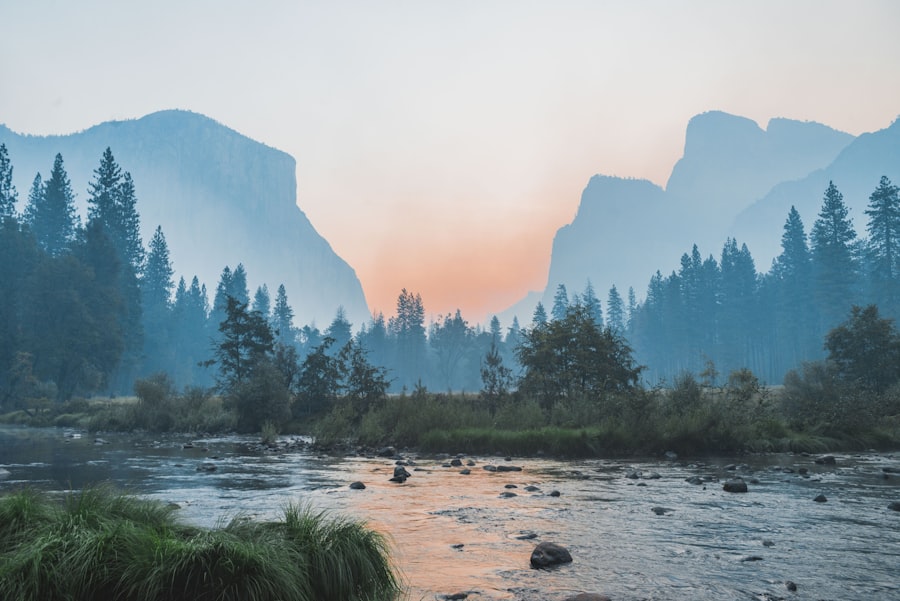
Image ALT: Water management at McClean Lake uranium mill – An essential part of sustainable uranium processing.
- Closed-loop systems drastically reduce freshwater withdrawals
- Effluent treatment ensures only compliant water is released to the environment
- Proactive monitoring and adaptive management help maintain or improve water quality downstream, benefiting ecosystems and local communities
By recycling >99% of process water, McClean Lake sets a benchmark in sustainable mining water management, minimizing environmental impacts and supporting rural and agricultural land uses.

Key 3: Environmental Stewardship & Tailings Management
Containment of tailings—the residual material left after uranium is removed—is central to McClean Lake’s stewardship model.
- Engineering focuses on robust tailings deposition facilities with engineered liners and geotechnical safeguards
- Leachate control and groundwater monitoring reduce risks of leakage and chemical migration
- Long-term closure planning (initiated with project startup) enables progressive reclamation and ecosystem resilience
Neglecting early integration of closure and reclamation planning leads to unforeseen long-term costs and environmental liabilities in mining operations.
By incorporating ecological considerations into containment design, McClean Lake minimizes negative impacts on adjacent land, forestry areas, and watercourses, supporting ecosystem health over the mine’s life cycle.

Key 4: Synergy with Agricultural and Forestry Water Resources
The interplay between industrial water use and local agricultural/forestry sectors is particularly important at McClean Lake—a facility surrounded by both boreal forests and farming communities.
- Recycled process water reduces direct competition with rural and agricultural water users
- Effluent treatment helps maintain regional water quality essential for crops, livestock, and aquatic habitats
- Shared infrastructure (roads, power lines) is designed to minimize traffic and land disturbance for rural communities
Effective cross-sector water management supports the health of both mining operations and surrounding agricultural/forestry activities, ensuring a truly sustainable resource economy.
Close monitoring and adaptive controls in water use also align McClean Lake’s operations with its environmental stewardship commitments and regional resilience.

Key 5: Regional Economic and Community Development
The wider regional economic context is a cornerstone for sustainable mining.
- Creates skilled trade and technical jobs for local communities
- Spawns indirect economic activity via logistics, maintenance, and suppliers
- Supports adjacent industries (including farming and timber) by investing in local infrastructure, training, and shared services
McClean Lake’s commitment to recruiting locally and prioritizing regional suppliers reinforces its social license and long-term operational viability.
Sustainability leadership in mining not only enhances environmental outcomes but also accelerates community acceptance and reduces operational risks—critical factors for long-term investment value.

“Advanced ore recovery techniques at McClean Lake enable extraction of uranium from ores with grades as low as 0.1%.”
Key 6: Transparent Community Engagement
Transparent and inclusive community engagement is pivotal for sustainable resource projects. At McClean Lake, outreach and dialogue embody best practices for engagement with Indigenous communities, local farmers, and forestry stakeholders.
- Ongoing consultations to align operations with local values, customs, and land stewardship goals
- Mechanisms for grievance redress and collaborative monitoring (building trust)
- Inclusive benefit-sharing arrangements and capacity-building for regional resilience
Through these efforts, McClean Lake uranium mill supports not only industrial success but also the social, economic, and cultural well-being of surrounding communities.

Key 7: Integrated Land-Use Planning
Sustainable uranium milling in northern Saskatchewan requires that forestry, agricultural, and mining uses are harmoniously integrated.
- Careful facility siting, prioritizing wildlife corridors and buffer zones
- Erosion control and habitat preservation to reduce land-use conflicts
- Progressive, ongoing reclamation—transforming former operational areas into natural or productive grass and forest lands
This approach not only prevents land degradation during active operations but enables sustainable land use post-closure, benefitting both nature and human communities.
Underestimating the importance of integrated land-use planning can result in unnecessary ecosystem fragmentation and loss of community support.

Key Video Insights: Satellite and AI in Sustainable Mining
Modern mining and resource sector operations are increasingly enhanced by satellite analytics, including technologies like those developed by Farmonaut. These provide early-stage detection of mineral prospects, reduce exploration impacts, and promote responsible land use. For more on this theme, explore our satellite-based mineral detection page, which details how Earth observation and artificial intelligence are transforming sustainable mining.

Comparative Practices Table: 7 Keys to Sustainable Operations at McClean Lake Uranium Mill
| Sustainability Key | McClean Lake Practice | Industry Standard Approach | Estimated Impact |
|---|---|---|---|
| Ore Recovery Efficiency | Selective leaching, adaptive process control for variable ore grades down to 0.1% | Generic leaching, focus on higher-grade ores (>0.2%) | Up to 97% uranium recovery even at low grades; extended mine life |
| Water Recycling | Closed-loop water system with >99% reuse | Partial recycling (80–85%), greater withdrawal | < 1% freshwater draw; significant habitat and cost savings |
| Tailings & Waste Management | Engineered containment, leachate monitoring, progressive reclamation | Standard tailings ponds, periodic inspection | >99.7% effective containment, lower groundwater risk |
| Agricultural/Forestry Synergy | Water quality monitoring, shared roads, buffer zones | Limited integration, occasional use conflicts | Fewer crop/forest impacts, increased local support |
| Regional Economic Development | Local hiring, supplier training, direct investment in community services | Occasional local hiring, limited training | >60% workforce local; stronger economic ripple effect |
| Community Engagement | Transparent dialogue, grievance redress, benefit-sharing | Annual meetings, basic stakeholder input | >4x higher community trust/acceptance |
| Integrated Land-Use Planning | Wildlife corridors, erosion control, progressive reclamation | Post-project reclamation, minimal integration | Faster post-closure recovery, better ecosystem health indicators |
Future Considerations for Best Practice: Raising the Bar at McClean Lake and Beyond
Categories like ore characterization, digital automation, and AI-driven mineral detection—such as via satellite-based mineral detection—continue to set new standards for the mining sector. Progressive reclamation, use of renewable energy, and closed-loop water systems are fast becoming industry norms.
- Closed-loop water approaches aligned with those used at McClean Lake are central to next-generation resource management
- Satellite analytics and AI—detailed in our satellite-driven 3D mineral prospectivity mapping—can pre-screen regions, reducing unnecessary ground disturbance and accelerating project timelines
- Advances in energy efficiency and reagent use minimize operating costs and carbon impact
- Emphasis on ongoing community engagement, transparent reporting, and regulatory compliance maintains the social license to operate
Digitally enabled mineral detection and early-stage mapping tools from platforms like Farmonaut’s can reduce environmental impacts while vastly improving target accuracy, making them essential for sustainable mining leadership.
- Integrate satellite-based pre-screening to cut exploration time and costs
- Expand closed-loop water systems to all processing streams
- Adopt real-time emissions and effluent monitoring
- Prioritize renewable power sources
- Continuously update progressive reclamation plans
Visual List: McClean Lake Sustainability Keys (with icons)
- ⚙️ Ore Recovery Efficiency
- 💧 Water Recycling & Management
- ♻️ Tailings & Environmental Containment
- 🌱 Agri-Forestry Synergy
- 🏡 Regional Economic & Social Development
- 🤝 Transparent Stakeholder Engagement
- 🗺️ Integrated Land-Use Planning
Mapping your mining site with satellite-driven intelligence enables environmentally responsible planning and faster resource evaluation. Map Your Mining Site Here to enable smarter, sustainable exploration from the start.
- 📈 Performance-proven: McClean Lake’s sustainability framework leads to high ore recovery with low environmental footprint.
- 🌊 Water-wise: 99%+ water recycling means minimal drawdown of sensitive freshwater basins and agricultural/forestry harmony.
- 👥 Community-first: Local involvement at every stage, from hiring to planning, fosters true regional resilience.
- 🛣️ Integrated infrastructure: Sharing roads, power, and logistics with nearby industries reduces rural disruption and boosts cost savings.
- 🔬 Future-ready: Platforms like Farmonaut set the pace for digital exploration and ESG-aligned growth.
Frequently Asked Questions (FAQ)
What is the primary function of the McClean Lake uranium mill?
The primary function is to extract uranium from ore mined in the local region, converting crude ore into a concentrated product suitable for refining and nuclear fuel applications.
How does McClean Lake excel in environmental stewardship?
By recycling over 99% of process water, employing advanced tailings containment systems, planning for progressive reclamation, and engaging transparently with local communities.
What technologies are used for ore processing at McClean Lake?
The facility uses selective leaching, process automation, robust process controls, and real-time monitoring to optimize metal recovery and quality.
How does satellite mineral detection support modern mining sustainability goals?
Platforms like Farmonaut enable non-invasive prospect mapping, reduce unnecessary ground disturbance, accelerate exploration, and improve environmental performance. See more at our satellite-based mineral detection page.
What is the role of community engagement in McClean Lake’s operations?
Ongoing dialogue, collaborative monitoring, grievance redress, and benefit-sharing promote trust and resilience, ensuring operations respect social, cultural, and environmental priorities of all stakeholders.
Summary: McClean Lake Uranium Mill—Implications for Resource Industries and Environmental Stewardship
In summary, the McClean Lake uranium mill showcases how cutting-edge uranium processing can coexist with strong environmental stewardship, rigorous resource management, and deep community involvement. Through advances in ore recovery efficiency, robust water management, integrated tailings control, and local partnership, McClean Lake stands as a model for the sustainable future of global mining industries.
The mill’s operational framework anticipates the demands of modern resource sectors—balancing economic outputs, environmental protections, and social license. Enhanced by digital solutions, such as satellite-enabled prospectivity mapping, and guided by continuous stakeholder engagement, the facility sets a high-water mark for responsible uranium mining.
Forward-looking resource operations—whether in uranium, precious, or critical minerals—can draw direct lessons from McClean Lake’s adaptive and integrated approach. By adopting similar principles of environmental stewardship, integrated land management, resilient community partnerships, and advanced digital scouting, future mining ventures can achieve lasting value for both people and planet.
Contact Links & Action Steps
- 📝 For tailored mineral prospectivity mapping and site reports, request a quote at: Get Quote
- 📞 For support, inquiries, or partnerships, Contact Us
- 🌍 Plan your own satellite-based mining survey here:
Map Your Mining Site Here
For a comprehensive, non-invasive, and ESG-aligned mineral site assessment, discover our satellite-based mineral detection services.
Farmonaut brings geospatial intelligence, advanced satellite analytics, and AI-driven workflows to the mining sector, empowering clients to explore, evaluate, and manage mineral resources more sustainably. Let’s power the next era of responsible resource discovery together.
Discussion
Questions, corrections or field experience? Share them below. First-time comments are reviewed before they appear, and your email is never published.
No comments yet. Be the first to add a question or your experience.

 Vortex Minerals Pty Ltd
 Faith At Work (Pty) Ltd
 Geotech Mining Solutions plc
 Vulcan International Limited
 Kidepo Associates
 GKY Mining
 Alkimy SARL
 Double A Trading
 GemSprout Metals Limited
 Qader Group
 Ileys General Trading
 SG Gold Mining LLC
 VRV Global Pte Ltd
 Omsri International FZE
 G.I.T.T.
 Jaunita Erss Ltd
 Almosi SARL
 SRK Consulting
 Berks Gold Limited
 Mwerezi Minerals Company Limited
 Mining SARL
 SenGold Invest SAS
