

Mining Environmental Problems: 7 Major Impacts Explained
“Mining activities contribute to nearly 10% of global deforestation, severely impacting biodiversity and sustainable land use.”
Introduction: A Comprehensive Overview of Environmental Problems in Mining
Mining environmental problems have become some of the most pressing issues for soil, water, land, forestry, and agricultural stewardship initiatives worldwide. From deep open-pit mines in arid zones to mountaintop removal in forested regions, mining operations impart a broad spectrum of environmental challenges that ripple across ecosystems, soil health, water quality, and landscape resilience. These disturbances not only affect natural habitats but also threaten farming and forestry productivity, disrupt the hydrological cycle, and challenge sustainable land use planning.
This blog provides a comprehensive overview of the major environmental problems in mining, focusing on the seven most significant impacts on soil, water, land, ecosystems, agriculture, forestry, and overall stewardship. We explore how contamination, degradation, and disruption associated with mining activity can undermine the quality and productivity of crucial resources, and we highlight cutting-edge approaches to management, rehabilitation, and monitoring that are key to a sustainable future.
Mining environmental problems extend far beyond a mine’s physical footprint, affecting entire agricultural and forestry landscapes, the downstream food chain, and long-term community wellbeing.
- ✔ Mining environmental problems affect soil, water, land, and ecosystems at multiple scales.
- 📊 Key data insight: Up to 10% of the world’s deforestation is linked to mining activities, directly lowering biodiversity and forest health.
- ⚠ Risk: Leaching of heavy metals and acid drainage can render soils unusable for generations.
- ✔ Sustainable solutions like real-time monitoring and advanced water management are vital for rehabilitation and restoration.
- 📊 Opportunity: Satellite-driven intelligence is transforming early exploration, minimizing ground disturbance and supporting responsible stewardship.
1. Water Contamination and Stewardship: Safeguarding Freshwater for Agriculture & Communities
Water contamination is widely recognized as one of the most significant mining environmental problems. The extraction and processing of ore involve large quantities of water, which often become laced with contaminants. This causes overlapping issues for soil, agricultural productivity, forest ecosystems, and community health.
A. Surface and Groundwater Pollution
Mining operations generate pollutants from waste rock, tailings, and process water. Tailings—slurry-like residues from mineral milling—commonly contain heavy metals such as arsenic, mercury, lead, cadmium, and sulfates. Through leaching and acid mine drainage (where sulfide minerals react with air and water, producing acidic conditions), these substances can lower pH and mobilize contaminants, compromising the quality of irrigation supplies and affecting crops, soil microbiomes, and aquatic life in adjacent streams.
Example: Lower pH levels can significantly disrupt aquatic ecosystems, reducing biodiversity and rendering water unsafe for irrigating fields.
B. Sedimentation and Turbidity
Disturbed slopes around mines are prone to erosion, especially where there is poor control infrastructure. The result is increased turbidity in watercourses: particles suspended in water block sunlight, reduce oxygenation, and ultimately harm fish, macroinvertebrates, and irrigation systems. As sedimentation builds up, it can bury soil profiles, choke agricultural channels, and reduce field productivity.
Impact: Crop yields may decline by up to 30% in areas impacted by downstream mining sedimentation.
C. Water Withdrawal and Competition
Many modern mines—especially in arid or semi-arid zones—require vast water inputs. This often puts them into direct competition with agricultural users and villages, resulting in lower water tables, reduced groundwater recharge, and stress on crops and forested land. Where water is scarce, this competition may escalate into serious community disputes and long-term reductions in land productivity.
Underestimating cumulative water withdrawals can tip entire watersheds into long-term deficit, especially during drought years. Integrated water management is crucial from the outset.

2. Soil Health and Land Degradation: The Foundation of Agricultural Sustainability
Healthy soil is the backbone of sustainable agriculture and forestry. However, mining environmental problems can quickly degrade the structure, fertility, and function of soils across affected landscapes.
A. Soil Contamination by Metals and Metalloids
Through dust, runoff, and direct waste disposal, mines contaminate soils with toxic concentrations of metals (arsenic, lead, cadmium, zinc, and chromium, among others). Elevated metal levels impede root growth, limit nutrient availability, and cause lower crop yields. Chronic exposure may force farmers to abandon fields, diminishing rural livelihoods for decades.
Example: Mining sites in West Africa report maize yield drops of 20–50% due to lead and arsenic soil contamination.
B. Physical Disruption of Soil Profiles
Open-pit and underground mining can destroy topsoil, disrupt soil structure, and eliminate soil organic matter. These physical impacts impair infiltration, reduce water holding capacity, and suppress microbial activity—processes vital for nutrient cycling in farming and forestry.
C. Acidification and Salinization
The oxidation of sulfide minerals produces acid leachate (acid drainage), which acidifies soils and further mobilizes heavy contaminants. In arid zones, high evaporation rates contribute to soil salinization—the accumulation of salts that can choke root respiration, inhibit seed germination, and collapse agricultural productivity.

Topsoil salvage and progressive rehabilitation during active mining dramatically improve restoration outcomes for both crops and native vegetation.
3. Impacts on Biodiversity, Habitat Loss & Landscape Integrity
Mining footprints often correspond with severe habitat loss and fragmentation. This reduces biodiversity, undermines crucial ecosystem services, and destabilizes pest and pollinator populations vital for agriculture and forestry.
A. Habitat Loss and Fragmentation
The direct removal of forests, wetlands, or grasslands for mining destroy critical habitats. Access roads and supporting infrastructure fragment landscapes, impeding the movement of wildlife, pollinators, and seed dispersers. This diminishes overall resilience to pests, disease, and climate extremes.
Risk example: Fragmented habitats increase pest outbreaks in adjacent fields, requiring more chemical inputs to maintain yields.
B. Forestry and Rangeland Impacts
Mining in forested areas can permanently alter fire regimes, enable the spread of invasive species, and reduce landscape-level carbon storage. These changes ripple outwards, threatening the productivity and biodiversity of large regions.
C. Biodiversity and Pest Dynamics
Loss of floral and faunal diversity destabilizes ecological pest control, directly impacting adjacent farming operations. Reduced biodiversity also exposes fields and woodlands to new cycles of environmental degradation, including increased prevalence and intensity of pest infestations.

“Over 40% of the world’s rivers are polluted by mining runoff, threatening agriculture and freshwater ecosystems.”
- 🌳 Forests removed: Hundreds of hectares per year lost to open-pit mining.
- 🦋 Fragmentation: Wildlife corridors disrupted by new access roads and waste ponds.
- 🐝 Pollinator decline: Directly lowers crop productivity and seed dispersal efficiency.
- 🐟 Fish & aquatic life loss: Polluted streams result in sharp drops in biodiversity.
- 🐗 Invasive species spread: Enhanced by disturbed land and transportation networks.
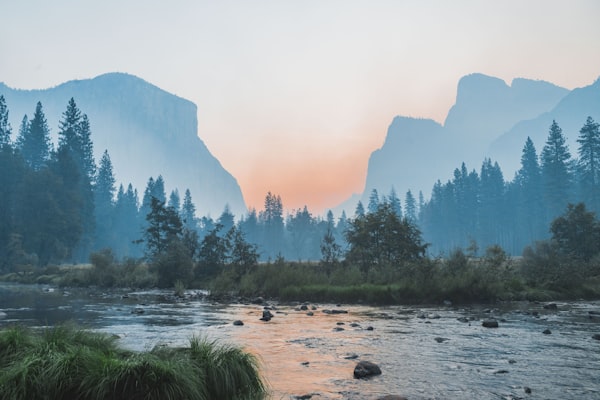
Mining disrupts vital habitats in forests and grasslands.
4. Air Quality and Indirect Environmental Effects
Airborne emissions from mining and related activities carry far-reaching impacts for human health, crop quality, and the broader climate.
A. Dust Generation and Particulate Pollution
Blasting, crushing, and hauling activities produce significant amounts of dust containing metals and silicate particulates. This dust settles on crops, inhibiting photosynthesis and reducing transpiration. In communities near mine sites, respiratory conditions, allergies, and long-term health risks are more prevalent.
Example: In major mining regions, particulate emissions account for increased rates of asthma and other respiratory illnesses in children.
B. Greenhouse Gas Emissions and Climate Impacts
The energy-intensive nature of extraction, processing, and mineral transport drives significant fossil fuel consumption. The resulting emissions contribute to global warming, alter rainfall patterns, and increase the frequency of droughts—pressures that compound challenges facing agriculture and forestry across multiple regions.
- 🌬️ Dust emissions reduce crop productivity by physically blocking sunlight.
- 🏭 Fossil fuel use stocks the atmosphere with CO₂ and other greenhouse gasses.
- ⚡ Climate shifts alter growing seasons, stress forests, and escalate drought risks.
- 👩🌾 Impact on farmers: Adaptation costs rise with more unpredictable weather and air quality.

Dust from mining clouds air over crops and settlements.

5. Socioeconomic and Community Impacts
The environmental problems in mining ripple into the social and economic fabric of community life, affecting food security, job stability, and local conflict.
A. Decline in Livelihoods
Cumulative degradation of soil and water quality makes it difficult for communities to sustain farming and livestock. Lost agricultural productivity leads to potential joblessness, migration, and social unrest in some mining-affected regions.
B. Land Use Conflicts
Competition over water, arable land, and natural resources fosters disputes between mines, farmers, and pastoralists—especially where participatory management and transparent agreements are lacking.
Community impact assessments and stakeholder dialogue are increasingly central to mining project approval and long-term profitability.

6. Rehabilitation, Land Restoration, and Closure: Rebuilding Resilience
Rehabilitation and restoration efforts aim to reestablish the function and productivity of ecosystems after mining. These complex processes must address contaminated soils, eroded landscape profiles, lost topsoil, disrupted hydrology, and damaged biodiversity.
A. Landform and Soil Restoration
Land contouring, topsoil replacement, and soil amendment (remediation) are crucial to stabilize newly exposed surfaces, reduce erosion, and encourage the growth of native species. Proper monitoring over years is needed to ensure restored land can support either natural vegetation or return to agricultural and forestry production.
B. Erosion Control, Drainage, and Buffer Planning
Engineering interventions like sediment ponds, berms, and vegetated buffer strips help limit runoff, control sedimentation, and minimize further downstream effects. Water management and habitat corridors are essential, especially on sloped or river-adjacent areas.

Successful rehabilitation requires a foundation of healthy soil, careful recontouring, and use of native species to restore landscape resilience after mining.
7. Best Practices and Mitigation Strategies in Mining Environmental Problems
A holistic, science-driven approach is central to reducing the magnitude and persistence of mining environmental problems for agriculture, forestry, and communities. Below, we summarize proven strategies to reduce risk and restore system resilience.
A. Rigorous Water Management
- Lined tailings ponds: Prevent leaching of metals and contaminants to groundwater.
- Effluent treatment: Removes acid and heavy metals before water is discharged to the environment or reused for irrigation.
- Recycling water: Reduces overall withdrawals and competition with agriculture and forestry.
B. Soil Protection and Remediation
- Topsoil salvage before active mining begins.
- Progressive rehabilitation to restore function as soon as possible.
- Phytoremediation (use of metal-accumulating plants) to gradually lower toxicant concentrations.
C. Erosion Control
- Sediment ponds & berms to trap solids.
- Vegetated buffers along streams reduce sediment and increase ecosystem resilience.
D. Biodiversity and Landscape Safeguards
- Strategic land-use planning to protect critical habitats.
- Wildlife corridors and post-mining reforestation with native species.
E. Stakeholder Collaboration and Transparency
- Regular environmental monitoring shared publicly.
- Participatory agreements among mines, community, and farmers.
- Joint water management boards for shared stewardship of basin resources.

🌐 Map Your Mining Site Here:
Start satellite-driven mineral exploration and environmental monitoring with Farmonaut—zero ground disturbance, instant global reach.
Major Environmental Impacts of Mining: Overview & Estimated Severity
| Impact Type | Affected Resource | Estimated Severity | Quantitative Estimate/Example | Brief Sustainable Solution |
|---|---|---|---|---|
| Soil Degradation & Contamination | Soil, Agriculture, Forestry | High | 20–50% yield reduction; toxic metal accumulation in 1000+ ha annually | Topsoil salvage, phytoremediation, contamination monitoring |
| Water Pollution & Acid Drainage | Water, Aquatic Life, Crops | High | 20–60% surface water pH drop, metal loads exceed safe limits | Effluent treatment, stormwater control, lined ponds |
| Habitat Loss & Biodiversity Decline | Land, Ecosystems, Wildlife | High | Up to 10% global deforestation; localized species extinction | Land-use planning, post-mining reforestation with natives |
| Air Pollution (Dust & Emissions) | Air, Soil, Health, Crops | Medium-High | Increased asthma; 5–25% decrease in crop photosynthesis efficiency | Dust control, green buffer belts |
| Landscape Erosion & Sedimentation | Soil, Water, Croplands | Medium-High | Sediment buildup in 30–50% local rivers, reduced field productivity | Berms, sediment ponds, riparian buffer planting |
| Socioeconomic Disruption | Community, Agriculture | Medium | Loss of income for hundreds of households, land-use disputes | Stakeholder agreements, joint monitoring, transparency |
| Delayed/Lacking Rehabilitation | Land, Soil, Forestry | Medium | Less than 30% of closed sites fully restored globally | Progressive closure, native species replanting, ongoing monitoring |

Delaying land rehabilitation increases costs and hampers long-term recovery of ecosystem functions.
Early stakeholder engagement smooths project permitting and minimizes future disputes.
Sites with robust environmental monitoring systems command higher valuation and reduce ESG risk.
Farmonaut: Supporting Responsible and Sustainable Exploration
Modern mineral discovery is evolving rapidly. At Farmonaut, our mission centers on delivering satellite-based mineral intelligence that fundamentally reduces the environmental disruption of early-stage exploration. By harnessing advanced Earth observation, AI, and remote sensing, we shift initial exploration from the ground to the sky, eliminating ground disturbance during this earliest and riskiest phase.
- ✔ No ground disturbance: Our approach uses only satellite data, safeguarding soils, water, ecosystems, and heritage sites from speculative drilling, trenching, or invasive sampling in the early exploration phase.
- 📊 Data insight: With multispectral and hyperspectral analytics, we have mapped mineral prospects across over 80,000 hectares and 18+ countries, from the copper belts of Africa to North America’s critical minerals corridors.
- ⚠ Reduce risk and cost: Focus only on the best targets—reduce wasted exploration expenditure by up to 85% while supporting environmental stewardship.
- ✔ Decide fast, decide responsibly: We deliver actionable mineral prospectivity maps and recommendations within 5–20 business days—accelerate discovery and avoid footprints on sensitive landscapes.
For both technical and commercial decision-makers, our satellite based mineral detection platform provides objective, rapid, and sustainable detection of base, precious, and specialty minerals, as well as rare earth elements crucial for the future of green energy and defense.
Visualize and refine your prospects with satellite driven 3D mineral prospectivity mapping—see structures, faults, and targets in three dimensions before stepping into the field.
For quotes, feasibility inquiries, and consultation, Get Quote or Contact Us anytime.
Frequently Asked Questions (FAQ)
What are the main environmental problems in mining?
The major environmental problems in mining include soil degradation, water pollution (including acid mine drainage and metal contamination), habitat loss, biodiversity decline, air quality degradation, landscape erosion, and socioeconomic disruption to communities and agriculture.
How can mining’s impact on agricultural land be reduced?
Strategies include advanced water management, soil protection (salvage and remediation), erosion control, reforestation with native species, integrating buffer zones and stakeholder collaboration to address soil and water quality concerns before, during, and after mining.
Are there new technologies to limit environmental problems in mining?
Yes. Satellite-based platforms, such as Farmonaut’s mineral detection, can screen mineral prospects rapidly without ground disturbance, helping to avoid or mitigate impacts at early stages.
What are the main factors enabling successful mine site rehabilitation?
Early topsoil salvage, landform recontouring, soil amendment (organic and pH-adjusting compounds), seeding/planting with well-adapted native species, ongoing monitoring, and ensuring adequate water drainage and erosion control.
How can communities participate in improving mining environmental outcomes?
Through involvement in monitoring, negotiated water and land-use agreements, participatory impact assessments, and transparent reporting frameworks. Stakeholder collaboration is key to balancing environmental, social, and economic needs.
Conclusion: Towards Sustainable Land Stewardship
Mining environmental problems remain among the most significant threats to the long-term health and use of soil, water, land, and ecosystems. Yet the tools for responsible stewardship and sustainable mineral development are more advanced—and accessible—than ever before. By integrating satellite monitoring, rigorous on-site management, active stakeholder engagement, and science-based rehabilitation protocols, we can collectively reduce the footprint of mining and foster resilience in agricultural and forested landscapes globally.
The imperative is clear: to balance the irreplaceable needs of our communities, agriculture, and biodiversity with the demand for minerals on which modern society depends. Sustainable stewardship is not just possible; it is essential for the future of the planet’s food, water, and wild places.
For rapid, risk-free mineral exploration and robust environmental monitoring, Map Your Mining Site Here with Farmonaut—shift toward sustainability, transparency, and global stewardship.
Discussion
Questions, corrections or field experience? Share them below. First-time comments are reviewed before they appear, and your email is never published.
No comments yet. Be the first to add a question or your experience.

 Viahara Mining
 Mining SARL
 SenGold Invest SAS
 Sania Corporation
 Sean Mining Limited
 NTS Group (Pty) Ltd
 Mine4Africa
 Lithspo Minerals Limited
 Tintina Mining Group
 Dalgety Minerals Pty Ltd
 Vortex Minerals Pty Ltd
 Faith At Work (Pty) Ltd
 Geotech Mining Solutions plc
 Vulcan International Limited
 Kidepo Associates
 GKY Mining
 Alkimy SARL
 Double A Trading
 GemSprout Metals Limited
 Qader Group
 Ileys General Trading
 SG Gold Mining LLC
 VRV Global Pte Ltd
 Omsri International FZE
