

Mining Funds, Gold Mining Funds, Ag Funds: 7 Smart Moves for Portfolio Balance
- Introduction: Investment Vehicles in Natural Resources
- Trivia: Did You Know?
- Understanding Mining Funds, Gold Mining Funds, and Ag Funds
- Key Investment Criteria: Table Comparison
- Risk and Return Dynamics
- Strategic Fit for Agriculture & Natural Resource Sectors
- Key Considerations for Suitability & Portfolio Construction
- Implementation: 7 Smart Moves for Investors
- Farmonaut: Satellite-Based Mineral Intelligence
- Popular Questions (FAQ)
- Conclusion: Smart Synergy for Forward-Looking Portfolios
“Gold mining funds have historically outperformed inflation by an average of 2-3% annually over the past 20 years.”
Introduction: Investment Vehicles in Natural Resources
The world of resource-based investment — exemplified by mining funds, gold mining funds, and ag funds — presents compelling ways for investors, operators, and institutional participants across agriculture, forestry, and commodities to diversify portfolios and manage risk. As capital seeks stability and growth in volatile markets, these funds offer exposure to commodity prices, natural resource cycles, and unique diversification benefits.
In this comprehensive guide, we’ll dissect how resource-oriented funds — especially those focused on precious metals like gold — can play a critical role in balancing portfolio volatility, hedging against inflationary threats, and aligning with sustainable, responsible business practices. Agricultural and forestry operators face unique cycles tied to weather, crops, and markets; for these sectors, properly used mining and gold funds can provide a stabilizing channel for excess cash and capital allocation.
We’ll also highlight the strategic advantages of modern tools like satellite-based mineral detection (see our satellite based mineral detection service and satellite driven 3d mineral prospectivity mapping for details) that are changing the face of mining investments worldwide.

Trivia: Did You Know?
“Agricultural funds can reduce portfolio risk by up to 15% when combined with traditional equity investments.”
Understanding Mining Funds, Gold Mining Funds, and Ag Funds
In a broad sense, mining funds are investment vehicles that pool capital from various investors to invest in mining-related projects, infrastructure, and companies—spanning both precious and industrial metals as well as energy-related minerals. Gold mining funds narrow this focus to companies whose core business is the exploration, extraction, and development of gold reserves.
- ✔ Mining Funds: Provide exposure to a diversified basket of mining equities (across gold, copper, iron, lithium, and more).
- ✔ Gold Mining Funds: Specialize in gold mining companies; act as a leveraged play on gold prices.
- ✔ Ag Funds: Also called agricultural funds, these invest in crop production, land, or agri-businesses—helping farmers, foresters, and agribusiness owners diversify revenue streams.

Where These Funds Intersect: The Nuanced Blending of Risk, Value & Realities
While these funds may seem sectoral, they subtly intersect in the portfolio construction process:
- 📊 Data Insight: Both mining and agricultural markets are driven by commodity cycles—yet their price and supply drivers often diverge, offering true diversification.
- ✔ Key Benefit: Direct investment in physical metals, land, or crops may not offer sufficient liquidity; funds bridge that gap by offering tradable exposure with daily or weekly redemption.
- ⚠ Risk or Limitation: Mining equities carry operational and development risk; ag funds are often impacted by weather and seasonal factors.
Key Investment Criteria: Comparative Analysis Table of Mining Funds, Gold Mining Funds, and Ag Funds
| Criteria | Mining Funds | Gold Mining Funds | Ag Funds |
|---|---|---|---|
| Investment Objective | Exposure to a basket of mining companies/projects (broad-based metals) | Leverage gold price movements via gold mining company equities | Direct/indirect exposure to agriculture/forestry; reduce farm revenue volatility |
| Estimated Annual Return (%) | 8–10% | 7–9% | 5–7% |
| Risk Level | Medium–High (commodity/operational/geopolitical risk) | High (commodity cycles, exploration, leverage risk) | Medium (weather, market cycles) |
| Diversification Potential | Strong—multiple metals and geographies | Good—correlated to gold, less to other commodities | Strong—low correlation to both mining and equity markets |
| Inflation Hedge Effectiveness | Moderate–Strong | Strong—historic gold hedge | Moderate—especially if land-based |
| Liquidity | Good (ETF/mutual fund structures) | Good; tracks underlying equities and indices | Varies—listed ETFs are liquid; private REITs are less so |
| Typical Management Fees (%) | 0.6–1.5% | 0.7–1.8% | 0.5–1.2% |
| Sample Index/ETF Examples | VanEck Vectors Mining ETF (MXI), iShares MSCI Global Metals & Mining Producers ETF (PICK) | VanEck Gold Miners ETF (GDX), iShares MSCI Global Gold Miners ETF (RING) | Invesco DB Agriculture Fund (DBA), iShares Global Agriculture ETF (COW) |
Risk and Return Dynamics of Mining Funds, Gold Mining Funds, and Ag Funds
1. Key Drivers of Performance
- 💡 Mining Funds: Driven by commodity prices, mining cost structure, operational development, and shifting geopolitical or regulatory frameworks.
- 💡 Gold Mining Funds: Highly sensitive to gold price moves; offer leveraged exposure to gold rallies, but also magnify downside risk if mining equities suffer project delays or capex overruns.
- 💡 Ag Funds: Earnings influenced by crop cycles, climate volatility, input costs (like fertilizer, fuel), and broader demand for agricultural commodities.

2. Volatility, Cyclicality, and Portfolio Impact
- ⚠ Mining equities can face high volatility due to commodity market swings, exploration news, and broad equity market sentiment.
- 🐾 Gold mining funds typically outperform during gold price rallies but may underperform in commodity downturns.
- 🌾 Ag funds reduce concentration risk by providing returns from a different set of stream drivers (crop patterns, weather events, international demand patterns) which are less correlated with mining cycles.
3. What About Fees, Tax & Liquidity?
- 💸 Management fees vary, but active funds may charge higher performance fees or expense ratios — always check the fund prospectus.
- 🌑 Tax implications differ by jurisdiction and fund structure; consider this when evaluating after-tax returns.
- 💧 Liquidity is better in ETF or exchange-listed fund forms; private/illiquid vehicles may face redemption restrictions.
Top 5 Portfolio Advantages:
- ✔ Diversification: Mining, gold, and ag funds reduce correlation with core equity markets.
- ✔ Inflation Protection: Gold and natural resource funds have historically hedged against inflationary periods.
- ✔ Liquidity: Tradable ETFs and mutual funds allow quick allocation or reallocation.
- ✔ Professional Management: Expert fund management identifies the best projects and maintains portfolio balance amid shifting cycles.
- ✔ Sustainability: Certain funds emphasize ESG practices, aligning with responsible agriculture and forestry goals.
Strategic Fit for Agriculture, Forestry, & Natural Resource Sectors
For farmers, foresters, and agribusiness operators, blending mining funds, gold mining funds, and ag funds is not just about chasing returns—it’s about managing risk, ensuring diversification, and achieving balanced exposure to global commodity cycles.
Key Drivers for Natural Resource Investors
- 🌍 Diversification away from farming: Non-ag revenues can cushion business cash flows when crop prices, input costs, or climate risk damages farm profits.
- 🔥 Inflation Hedge: As inflationary phases raise input costs for agriculture (fertilizer, fuel, equipment), a gold fund or broader mining fund helps preserve purchasing power.
- 🌳 Resource Alignment: Sectors like mining, forestry, and agriculture all face high capital intensity and sensitivity to environmental responsibility. Choosing funds focused on sustainable practices and effective environmental management aligns with long-term stewardship goals.
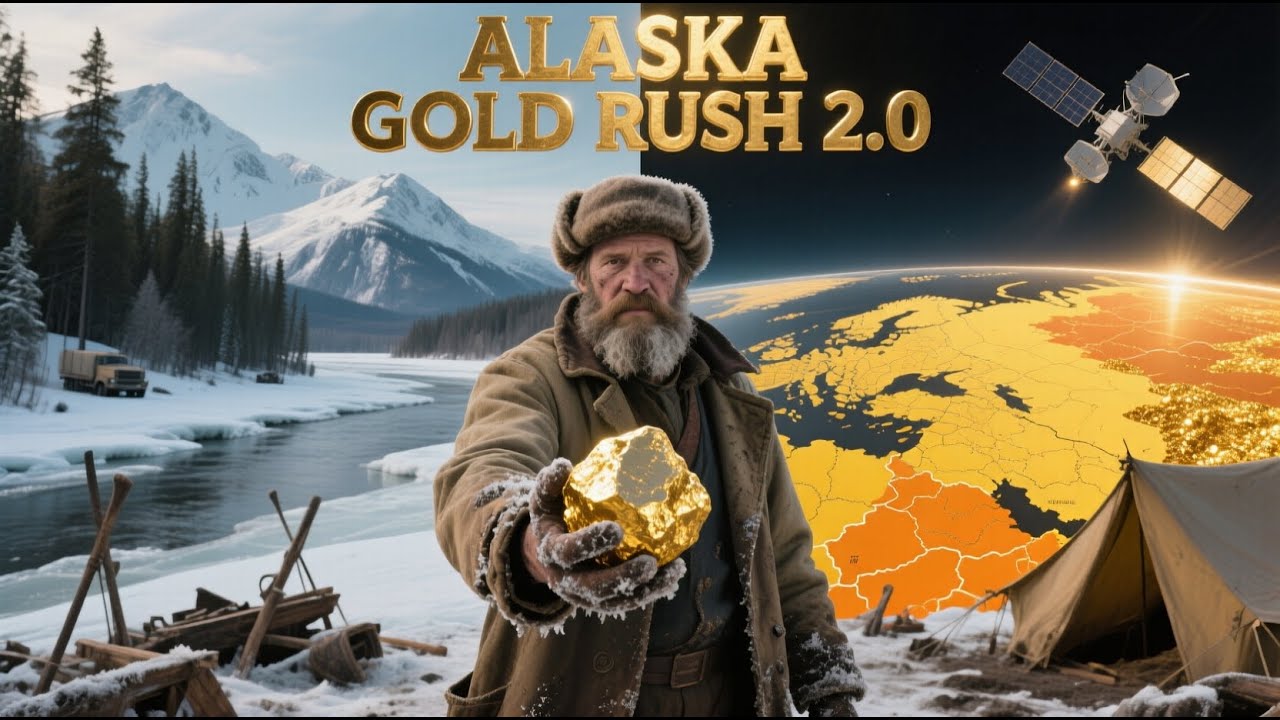
Why Gold Mining Funds Often Shine
- ✓ Gold’s Role in Uncertainty: Gold mining funds, by leveraging underlying gold price trends, offer not only upside during gold rallies but also an effective hedge when currency and equity markets are in flux.
- ⚠ But, Watch Out for…: Gold mining fund performance is partly disconnected from gold price movements due to company risks, operational delays, or unforeseen cost overruns.

Key Considerations for Suitability & Portfolio Construction
A. Correlation, Diversification, & Liquidity Needs
Mining funds, gold mining funds, and ag funds rarely track their underlying commodities perfectly:
- 🌐 Diversification: Correlation with core agricultural or forestry revenue streams is typically low, enhancing portfolio stability.
- 💧 Liquidity: Choose liquid ETF forms if you want the flexibility to rebalance quickly as farming needs change.
- 📉 Sensitivity: Recognize that mining equities can be volatile during commodity downturns—don’t over-allocate if working capital needs are tight.
B. Fees, Tax, and ESG Alignment
- 💼 Management fees and performance fees eat into returns; compare net-of-fee performance against benchmarks.
- 🌱 ESG: Operators with strong environmental or social commitments should emphasize funds disclosing detailed ESG policies and stewardship practices.
- 🏦 Tax: Some mining or gold funds have advantaged structures for capital gains; verify with a tax professional based on your business’s jurisdiction.

C. Time Horizon & Strategic Allocations
- ⏳ Long-Term Focus: Mining and gold mining funds exhibit cyclical returns—target these for longer capital cycles, especially if you can ride out short-term volatility.
- ̣⏰ Short-Term Needs: If working capital in agriculture/forestry is tied to crop or timber sales, keep allocations modest (1–5%).
Visual List: Considerations for Fund Selection
- ✔ Fund Track Record: Review multi-year performance across market cycles.
- ✔ Geographic Spread: Exposure to different regions offsets project-specific risks.
- ✔ Reserve & Life: Funds holding companies with long-lived, low-cost reserves are generally less risky.
- ✔ ESG Disclosure: Choose funds that publish sustainability and community impact reports.
- ✔ Leverage Levels: Excessive corporate debt can amplify downside in downturns.
Implementation: 7 Smart Moves for Investors Combining Mining Funds, Gold Mining Funds, and Ag Funds
- Begin with Modest Allocation—Start by investing 2–5% of your investable assets in a mining or ag fund to gauge volatility and correlation before scaling further.
- Set Clear Objectives—Are you seeking inflation protection, short-term liquidity, or long-term diversification? Define the goal to help select the right fund structure.
- Match Fund Liquidity with Working Capital Cycles—Liquid ETFs suit seasonal farming or forestry cash flows. Private or niche funds with redemption gates may tie up capital longer.
- Evaluate Management Fees and After-Tax Returns—Review each fund’s prospectus for fee breakdowns and consider net-of-fee and after-tax returns.
- Prioritize ESG and Responsible Investment Practices—Screen funds using responsible mining or sustainable agriculture scorecards.
- Integrate with Other Diversifying Tools—Blend mining, gold, and ag funds with real estate, land investments, or commodity futures for broader volatility management.
- Apply Stress Testing—Run scenario analyses (e.g., prolonged low gold prices or droughts in agricultural markets) to understand impacts on overall portfolio value.

Featured Resource: Satellite-Based Mineral Detection
Want to know how geospatial intelligence is transforming mining investment risk and prospect selection? Our satellite based mineral detection platform provides rapid, non-invasive mineral analysis across any region—ideal for fund managers or investors seeking superior project intelligence.
For deep-dive prospectivity mapping, leverage our satellite driven 3D mineral prospectivity mapping for up to 85% faster and more cost-effective site targeting. Reports include high-potential target zones, geological heatmaps, and next-step commercial recommendations.
Farmonaut: Satellite-Based Mineral Intelligence for the Modern Era
Farmonaut is committed to empowering the mining and commodities investment community with cutting-edge satellite analytics, AI-driven remote sensing, and actionable intelligence at a truly global scale. By shifting early-stage mineral exploration from the ground to space, we enable faster, more accurate, and dramatically less invasive mineral discovery.
Our proprietary algorithms analyze multispectral and hyperspectral data, detecting key minerals (including precious metals like gold and silver, base metals, rare earth elements, lithium, uranium, and industrial minerals) and generating comprehensive assessments in a fraction of the time and cost of conventional methods.
- 📈 Reduce exploration timelines from months or years to as little as 5–20 days.
- 🛰 Lower costs by up to 80-85% versus traditional surveys, trenching, and drilling during the early exploration phase.
- 🌍 No ground disturbance—preserving the environment during prospecting.
- 🔎 Global footprint—Projects delivered in Africa, North and South America, Asia, and Australia.
Our Premium and Premium+ mineral intelligence reports offer everything from mineral heatmaps to 3D drilling intelligence for investment, exploration, and operational synergy.

Frequently Asked Questions (FAQ)
Q1: What is the difference between gold mining funds and direct gold investments?
Gold mining funds invest in shares of mining companies, not physical gold itself. The value of these funds is influenced by gold prices and company operational performance, while direct gold investments (like bullion or ETFs) are priced solely on gold’s spot market value.
Q2: Are mining and ag funds suitable for all types of investors?
These funds can offer significant diversification benefits but can be volatile or less liquid. Review your income, risk tolerance, business cycles, and time horizon—consult a licensed advisor before making allocations.
Q3: How do management fees affect returns?
Fees (e.g., 0.5–1.8% per year) are deducted from overall returns. Opt for funds with competitive fees and strong historical performance after all expenses.
Q4: Can ag funds protect against farming revenue shocks?
Yes, ag funds (including those investing in agricultural commodity futures or land) provide diversification that helps buffer the impact of bad seasons, low crop prices, or weather disasters on overall business revenue.
Q5: How does Farmonaut’s platform benefit mining fund due diligence?
Farmonaut delivers rapid, satellite-based mineral intelligence covering target zones, anomalies, and geological risk—enabling funds and investors to evaluate projects with better data, lower risk, and less environmental disruption. See details at satellite based mineral detection or Map Your Mining Site Here.
Conclusion: Smart Synergy for Forward-Looking Portfolios
In today’s volatile global environment, mining funds, gold mining funds, and ag funds provide agricultural, forestry, and natural resource operators with robust tools for managing risk and seizing opportunity. Thoughtfully allocated, these investment vehicles create complementary exposure that softens the blow of sector-specific cycles and infuses portfolios with much-needed inflation risk mitigation.
From understanding fund structures and risk/return dynamics, to utilizing decisive intelligence from satellite-based technology (see our satellite powered mineral detection), every decision should be guided by careful evaluation, stress testing, and alignment with overall business and sustainability goals. As capital moves increasingly into responsible and sustainable investment arenas, the blend of resource funds can deliver not just yield, but environmental and operational resilience.
Whether you’re looking to boost your portfolio’s defense against inflation, buffer farming income, or allocate capital toward responsible mining ventures, let this guide serve as your blueprint for smart, diversified, and sustainable investment.
Map Your Mining Site Here
| Get Quote
| Contact Us
Discussion
Questions, corrections or field experience? Share them below. First-time comments are reviewed before they appear, and your email is never published.
No comments yet. Be the first to add a question or your experience.

 Mulopwe Metals Mining Ltd
 Tintina Mining Group
 Dalgety Minerals Pty Ltd
 Vortex Minerals Pty Ltd
 Faith At Work (Pty) Ltd
 Geotech Mining Solutions plc
 Vulcan International Limited
 Kidepo Associates
 GKY Mining
 Alkimy SARL
 Double A Trading
 GemSprout Metals Limited
 Qader Group
 Ileys General Trading
 SG Gold Mining LLC
 VRV Global Pte Ltd
 Omsri International FZE
 G.I.T.T.
 Jaunita Erss Ltd
 Almosi SARL
 SRK Consulting
 Berks Gold Limited
 Mwerezi Minerals Company Limited
 Exploration consultancy · South Africa · Gold










