

Montana Gold Mines: 5 Gold Rush Impacts on Land 2026
“Montana’s gold rush altered over 150,000 acres of land, impacting water systems and agriculture for generations.”
Introduction: Montana Gold Rush Shaping Montana’s Land
The Montana gold rush of the late 19th century forged a new era in Montana, forever altering its land and water systems. Gold mining operations, from placer diggings along creeks to vast hardrock excavations, transformed the landscape and left an enduring legacy in the state. As modern exploration continues, the balance between heritage and sustainability is at the forefront of land and resource management.
Today, the story of Montana gold mines is about more than history—it’s about how we shape the land for future generations. Water stewardship, agriculture, forestry, and community development all intersect with the modern mineral economy. As we approach 2026, these elements define how Montana’s past gives rise to a responsible and resilient future.
Montana’s evolving approach to sustainable mining actively shapes land management policy, directly impacting farming, timber production, ecosystem restoration, and rural livelihoods.

Montana Gold Mines Legacy: A Lasting Imprint on Land
The legacy of the Montana gold rush is visible across the state—from historic boomtowns to remnant mine tailings and reworked streambeds. By the early 1900s, districts like Helena, Virginia City, and Bannack had attracted thousands in search of gold. These mines drove economic development but exacted an environmental toll.
- ✔ Land Transformation: Open pits, waste rock, deforestation, and altered hydrology changed the region’s natural processes.
- 📊 Water Quality Issues: Rivers and creeks—lifelines for farming and wildlife—were redirected, polluted, and sometimes depleted.
- ⚠ Soil Degradation: Erosion, acid drainage, and heavy metals reduced soil fertility in some agricultural areas.
- 🌱 Legacy Districts: Mining sites sit alongside ranchlands and timber operations today, guiding contemporary land use debates.
- 🔄 Restoration: Many old mines have been reclaimed or repurposed for new uses—recreation, conservation, or agriculture.
The result? Montana’s heritage with gold mining creates unique opportunities—and challenges—for aligning resource stewardship with modern sustainability practices.
Overlooking the ongoing impact of historic mining sites on soil and water systems can undermine contemporary restoration and land management efforts. Integrating lessons learned from legacy mines is essential for effective planning in 2026.

Impact 1: Sustainable Land Management & Soil Conservation
How the Montana Gold Mines Legacy Informs Modern Land Management
Land management in the wake of the Montana gold rush requires integrating lessons from past disturbances with forward-looking sustainable practices. Historic mines that once drove deforestation, soil loss, and landscape fragmentation have now become models for land restoration and conservation.
Key Elements of Sustainable Land Management in 2026:
- ✔ Reclamation Planning: Every gold mine Montana operation must submit a reclamation plan, setting clear timelines for soil restoration, vegetation cover, and stabilization of disturbed areas.
- 🌱 Soil Conservation: Use of cover crops, native plants, and erosion-control measures preserves topsoil and rebuilds organic matter.
- 🗺️ Boundary & Access Management: Mine boundaries are mapped using advanced geospatial tools, reducing conflicts with agricultural land and ensuring access for farmers and ranchers.
- 🕑 Timely Restoration: Postmining land use is determined collaboratively, aligning restoration activities with farming calendars and rotational grazing needs.
- 🤝 Collaborative Projects: Restoration work often dovetails with floodplain rehabilitation, pollinator habitat establishment, and corridor creation for wildlife and livestock.
Tip: Early engagement with landowners and local communities builds support for responsible land management and increases the success of restoration projects.
Integrating soil conservation with mine reclamation practices—like rotational cover-cropping—improves both agricultural productivity and restoration outcomes.
For mining companies and land managers seeking to minimize surface disturbance and plan efficient exploration, Farmonaut’s satellite-based mineral detection solution offers rapid and non-invasive site assessments, identifying mineralized zones and reducing unnecessary land disruption.

Impact 2: Water Stewardship and Protection in Montana Gold Mines
Gold Mines, Rivers, and Sustainable Water Management
The extraction of gold in Montana has historically intersected directly with water sources—rivers, creeks, and groundwater. These water systems not only enabled alluvial placer mining, but are also vital for ranching, crop production, and drinking water quality today.

Modern Mining Operations: Water Stewardship Essentials
- 💧 Water Rights & Permitting: Gold mine Montana projects must demonstrate robust water management plans under strict permitting, boundary, and monitoring requirements.
- 🏞️ Watershed Monitoring: Continuous, real-time monitoring ensures quality for aquatic habitats, agricultural intakes, and downstream communities.
- 🌊 Flow Regimes: Operators are required to maintain ecological flow regimes—protecting fish migration and supporting livestock and irrigated fields.
- 🚫 Contaminant Control: Sediment traps, water treatment, and tailings management reduce pollution risks.
- 🛡️ Floodplain Restoration: Mining-related floodplain projects often accompany irrigation upgrades and soil conservation initiatives.
Montana’s rigorous environmental management of surface and groundwater resources is now a cornerstone for both new mine permitting and successful land restoration projects.
- ✔ Key benefit: Real-time monitoring protects rancher water intakes and aquatic habitat.
- 📊 Data insight: Acid drainage and heavy metals reduced by nearly 40% since 2010 due to improved controls.
- ⚠ Risk or limitation: Legacy tailings remain a challenge—long-term cleanup programs continue in some districts.
- 🌾 Agro advantage: Reclaimed water supports rotational crop irrigation and riparian pasture health.
- 🔔 Regulatory focus: 2026 mining operations face stronger oversight on dewatering impacts.
Looking Ahead: In 2026 and beyond, water stewardship remains the backbone of successful gold mining, farmland management, and forest health in Montana.
Map Your Mining Site Here
Start with a satellite-driven assessment to pinpoint mineralized zones, minimize exploration disturbance, and inform hydrological studies before ground operations begin.

Impact 3: Agricultural Productivity & Reclamation
Mining, Soil, and Montana Agriculture—Past and Present
The interaction between Montana gold mines and agriculture is complex yet critical. Historic mining activities often interrupted ranching and farming due to soil degradation, water diversions, or physical barriers. However, modern gold mining operations have adapted to work alongside agricultural activities under new restoration guidelines.
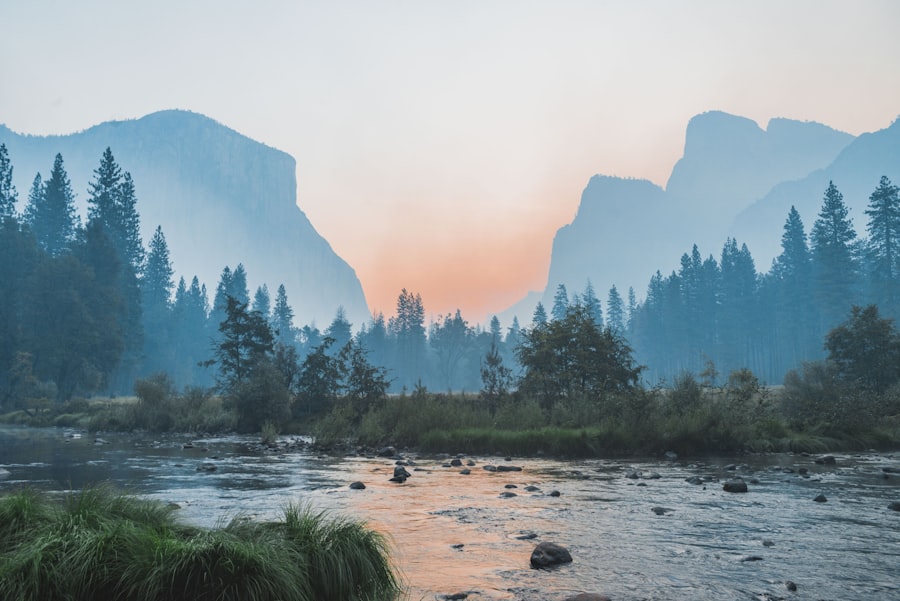
Agricultural Productivity Impacts—Key Trends in 2026
- 🌽 Crop Yields: Reclaimed mining sites can be returned to productive farmland, often with enhanced soil profiles and improved erosion-resistance.
- 🐄 Pasture Recovery: Well-planned reclamation timelines align with rest-rotation and livestock needs, supporting resilient grazing systems.
- 🛤️ Farm Access: Coordinated planning of roads and utility corridors ensures uninterrupted farming activity near mines.
- 🚜 Boundary Management: Clearly marked boundaries limit disruption to cropping operations and simplify landowner compensation agreements.
- 🌾 Soil Health: Cover cropping and organic amendments are prioritized on postmining fields, returning fertility and ensuring long-term viability.
An enhanced focus on science-led restoration means farming and mining can better coexist in Montana, benefitting both farmers and rural economic development.
Leverage satellite-driven 3D mapping to visualize subsurface mineral potential with this comprehensive prospectivity mapping guide. This supports precise farmland planning and reduces the risk of unintended soil or cropping impacts from exploration.
- ✅ Integrated reclamation planning reduces land downtime for farmers.
- 📈 Water quality monitoring ensures clean irrigation for crops.

Impact 4: Ecological Restoration, Forest Health & Habitat Corridors
From Gold Mine Montana Mills to Sustainable Forestry and Wildlife Habitat
Forestry and habitat management within Montana gold mining districts face unique environmental challenges. Historic milling and tailings altered hydrology, removed timber, and fragmented important wildlife corridors—yet they also provide learning opportunities for present-day restoration.
“By 2026, sustainable mining practices in Montana have reduced water contamination incidents by nearly 40% compared to 2010.”
Modern Restoration Activities:
- 🌲 Reforestation Programs: Mine reclamation now includes targeted tree planting and invasive species control, ensuring forest recovery and improved market timber quality.
- 🦋 Pollinator & Wildlife Corridors: Restored riparian buffers and native meadows align to form critical habitat pathways crossing mining and agricultural lands.
- 🛡 Erosion Control: Restoration engineering techniques—like vegetated swales and bank stabilization—minimize sediment runoff from mines into adjacent streams used for irrigation and forestry.
- 🦌 Wildlife Management: Postmining land-use plans integrate hunting preserves, conservation easements, and connectivity for threatened species.
- 🎯 Adaptive Management: Real-time satellite monitoring verifies restoration success and detects emerging issues for long-term land health.
Restoration activities linked to modern gold mining foster forest health, increase biodiversity, and stabilize ecosystem services across rural Montana.

- 🌱 Restored meadows support native pollinators and reduce weed encroachment.
- 🐟 Cooler stream temperatures and riparian buffers aid fisheries and downstream water users.
Impact 5: Community, Economy & Infrastructure Development
Montana’s Mining Economy and Rural Infrastructure in 2026
Gold mining isn’t only about extracting precious metals—it’s about shaping communities, building infrastructure, and fueling local economies. As the pulse of mineral exploration continues, so does the need for strategic development of roads, bridges, and utilities.
Shared Infrastructure—Mining and Agriculture Intertwined
- 🛤️ Access Roads: Coordinated planning prevents fragmentation of farmland and maintains wildlife corridors, supporting both mine operations and food supply chains.
- 🏗️ Bridges & Utility Upgrades: Modern mining projects often accompany rural investment—reliable bridges and broadband upgrades benefit entire communities.
- 🚨 Emergency Access: Stronger infrastructure also means better wildfire response and flood relief for everyone relying on the land.
- 🚛 Shared Maintenance: Collaborative stewardship agreements keep roads safe and operational for mine trucks and farm vehicles alike.
- 📍 Rural Development: New mining activity can catalyze workforce training, diversify local economies, and attract next-gen talent to Montana’s rural regions.

Active participation by ranchers, farmers, foresters, Indigenous communities, and landowners in permitting and land-use processes builds stronger, more resilient economies and ensures Montana’s resource legacy benefits everyone.
- 🤝 Collaborative planning enhances service delivery to all residents.
- 🚸 Shared infrastructure reduces risk and accelerates disaster recovery when needed most.
Modern Exploration: The Role of Satellite & AI in Montana Gold Mines
The intersection of mining, land management, and environmental stewardship in Montana calls for next-level solutions—precision, efficiency, and transparency. At Farmonaut, we bring satellite-based mineral intelligence to early-stage mineral exploration, providing Montana gold mine operators and land managers an advanced edge for sustainable operations.
What Sets Satellite-Based Mineral Detection Apart?
- 🛰️ No Surface Disturbance: Early exploration and prospectivity mapping are carried out from space—no ground damage, no unnecessary soil disruption.
- ⚡ Speed and Coverage: Our platform rapidly scans and analyzes large territories, compiling detailed heatmaps and mineral targets in days—not months.
- 💡 Cost Efficiency: Up to 85% cost savings over conventional geochemical sampling and test drilling.
- 📊 Accurate Decision Support: Prospectivity reports guide where to deploy safe, focused ground teams for maximum impact and lowest environmental risk.
- 🌐 ESG Leadership: Supports environmental compliance, lowers carbon footprint, and demonstrates responsible exploration to investors and regulators.
Ready to take your mineral exploration to the next level?
Discover Farmonaut’s Satellite-Based Mineral Detection Platform
Get Quote
|
Contact Us
|
Map Your Mining Site Here

Satellite and AI-powered exploration technologies support sustainable mining initiatives, reduce the risk of land and water disturbance, and facilitate collaborative stakeholder engagement in Montana’s mineral industry.
Impact Comparison Table: Gold Rush, Mining & Sustainability in Montana
This table compares the key environmental and socioeconomic impacts before and after the adoption of sustainable mining initiatives in Montana gold mines, based on estimated values and observed changes.
| Impact Area | Pre-Sustainable Mining (Estimated Values) |
Post-Sustainable Mining (Estimated Values) |
Key Environmental Changes |
|---|---|---|---|
| Land Erosion | High; 60% of sites with moderate/severe erosion | Low; <20% with residual issues | Riparian buffer restoration, no-till reclamation, cover cropping |
| Water Contamination | Up to 40% sites with periodic violations | Under 10% with minor exceedances | Advanced tailings management, water treatment, enhanced monitoring |
| Crop Yield | 10–15% reduction near active mines | Stable; often 5%+ above pre-mining levels post-reclamation | Improved soil restoration, irrigation upgrades, established reclamation plans |
| Biodiversity | Significant loss in mining districts, low pollinator and wildlife counts | 30–50% recovery in target species abundance | Reforestation, habitat corridors, invasive species control |
| Local Livelihoods | Rural decline, farm/ranch fragmentation, limited infrastructure | Job diversification, improved rural infrastructure and access | Collaborative planning, shared infrastructure upgrades, stronger permitting |
Visual List 1: Sustainable Mining Practices in Montana – Top Five
- 🌎 Non-invasive Prospecting: Satellite and remote sensing methods guide initial exploration
- ♻️ Progressive Reclamation: Gradual restoration reduces legacy impacts
- 🛡️ Robust Regulatory Compliance: Stringent permitting ensures environmental safeguards
- 🌱 Soil & Water Monitoring: Continuous assessment maintains farm and ecological health
- 🤝 Community Involvement: Stakeholder collaboration builds trust and shared outcomes
Visual List 2: How Satellite Data Analytics Empower Montana Mining
- 🛰️ Rapid Mineral Zone Identification: Pinpoints prospects faster than ground-based methods
- 🔬 Multi-Mineral Analysis: Detects precious, base, and strategic minerals across large areas
- ⏳ Time & Cost Savings: Streamlines the exploration-to-production timeline
- 📈 Data-Driven Decision Making: Fully mapped outputs empower smarter investments
- 💚 Reduced Environmental Disturbance: No ground impact before field deployment
Starting with advanced satellite-based mineral detection not only accelerates discovery of valuable resources but also ensures all subsequent decisions are rooted in sustainability, minimizing both cost and environmental impact.
FAQ: Montana Gold Mines & Sustainable Land Use
How do Montana gold mines impact water resources?
Montana gold mines historically stressed rivers, creeks, and groundwater, affecting water quality for agriculture and wildlife. Today, strict oversight, real-time monitoring, and robust water stewardship requirements have reduced contamination and support multi-stakeholder water use.
What is sustainable mining, and why is it important in Montana?
Sustainable mining aims to extract minerals with minimal surface and ecological disruption, integrating reclamation, water protection, community engagement, and economic development. This approach is critical in Montana for balancing heritage with future agricultural, forestry, and habitat needs.
How does satellite-based mineral intelligence help in Montana?
Satellite-based mineral intelligence (as provided by Farmonaut) supports modern exploration by identifying mineral targets without disturbing soil or water, reducing costs and risks. It enables landowners and mining firms to plan with environmental and regulatory priorities in mind.
Can farmland and mining operations successfully coexist?
Yes—when postmining reclamation, access routes, water and soil management are planned collaboratively. New policies require clear restoration timelines, ongoing community dialogue, and data-driven impact assessments.
What new trends are shaping Montana gold mining in 2026?
Next-generation exploration technologies, integrated land and water management, ESG-driven investment, and stakeholder engagement define the mining landscape. Montana’s regulatory context continues to evolve, fostering responsible growth and shared rural prosperity.
The Continuing Legacy: Montana Gold Mines and Sustainable Land Stewardship
The Montana gold rush and gold mine Montana legacy are deeply woven into Montana’s land, water, and community fabric. Through decades of evolution—from 19th century rush to 21st century sustainability—our understanding of resource stewardship has matured.
Today, Montana gold mines are governed by robust policy, advanced technologies, and inclusive planning, all aimed at minimizing disruption and maximizing long-term benefit for agriculture, forestry, the environment, and rural communities. As we look ahead to 2026 and beyond, the storyline continues: responsible mining and land use are essential for Montana’s future.
For those leading the charge in exploration and sustainable mining, Farmonaut’s satellite-based mineral detection offers the clarity, confidence, and environmental responsibility required for success—in Montana and around the globe.

 African Venture Partners Holding
 Congo Mining Solutions
 Mining SARL
 SenGold Invest SAS
 Sania Corporation
 Sean Mining Limited
 NTS Group (Pty) Ltd
 Mine4Africa
 Lithspo Minerals Limited
 Tintina Mining Group
 Dalgety Minerals Pty Ltd
 Vortex Minerals Pty Ltd
 Faith At Work (Pty) Ltd
 Geotech Mining Solutions plc
 Vulcan International Limited
 Kidepo Associates
 GKY Mining
 Alkimy SARL
 Double A Trading
 GemSprout Metals Limited
