

Most Expensive Mining Equipment & Metals: 2024 Ranking
In the world of mining, where operational risk, technology, and capital converge, the economics of the most expensive mining equipment machines industry and rare earth metals shape much more than project budgets—they define entire strategies. Today’s modern extraction and processing landscape relies on ultra-class machinery, advanced data intelligence, and the ability to navigate volatile rare earth minerals prices and shifting project risk profiles. As mining, forestry, and resource sectors evolve in 2024, understanding the true drivers behind equipment and metal costs is critical for project feasibility, environmental compliance, and long-term profitability.

The Most Expensive Mining Equipment Machines Industry
The most expensive mining equipment machines industry is a relentless race dictated by payload, horsepower, precision, and automation. Gold, copper, and rare earths entail extraction challenges that require specialized machinery, designed for relentless throughput even in deep, harsh, or remote environments.
From haul trucks with cavernous payloads to advanced continuous miners underground, these machines command higher price tags not only due to their sheer size, but also incorporating critical features:
- Ultra-Class Haul Trucks: The likes of the BelAZ 75710 and Caterpillar 797F dominate open-pit mines with payloads exceeding 400 metric tons and purchase costs in the **multi-million** dollar range
- Draglines & Electric Shovels: Immense machines for moving overburden and ore, with draglines like the Bucyrus-Erie 2570WS costing up to $100 million
- Longwall Mining Systems: Integrated systems used in underground coal (and some metallic) mines, featuring advanced automation, telemetry, and enhanced safety for miners
- Drilling Rigs & Exploration Fleets: Essential for both surface and underground projects, including ultra-precision diamond core drills and autonomous reverse-circulation (RC) rigs
- Crushing & Grinding Complexes: Massive, multi-stage processing systems for reducing ore to recoverable grade, representing significant upfront capital investment
Key Features Driving Mining Equipment Costs
- ✔ Payload & Throughput: Bigger machines move more, faster
- ✔ Automation & Remote Control: Advanced controls reduce human exposure and increase uptime
- ✔ Ruggedization: Designed to operate reliably in corrosive, dusty, and temperature-extreme environments
- ✔ Telemetry & Predictive Maintenance: Real-time analytics for efficiency and performance monitoring
- ✔ Environmental Compliance: Lower emissions, improved fuel efficiency, containment of leaks/spills

Comparative Ranking Table: Most Expensive Mining Equipment & Metals 2024
| Most Expensive Mining Equipment Machines (2024) | ||||
|---|---|---|---|---|
| Equipment Name | Category | Estimated Cost (USD) | Leading Manufacturer | Primary Use |
| BelAZ 75710 | Haul Truck | $6,000,000+ | BelAZ | Open-pit haulage (coal, copper, iron ore) |
| Caterpillar 797F | Haul Truck | $5,000,000 | Caterpillar | Open-pit haulage |
| Bucyrus-Erie 2570WS | Dragline | $100,000,000 | Caterpillar (Bucyrus) | Overburden removal, large mines |
| Komatsu P&H 4100XPC | Electric Shovel | $25,000,000+ | Komatsu | Bulk mining, ore loading |
| Sandvik MB670-1 | Bolter Miner | $1,800,000 | Sandvik | Underground coal extraction |
| Epiroc SmartROC D65 | Drill Rig | $900,000 | Epiroc | Bench & production drilling |
| Metso Outotec Superior™ MKIII | Crushing Complex | $20,000,000+ | Metso Outotec | Primary ore crushing |
| John Deere 959MH | Harvester (Forestry) | $1,100,000 | John Deere | Timber harvesting |
| Most Expensive Metals and Minerals (2024) | ||||
| Metal/Element Name | Estimated Price per Ton (USD) | Major Producing Country | Key Industrial Applications | |
| Rhodium | $430,000 | South Africa | Catalytic converters, electronics | |
| Platinum | $31,000 | South Africa, Russia | Jewelry, hydrogen fuel cells | |
| Palladium | $47,000 | Russia, South Africa, US | Electronics, automotive | |
| Neodymium (Rare Earth) | $100,000 | China, US, Australia | Magnets (EVs, wind turbines) | |
| Gold | $68,000 | China, Australia, US | Investment, electronics | |
| Lithium | $27,000 | Australia, Chile, China | Batteries, electronics | |
| Copper | $8,400 | Chile, Peru, US | Wiring, electronics | |
| Tantalum (Strategic Metal) | $214,000 | DRC, Australia, Brazil | Capacitors, aerospace | |

Visual List: Top Mining Equipment That Command the Highest Price Tags
- 🚚 BelAZ 75710 Ultra-Class Truck — $6M+ — for bulk haulage in open-pit mines
- ⛏️ Bucyrus-Erie 2570WS Dragline — $100M — for overburden removal
- 🏗️ Komatsu P&H 4100XPC Electric Shovel — $25M — for ore/coal loading
- 🛠️ Metso Outotec Crushing Complexes — $20M+ — for initial ore size reduction
- 🌲 John Deere 959MH Harvester — $1.1M — for high-volume forestry/biomass
Rare Earth Minerals: Price Dynamics and Critical Applications
The second driver in the modern mining landscape is the race for rare earth minerals — a suite of 17 elements with outsized impact on electronics, renewables, defense, and emerging technologies. The most expensive rare earth minerals prices are set by supply constraints, extraction complexity, and purity requirements, as well as intense downstream demand for critical applications.
In 2024, Neodymium, Dysprosium, and Terbium are standout examples of rare earths with prices reflecting not only extraction cost but also the strategic value they confer in magnets and high-tech alloys.
Key factors impacting rare earth markets:
- 📊 Processing Complexity: Separation and refining to 99.9%+ purity standards can be costlier than mining itself
- 📊 Supply Chain Concentration: China dominates upstream (extraction) and downstream (refining), while the US, Canada, and Australia are ramping up projects
- ⚠ Environmental Management: Radioactive tailings, acid leaching, and waste management drive stringent regulatory controls
- ⚠ Price Volatility: Geopolitics, trade policy, and demand from battery/EV manufacturers can send prices surging overnight
- 📊 Applications: Magnets, EV motors, wind turbines, smartphones, defense electronics, and aerospace

Visual List: Premium Rare Earths by Value & Application
- 🌌 Neodymium (Nd) — $100,000/ton, essential for EV magnet motors
- ☀️ Dysprosium (Dy) — $315,000/ton, for heat-resistant magnets in wind turbines
- 🔬 Terbium (Tb) — $515,000/ton, used in lasers, solid-state devices
- ⚡ Yttrium (Y) — $28,000/ton, for superconductors & LEDs
- 💡 Lanthanum (La) — $12,000/ton, in battery electrodes and catalysts

Bullet Points: How Rare Earths Shape Project Risk Economics
- ✔ Supply Disruption Risks: Concentrated production makes procurement vulnerable to political shifts
- ✔ ESG Compliance: Sophisticated, low-impact exploration methods (e.g., satellite-driven) are often required for permitting
- ✔ Price Premiums: Even minor increases in ore grade or purity can elevate project NPV
- ✔ Lifecycle Cost Impact: Processing upgrades or waste remediation may account for 30–50% of total CAPEX/OPEX
- ✔ Market Dynamics: Downstream applications in clean energy, electronics, and defense intensify global demand and price competition

The Most Expensive Metals Mined in US Ranking & Global Trends
The most expensive metals mined in US ranking and worldwide is shaped by a portfolio of elements that go beyond just gold or platinum—the list incorporates precious, strategic, and even rare earth metals vital to technology and manufacturing.
Industry economics hinge on three pillars:
- Ore Grade & Recoverability: Higher concentration deposits lower unit extraction cost and improve project feasibility
- Processing Complexity: Sophisticated metallurgy—smelting, hydrometallurgy, and flotation—elevates both CAPEX/OPEX
- Market Stability: Volatile demand or price spikes, as seen in lithium, tantalum, or rhodium, can shape entire mining project lifecycles
Five Standout Metals by Value (2024):
- 🏅 Gold — Maintains a position as universal store of value, inflation hedge, and critical in electronics
- 🔶 Palladium — Surged due to automotive demand (catalytic converters)
- ⚡ Neodymium — Rises in price and strategic importance due to electrification
- 🟣 Lithium — Demand for EVs, grid storage, and smart devices propels price volatility
- 🌍 Tantalum & Rhodium — Used in high-tech, aerospace, and advanced electronics
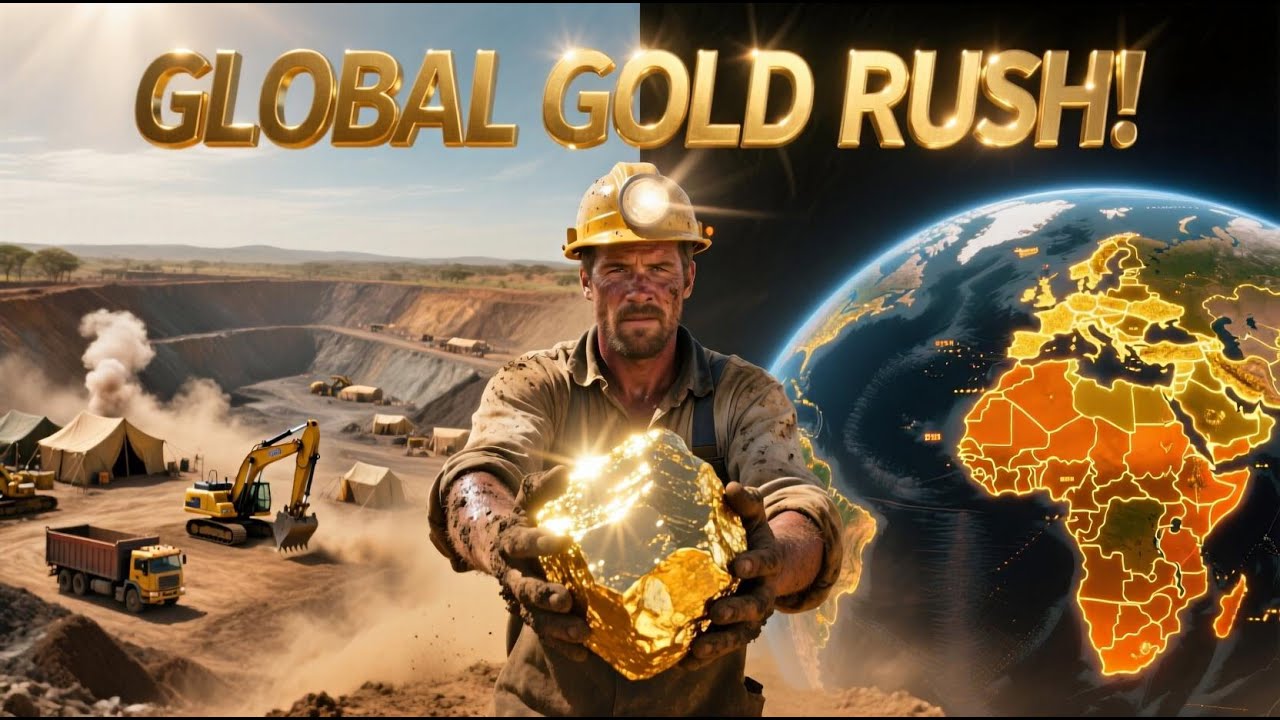
Bullet Points: Most Expensive Metals Mined in US – Market Signals
- ✔ Tightened ESG Regulation — High-value metals projects face stricter compliance and reclamation rules
- ✔ Exploration Leverage — Higher ore grades or discovery of ‘critical minerals’ attract premium financing terms
- ✔ Downstream Price Sensitivity — Electronics/EV sectors can “make or break” demand cycles
- ✔ Strategic Reserves — Governments now stockpile select metals (e.g., lithium, rare earths)
- ✔ Global Supplier Diversification — Companies seek multiple sources to avoid single-point-of-failure risks

Understanding Modern Extraction Economics & Project Risks
Project risk in the mining industry is shaped by more than just commodity price swings. The economics of most expensive mining equipment machines, rare earth minerals prices, and the most expensive metals mined in US ranking interconnect through:
- Upfront Capital: Haul trucks, draglines, and processing systems require not only a large purchase but costly transport, assembly, and often bespoke site preparation
- Operational Intensity: Extended service intervals and automated controls increase uptime and reduce human exposure—essential for meeting modern safety standards
- Environmental Compliance: Stringent management of tailings, leakage, emissions, and habitat impact is not merely an additional cost, but defines project feasibility
- Refining & Processing: The difference between concentrate and 99.999% pure metal can spell the difference between profit and loss, especially in rare earths
- Lifecycle Cost: Including long-term maintenance, procurement of critical spares, and eventual decommissioning
Satellite Mineral Intelligence: The Farmonaut Solution
The future of cost-effective, responsible exploration in the most expensive mining equipment machines industry is not only in bigger machines but smarter decision support systems. At Farmonaut, we deliver satellite-based mineral detection and advanced geospatial intelligence for companies seeking to explore, validate, and invest in major deposits—whether focused on precious metals, rare earths, or strategic industrial minerals.
- ✔ Speed: Our platform reduces exploration cycles from years to days—assessing vast areas at a fraction of traditional cost
- ✔ Sustainability: No environmental disturbance in early-stage exploration; aligns with global ESG mandates
- ✔ Accuracy: Advanced AI and data processing pinpoint mineralized targets, host rock features, and geological controls—minimizing wasted drilling
- ✔ Global Adaptability: Proven across continents, climates, and mineral systems—from gold in Africa, lithium in Asia, to rare earths in the US
- ✔ Report Integration: Our Premium mineral intelligence reports include satellite maps, 3D subsurface models, and written findings—ready for field teams and boardrooms alike
Want to accelerate project due diligence or optimize your next exploration? Learn more about our satellite based mineral detection service.
Special Highlight: Map Your Mining Site Here — Upload coordinates or polygons, select minerals, and receive your site assessment within days.
For quotes and custom requirements:
Get Quote or Contact Us.
Equipment Economics in Forestry and Associated Industries
Although mining’s capital intensity is unique, modern forestry and biomass infrastructure also reflect similar project economics—where the purchase of sophisticated harvesters, forwarders, and processing heads rivals some mining machines in cost and risk. Leading platforms by Komatsu, John Deere, and Ponsse emphasize uptime, fuel efficiency, and automation, justifying high price tags with extended lifecycle value.
- 🌲 Harvesters: $400,000 to $1,200,000 for fully-equipped, automated timber machines
- 🌲 Forwarders: Specialized for material transport, often equipped with advanced telemetry
- 🌲 Processing Heads: Interchangeable, precision-controlled add-ons for multi-product versatility
In associated resource projects (peat, biomass, and even carbon projects), remote sensing and fleet management mirror modern mining strategies, striving for operational safety, reduced human exposure, and compliance with stringent environmental standards.
Strategies for High-Cost Mining Projects & Risk Mitigation
Key Points for Project Development Teams
- ✔ Modular Systems: Enable capacity adjustment if ore grade or market shifts; minimize stranded capital risk
- ✔ Standardized Equipment Platforms: Simplifies spares, training, and maintenance—critical for sites in remote or challenging locations
- ✔ Advanced Monitoring & Telemetry: Predictive analytics extend equipment life and preempt costly breakdowns
- ✔ Supplier Diversification: Reduces vulnerability to parts shortages and improves uptime
- ✔ Integrated Environmental Planning: Early investment in compliance and remediation avoids future shutdowns or non-conformance penalties
In high-value ore bodies, premium is placed on risk-mitigation strategies that secure performance, capital protection, and throughput consistency across the project lifecycle.
For companies at the cutting edge of exploration economics, satellite-driven analytics and 3D mapping represent a critical evolution:
See our 3D Mineral Prospectivity Mapping in action for operationally non-intrusive targeting.
FAQ: Most Expensive Mining Equipment & Metals
- What is the single most expensive mining machine ever built?
- The Bucyrus-Erie 2570WS dragline holds world records at up to $100 million. However, the BelAZ 75710 ultra-class haul truck, at $6 million, dominates for single-item fleet purchases across multiple mines.
- How do rare earth minerals prices impact total mining project cost?
- Rare earths involve expensive refining, environmental monitoring, and residue handling, meaning that project economics must account for processing, not just extraction. Supply chain volatility can reprice an entire mine’s value overnight.
- Which metals mined in the US achieve the highest value per ton?
- Gold, palladium, platinum, lithium, and select rare earths (notably neodymium) regularly command the highest spot prices in the US, especially when processed to high purity.
- How does satellite mineral intelligence reduce risk?
- Satellite-based mapping enables rapid, non-intrusive evaluation of mineralized zones before major capital is committed to drilling, thus reducing sunk cost, operational risk, and environmental impact.
- Where can I test or map my mining site with satellite data?
- Visit mining.farmonaut.com to map your site online. Simply submit your area and mineral target, and receive a complete mineral intelligence report within days.
Conclusion
The extraction, processing, and supply of the world’s most expensive mining equipment machines and metals is ultimately about more than cost—it’s about risk, performance, and long-term resilience in a resource-constrained world. Mining and related industries depend on ultra-class machines, rare earth minerals with premium prices, and sophisticated project management. Advanced remote sensing, notably provided by us at Farmonaut, offers a proven way to de-risk mineral discovery and maximize the sustainability and competitiveness of your mining or resource project.
The next decade will belong to those who balance up-front capital intensity with accelerated, environmentally responsible discovery and procurement cycles. If you are looking to map your next mining project, analyze market risks, or unlock new deposit value, Map Your Mining Site Here.
For tailored intelligence, cost analysis, or project planning, reach out directly for a quote or contact us.
Stay ahead in the most expensive mining equipment machines industry, manage rare earth minerals prices, and top the most expensive metals mined in US ranking with strategy—powered by knowledge, precision, and innovation.

 Geoticgy
 GemSprout Metals Limited
 Qader Group
 Ileys General Trading
 SG Gold Mining LLC
 VRV Global Pte Ltd
 Omsri International FZE
 G.I.T.T.
 Jaunita Erss Ltd
 Almosi SARL
 SRK Consulting
 Berks Gold Limited
 Mwerezi Minerals Company Limited
 Mining SARL
 SenGold Invest SAS
 Sean Mining Limited
 NTS Group (Pty) Ltd
 Mine4Africa
 Lithspo Minerals Limited
