

Oil and Gas Industry: 7 Powerful Sustainability Trends 2026
“By 2026, 85% of oil and gas companies will adopt water recycling to reduce environmental impact.”
- Introduction: Oil and Gas at a Sustainability Crossroads
- 7 Powerful Sustainability Trends Shaping 2026
- Sustainability Trends Impact Table
- Land Use and Environmental Stewardship in the Oil and Gas Industry
- Water Management: Securing Agriculture and Energy Futures
- Emissions, Air Quality, and Soil Health: The Integrated Approach
- Resilient Infrastructure and Shared Supply Chains
- Economic Impact & Community Dynamics: Building Sustainable Value
- Innovation, Technology Transfer, and Farmonaut’s Role
- Frequently Asked Questions (FAQ)
- Conclusion: Toward Sustainable Coexistence
Introduction: Oil and Gas at a Sustainability Crossroads
The oil and gas industry, long seen as a cornerstone of global energy supply, now finds itself at a pivotal crossroads in 2025 and beyond. Oil gas industry operations intersect with agriculture, forestry, mining, minerals, gemstones, infrastructure, and even defense—impacting land, water, and socio-economic dynamics across sectors.
Environmental stewardship, resilience, and the security of supply are no longer optional; they are essential for the sustainability of both the sector and the planet. This article centers on how oil and gas industry activities influence landscapes, environmental management, and agricultural productivity, while exploring 7 powerful sustainability trends set to reshape the sector as we approach 2026.
By integrating new sustainability practices, the oil and gas industry can reduce disruption to agricultural and forestry systems, help restore habitats, and drive long-term environmental security.
7 Powerful Sustainability Trends Shaping 2026 in the Oil and Gas Industry
The following sustainability trends have emerged at the intersection of oil, gas, agriculture, forestry, mining, and infrastructure. They are driving transformative changes in how the oil and gas industry manages resources, minimizes environmental impact, and supports resilience across sectors:
- Integrated Land-Use and Environmental Planning: Multi-sector environmental impact assessments and collaborative planning for shared resource landscapes.
- Advanced Water Management and Recycling: Efficient water sourcing, brine management, and innovative reuse across operations.
- Low-Emission Technologies and Methane Management: Reducing emissions through electrification and advanced leak detection.
- Intelligent Infrastructure Development: Co-located corridors and resiliency improvements benefiting energy and agricultural supply chains.
- Community-Centric Economic Development: Policies and incentives that ensure resource benefits are shared locally and sustainably.
- Digital & Remote Sensing Technologies: Adoption of satellite, AI, and autonomous monitoring to minimize footprint and enhance environmental management.
- Progressive Reclamation and Biodiversity Restoration: Post-operation efforts to restore soils, habitats, and land productivity.
- 🌱 Integrated Planning
- 💧 Water Recycling
- 🔎 Methane Detection
- 🚚 Smart Infrastructure
- 🤝 Community Engagement
- 🛰 Satellite Monitoring
- 🦋 Biodiversity Restoration

Sustainability Trends Impact Table
| Trend Name | Description | Estimated Adoption Rate by 2026 (%) | Expected Impact on Water Resources | Expected Impact on Land Use | Expected Impact on Agriculture | Environmental Resilience Score (1-10) |
|---|---|---|---|---|---|---|
| Integrated Land-Use & Environmental Planning | Collaboration across sectors for land use, reduced cumulative impact, and biodiversity protection. | 76 | Moderate: Supports watershed integrity, prevents excessive use. | High: Reduces land footprint & fragmentation. | High: Maintains soil and ecosystem services for agriculture. | 8 |
| Advanced Water Management & Recycling | Closed-loop systems, recycling, surface and groundwater protection. | 85 | Very High: Reduces water withdrawal, enhances quality. | Moderate: Limits new land disturbance for impoundments. | High: Lowers risk to crop & livestock water supplies. | 9 |
| Low-Emission Technologies & Methane Management | Flaring/venting minimization, electrification, leak detection. | 67 | Moderate: Reduces risk of contamination in runoff. | Low: Indirect benefit via reduced air deposition. | Moderate: Better air quality near farms & forests. | 7 |
| Intelligent Infrastructure Development | Shared multi-use corridors, climate resilience. | 72 | Moderate: Fewer surface crossings over water. | High: Reduces fragmentation/duplication in land use. | High: Less disruption to agricultural logistics. | 8 |
| Community-Centric Economic Development | Local revenue sharing, workforce training, impact mitigation. | 60 | Low: Indirect, less water conflict due to better planning. | Moderate: Ensures land is productively used post-operations. | High: Investment in rural infrastructure supports farming. | 7 |
| Digital & Remote Sensing Technologies | Satellites, AI, drones, and autonomous monitoring for resource oversight. | 79 | High: Water monitoring detects leakage or contamination fast. | High: Minimizes disturbance during exploration. | High: Early threat alerts for agriculture and forestry. | 9 |
| Progressive Reclamation & Biodiversity Restoration | Rehabilitation of land, restoration of soil and native habitats. | 69 | Moderate: Restores catchments and aquifers long-term. | Very High: Restores land for diverse post-use applications. | Very High: Returns value to ag and wild systems. | 9 |
- ✔ Restored Ecosystems
- ♻ Reduced Water Footprint
- 🌾 Boosted Rural Livelihoods
- 🚨 Faster Leak Detection
- 💹 Improved Supply Stability
ESG-aligned oil and gas projects not only reduce risk but now attract deeper pools of capital and longer-term stakeholder support.
Land Use and Environmental Stewardship in the Oil and Gas Industry
The expansion of oil and gas industry infrastructure—wells, pipelines, gas plants, and access roads—reshapes the landscapes on which agriculture, forestry, and mining rely. This surface disturbance can directly affect soil health, fragment habitats, and impact rural livelihoods that depend on resilient, productive land.
Modern projects increasingly adopt integrated land-use planning and best practices. Strategic environmental impact assessments are now standard, not only to comply with regulations but to minimize disruption around farming, forested, and mining sites. These efforts restore soils, support habitats, and enable the reestablishment of productive uses after operations cease or move to decommissioning.
For the mining and gemstones sector, cross-sector stewardship is essential to achieve shared conservation objectives and reduce cumulative environmental degradation.
- 🌍 Integrated assessments optimize land for both energy and agriculture.
- 🌲 Biodiversity mapping pinpoints sensitive habitats before construction.
- 🛤 Shared infrastructure corridors reduce fragmentation.
- 🔄 Rehabilitation standards restore land after project lifecycle ends.
- ⚖ Balanced governance ensures local voices are included in land use.
Early engagement with rural communities and agricultural stakeholders during land-use planning phases leads to less conflict and more sustainable, productive outcomes.

Overlooking cumulative impacts from multiple sector projects (oil, gas, mining, agriculture) can accelerate soil and habitat degradation. Always assess overlays and synergies!
Discover how
satellite based mineral detection
enables rapid, environmentally non-invasive identification of valuable mineral deposits—minimizing land disturbance and supporting integrated land stewardship.
Water Management: Securing Agriculture and Energy Futures
Water is a critical, shared resource linking the oil and gas industry to surrounding farms, forests, and communities. Oil and gas extraction can consume, recycle, or sometimes contaminate supplies essential for irrigation and human consumption. By 2026, most major companies are expected to employ advanced, closed-loop water treatment systems, brine recycling, and groundwater protection measures.
Efficient water management not only reduces risks for oil and gas operations but strengthens agricultural productivity and aquifer health across regions. Strategic partnerships with farmers and rural communities help enable sustainable sourcing strategies and managed aquifer recharge for long-term security.
- 💧 Closed-loop recycling systems minimize fresh water withdrawal.
- 🛡 Advanced leak detection prevents contamination of critical irrigation sources.
- 🌊 Brine management solutions reduce surface discharge and ecosystem harm.
- 🚜 Farmer partnerships align water security for both sectors.
- 🌐 Real-time water monitoring ensures rapid response to risks.
With
satellite driven 3D mineral prospectivity mapping
, companies can pinpoint groundwater-safe development corridors and avoid aquifer disruptions, protecting agricultural supply for decades to come.
Water recycling in oil and gas regions lessens competition for irrigation—even during drought—keeping farming resilient.

Emissions, Air Quality, and Soil Health: The Integrated Approach
Oil and gas industry emissions—whether from flaring, venting, or heavy machinery—directly shape air quality in nearby agricultural and forested areas. Atmospheric deposition of pollutants can hinder crop yields, affect forest ecosystems, and threaten soil health across rural landscapes.
The sector’s rapid shift toward low-emission technologies, methane leak detection systems, and the electrification of field equipment is reducing these impacts considerably. Soil monitoring and hydrocarbon assessment are increasingly part of integrated operations, especially where oil and gas sites neighbor agricultural lands and mining projects.

Methane leak detection not only cuts greenhouse gas emissions but can reduce soil and water contamination risks for crops, forests, and rural communities.
- 🌬️ Less flaring/venting = lower deposition on sensitive soils.
- 🛢️ Real-time emissions monitoring keeps air standards in check for farms and forests.
- 🔬 Soil health analytics in adjacent lands protect long-term productivity.
“Sustainable land management in oil and gas is projected to increase by 40% by 2025, boosting agricultural resilience.”
Resilient Infrastructure and Shared Supply Chains in Oil and Gas
Oil and gas infrastructure—including roads, pipelines, and transmission lines—often overlaps with rural supply systems for agriculture, timber, and minerals. Infrastructure disruption from floods, drought, or geopolitical shocks can ripple across food, energy, and commodity supply chains.
Co-located or shared corridors for oil, water, and minerals increasingly optimize land use, reduce ecological footprint, and lower overall capital expenditure. These approaches build resilience into interconnected supply networks, protecting both commodity flows and community welfare.
- 🚜 Multi-use corridors integrate pipelines with agricultural and mining transport links.
- 💪 Climate-resilient designs withstand severe weather, protecting both crops and crude.
- 🏗️ Smart infrastructure planning prevents redundant land disruption.
- 👨🌾 Rural accessibility enhances local economies and community security.

Map Your Mining Site Here
Explore non-invasive site intelligence for more efficient, sustainable development planning!
Economic Impact & Community Dynamics: Building Sustainable Value
The oil and gas industry can be a vital source of rural economic development. Resource royalties, infrastructure upgrades, and workforce training uplift communities—provided robust governance and transparent consultation ensure fair distribution and respect for land rights, cultural heritage, and long-term productive use.
Best practices now emphasize:
- 📈 Revenue allocation for local infrastructure and education.
- 📋 Community impact assessments prior to operations.
- 👩🌾 Inclusive land governance with sustained engagement of agricultural and forestry leaders.
- ⚖️ Mitigating negative impacts to land productivity and local livelihoods.

Innovation, Technology Transfer, and Farmonaut’s Role in Sustainable Mining (2026 and Beyond)
The oil and gas industry’s pursuit of advanced monitoring and digital transformation is revolutionizing resource management. Satellite data analytics, AI-driven prospectivity mapping, and autonomous operations are no longer futuristic—they are fundamental tools for environmental and operational resilience.
We at Farmonaut bring this innovation to the mining and minerals sector. Our satellite-based mineral detection platform harnesses Earth observation and AI for fast, zero-disturbance mapping—identifying geological prospects before any ground disturbance occurs. This approach aligns with environmental stewardship, minimizes footprints in sensitive landscapes, and supports more data-driven, responsible investments.
Learn about how
satellite based mineral detection
and
3D mineral prospectivity mapping
redefine exploration—lowering cost and timescales, reducing emissions, and supporting better ESG compliance for energy, mining, and agricultural clients.
Farmonaut’s technology advantages include:
- 🛰️ No physical land disturbance during early-stage exploration.
- ⚡ 80–85% time and cost savings compared to traditional ground surveys.
- 🌎 Global applicability—proven in 18+ countries across 13+ mineral types.
- 📶 AI analytics for target zone identification, structural interpretation, and mineral estimation.
- 📊 Professional, actionable reporting for both technical and commercial teams.

Our approach empowers miners, oil and gas developers, and investors with non-invasive, time- and cost-effective intelligence—driving more sustainable decisions for landscapes, water systems, and rural economies.
AI-augmented, satellite-based environmental monitoring marks a seismic shift for sustainability throughout mining, oil, gas, and agricultural supply chains.
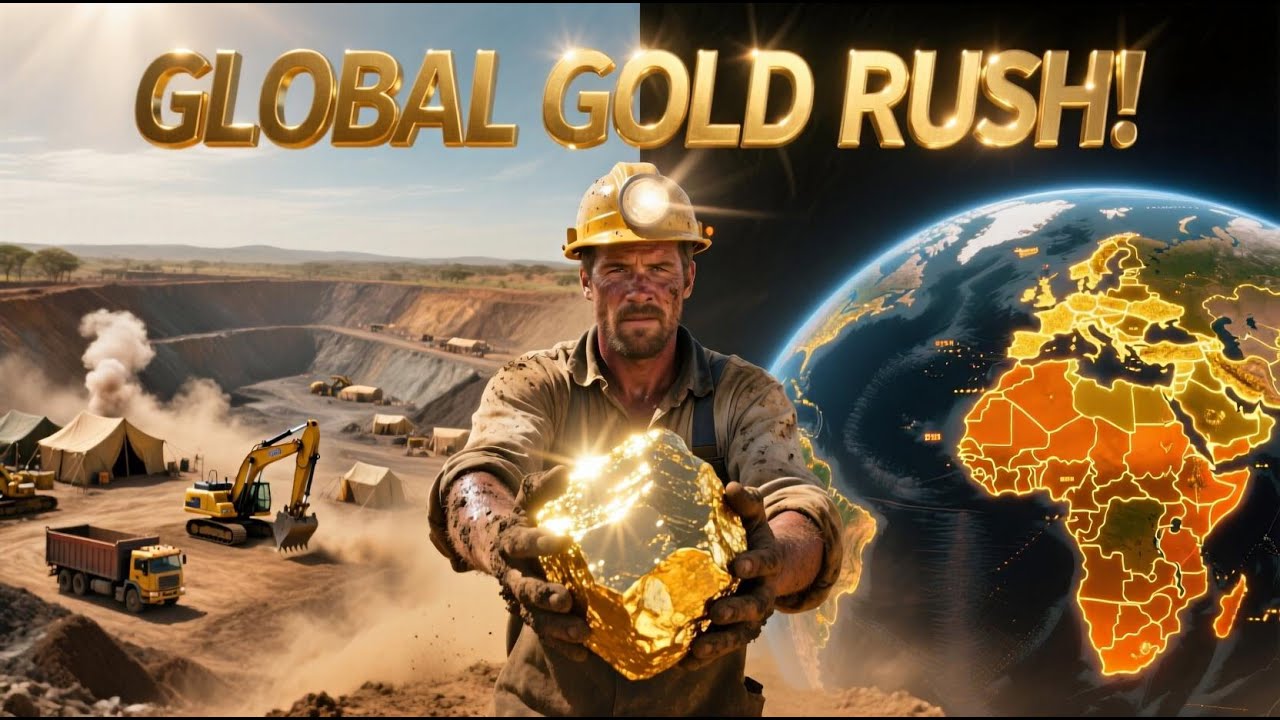
The convergence of AI, satellites, and responsible restoration will define resilience—and competitive advantage—in oil, gas, and mineral resource sectors through 2026 and beyond.
Frequently Asked Questions (FAQ)
How does the oil and gas industry affect agriculture and water in rural landscapes?
Oil and gas extraction can alter surface and groundwater systems, impacting irrigation and soil moisture for farms. Modern management practices—including efficient water recycling and advanced leak detection—help protect aquifers, reduce contamination risks, and support agricultural resilience.
What are examples of shared infrastructure between oil/gas and other sectors?
Multi-use corridors that incorporate pipelines, electrical transmission, and agricultural or mining supply routes reduce cumulative land disturbance and improve rural logistics, enhancing supply chain efficiency and ecosystem resilience.
How is technology changing sustainability in oil, gas, and mining?
Digital tools such as remote sensing, AI analysis, and real-time monitoring equip companies to minimize land and water impacts, detect emissions and leaks early, and streamline exploration and operational planning—paving the way for more responsible, efficient projects.
What is Farmonaut’s role in sustainable mining?
We at Farmonaut provide satellite-based mineral detection intelligence that allows for fast, cost-effective, and environmentally non-invasive prospecting. This technology supports better decisions—protecting land, water, agriculture, and communities.
How can I get started with Farmonaut’s exploration tools?
Simply submit your mining site area and target minerals. We deliver a comprehensive geospatial intelligence report—no field work needed. Get Quote or Map Your Mining Site Here.
Conclusion: Toward Sustainable Coexistence and Resource Security
The oil and gas industry’s trajectory in 2026 is clear: sustainability is not just about compliance, but a strategic imperative for resilience, rural prosperity, and environmental integrity.
When oil and gas projects intersect with agriculture, forestry, mining, and infrastructure, integrated land-use planning, advanced water management, emissions reduction, and technology adoption deliver the foundation for sustainable coexistence.
As we move forward:
- 📑 Sustainability standards and reclamation must be emphasized from project design through decommissioning.
- 🔗 Shared infrastructure and digital monitoring improve supply chain security for both resources and communities.
- 💧 Water stewardship and advanced recycling minimize conflict in drought-prone agricultural regions.
- 💡 Technology transfer accelerates environmental intelligence and responsible decision-making.
- 🌾 Community engagement underpins economic and cultural resilience.
The synergistic adoption of these sustainability trends will continue to shape the impact and legacy of the oil and gas industry for years to come—delivering benefits across energy, food, and resource sectors worldwide.
Map Your Mining Site Here

 SRK Consulting
 Berks Gold Limited
 Mwerezi Minerals Company Limited
 Mining SARL
 SenGold Invest SAS
 Sania Corporation
 Sean Mining Limited
 NTS Group (Pty) Ltd
 Mine4Africa
 Lithspo Minerals Limited
 Tintina Mining Group
 Dalgety Minerals Pty Ltd
 Vortex Minerals Pty Ltd
 Faith At Work (Pty) Ltd
 Geotech Mining Solutions plc
 Vulcan International Limited
