

Opal Mining Australia: 7 Facts on Opal Mine Sustainability
“Australia produces over 90% of the world’s opals, with sustainable mining supporting thousands of regional jobs.”
Table of Contents
- Introduction: The Luminous Landscape of Opal Mining Australia
- Fact 1: Unique Geology – Why Opal Forms Across Australia’s Rugged Terrain
- Fact 2: Distinctive Fields, Regional Economies, and Community Identity
- Fact 3: Mining Models – Balancing Traditional and Modern Practices
- Fact 4: Environmental Management & Land Stewardship
- Fact 5: Social Responsibility and Community Impact
- Fact 6: Supply Chain, Traceability, and Market Dynamics
- Fact 7: The Role of Modern Technology in Sustainable Opal Exploration
- Comparative Table: Major Australian Opal Fields and Sustainability
- Frequently Asked Questions (FAQs)
- Conclusion: Opal Mining Australia – A Gemstone Legacy Illuminating the Future
Introduction: The Luminous Landscape of Opal Mining Australia
Opal mining in Australia transcends simple extraction—it’s a vivid journey through arid outback landscapes, seasonal labor cycles, and a deep-rooted cultural heritage. As the world’s leading producer, Australia’s opal fields—from New South Wales’ famed Lightning Ridge to South Australia’s iconic Coober Pedy—offer more than beautiful gemstones.
They illuminate how careful management, innovative mining models, and a strong emphasis on environmental stewardship shape not only the quality of each gem but also the economies and identities of regional communities.
This blog will unpack the realities of opal mining australia, focusing on seven critical facts that showcase how sustainability shapes every facet of the industry: geology, labor, extraction, environmental practices, supply chains, technological advancement, and community impact.
Understanding opal mining sustainability means looking beyond gemstone yield to evaluate how mining practices shape local landscapes, water resources, and long-term regional economies.

Fact 1: Unique Geology – Why Opal Forms Across Australia’s Rugged Terrain
Opal Mine Australia – Geological Foundations
The distinctiveness of opal mining in australia is inseparable from the continent’s ancient geology. Opal—a hydrated form of silica—forms in favorably arid or semi-arid fields where ancient sedimentary layers and weathered rocks have preserved concentrated seams of precious and fire opal.
These unique formations are not random. They occur as a result of millions of years of geological processes—deposition, uplift, and weathering creating sedimentary pockets, seams, nodules and rare “opal tepees” scattered across the inland desert terrain.
How Do Opals Form in Australia?
- ✔ Silica spheres: Rainwater dissolves silica from sandstone, carrying it into underground fissures and cavities.
- 📊 Deposition: Silica-rich solutions deposit over time, layer by layer, forming precious opal with its play of color as light diffracts through perfectly packed spheres.
- ⚠ Pocket formation: Requires the right mix of arid climate, groundwater chemistry, and stable geology. This rarity adds to both value and environmental sensitivity when mining.
Regions like Lightning Ridge, Coober Pedy, and Andamooka are globally prized for opal quality due to their rare geological settings—this drives international demand and premium market positioning for stones of Australian origin.

Visual List: Australia’s Key Opal-Bearing Regions (with Unique Features)
- 🌵 Lightning Ridge, NSW – Home of the black opal, famed for its deep color play and value.
- ⛏️ Coober Pedy, SA – The largest opal field, known for underground homes and vibrant mining culture.
- 🪨 Andamooka, SA – Unique for “matrix” opal and semi-precious varieties.
- 🏜️ Mintabie, SA – Produces both precious and rarer fire opal types.
Trivia:
“Modern opal mines in Australia rehabilitate over 80% of disturbed land, prioritizing environmental restoration and biodiversity.”
Fact 2: Distinctive Fields, Regional Economies, and Community Identity
How Opal Mining Sites Shape Labor, Landscape and Local Markets
Australian opal fields do not simply yield gemstones; they root regional identity and economic life in the rhythms of exploration, extraction, and community exchange. Most opal mining australia districts lie in remote regions, often hundreds of kilometers from major cities, where iridescent stones are both economic lifeblood and cultural symbol.
- ✔ Labor cycles reflect the seasonality of the outback climate—active in cooler, dry months; slower in extreme heat or heavy rains.
- ✔ Community structure is typically artisanal and family-driven, with local knowledge, tradition, and informal cooperation at the core of mining activity.
- ✔ Pockets of value: The irregular distribution of opal seams means entire communities may be built around a handful of viable deposits.
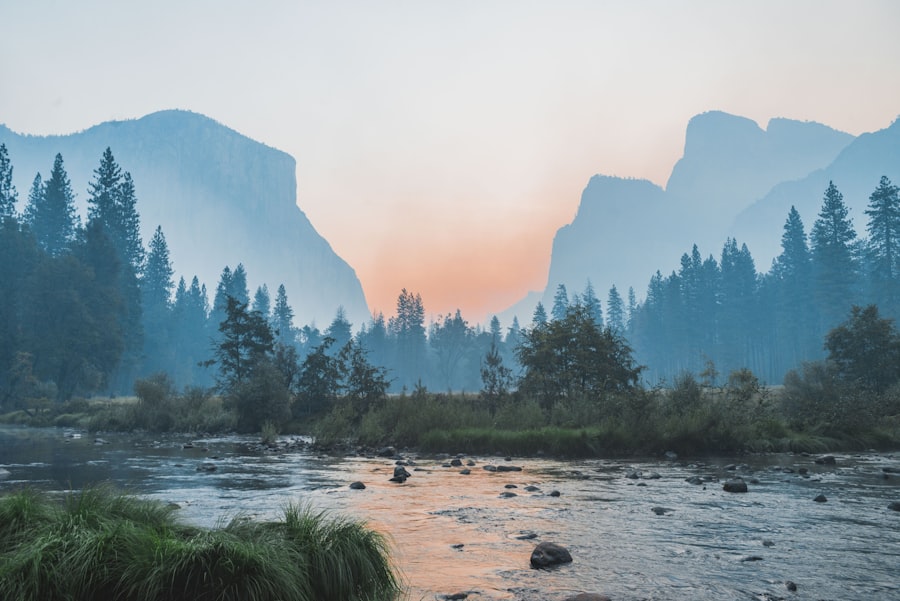
Opal mining in australia thus creates a regional economy marked by bursts of activity: rapid setup, intense mining and prospecting when new seams are found, then lulls for sorting, sales, and site rehabilitation.
Neglecting local knowledge or cultural protocols when exploring new fields often risks both project viability and community trust. Sustainable opal mining always acknowledges the significance of regional identity and Indigenous heritage.
Fact 3: Mining Models – Balancing Traditional and Modern Practices
Extraction, Tools & Techniques in Opal Mine Australia
One of the hallmarks of opal mining in australia is its unique blend of artisanal and modern methodologies. Unlike massive mechanized gold or iron ore mines, opal extraction is often performed by independent miners or small teams who combine age-old prospecting customs with advanced tools and mapping methods.
From Hand Tools to Satellite Guidance
- 🔧 Traditional methods: Picks, shovels, jackhammers, and hand-operated winches.
- 🌐 Modern prospecting: Geo-mapping, trenching, and drilling—now increasingly augmented by satellite remote sensing (offered by us at Farmonaut for high-confidence prospect validation and site targeting).
- 🤖 Mechanized extraction: Small excavators, tunnellers, or bulldozers for open-cut or underground access where viable.

The balance between productivity and environmental stewardship is strictly governed. Regulations limit trench size/depth, require dust suppression and water controls, and impose progressive site rehabilitation—shaping both the practical and ethical models of opal mining australia. This protects regionally unique terrain and ensures responsible extraction even as technology evolves.
When evaluating a mining site, leverage both systematic geological drilling and satellite-driven 3D prospectivity mapping for a complete picture of viable seams and to minimize unnecessary ground disruption. View a sample Satellite Driven 3D Mapping report.

Fact 4: Environmental Management & Land Stewardship
Opal Mining In Australia: Setting the Global Standard for Sustainability
A defining characteristic of opal mining australia is its comprehensive commitment to environmental sustainability.
Mining operators face strict regulations for water use, waste management, and land rehabilitation, while community and government oversight promote biodiversity restoration and ethical stewardship of the landscape.
- ✔ Dust and sediment control are mandatory in most fields.
- ✔ Water management: Efficient recirculation and minimizing runoff to protect limited arid-zone water resources.
- ✔ Site rehabilitation: Over 80% of disturbed land in modern opal fields is now restored—soils replaced, contours smoothed, and native vegetation replanted.
Visual List: Top Environmental Practices in Major Opal Fields
- 🌱 Progressive backfilling (replacing soil as mining progresses)
- 🚿 Water recycling for processing/separation
- 🐨 Protection of native flora/fauna via buffer zones
- 🌏 Cultural/Indigenous site preservation
⛏️ Want to assess your site? Map Your Mining Site Here
(Use satellite intelligence for mineral detection with no surface disturbance.)

Opal fields like Coober Pedy especially emphasize advanced site rehabilitation, a model now mirrored in Lightning Ridge and Mintabie. Operators must submit rehabilitation bonds and plans before starting, with progressive audits ensuring compliance. Even small-scale and artisanal miners are now supported with education on sustainable mining, often delivered through industry associations and local government initiatives.
Sustainability credentials directly enhance the value and marketability of stones—Australian opals mined under certified eco-friendly practices fetch a premium, especially in international and luxury gemstone markets.
Fact 5: Social Responsibility and Community Impact
Building Resilient Regional Economies & Honoring Cultural Heritage
Opal mining in australia is as much community endeavor as technical challenge. Mining towns are woven from a fabric of family enterprises, Indigenous land rights, cooperative markets, and seasonal migration. Economic resilience depends on not only the yield of opal pockets, but also the health of local social networks, educational programs, and investment in local infrastructure.
- ✔ Community programs: Training for mine safety, land management, and gemstone grading/cutting; youth apprenticeships; support for regional schools and health clinics.
- ✔ Local markets: Miners, cutters, and dealers convene at opal trading centers (like the Coober Pedy Opal Festival), circulating capital locally before gems enter the global supply chain.
- ✔ Cultural protocols: Respect for Indigenous land and sacred sites governs exploration and rehabilitation plans—consultation is now standard in all major fields.

The social license to operate is earned, not assumed—long-term opal field viability depends on how well mining aligns with residents’ expectations and regional identity.

Fact 6: Supply Chain, Traceability, and Market Dynamics
From Field Sites to Global Markets – Why Provenance Matters
Sustainable opal mining in australia relies on traceability, careful gem sorting, and transparent supply chains to deliver both market confidence and premium pricing. Each step, from the rough stone unearthed in remote sites to the polished gem in an overseas showroom, affects both value and ethical reputation:
- 🔹 Grading and Sorting – After extraction, opals are sorted by color intensity, clarity, pattern (harlequin, pinfire, etc.), and size. Most value rests in potential play-of-color revealed during careful cutting and faceting.
- 🔹 Dealers and Cutting Centers – Local traders assess, package, and market opals, certifying origin for buyers and grading for maximum desirability.
- 🔹 International Markets – Final stones are exported to specialist buyers, particularly in Europe, North America, and Asia—regions where Australian provenance is a mark of both luxury and responsible sourcing.
Ethical practices—like origin documentation, eco-certification and community-backed mining—are increasingly demanded by both private and institutional buyers. Farmonaut’s mineral detection solutions enhance traceability by enabling early-stage mapping, reducing unnecessary environmental impact, and providing transparent records for ethical supply chain audits.
Get Quote for Satellite-Based Mineral Mapping

Opals with documented provenance, eco-certification, and demonstrable community benefit consistently command higher prices and greater trust, especially in high-value international gem markets.
Fact 7: The Role of Modern Technology in Sustainable Opal Exploration
Satellite-Driven Opal Exploration: Accurate, Fast, & Non-Invasive
Satellite intelligence is increasingly transforming mineral exploration in Australia’s opal mining districts. Traditional fieldwork (trenching, geochemical sampling, and exploratory drilling) remains essential but can be slow, expensive, and environmentally intensive. Satellite-based platforms—like those offered by our team at Farmonaut—bring new advantages for responsible, cost-effective early-stage mineral discovery:
- ✔ Large-scale site mapping – Multispectral and hyperspectral analysis reveal mineralized zones and alteration halos over thousands of hectares in days, not years.
- 📊 Objective prospect prioritization – Proprietary AI interprets geological signatures to pinpoint the most promising pockets, reducing wasted exploration and cost.
- ⚠ No ground disturbance – Unlike trenching or drilling, satellite analysis requires no physical intrusion, preserving fragile landscape and sensitive cultural heritage sites.
- ✔ Environmental & ESG alignment – Satellite detection helps companies minimize carbon footprint, avoid unnecessary ground activities, and build a strong case for responsible investment.
Contact Us for Custom Mineral Site Evaluation
For companies and investors seeking both profits and sustainability, leveraging satellite-based mineral detection offers significant time, cost, and environmental advantages—opening a new chapter in the evolution of opal mining in australia.

Comparative Table of Major Australian Opal Fields and Their Sustainability Practices
Below is a structured comparison of Australia’s most renowned opal fields, focusing on gemstone output, sustainable mining adoption, water use, land rehabilitation, economic impact, and community engagement. This table highlights how each site approaches sustainability as a driving value within opal mining australia.
| Opal Field | Estimated Annual Gemstone Output (kg) | Sustainable Mines (%) | Water Usage (Liters/Year) | Land Rehabilitation | Economic Impact (Local Jobs) | Community Programs |
|---|---|---|---|---|---|---|
| Coober Pedy, SA | 2000–3500 | 85% | 60,000–110,000 | Yes | 700–1000 | 7 |
| Lightning Ridge, NSW | 550–800 | 80% | 18,000–29,000 | Yes | 350–450 | 4 |
| Andamooka, SA | 220–430 | 76% | 10,000–20,000 | Partial | 120–170 | 2 |
| Mintabie, SA | 55–100 | 70% | 5,000–10,000 | Partial | 45–60 | 1 |
Fields with the highest gemstone output and strong sustainability records, like Coober Pedy, also champion the largest community programs, highest employment impact, and best land rehabilitation statistics among all major opal regions.
Frequently Asked Questions (FAQs)
Q1. What makes Australia the world leader in opal mining?
Australia’s arid and semi-arid interior has the perfect geological conditions for opal formation—silica-rich waters, ancient sedimentary layers, and a unique climate. Over 90% of global opal production and most of the world’s prized black opals and fire opals come from Australian fields, making it an uncontested leader.
Q2. How does sustainability influence market prices for Australian opals?
Verified ethical sourcing, land rehabilitation, and community investment boost both the market trust and price premium for Australian opals internationally. Provenance documentation and sustainability certifications are now as important as gemstone quality for many buyers.
Q3. What are the biggest environmental risks in opal mining?
The biggest risks include groundwater contamination, dust generation, habitat loss, and landscape scarring when rehabilitation is neglected. However, Australia’s strict mining guidelines and progressive field management have minimized these issues, with site restoration rates now above 80% in major fields.
Q4. How does Farmonaut’s technology support sustainable opal exploration?
Our satellite-based mineral detection rapidly screens vast regions for mineral prospectivity, eliminates surface disturbance during early exploration, improves discovery efficiency, and provides transparent, georeferenced data to support both regulatory compliance and environmental stewardship.
Q5. Where can I request a satellite mineral mapping or get more details on services?
You can easily contact us here or use the quick quote form at farmonaut.com/mining/mining-query-form to start a conversation with our mineral intelligence specialists!
Ignoring regulatory requirements for site rehabilitation or attempting minimal compliance is a short-term saving but a long-term risk—both to mining license renewal and the global reputation of Australian opals. Always go beyond basic standards.
5 Quick Takeaways: Sustainability in Opal Mining Australia
- 🔎 Australia leads the world in opal output due to unique geology and climate.
- 🌱 Sustainability programs and land rehabilitation are now industry norm.
- 🗺️ Modern satellite mapping (like Farmonaut’s) streamlines and de-risks exploration.
- 👥 Communities and Indigenous voices shape ethical mining approaches.
- 💎 Stones with eco-certification and clear provenance fetch the highest prices globally.
Opal mining in Australia is not just about extracting gems—it’s about investing in local resilience, respecting ancient land, and illuminating the global market with transparent, sustainable practices.
Conclusion: Opal Mining Australia – A Gemstone Legacy Illuminating the Future
Opal mining in Australia stands at the intersection of ancient geology, regional identity, and modern stewardship—an industry rooted in landscape, labor tradition, and a deep sense of responsibility to both people and planet. By blending artisanal knowledge with technological advancement, enforcing strong environmental standards, and centering community benefit, Australia sets a global benchmark for sustainable gemstone extraction. The iridescent play of color seen in every opal not only reflects the continent’s unique geology but also the ethical and careful management that gives these stones their lasting value.
For explorers, investors, and heritage-minded buyers, Australian opals aren’t just gems—they’re a promise that mining can illuminate rather than deplete, sustain rather than disrupt. With advanced tools, data-driven prospecting, and a vigilant eye on environmental and social outcomes, the future of opal mining in Australia shines as brightly as the stones it yields.
Want to explore or validate your opal prospects sustainably? Map Your Mining Site Here and unlock next-generation, environmentally-responsible mineral intelligence from space.
Connect, Discover, and Sustain Opal Mining with Confidence:
- ✔ Get Quote for satellite-based opal field evaluation
- ✔ Contact Us for consultation or more info
- ✔ Map Your Mining Site Here for quick, non-invasive prospect screening

Always request traceability documentation and environmental compliance reports when sourcing opal—these are strong markers of both current and future value in the global market.
Opal mining in Australia: lighting the path for sustainable gemstone stewardship.
Discussion
Questions, corrections or field experience? Share them below. First-time comments are reviewed before they appear, and your email is never published.
No comments yet. Be the first to add a question or your experience.

 Sania Corporation
 Sean Mining Limited
 NTS Group (Pty) Ltd
 Mine4Africa
 Lithspo Minerals Limited
 Tintina Mining Group
 Dalgety Minerals Pty Ltd
 Vortex Minerals Pty Ltd
 Faith At Work (Pty) Ltd
 Geotech Mining Solutions plc
 Vulcan International Limited
 Kidepo Associates
 GKY Mining
 Alkimy SARL
 Double A Trading
 GemSprout Metals Limited
 Qader Group
 Ileys General Trading
 SG Gold Mining LLC
 VRV Global Pte Ltd
 Omsri International FZE
 G.I.T.T.
 Jaunita Erss Ltd
 SRK Consulting
