

Panning Method of Mining: Gold Panning Store, Pest Control & Sustainable Land Stewardship
“Gold panning can recover up to 85% of fine gold particles from sediment using only water and gravity.”
Introduction: Why the Panning Method of Mining Matters
The panning method of mining stands as a testament to simplicity and sustainability across rural landscapes. Its timeless appeal is more than the shimmering promise of gold; it’s about resourceful, environmentally conscious resource management—from mineral extraction to wise agricultural practices. Rooted in low-tech ingenuity, panning is not only central to small-scale mining and gold prospecting, but has evolved to support modern approaches in soil conservation, erosion control, and even sustainable approaches in pest control.
In a world faced with the need for responsible resource stewardship, integrating ancient mining techniques with sustainable land management is no longer an option—it’s a necessity. This comprehensive guide explores how the humble pan links soil health, watershed management, sediment evaluation, and pest management strategies, and how it serves as a bridge between traditional hands-on exploration and cutting-edge remote sensing technologies.
Whether you’re an agricultural producer, a forester, a prospector seeking minerals, or a student of environmental science, understanding the versatility and environmental impact of the panning method of mining is fundamental for sustainable practice across agricultural, forestry, and mining regions.
“Sustainable pest control methods can reduce chemical pesticide use in agriculture by over 60%, improving soil health and biodiversity.”
Fundamentals of the Panning Method of Mining: Technique, Significance, and Environmental Perspective
What Is the Panning Method?
Panning is a simple yet effective mining technique used for mineral prospecting and sediment analysis, particularly for gold and other dense materials in alluvial settings. The essence of the process lies in density separation—placing sediment in a shallow pan, immersing it in water, and gently agitating to allow lighter particles to wash away, leaving heavier minerals, like gold, at the bottom.
Key Steps in Gold Panning
- Collection: Gather sediment from a streambed or riverbank where heavier minerals accumulate due to gravity, density, and stream velocity.
- Immersion: Place the material in a pan and submerge in controlled water flow, such as in a stream or basin.
- Agitation: Gently shake and swirl the pan allowing lighter particles (sand, silt) to float and wash away, focusing on keeping the heavier particles at the bottom.
- Concentration: Repeated washing leaves behind a concentrated layer of dense minerals—gold, magnetite, or gem gravels—ready for further identification or analysis.

What Materials and Conditions Are Needed?
- Shallow pan (metal or plastic; 10-14 inch diameter recommended)
- Stable water source (stream, river, basin, or even irrigation channel)
- Suitable sediment (preferably coarse-to-fine gravels, free of excess clay)
- Basic hand tools: shovel, scoop, and perhaps a classifier for preliminary sorting
The best results are seen where natural processes deposit heavier minerals in riffle zones—inside stream bends, at the base of slopes, or behind large obstacles in the water.
Why Certain Rivers or Streams?
The effectiveness of the panning method of mining is determined by local stream velocity, sediment load, and watershed geology. Rivers with fluctuating flow, steep gradients, and historical records of mineral deposits are ideal. Heavy minerals, due to their density and gravitation, settle where water velocity drops enough to allow fine particles to be lost downstream, while gold and other targets remain.
The fundamental principle behind the panning method of mining—using gravity and water for density separation—has direct parallels in soil management and pest control. Understanding this physical process is the first step to integrated, sustainable land practices.
Environmental Benefits and Limitations
- ✔ Minimal environmental footprint: Requires no heavy machinery or chemical reagents.
- ✔ Low disturbance: No deep excavation or landscape alteration during the prospecting stage.
- ⚠ Scalability is limited. Panning is suitable for sampling, education, or small-scale extraction but not for large commercial yields.
- ⚠ Local impact. Over-concentrated recreational or unregulated gold panning can cause localized streambank disturbance if not practiced responsibly.

Gold Panning: Process, Tools, and the Role of a Gold Panning Store Near Me
A Practical Guide to Starting Gold Panning
For those seeking hands-on experience, local gold panning stores near me serve as invaluable hubs. These stores not only stock essential tools—from pans to classifiers and safety gear—but also offer expert guidance, community workshops, and access to responsible prospecting networks.
- ✔ Gold panning kits (pan, snuffer bottle, vial, classifier, and pipette)
- ✔ Protective equipment (gloves, boots, eye protection)
- ✔ Instructional material (booklets, field guides, local regulations)
By supporting hands-on technique and providing environmental best practices, these stores encourage a responsible approach to recreational and educational prospecting, as well as to sediment and soil management exercises in agriculture and forestry.
When searching for a gold panning store near me, look for shops that host educational events on sustainable panning practices—not only will you upgrade your skills, but you’ll be part of a responsible, resource-wise community.

Beyond Gold: What Else Can Panning Reveal?
While gold captures the imagination, the panning method is equally effective for identifying:
- Magnetite and hematite: Indicators of iron-rich deposits.
- Gemstone-rich gravels: Such as garnets or sapphires in certain regions.
- Heavy mineral fractions: Useful for broader mineral exploration and initial assessment of soil health in watershed studies.
Why Is This Useful for Broader Resource Management?
The simplicity of the panning method of mining allows for rapid screening before disruptive operations, helping to restrict heavy excavation to only the most promising sites. In modern mining management, this improves environmental performance and minimizes impact on habitats and water quality.
Meanwhile, farmers, foresters, and land managers can adapt the panning concept to quickly evaluate sediment transport and soil stratification—building capacity for targeted conservation practices.

Repurposing Panning Method in Agriculture & Forestry: Soil, Sediment, and Water Management
Sediment Evaluation as a Practical Teaching Tool
The humility and hands-on flavor of the panning method of mining find new life in agricultural and forestry education. By repurposing the pan as a demonstration device, farmers and foresters can:
- ✔ Visualize soil stratification—clearly see coarse, fine, and gravel fractions.
- ✔ Demonstrate sediment transport under rainfall or irrigation events.
- ✔ Identify erosion risk areas and potential nutrient or contaminant hotspots.
During field exercises, a shallow pan and clear water let practitioners separate surface deposits into useful categories, ideally taken from along streams, irrigation channels, or runoff-prone zones. By observing where the heavier fractions settle, land managers gain crucial insight into:
- Runoff direction and drainage patterns
- Accumulation of potential contaminants
- Soil amendment or remediation needs
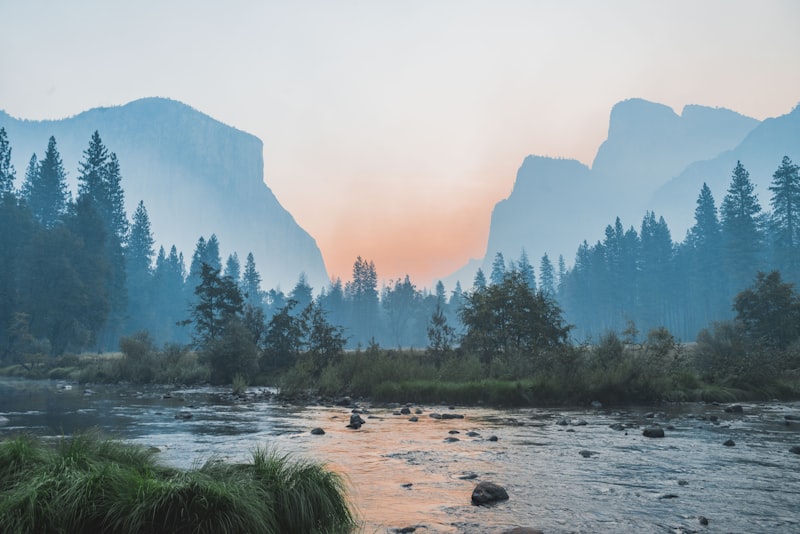
This approach supports conservation planning: from contour farming and buffer strips to sediment basins, practical knowledge of how particles behave in water empowers smarter, more targeted strategies.
Integration with Modern Tools
When paired with rapid field assessment tools—like turbidity meters or portable analysis kits—the insights from manual panning inform broader data-driven management and soil health evaluation. This moves sustainable farming and reforestation beyond theory and into everyday decision-making.
Assuming sediment behavior is uniform across a field or watershed. Local variations—revealed with simple pan tests—often drive micro-site management for runoff, erosion, and nutrient loss.

Field Application Example: Buffer Strips & Sediment Basins
- 📊 Pan sampling identifies site-specific risk zones for erosion.
- ✔ Inform buffer strip placement—planting dense grass or shrubs along channels where fines accumulate.
- ✔ Guide sediment basin design for areas where heavy materials settle most quickly.
- ✔ Adjust remediation strategies when panning reveals increased contaminant fractions post-storm events.
Small-scale, non-destructive sediment assessment with the panning method is a cost-effective prelude to more advanced mineral or soil surveys—optimizing resource allocation for larger land, mining, or agricultural projects.

Panning Method and the Method of Controlling Pest: Integrated, Sustainable Approaches
What Is the Connection?
While seemingly unrelated, panning and method of controlling pest both leverage sampling, observation, and minimal input for maximum insight. In modern agriculture and forestry, pan traps or water pans are a simple, scalable method for pest management as part of Integrated Pest Management (IPM) frameworks.
How Does It Work?
- ✔ Place shallow pans filled with soapy water along field edges or within crop canopies.
- ✔ Flying insects (both pests and beneficials) are sampled based on color attraction, providing data about presence and population trends.
- ✔ Sampling results inform targeted interventions, such as selective pesticide application, timed releases of biocontrol organisms, or environmental modifications.
Key Benefits for Sustainable Farming
- ✔ Significantly reduces chemical input, lowering the risk of environmental contamination and preserving pollinators.
- ✔ Promotes soil health and biodiversity by minimizing broad-spectrum pesticide use.
- ✔ Fast, repeatable, educational exercise—perfect for farmers, school groups, and extension services.
- 🟡 Yellow pan traps: Attract many pest species, especially aphids and leafhoppers.
- 🔵 Blue pan traps: Preferred for thrips monitoring.
- 🟢 Soapy water pans: Catch a range of crawling/flying pests along crop rows.
Steps for In-Field Implementation
- Select monitoring sites—fields, crop storage, greenhouses, or forest perimeters.
- Deploy pan traps based on target pest and beneficials.
- Sample regularly and record data for trend analysis.
- Adjust pest control strategies based on observed population fluctuations.
Simple pan-based sampling methods make integrated pest assessment accessible for any land manager, giving real field data to support sustainable farming decisions aligned with ecosystem health.

Farmonaut’s Role in Modern, Responsible Mineral Exploration
From Ancient Panning to High-Tech Satellite Mineral Detection
While traditional panning method of mining is crucial for initial, on-the-ground sampling and education, modern mineral exploration demands speed, objectivity, and minimal environmental disturbance. This is where Farmonaut comes in, leveraging satellite-based mineral detection and AI-powered analysis to globally transform early-stage exploration.
Farmonaut’s mineral intelligence platform harnesses multispectral and hyperspectral satellite data to rapidly scan vast land areas, pinpointing mineralized zones and even estimating mineral type and abundance—all without disturbing the land or water.
- ✔ Reduces exploration time from years to days
- ✔ Lowers costs by up to 80–85%
- ✔ Eliminates ground disturbance at the scouting phase
For those looking to scale responsible mining and land management—or to combine historic panning with modern technology—Farmonaut provides a powerful, ESG-aligned solution. Explore our satellite based mineral detection service to compare on-the-ground techniques with the latest geospatial intelligence.
The Farmonaut platform supports all major metals and minerals detectable from space, including gold, copper, lithium, uranium, rare earths, and gemstones—delivering precise heatmaps, depth estimations, and actionable recommendations for further assessment or drilling, as detailed in our advanced satellite driven 3D mineral prospectivity mapping (see full details and a sample report here).
Our streamlined client workflow allows you to map your mining site here: mining.farmonaut.com in just a few steps. Request a quote here or contact us here for tailored mineral intelligence and field assessment integration.

With Farmonaut, landowners and organizations combine the tradition of ground-based panning (for on-site validation and community education) with satellite mineral detection—yielding rapid, accurate, and sustainable resource management from the sky to the soil.
Methods vs. Impact Table: Comparing Panning Method and Pest Control Approaches
| Method | Typical Materials Used | Estimated Environmental Impact | Soil/Resource Management Practices | Best Application Context |
|---|---|---|---|---|
| Panning Method of Mining | Metal/plastic pan, water, shovel, hand sieve (small quantities) | Minimal (no chemicals; slight localized disturbance if unregulated) | Sediment separation, stream bank conservation, soil stratification insight | Mining, agricultural field demo, forestry runoff assessment |
| Sustainable Pest Control (Pan Trapping/IPM) | Plastic pan traps, water/soap (<1 liter/trap), biocontrol when indicated | Minimal—reduces chemical use, preserves soil/water quality | Ecological monitoring, precision intervention, pollinator protection | Agricultural crop edge, greenhouse, rural/edge forests |
| Satellite Mineral Detection (Farmonaut) | Digital data (no materials on land); multispectral & hyperspectral imagery | Zero direct disturbance at exploration phase; extremely low carbon emission | Large-area resource mapping, non-invasive mineral targeting | Regional mining, initial exploration prioritization, investment decision-making |
Videos: Discover More About Panning, Mining, and Sustainable Practices
- Gold Identification Project in Peru
- Gold Rush Arizona 2025: History & Modern Gold Mining Revival
- Nigeria Gold Mining
- Ghana Gold Discovery: Satellite Technology
- Australia’s Gold Mining Revolution
- Satellites Spark a New Alaska Gold Rush
- Modern Gold Rush: Inside the Global Race for Gold
- How Gold is Extracted from Mines
Key Insights, Tips, & Highlights
Both panning and modern IPM minimize landscape and waterway disturbance.
The pan can serve as a mineral prospector, soil stratifier, and pest monitor all in one.
Entry barrier is low—perfect for rural regions and initial assessment before investing in technology.
From sample pans to satellite mineral reports, better data delivers better land stewardship.
Gold panning stores and rural field demos foster a culture of responsible, knowledgeable land use.
Key Takeaways: Benefits, Risks, Practices & More
- ✔ Panning method of mining is ideal for low-impact sediment and mineral assessment.
- 📊 Sampling pans inform smarter soil conservation and erosion mitigation strategies.
- ⚠ Over-panning in sensitive streams can concentrate bank disturbance—follow local guidelines.
- ✅ Pan-based pest monitoring lets farm managers minimize unnecessary pesticide use.
- 🌱 Integration of on-ground and remote-sensing methods results in sustainable resource management across mining, agriculture, and forestry.
Field Application Visual List:
- ➤ Panning for minerals: Quick field check for mineral presence, before ground disturbance.
- ➤ Pan as sediment sampler: Visual display for soil/erosion lesson plans, on-farm demos.
- ➤ Pan traps for insects: Seasonal monitoring for real data-driven pest management.
Visual List: Modern Technology Application:
- ➤ Satellite-based mineral detection: For non-invasive, large-area mineral assessment.
- ➤ 3D Mineral Prospectivity Mapping: For advanced targeting, exploration, and drilling planning.
FAQ: Panning Method of Mining, Soil & Pest Management
A: It’s ideal for prospecting and initial assessment, but not scalable for large commercial yields. Use it for site appraisal, education, and rapid screening.
A: Yes! Panning serves as a practical method to visualize soil layers, transport, and fraction movement during runoff events, informing conservation and erosion control.
A: Position a shallow, brightly-colored pan with soapy water where pest activity is highest. Record insect type/quantities and use this data to guide interventions.
A: Farmonaut’s satellite-based mineral detection and prospectivity mapping enable fast, large-area, and environmentally non-invasive mineral exploration—ideal before ground disturbance or investment planning.
A: Yes. Always check local regulations. Unregulated panning in ecologically sensitive areas may disrupt habitats—follow best practices and use available community resources like responsible gold panning stores near me for guidance.
Conclusion: Integrating Old & New—A Roadmap for Sustainable Mining, Farming, and Pest Control
The panning method of mining is more than a legacy technique for gold prospectors. Today, its principles are at the heart of sustainable, responsible practices across agriculture, forestry, and small-scale mining. By combining practical field exercises—whether for sediment separation, soil health evaluation, or pest monitoring—with state-of-the-art remote sensing intelligence from organizations like Farmonaut, we move toward a future where resource management is grounded in both community knowledge and scientific rigor.
Local resources, such as the trusted gold panning store near me, empower individuals with tools and training for responsible fieldwork. Meanwhile, satellite-based mineral detection and 3D mineral mapping ensure decisions are swift, data-driven, and protective of soil, water, and biodiversity.
Whether you’re introducing students to erosion mitigation with a pan, prospecting for gold in an alluvial plain, or modernizing mineral exploration at scale, the panning method connects us to the land. When integrated with new technologies and sustainable methodologies, it sets the foundation for responsible stewardship—today and for generations to come.
Ready to map, manage, or revolutionize your mineral or land assessment? Map your mining site here: mining.farmonaut.com
For specialized quotes and consulting, click Get Quote or Contact Us to connect directly with our mineral intelligence experts.
The path forward is sustainable, responsible, and rooted in both history and innovation. Make every pan, every sample, and every data point a step towards better stewardship—for your land, your watershed, and our shared environment.

 Process Metrology LLC
 Dalgety Minerals Pty Ltd
 Vortex Minerals Pty Ltd
 Faith At Work (Pty) Ltd
 Geotech Mining Solutions plc
 Vulcan International Limited
 Kidepo Associates
 GKY Mining
 Alkimy SARL
 Double A Trading
 GemSprout Metals Limited
 Qader Group
 Ileys General Trading
 SG Gold Mining LLC
 VRV Global Pte Ltd
 Omsri International FZE
 G.I.T.T.
 Jaunita Erss Ltd
 Almosi SARL
 SRK Consulting
 Berks Gold Limited
 Mwerezi Minerals Company Limited
