

Quartz Mineral Description: 2026 Mining & Innovation Insights
Table of Contents
- Quick Quartz Trivia
- Introduction: Quartz Mineral Description for 2025-2026
- Geological Occurrence and Formation of Quartz
- Physical and Chemical Properties: A Quartz Mineral Description
- Industrial Applications: Quartz in Today’s Global Mining
- Mining Advancements & Emerging Technology (2025 & Beyond)
- Quartz Mining Technologies & Sustainability Overview (2025 Estimates)
- Sustainable Practices and Environmental Impact Mitigation
- Quartz, Infrastructure, and Renewable Energy: Building the Future
- Value-Added Mining: Gemstones from Quartz (Amethyst, Rose, and Smoky Varieties)
- Farmonaut’s Satellite-Driven Quartz Mineral Exploration
- Market Trends & Economic Outlook for Quartz (2025–2026)
- Frequently Asked Questions
- Conclusion
- Contact & Next Steps
Quartz Mineral Description: Introduction & Context for 2025-2026
Quartz—chemically composed of silicon dioxide (SiO₂)—is among the most abundant and widely distributed minerals in the Earth’s crust. Recognized for its remarkable hardness, chemical inertness, and versatility, quartz remains an indispensable industrial and economic resource across various sectors. As we enter the era of advanced mining practices in 2025 and beyond, quartz’s relevance is not only being redefined by new extraction and manufacturing technologies but also by a rising commitment to sustainable and environmental standards.
As industrial needs expand, especially with the growing emphasis on renewable energy and advanced electronics, the demand for quartz—particularly as a source of silicon—continues to surge. Here, we provide a comprehensive overview of quartz mineral description—covering geological occurrence, physical properties, mining advancements, industrial applications, and the sustainable practices defining the landscape for 2025-2026.
- 💎 Abundant Resource: Second only to feldspar, quartz is one of the most plentiful minerals distributed throughout all rock types.
- 🛡️ Exceptional Hardness: Stands at 7 on Mohs scale—highly resistant to abrasion.
- ⚗️ Chemical Stability: Inert and not readily reactive to most substances, making it ideal for industrial uses.
- 🔬 Versatile Applications: From glass and silicon manufacturing to electronics, foundry work, and gemstones.
- 📉 Low Environmental Impact: Quartz mining can now be performed with growing attention to sustainability and environmental stewardship.
Geological Occurrence and Formation of Quartz
Understanding the geological context of quartz is fundamental for smart mining and exploration. Quartz is found across a wide range of geological environments, making it a widely occurring mineral globally:
- Igneous Rocks: Quartz is a major mineral component in granite and rhyolite, often forming in cavities and veins.
- Metamorphic Rocks: Present in gneisses, schists, and quartzites, where high temperature and pressure promote its recrystallization into massive formations.
- Sedimentary Rocks: Detrital quartz grains are abundant in sandstones and siltstones, a testament to the mineral’s durability and stability.
Quartz most commonly occurs as:
- Veins within Host Rock: As hot silica-rich fluids circulate and cool within fractures, leading to pure or mixed mineralization.
- Massive Lenses and Formations: Sometimes forming extensive, mineable bodies due to concentration over geological timescales.
Physical and Chemical Properties: A Quartz Mineral Description
A core part of quartz mineral description is the understanding of its unique physical and chemical properties:
- ⚒️ Hardness: Registered at 7 on the Mohs scale, making it highly resistant to abrasion and a preferred abrasive material.
- 🔬 Chemical Inertness: Quartz’s chemical stability ensures it rarely reacts with most substances, enhancing its utility across industrial applications.
- 🌈 Color Variety: While pure quartz is clear and transparent, impurities yield brilliant colors:
- Amethyst (purple)
- Rose Quartz (pink)
- Smoky Quartz (smoky brown/grey)
- Citrine (yellow to brownish)
- 💠 Crystal Habit: Typically forms hexagonal crystals, but also occurs in massive granular or microcrystalline states (as chalcedony, agate).
- ✨ Luster: Characteristically glassy, sometimes waxy in specific varieties.
- 🧪 Density: About 2.65 g/cm³ (very stable).

Industrial Applications: Quartz in Today’s Global Mining
Quartz’s versatility and robust physical properties make it a critical material widely used across various sectors:
- Glass Manufacturing
- High-purity quartz sand serves as the backbone for glass production – from windows and bottles to precision optics and fiber optics.
- Uniform grain size and high silica content are essential for modern, specialty glass manufacturing.
- Silicon Production
- Metallurgical-grade silicon—vital for semiconductors, solar panels, and battery applications—is derived from the thermal reduction of quartz.
- Growing renewable energy sectors accelerate demand for high-purity quartz, especially in photovoltaic cell manufacturing.
- Foundry and Construction
- Quartz serves as foundry sand in metal casting due to its extreme heat resistance and strength.
- In infrastructure, quartz is a primary ingredient in concrete, engineered stone, and other aggregate-based construction products.
- Abrasives and Refractories
- Due to exceptional hardness, quartz is used in abrasive blasting, polishing, sandpaper, and grinding tools.
- Refractory bricks and crucibles rely on quartz for stability in high-temperature environments.
- Gemstones and Jewelry Market
- Amethyst, rose quartz, smoky quartz, and citrine are highly valued for ornamental purposes and as investment stones.

Mining Advancements & Emerging Technology (2025 & Beyond)
Recent advancements in mining technology are transforming how quartz extraction is approached. These innovations—centered around automation, AI-based sorting, advanced geospatial mapping, and sustainable water management solutions—are setting new industry standards covering efficiency and environmental impact.
- 🤖 Automated Machinery: Precision mining robots for drilling, cutting, and removal of quartz veins within host rock, with reduced energy waste and manual labor.
- 📡 Geospatial Mapping & AI: Real-time 3D mineral prospectivity mapping using AI algorithms for high-probability deposit targeting and reduced unnecessary excavation.
- 💧 Sustainable Water Management: Closed-loop systems and recycling innovations keep consumption low and ensure regulatory compliance.
- ⚡ Renewable Energy Integration: Fleet electrification, on-site solar/wind generation, and seamless integration with broader green infrastructure targets further reduce carbon footprint.
Farmonaut’s Satellite-Driven 3D Mineral Prospectivity Mapping represents a paradigm shift in mineral intelligence, letting analysts visualize, assess, and prioritize quartz deposits with unprecedented spatial clarity before field deployment.
- ✔ Efficiency gains of 20–45% in quartz extraction operations
- ✔ Enhanced sustainability by cutting water usage and reducing land disturbance
- ✔ Support for regulatory and community expectations on responsible mining
- ✔ Improved identification of high-concentration veins—reducing waste and unnecessary consumption
- ✔ Direct boost to economic outcomes by streamlining production costs

Quartz Mining Technologies & Sustainability Overview (2025 Estimates)
To clarity the technological stride in mining, here’s a comparative overview of leading technology adoptions powering the future of sustainable quartz extraction:
| Technology Name | Estimated Adoption Rate (2025, %) | Mining Efficiency Improvement (%) | Sustainability Rating (1-5) | Environmental Impact Reduction (%) | Industrial Application |
|---|---|---|---|---|---|
| Automated Drilling | 67% | 35–45% | 4.5 | 40% | Quartz veins, open-pit & underground deposits |
| AI-Based Sorting | 54% | 25–38% | 4 | 25% | High-purity quartz, silicon production |
| Water Recycling Systems | 61% | 18–22% | 5 | 60% | Mining, mineral processing, washing |
| Green Energy Integration | 38% | 12–17% | 5 | 25% | Power for mining fleets, auxiliary systems |
| Satellite Mineral Detection | 22% | 30–70% (exploration phase) | 5 | 80% (early-phase impact) | Remote prospectivity mapping, target selection |

Sustainable Practices and Environmental Impact Mitigation
The mining industry is rapidly aligning with sustainable and responsible environmental standards. In 2025 and beyond, quartz extraction is characterized by:
- 🌱 Land Rehabilitation: Restoring altered terrains, replanting native vegetation, and promoting post-mine biodiversity.
- 💧 Water Management: Increasingly centered on closed-loop recycling, advanced filtration, and avoidance of local aquifer depletion.
- 🌬️ Air Quality Control: Enclosure of dust-prone processes and dust-suppression systems, especially during crushing and transportation.
- 🏭 Waste Minimization: Process innovations and more selective mining reduce overburden, tailings, and secondary impacts.
Regulatory frameworks have become stricter, inspiring proactive industry self-regulation, particularly in metal and industrial minerals. These efforts not only enhance local community relations but also increase market access in regions with demanding ESG (Environmental, Social, Governance) criteria.

Quartz, Infrastructure, and Renewable Energy: Building the Future
Quartz is critical to infrastructure and renewable energy worldwide. Its downstream transformation into high-purity silicon makes it a backbone of solar energy systems. Key trends for 2025–2026:
- 🔆 Photovoltaic Boom: High-purity quartz is converted into silicon wafers—the central component of solar panels. Global demand is forecasted to outpace supply, emphasizing quality and traceability.
- 🏗️ Urban Expansion: Engineered quartz surfaces and aggregates are widely used in modern, sustainable construction.
- ⚡ Electrification of Fleets: Electrified mining operations, powered by local renewable sources, reduce carbon footprint and enable “green” certification of end products.
Explore our Satellite Based Mineral Detection service to pinpoint quartz and other critical minerals using satellite-driven accuracy—accelerating your energy transition projects with confidence.

Value-Added Mining: Gemstones from Quartz (Amethyst, Rose, and Smoky Varieties)
Beyond industrial applications, quartz is prized for its gemstone varieties:
- 💜 Amethyst: Renowned for its deep purple hue, most abundant among quartz gemstones.
- 🌸 Rose Quartz: Popular for jewelry and decorative carvings—its delicate pink results from trace titanium, iron, or manganese.
- 🌫️ Smoky Quartz: Sought after for its earthy smoky brown or greyish color, highly symbolic in several cultures.
Artisanal and commercial mining operations extracting these varieties boost local economies and support regional niche markets. With improved cutting, treatment, and validation techniques in 2025, these gemstones continue to draw both collectors and industrial buyers.
Fun Fact: Some of the world’s largest amethyst geodes (uruguayan and brazilian) fetch six-figure prices at international mineral auctions, supporting a burgeoning global gemstone trade.

Farmonaut’s Satellite-Driven Quartz Mineral Exploration
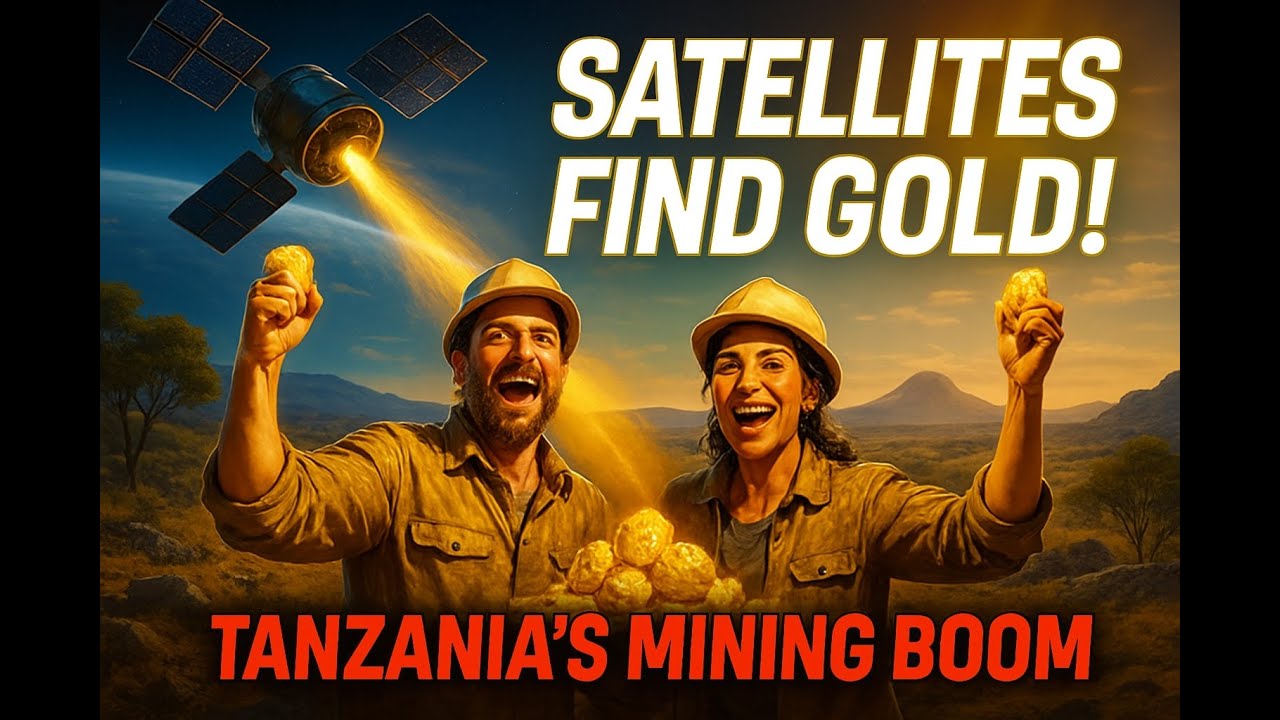
As mining shifts into a data-driven era in 2025 and beyond, Farmonaut’s satellite-based mineral detection is transforming how companies, analysts, and investors approach early-stage quartz mineral description and prospecting.
- 🌐 Remote, Global Reach: Farmonaut analyzes multispectral and hyperspectral satellite data to map quartz-rich zones and alteration halos, even in remote or inaccessible terrains, without starting ground disturbance.
- ⚡ Speed & Efficiency: Exploration timelines are cut dramatically, from months (in traditional field mapping) to days—reducing cost and environmental disturbance during early-stage targeting.
- 🧠 AI-Driven Intelligence: Proprietary algorithms highlight high-potential “hot zones,” vein depth, and concentration, enhancing commercial prospectivity assessments.
- 🧾 Structured Deliverables: Comprehensive reports feature heatmaps, geological interpretations, and 3D subsurface models—supporting everything from geological planning to investment evaluations.
Farmonaut’s Satellite-Driven 3D Mineral Prospectivity Mapping is an optimal solution for explorers wishing to maximize ROI and minimize impact before field teams are deployed.
Ready to unlock large, untapped quartz deposits? Start your journey with Satellite Based Mineral Detection and discover how we help you achieve faster, smarter, and more sustainable mineral exploration globally.
Market Trends & Economic Outlook for Quartz (2025–2026)
The economic and market outlook for quartz presents a trajectory shaped by innovation adoption and the rapidly expanding energy and electronics sectors:
- ✔ Global Demand Rise: Quartz mining output is paced to increase by 8% in 2025, driven by surging demand for solar energy infrastructure and electrification.
- ✔ Value Leverage: High-purity quartz fetches premium pricing, while gemstone-grade varieties remain strong in hedge investments and luxury segments.
- ✔ Industrial Stability: Quartz is less volatile in pricing than metals, making it an important component for economic risk management in minerals portfolios.
- ✔ New Players: With technology lowering entry barriers, new mining jurisdictions (esp. in Africa, South America, and Australia) are emerging as quartz supply hubs.
- ✔ Regulatory Impact: ESG frameworks are impacting market access, ensuring only responsibly sourced quartz is accepted in international trade contracts.
For exploratory and junior mining companies, Farmonaut’s mineral intelligence solutions are the ideal way to reduce exploration risk and accelerate time-to-market, while meeting rising environmental and data transparency standards. Interested in actionable prospectivity data for your targets? Get a custom quote from Farmonaut here.
Frequently Asked Questions
- What is quartz mineral description and why is it important for mining in 2025?
Quartz mineral description refers to a detailed account of its geological occurrence, physical and chemical properties, and application potential. It’s crucial for identifying high-value deposits, optimizing mining approaches, and meeting industrial-grade standards. - How does technology improve mining efficiency for quartz extraction?
Technologies like automated machinery, AI-based sorting, and satellite prospectivity mapping enable precise targeting of ore bodies, reduce waste, lower operational cost, and minimize environmental impacts. - Why is high-purity quartz vital for silicon production?
High-purity quartz is the essential feedstock for metallurgical-grade silicon. Any impurities can affect the performance and reliability of microchips, solar panels, and advanced electronics. - What sustainable practices are most common in quartz mining as of 2025?
Leading practices include water recycling, land rehabilitation, dust mitigation, and renewable energy adoption at mine sites to minimize the environmental footprint. - How can I access Farmonaut’s mineral detection services for my exploration area?
Simply submit your coordinates or KML polygon to Farmonaut’s Mining Query Form—we’ll deliver actionable prospectivity insights for your location in under 20 business days.
Conclusion
Quartz remains the cornerstone of modern mineral exploration, thanks to its abundant occurrence, physical durability, and critical applications in energy, technology, glass, and construction sectors. The landscape of 2025 and 2026 is defined by technological innovation, enhanced sustainability practices, and rising market demand—tied to the world’s accelerating shift toward renewable energy and digital infrastructure.
A comprehensive approach to quartz mineral description, mining methodology, and sustainability will benefit operations at all levels—whether you are a resource investor, government geologist, or commercial mining operator. Leveraging satellite intelligence platforms like those offered by Farmonaut allows us to accelerate discovery, reduce extraction timelines, and meet the environmental and regulatory expectations of modern society.
For more insights or to optimize your quartz exploration strategy, contact Farmonaut today.
- ⏱️ Speed up decisions by moving from ground-based to satellite-driven early-stage exploration.
- 🔒 Reduce environmental risks through targeted, data-backed field campaigns.
- 💹 Increase ROI by identifying only the most promising zones for costly drilling.
- 🌍 Meet global standards in sustainability and reporting with precision documentation.
- 📈 Align with future demand in silicon, solar, and high-tech manufacturing sectors.
Explore the future of mining with confidence—powered by innovation, sustainability, and the timeless utility of quartz.
Discussion
Questions, corrections or field experience? Share them below. First-time comments are reviewed before they appear, and your email is never published.
No comments yet. Be the first to add a question or your experience.

 Tintina Mining Group
 Dalgety Minerals Pty Ltd
 Vortex Minerals Pty Ltd
 Faith At Work (Pty) Ltd
 Geotech Mining Solutions plc
 Vulcan International Limited
 Kidepo Associates
 GKY Mining
 Alkimy SARL
 Double A Trading
 GemSprout Metals Limited
 Qader Group
 Ileys General Trading
 SG Gold Mining LLC
 VRV Global Pte Ltd
 Omsri International FZE
 G.I.T.T.
 Jaunita Erss Ltd
 Almosi SARL
 SRK Consulting
 Berks Gold Limited
 Mwerezi Minerals Company Limited
 Exploration consultancy · South Africa · Gold










