

Rincon Lithium & Mining: Sustainable Power in Argentina 2026
Table of Contents
- Trivia & Key Insights
- Introduction: Lithium – The Cornerstone of Clean Energy
- Salar de Rincon & The Lithium Triangle
- Rincon Lithium Operations: A Strategic Overview
- Rio Tinto’s Role: Driving Sustainable Extraction
- Supply Chain Impact: Meeting the EV & Storage Demand in 2026
- Environmental & Social Stewardship at Rincon
- Localization: Rincon’s Role Across Argentina, Chile & Bolivia
- Comparison Table: Sustainable Lithium Extraction Methods
- Best Practices: Technologies, Partnerships, and Innovation for 2026
- Key Challenges & The Future Outlook
- How Farmonaut Satellite Solutions Empower Sustainable Mining
- Smart Mining & Environmental Monitoring Links
- Farmonaut Subscriptions
- Frequently Asked Questions: Rincon Lithium & Mining Ecosystem
- Conclusion: Charting a Sustainable Path Forward
“By 2025, sustainable lithium mining in South America’s triangle is set to supply over 50% of global lithium demand.”
Introduction: Lithium – The Cornerstone of Clean Energy
Lithium is rapidly ascending as a critical mineral, powering the shift toward a renewable energy future. As the world accelerates EV adoption and invests massively in renewable storage and advanced electronics, lithium’s role in the global supply chain grows ever more significant. It is the lifeblood for batteries in electric vehicles, grid storage, and a host of high-tech applications.
South America’s Lithium Triangle—consisting of northern Argentina, parts of Chile, and Bolivia—holds more than half of the world’s known lithium reserves. Right at the heart of this strategic region lies the Salar de Rincon. Here, Rincon Lithium is forging a new model for sustainable mining—aiming for responsible, efficient extraction and environmental stewardship as the sector races toward 2025 and beyond.
The Rincon Lithium project in Argentina’s Salta Province is not only among the most promising brine extraction projects in the Lithium Triangle, but it is also pioneering advanced sustainable extraction methods that are transforming how the industry approaches social, ecological, and community responsibilities. Major industry participants, including Rio Tinto, are bringing industry-leading expertise and technological resources to elevate the project’s impact.
In this comprehensive analysis, we explore the strategic role of Rincon Lithium in shaping the sustainable future of the global lithium supply chain, breaking down its operations, technological advancements, environmental initiatives, and the broader significance for renewable energy, EVs, and advanced electronics as we move into 2026.
Salar de Rincon & The Lithium Triangle: A Natural Powerhouse
Salar de Rincon is an expansive salt flat located in the province of Salta, Argentina—regionally acclaimed for its brine-based lithium reserves. Encompassing vast underground reservoirs throughout the Lithium Triangle (parts of Argentina, Chile, and Bolivia), this zone is a powerhouse for global lithium extraction and responsible mineral production.
The Triangle’s importance in meeting growing global demand cannot be overstated: South America is forecast to remain the dominant provider of lithium worldwide well into 2026. Within this region, Rincon Lithium stands out as a key player, driving sustainable mineral production and reinforcing Argentina as a leader in the clean energy transition.

This region’s unique geology is what makes it exceptionally attractive: mineral-rich brine contained beneath the surface offers relatively easy, low-impact access through pumping and evaporation—versus the resource-intensive hard rock mining. This natural advantage is at the core of Rincon Lithium’s operational strategy.
Key Facts: The Lithium Triangle in 2026
- The Lithium Triangle accounts for over 50% of the world’s lithium resources, with demand projected to rise annually through 2030.
- Argentina’s Salta Province is a major hub for lithium brine projects—Salar de Rincon leads this new wave of responsible, high-purity lithium exploration.
- Brine versus Hard Rock Extraction: Brine projects like Rincon typically have lower energy, water, and chemical consumption compared with hard rock mining, supporting sustainability goals.
Focus Keyword: Rincon Lithium Operations – A Strategic Overview, Argentina 2026
Rincon Lithium operates at the forefront of sustainable mining, leveraging strategic technology and collaborative industry expertise. The company’s site in the Salar de Rincon is designed around next-generation brine extraction techniques that minimize ecological footprint, safeguard biodiversity, and maximize resource efficiency—all while delivering high-purity lithium for global supply chains.
By incorporating sustainable practices and advanced resource management, Rincon Lithium aims to set a new industry benchmark for responsible mineral production:
- Deploying resource-saving brine extraction methods using natural evaporation and efficient pumping
- Integrating environmental monitoring and adaptive management
- Actively reducing water usage and energy consumption with eco-innovative solutions
- Engaging local communities for social inclusion and equitable benefit sharing
These measures not only reduce the production impact but help ensure that Rincon Lithium remains resilient to changing environmental and regulatory landscapes as the industry evolves toward more rigorous standards by 2026.

Rincon’s Key Production Approaches (2026)
- Brine-Based Extraction: Pumping lithium-rich saltwater (brine) from underground reservoirs, channeling it to surface-level evaporation ponds, and crystallizing lithium salts for further processing.
- Natural Evaporation: Utilizing the dry, sunny climate of Salta to concentrate lithium in brine through natural solar evaporation, significantly reducing energy input and emissions.
- Sustainable Water Management: Advanced recycling of process water and innovative evaporation control to minimize overall consumption.
- Reduced Chemical Usage: Implementation of environmentally friendlier chemistries and process innovations, aligning with responsible mineral production standards.
Through these approaches, Rincon Lithium is positioned as a critical enabler in the supply chain for batteries and electric vehicles, driving decarbonization toward 2026 and beyond.
Focus Keyword: Rio Tinto Rincon Lithium – Industry Leadership in Responsible Mining
Rio Tinto’s involvement in Rincon Lithium brings a wealth of mining experience, technological resources, and a globally recognized sustainability framework to the endeavor. As one of the world’s largest mining companies, Rio Tinto is investing heavily in the Rincon project, further underlining its strategic importance in the lithium supply chain and the shift towards a greener global economy (especially as the industry heads into 2025-2026).
- Rio Tinto’s expertise in sustainable mining: Applying world-class environmental, social, and governance (ESG) principles.
- Advanced technology transfer: Boosting operational efficiency and resource optimization for higher yields with lower impact.
- Strategic partnerships with Rincon: Ensuring a collaborative approach to responsible mineral extraction across the South American triangle.
- Community engagement: Promoting equitable, inclusive growth through stakeholder consultations, employment, and infrastructure development.
By integrating these core tenets, Rio Tinto Rincon Lithium is uniquely positioned to advance not just project output—but also industry best practices for social and environmental stewardship.

Focus Keyword: Rincon Lithium – Global Supply Chain Impact for EVs & Storage (2026+)
The global shift to renewable energy and electromobility is revolutionizing supply chains, especially for the battery and electric vehicle industry. Rincon Lithium’s output is projected to play a significant role in stabilizing and expanding lithium supply for the surging demand expected in 2026 and beyond.
Key demand drivers:
- Electric Vehicles (EVs): As more manufacturers shift to electric fleets, the need for high-purity lithium carbonate is intensifying globally.
- Renewable Energy Storage: Grid-connected storage solutions require scalable, reliable sources of lithium, particularly in regions modernizing energy infrastructure.
- Advanced Electronics: The exponential growth in consumer and industrial electronics further amplifies global lithium consumption.
By 2025–2026, Rincon Lithium is expected to substantially contribute to global market stability:
- Supply chain resilience: Reliable, large-scale production to reduce bottlenecks and support manufacturing expansion.
- Decarbonization of transportation: Supporting massive EV adoption trajectories across North America, Europe, and Asia by meeting projected battery material demands.
- Facilitating the renewable transition: Enabling rapid storage deployment for solar and wind, maintaining energy grid stability during the renewable energy boom.
Efficiency and scale, paired with environmental responsibility, differentiate Rincon’s contribution in the race for clean energy dominance toward and beyond 2026.
“Argentina’s Rincon Lithium project aims to reduce water usage by up to 35% through advanced sustainable mining practices by 2026.”
Focus Keyword: Environmental Stewardship at Rincon Lithium (Salar de Rincon, Argentina)
As sustainable mining becomes the global standard, Rincon Lithium is proactively adopting environmental and social responsibility measures—essential for projects operating in the sensitive ecological zones of the Lithium Triangle.
Core Environmental Initiatives
- Minimizing Water Consumption: Through advanced recycling, brine management systems, and water-efficient processing technologies, Rincon targets up to 35% reduction in water usage by 2026.
- Reduced Chemical Footprint: Leveraging natural evaporation, eco-friendly reagents, and closed-loop processes to lower the impact of extraction chemicals on local surroundings.
- Biodiversity Protection: Ongoing impact assessments and mitigation to preserve the delicate flora and fauna of Salta’s salt flats and neighboring regions.
- Sustainable Energy Usage: Integrating renewable energy for site electrification and operations as feasible.

Social Responsibility & Community Engagement Practices
The social component of sustainable lithium mining cannot be overlooked. Rincon Lithium is invested in strategies that foster inclusive growth, meaningful dialogue, and equitable benefit-sharing.
- Local employment & skills programs: Prioritizing workforce development, training, and inclusion of indigenous and local communities near Salar de Rincon.
- Infrastructure development: Building essential services (roads, electrification, clean water access) for both operational needs and broader community benefit.
- Transparent stakeholder engagement: Ongoing consultations and robust communication; open channels for concerns and participation.
Such approaches help foster shared value, align with international best practices, and build operational resilience as the industry transitions toward stricter global standards by 2026.
Rincon Lithium’s Expanding Influence: Argentina, Bolivia, Chile & the Lithium Triangle
The Lithium Triangle spans the northwestern reaches of Argentina’s Salta Province, stretching into the arid highlands of Bolivia and Chile. Here, the geology is uniquely suited for large-scale lithium brine extraction—with Salar de Rincon as one of the most active nodes of sustainable mineral production.
By 2026, Rincon Lithium is forecast to:
- Increase Argentina’s share of global lithium exports, reinforcing the nation’s reputation as an environmentally responsible mining leader.
- Drive cross-border knowledge sharing on efficient brine extraction methods, water-saving innovations, and community engagement best practices.
- Support strategic partnerships with technology providers, resource managers, and local governments to scale responsible operations throughout the Triangle.
Such international reach further amplifies the impact of Rincon Lithium and sets a best-practice template for other brine-based projects throughout South America.
Comparison of Sustainable Lithium Extraction Methods in Argentina’s Lithium Triangle (2025 Forecast)
| Extraction Method | Estimated Water Usage (liters/ton) | Carbon Emissions (kg CO₂/ton) | Land Disruption (hectares) | Estimated Production Cost (USD/ton) | Sustainability Initiatives |
|---|---|---|---|---|---|
| Traditional Evaporation Ponds | 500,000–1,000,000 | 1,800–2,500 | 5–10 | 3,000–4,500 | Natural evaporation, limited water recycling |
| Direct Lithium Extraction (DLE) | 100,000–300,000 | 900–1,200 | 2–4 | 4,000–5,200 | Advanced water recycling, lower emissions, modular |
| Hybrid Evaporation / DLE | 200,000–500,000 | 1,200–1,600 | 3–6 | 3,500–5,000 | Balanced water & energy savings; adaptive operations |
| Industry Average | 400,000–800,000 | 1,400–2,000 | 4–8 | 3,000–5,500 | Mix of new & traditional; slow transition to sustainable methods |
Note: Water and carbon intensity are major determinants of environmental impact across extraction methods. Direct Lithium Extraction (DLE) and Hybrid approaches are projected to offer the best balance of efficiency, cost, and sustainability in the Rincon region by 2025–2026.
Best Practices for Responsible Lithium Extraction: Strategies, Technology & Innovation (2026)
To achieve long-term sustainability in the thriving lithium sector, leading projects like Rincon Mining are integrating a spectrum of advanced technologies and best practices:
Technological Innovations Driving Sustainability
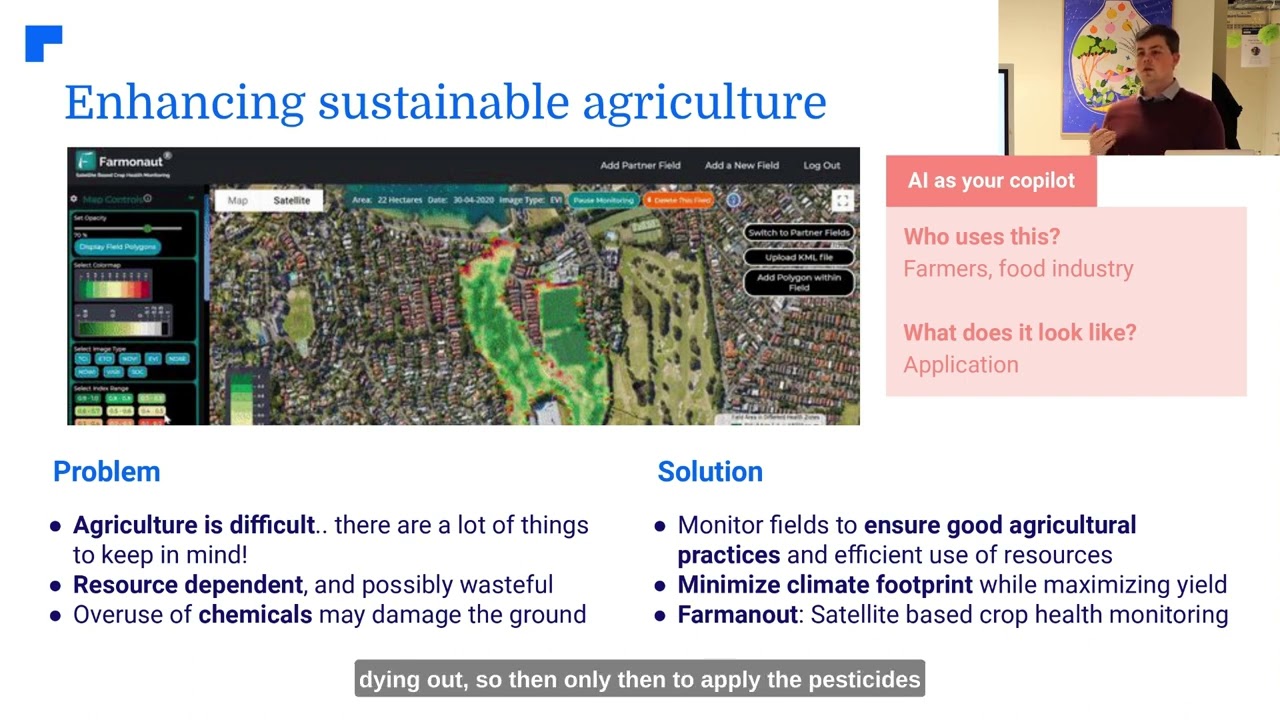
- Satellite Monitoring: Real-time mapping, environmental assessment, and resource tracking for minimizing land and water impact—increasingly popular across global mining operations.
- AI-based Process Optimization: Leveraging predictive analytics and machine learning for efficient brine extraction, yield maximization, and carbon management.
- Closed-loop Water Systems: Multi-stage treatment and recycling for near-zero discharge and minimal aquifer drawdown.
Responsible Practices (Society & Governance)
- Transparent communication with local and indigenous groups, social licensing, and inclusive benefit programs
- Investment in infrastructure for community upliftment
- International certification—pursuing alignment with IRMA, the Initiative for Responsible Mining Assurance, and similar bodies
By making these practices standard, Rincon Lithium (and comparable projects in the Lithium Triangle) meet and often exceed rising global expectations for responsible, sustainable mineral production.
How Farmonaut Satellite Solutions Empower Sustainable Mining
As the demand for efficient resource management, environmental monitoring, and scalable data-driven solutions intensifies in mining and lithium extraction, Farmonaut’s satellite technology platform emerges as a critical enabler for operators, communities, and policymakers.
- Real-Time Monitoring: Our platform delivers satellite-driven insights on vegetation health, soil stability, and brine pond conditions, supporting quick, data-backed decisions for sustainable mining projects.
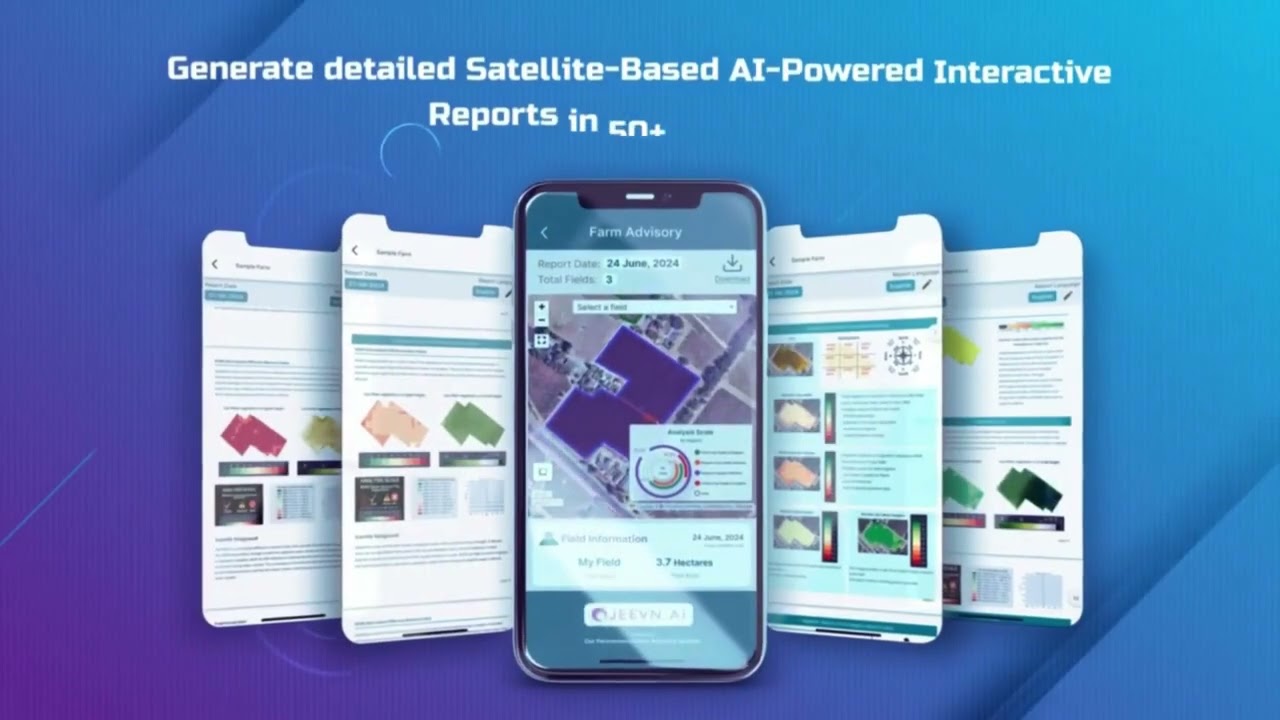
- AI-Based Advisory (Jeevn AI): Farmonaut’s AI analyzes multispectral data for custom recommendations on extraction efficiencies, environmental risks, and process optimization—enhancing productivity while meeting ESG mandates.
-
Blockchain Traceability: We offer digital traceability for lithium supply chains, promoting transparency and helping operators verify practices for “green lithium” certification.
Learn more: Product Traceability for Mining Supply Chains -
Fleet Management Solutions: For mining logistics, our satellite-driven fleet systems optimize vehicle deployment, reduce operational costs, and ensure safe, efficient mobility.
Discover Fleet Management for Mining & Infrastructure -
Environmental Impact Tracking: Our platform enables continuous carbon footprint monitoring for mining and lithium production—supporting cleaner operations and compliance.
See our Carbon Footprinting Solutions
These technologies ensure that mining operators in the Lithium Triangle—including those at Rincon—can stay competitive, transparent, and environmentally compliant in the rapidly evolving global lithium sector.
Access Farmonaut Platforms



Smart Mining & Environmental Monitoring Tools: Supporting the Lithium Boom
-
API Integration for Developers: Seamlessly incorporate satellite and mining insights into your business workflows with our comprehensive API.
Access the Farmonaut API | Read API Developer Docs -
Crop Loan & Insurance Verification: Satellite-based verification systems streamline processes for project financing and insurance in mining, agriculture, and more.
Explore Crop Loan and Insurance Solutions -
Large-Scale Resource Management: Monitor and optimize mining, infrastructure, and agricultural projects at scale directly from your web or mobile device.
Learn about the Agro Admin App for Large-Scale Projects
Farmonaut Subscriptions for Sustainable Mining, Resource Management & More
Farmonaut offers flexible, scalable satellite monitoring and advisory subscriptions for individual users, mining operators, businesses, and governments. Our modular plans help optimize resource management, boost productivity, reduce environmental impact, and ensure compliance in dynamic, fast-growing sectors like lithium mining.
Focus Keyword: The Future of Rincon Lithium Mining – Opportunities & Challenges
As Rincon Lithium and global mining leaders like Rio Tinto ramp up sustainable lithium production, several challenges remain on the path to 2026:
Key Challenges
- Price Volatility: Global lithium prices are subject to market cycles, new supply discoveries, and technological changes, impacting investment and project timelines.
- Geopolitical Risks: Political dynamics in South America (Argentina, Bolivia, Chile) can influence regulatory environments and international partnerships.
- Environmental Regulations: As regulation tightens, ongoing compliance with evolving environmental standards is critical.
- Technological Shifts: The rise of DLE and new hybrid extraction methods could disrupt established processes, requiring agile adaptation.
- Social & Community Expectations: Local and global attention to social, cultural, and ecological impacts will intensify, making continual improvement essential for long-term acceptance.
Opportunities & The Path Ahead
- Lead the sustainability standard: By 2026, Rincon Lithium is positioned to set new benchmarks for green mining in the lithium triangle.
- Accelerate the clean energy transition: Reliable lithium supply is the linchpin of decarbonizing transportation and energy globally.
- Foster innovation & adaptation: Projects that embrace digital, AI, and satellite innovations will maximize efficiency, minimize impact, and future-proof their operations.
Rincon Lithium, together with major industry players and advanced technology partners, is at the center of this transformation—supporting critical infrastructure for our renewable-powered future.
Frequently Asked Questions: Rincon Lithium, Sustainable Mining & The Future
Q1: Why is Rincon Lithium considered crucial for global energy and EV supply chains?
Rincon Lithium’s location in Argentina’s Salta Province within the Lithium Triangle provides access to some of the world’s largest and purest lithium brine reserves. As EV, energy storage, and electronics demand soars, Rincon’s sustainable production methods ensure reliable, high-quality supply needed by battery manufacturers worldwide.
Q2: What extraction technology does Rincon Lithium use, and why is it environmentally preferable?
Rincon Lithium uses brine-based extraction primarily, complemented by natural evaporation and emerging hybrid methods. These approaches consume less energy and chemicals, use solar evaporation, and significantly reduce water wastage compared to hard rock mining—reducing the environmental footprint and supporting Argentina’s sustainability goals.
Q3: How does Rincon Lithium ensure sustainable development for local communities?
By prioritizing local hiring, skills training, infrastructure enhancements, and active stakeholder engagement, Rincon Lithium supports inclusive growth and meaningful socio-economic development—setting itself apart as a responsible operator in the region.
Q4: Are there risks to the project’s viability through 2026 and beyond?
Fluctuating global prices, shifting regulations in South America, social expectations, and potential technological disruptions pose risks. However, with strong sustainability frameworks, technological innovation, and strategic planning, Rincon Lithium is well-positioned to mitigate these risks and lead the industry.
Q5: How do satellite monitoring and digital tools (like Farmonaut) support sustainable mining practices at Rincon?
Satellite monitoring ensures ongoing assessment of land use, vegetation, water cycles, and brine reservoirs, allowing for real-time environmental impact evaluation. AI-driven solutions and blockchain traceability provide unprecedented transparency and operational efficiency, ensuring Rincon Lithium can maintain both global competitiveness and environmental responsibility.
Conclusion: Charting a Sustainable Path Forward with Rincon Lithium
The story of Rincon Lithium & Mining in Argentina’s Salta Province is one of innovation, strategic foresight, and environmental stewardship. By embracing advanced extraction technologies, partnering with global industry leaders like Rio Tinto, and fostering community-centric, responsible practices, Rincon Lithium is helping to redefine how we extract, supply, and manage critical minerals for the clean energy transition through 2026 and far beyond.
As lithium cements its place at the heart of the global EV and renewable energy revolutions, projects like Rincon not only ensure that demand is met, but that it’s done with respect for the environment, the local society, and the future of our planet. The model being forged at Salar de Rincon—with sustainability, efficiency, and transparency as guiding principles—offers a template for responsible mining across South America and the world.
For those driving the electrification of transportation, the stabilization of grids, or the expansion of battery technology, Rincon Lithium stands as both a critical supplier and a beacon of what is possible with the right blend of innovation, stewardship, and strategic leadership. The lessons learned and best practices developed here are likely to impact not just Argentina, Bolivia, and Chile—but the broader future of sustainable mining and energy resilience worldwide.

 Berks Gold Limited
 Mwerezi Minerals Company Limited
 Congo Mining Solutions
 Mining SARL
 SenGold Invest SAS
 Sania Corporation
 Sean Mining Limited
 NTS Group (Pty) Ltd
 Mine4Africa
 Lithspo Minerals Limited
 Tintina Mining Group
 Dalgety Minerals Pty Ltd
 Vortex Minerals Pty Ltd
 Faith At Work (Pty) Ltd
 Geotech Mining Solutions plc
 Vulcan International Limited
 Kidepo Associates
 GKY Mining
 Alkimy SARL
 Double A Trading
 GemSprout Metals Limited
 Qader Group
 Ileys General Trading
 SG Gold Mining LLC
 VRV Global Pte Ltd
 Omsri International FZE
 G.I.T.T.
 Jaunita Erss Ltd
