

Top Gold, Mining & Copper ETFs Performance Insights
Meta Summary: Explore top gold ETFs performance, mining ETFs, and copper ETFs. Dive into sector-focused investment insights for natural resource stakeholders in agriculture, forestry, minerals, and infrastructure.
Gold, Mining & Copper ETFs: A Strategic Overview
In today’s rapidly evolving natural resources landscape, exchange-traded funds (ETFs) offer investors, corporate stakeholders, and project planners focused exposure to commodity cycles, risk diversification, and sector-specific returns. Whether in agriculture, forestry, mining, infrastructure, or defense, these financial instruments track the performance dynamics of gold, mining, and copper—enabling tailored approaches to portfolio management, capital allocation, and risk planning in capital-intensive projects.
This article delivers comprehensive insights into top gold etfs performance, top gold mining etfs performance, and copper etfs performance. We go beyond simple returns, unpacking how funds interact with commodity pricing, sector demand cycles, and real-world project budgets. Whether you’re an investor seeking defensive hedges, a supplier responding to commodity-driven equipment orders, or a farm or forestry operator financing new infrastructure, understanding ETF performance is essential for navigating an environment shaped by inflationary and geopolitical pressures.
- ✔ Gold ETFs provide direct exposure to bullion, reflecting monetary sentiment.
- ✔ Gold Mining ETFs add operational leverage and stock-specific risk/return.
- ✔ Copper ETFs are highly sensitive to infrastructure demand and global construction cycles.
- ✔ Each ETF type influences capital budgets and project planning across natural resource sectors.
- ✔ Smart ETF allocation can buffer volatility and amplify returns on large-scale projects.
Key Insight
ETFs tracking precious and industrial metals offer sector-specific performance and liquidity advantages. Their returns are not solely driven by commodity prices but strongly influenced by operating, monetary, and macro-sector fundamentals.

Top Gold ETFs Performance: Defensive Assets Amid Sector Volatility
Gold’s unique status as a non-yielding, defensive asset means that gold ETFs perform best amid inflationary shocks, currency turbulence, and geopolitical risks. Investors and planners in mining, agriculture, forestry, and infrastructure projects often seek gold ETF exposure to hedge capital allocation and pricing volatility.
- ✔ Inflation Hedge: Gold’s perceived safety draws inflows when central banks signal easing or crisis looms.
- 📊 Monetary Policy: ETF flows reflect expectations around interest rates and currency strength.
- ⚠ Risk: In tightening cycles or when the USD is strong, gold ETF performance can wane as investor appetite shifts.
- ✔ Portfolio Buffer: Gold ETFs stabilize value across project life cycles in agriculture and mining by smoothing extreme volatility.
- ✔ Liquidity: Top gold ETFs are generally highly liquid, supporting tactical capital redeployment for equipment upgrades or project funding.
Investor Note
Gold ETFs do not pay interest or dividends. Their value tends to rise most quickly during times of economic instability, but can lag in strong equity or commodity ‘risk-on’ cycles. For sector stakeholders, a gold ETF position acts much like insurance within a diversified portfolio.
What Drives Top Gold ETFs Performance?
- ✔ Real Interest Rate Changes: As real rates fall, gold’s relative allure increases, drawing capital into ETFs.
- ✔ Currency Strength: Weakness in the dollar or other major currencies often boosts gold ETF demand, especially in emerging markets.
- ✔ Inflationary Pressure: Investors often seek gold ETFs during inflationary cycles, protecting purchasing power and stabilizing asset values.
- ✔ Market Uncertainty: Geopolitical turmoil, global pandemics, or trade war risk triggers flight-to-safety trades in gold ETFs.

Gold ETF Use Cases for Sector Stakeholders:
- ✔ Miners: Hedge risk on commodity price exposure; deploy gold ETF profits during metal price downturns for equipment or infrastructure upgrades.
- ✔ Agriculture: Smooth operational cash flows and manage budget risk during volatile commodity cycles.
- ✔ Forestry: Capex projects benefit from hedged returns during inflationary spikes impacting timber or land costs.
Common Mistake
Assuming all gold ETFs are created equal. Expense ratios, tracking methods, and underlying asset custody can differ dramatically. Select funds with robust liquidity, strong regulatory standing, and transparent reporting for best results—an especially vital consideration for agricultural or mining financing strategies.
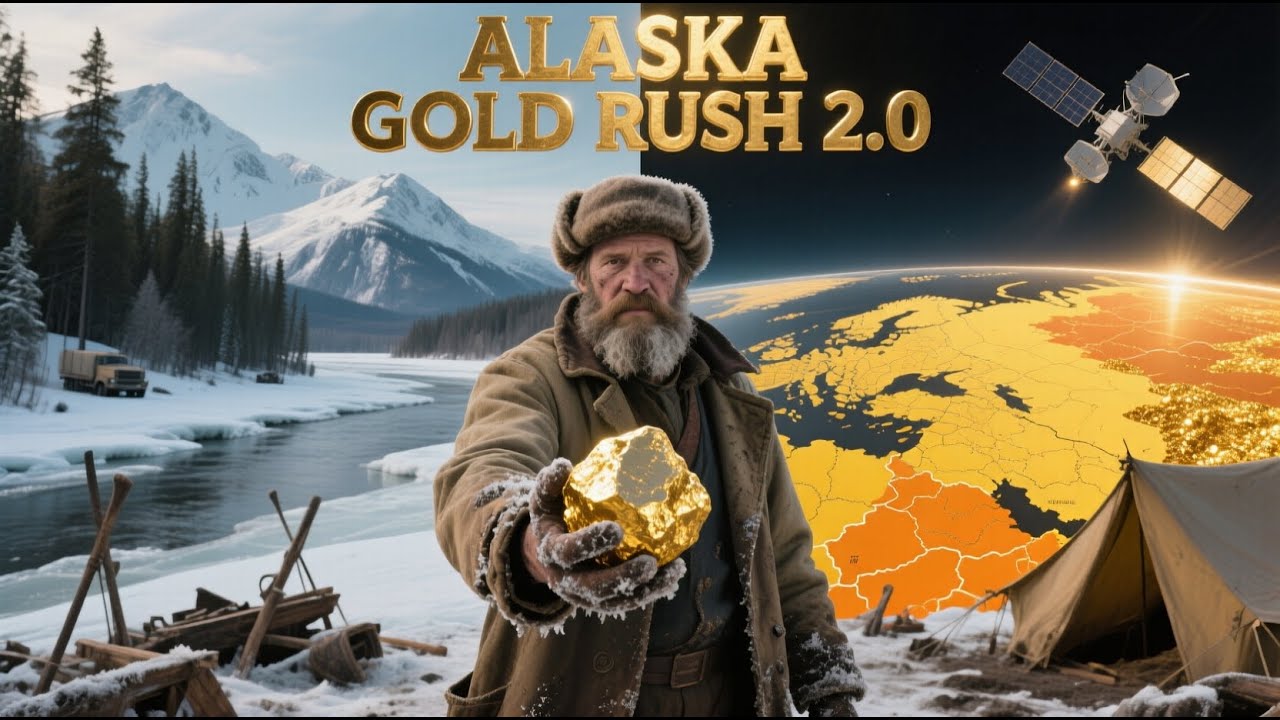
Top Gold Mining ETFs Performance: Operational Leverage & Risk Dynamics
While gold ETFs track direct precious metal price changes, gold mining ETFs add an extra layer of complexity and opportunity. These funds provide exposure to mining firms—from large, integrated producers to high-beta explorers. Their performance (top gold mining etfs performance) is influenced not only by bullion prices but also by exploration success, operational efficiency, cost controls, and macro sector cycles.
Pro Tip
Gold mining ETFs tend to outperform direct gold ETFs during sustained bull markets for precious metals, as mining stock profits can amplify gains with operational leverage. Conversely, they suffer greater losses in sudden price drops or when mining costs escalate.

Operational Dynamics of Gold Mining ETFs
- ✔ Leverage to Metal Prices: Profits can surge faster than bullion price in upswings but are more exposed to downturns.
- ✔ Cost Control: Low all-in sustaining costs and fuel-efficient operations drive outperformance among top funds.
- ✔ Hedging: Sophisticated hedging programs can reduce adverse exposure to falling prices (or lock in profits on the way up).
- ✔ Exploration Success: Positive discovery or expansion news often translates into ETF price rallies.
- ✔ Capital Efficiency: Higher capital cost discipline ensures cushioning against rising labor or energy prices.
Who should favor Gold Mining ETFs?
- ✔ Investors and miners seeking amplified performance during gold price upcycles.
- ✔ Agriculture/forestry project sponsors leveraging dividends from diversified mining equity holdings.
- ✔ Stakeholders who can tolerate increased volatility for potential outsized returns.
Copper ETFs Performance: Industrial Cycle Insights
Copper, often termed “Dr. Copper” for its economic signaling power, lies at the heart of global construction, manufacturing, and infrastructure. As such, copper ETFs performance is acutely sensitive to industrial demand cycles, supply chain shifts, and commodity price volatility. In forestry, agriculture, and infrastructure-linked mining projects, copper ETF returns can serve as an early-warning indicator for supplier pricing, equipment demand, and project budget planning.
Key Insight
Unlike gold, copper ETF returns often mirror the ups and downs of the global industrial cycle. Construction booms, EV adoption, and grid upgrades drive outperformance—but cyclical slowdowns or supply disruptions introduce sharp swings in both price and risk.

What Drives Copper ETFs Performance?
- ✔ Industrial Demand: Power infrastructure, renewable energy, and electronics catalyze robust copper ETF inflows during expansion cycles.
- ⚠ Volatility: Global supply chain disruptions in mining or logistics spike ETF volatility—impacting equipment suppliers, miners, and infrastructure budgeters.
- ✔ Commodity Supercycles: When synchronized global growth is underway, copper ETFs outperform most precious metals on a risk-adjusted basis.
- ✔ Cyclical Beta: Copper ETFs are ideal for those planning capital expenditure linked to construction, irrigation, or mining upgrades—returns often reflect new project momentum.

Sector-Specific Impacts of Copper ETFs:
- ✔ Mining: Drives supplier pricing, contract competitiveness and informs project financing decisions during cycle highs and lows.
- ✔ Agriculture: Large capital outlays for irrigation systems may be timed to copper price signals for cost efficiency.
- ✔ Forestry/Infrastructure: Equipment purchases and expansion often align with favorable ETF cycles to buffer operating costs.
Investor Note
Strong performance in copper ETFs can signal broader market appetites for growth and infrastructure investment—but also comes with above-average volatility, especially during periods of geopolitical shocks or supply chain interruptions.

Portfolio Strategies & Risk Management for Resource Stakeholders
Building a resource-smart ETF portfolio means balancing risk, opportunity, and cost discipline. For sponsors of mining, agriculture, and forestry projects—or those managing seasonal budgets—understanding category correlations is essential:
- Gold ETFs: Provide inflation/currency hedge and defensive capital buffer, stabilizing value amid volatility.
- Gold Mining ETFs: Offer operational leverage and the potential to capture amplified gains when gold prices surge—ideal for those seeking growth from exploration, efficient producers, or cost-hedged mining firms.
- Copper ETFs: Sensitivity to demand cycles make these a practical “beta” for timing capital-intensive projects linked to infrastructure expansion or equipment upgrades.
- ✔ Combining Exposure: Pairing a conservative gold ETF allocation with selected gold mining and copper ETF positions can optimize risk-adjusted returns across commodity, industrial, and project cycles.
- ✔ Active Risk Monitoring: Stay alert for currency swings, geopolitical changes, and sector regulations—these factors quickly impact ETF performance in all three categories.
- ⚠ Expense Ratios & Liquidity: Favor low-cost, high-liquidity funds. These tend to return value more consistently, especially in volatile project financing environments.
Ultimately, balancing hedging (gold), growth potential (mining), and cyclical sensitivity (copper) within ETF allocations is an optimal strategy for resource-based asset management in today’s complex environment.

Map Your Mining Site Here
Instantly identify high-prospect mineral zones, streamline exploration, and accelerate project cycles using Farmonaut’s globally proven satellite-driven analytics.
Map your mining site now →
Comparative Performance Overview Table
Use this easy-reference table to analyze sector-leading ETFs across top gold ETFs performance, top gold mining ETFs performance, and copper ETFs performance. Compare their estimated returns, costs, volatility, and portfolio composition to optimize investment or project allocation decisions.
| ETF Name | Sector | 1-Year Est. Return (%) | 3-Year Est. Return (%) | Est. Volatility (Std Dev %) | Expense Ratio (%) | Key Holdings (% in Top 3) |
|---|---|---|---|---|---|---|
| SPDR Gold Shares | Gold | 10.8 | 9.4 | 14.1 | 0.40 | Bullion: 100% |
| iShares Gold Trust | Gold | 10.6 | 9.2 | 14.3 | 0.25 | Bullion: 100% |
| VanEck Vectors Gold Miners ETF | Gold Mining | 8.3 | 6.9 | 24.2 | 0.53 | Newmont (12%), Barrick (10.4%), Franco-Nevada (8.5%) |
| iShares MSCI Global Gold Miners ETF | Gold Mining | 7.8 | 6.5 | 23.9 | 0.39 | Newmont (11.8%), Barrick (9.9%), Agnico Eagle (7.2%) |
| Global X Copper Miners ETF | Copper | 12.7 | 11.4 | 28.1 | 0.65 | Freeport-McMoRan (17.2%), First Quantum (8.9%), Southern Copper (8.5%) |
| United States Copper Index Fund | Copper | 10.9 | 10.1 | 25.6 | 0.80 | Futures Contracts (100%) |
| Amplify Advanced Battery Metals and Materials ETF | Copper/Mining | 13.4 | 10.5 | 27.5 | 0.59 | Albemarle (14%), Glencore (9.8%), Freeport-McMoRan (9.1%) |
| VanEck Vectors Junior Gold Miners ETF | Gold Mining | 9.2 | 7.6 | 29.8 | 0.54 | SSR Mining (7.3%), Pan American Silver (6.8%), Kinross (6.1%) |
| Aberdeen Standard Physical Gold Shares ETF | Gold | 10.4 | 9.0 | 13.9 | 0.17 | Bullion: 100% |
- ✔ Gold ETFs: Consistent, lower volatility returns—best for capital preservation.
- ✓ Gold Mining ETFs: Offer higher growth potential but with increased risk—suitable for aggressive returns.
- ✔ Copper ETFs: Deliver cyclical, high-beta returns—ideal for infrastructure and equipment-linked investments.
Key Insight
Combining ETF exposure to gold, mining, and copper can help balance growth and defense, crucial for capital-intensive projects in uncertain market climates.
Pro Tip
Review ETF composition frequently. Top gold mining ETFs’ major holdings may shift after mergers or exploration success, quietly impacting portfolio performance and risk.
Common Mistake
Buying sector ETFs just because of recent outperformance—timing entries and managing exposure based on project timeframes and cash flow cycles is crucial for sector-aligned results.
Satellite-Driven Mineral Intelligence: The Farmonaut Advantage
Mineral exploration and project financing in gold, copper, and associated sectors are being transformed by new data intelligence paradigms. At Farmonaut, we’re proud to deliver satellite-based mineral detection and AI-driven investment intelligence—helping firms conduct broader, faster, and more sustainable mineral discovery for capital budgeting and financing needs.
- ✔ Speed: Reduce exploration timelines from months to days—accelerate returns and reduce capital risk before field deployment.
- ✔ Cost: Lower early-stage mineral discovery costs by 80–85%, reallocating resources to high-potential projects.
- ✔ Non-Invasive: No land disturbance or environmental risk during early investigation—crucial for sustainability targets in mining and infrastructure.
- ✔ Coverage: Objectively evaluate entire regions before engaging expensive, high-risk on-ground exploration.
- ✔ Actionable Deliverables: Access GIS-compatible, prospectivity heatmaps, and advanced 3D models for rapid investor decision-making.
Our satellite based mineral detection solution is engineered for both technical teams and commercial managers. By combining multispectral and hyperspectral Earth observation data with proprietary algorithms, we detect mineralized targets, alteration halos, and geological structural features at a global scale—delivering results for gold, copper, and other strategic minerals in as little as five days.
- ✔ Supports both broad-band and narrow-band mineral detection (including gold, silver, copper, cobalt, lithium, uranium, star garnets, and critical rare earth elements).
- ✓ Quantified Time & Cost Savings: Substantial reductions in wasted exploration capital—redirect funds to the most promising targets.
- ⚠ Minimize Drilling Risk: Our Premium+ (TargetMax™ Drilling Intelligence) report features optimal drilling angles and high-confidence 3D models.
- ✔ Sustainable Mining: No ground disturbance, lower emissions, and ESG-friendly workflows support responsible investment mandates.
- 📊 Data Insight: Over 13 mineral types and 18 countries covered—demonstrating proven adaptability and sector-agnostic value.
To learn more about our advanced mapping and investment guidance, download our satellite driven 3D mineral prospectivity mapping brochure. It details our methods and actionable outputs for gold, copper, and beyond.
Ready to streamline your project from above? Map your mining site with Farmonaut for rapid, AI-powered mineral target detection—cutting years off exploration and maximizing every exploration budget dollar.
Have questions about technology fit or sector coverage? Contact Us for an expert demo and tailored exploration strategy.
- 🌍 Global Reach: Proven across 18+ countries and diverse climates
- 🌀 Fast Turnaround: Mineral site analytics in days, not months
- 🛰 AI-Driven Precision: Spectral analysis for pinpoint targeting
- 🔗 ESG Value: Non-invasive—aligns with responsible mining mandates
- 📈 Portfolio Influence: Supports smarter capital budgeting in gold/copper
- 💰 ETF Returns: Capture alpha in resource cycles
- ⚡ Farmonaut Guidance: Target high-prospect sites for new projects or JV investment
- 🗺 Risk Control: Use both ETF volatility data and mineral mapping to smooth returns
- 📊 Data-Driven Financing: Align capital deployment with leading intelligence
- 🌳 Industry Diversification: Enable cross-sector resource portfolios (ag, minerals, forestry, defense)
Summary: Navigating Top Gold, Mining & Copper ETFs in Resource Sectors
ETF strategies for gold, copper, and mining are not just abstract: they impact financing decisions, supplier relationships, project budgets, and the risk/return foundation of sector ventures from agriculture and forestry to minerals and infrastructure.
- ✔ Copper ETFs reflect global manufacturing and infra demand—essential for supplier, equipment, and budgeting outlooks.
- ✔ Gold and gold mining ETFs deliver defensive value and growth upside—counterbalancing commodity and currency shocks.
- ✔ Portfolio construction should harmonize defensive hedges with growth-oriented, cyclical exposures for balanced risk.
- ✔ Modern mineral intelligence platforms, like Farmonaut’s satellite-driven mapping, accelerate project viability, lower exploration costs, and bring new ESG-driven opportunities for sustainable mining projects worldwide.
Frequently Asked Questions (FAQs)
1. What are the core differences between gold ETFs and gold mining ETFs?
Gold ETFs track physical bullion only (spot gold price). Gold mining ETFs track groups of producer or explorer stocks—returns are driven by both gold price movements and each company’s cost, efficiency, and operational leverage.
2. Are copper ETFs more volatile than gold ETFs?
Yes. Copper ETFs generally display higher volatility due to their sensitivity to industrial demand cycles, global construction trends, and supply chain disruptions, whereas gold ETFs are often more resilient as defensive assets.
3. How should resource sector investors use ETF data in daily decision-making?
Track returns, volatility, and flows across ETF categories to inform capital budgeting, timing of equipment purchases, and risk buffers in project financing. Strong ETF performance signals can validate expansion plans or hedging needs.
4. Is Farmonaut an exploration firm or equipment supplier?
No. Farmonaut is a satellite data analytics company providing advanced mineral prospectivity mapping and intelligence for investment and early-stage exploration decision makers.
5. What is the main benefit of Farmonaut’s satellite-based mineral detection for ETF investors?
Farmonaut enables faster, more objective targeting of high-prospect geology—empowering mining sector ETF investors and project sponsors to allocate capital more efficiently and reduce exploration risk and costs.
Contact Us Today
- Satellite Based Mineral Detection → Accelerate your mineral project intelligence, lower initial costs, and support non-invasive exploration workflows.
- Get a Quote for Your Mining Project → Obtain a customized estimate for satellite-driven insights.
- Map Your Mining Site Here → Unlock powerful prospectivity analytics and 3D mineral targeting today!
Note: The content above is optimized for maximum sectoral utility across mining, agriculture, forestry, infrastructure, and defense stakeholder interests—delivering real-world ETF performance insights and practical technology applications for capital innovation and risk management.
Discussion
Questions, corrections or field experience? Share them below. First-time comments are reviewed before they appear, and your email is never published.
No comments yet. Be the first to add a question or your experience.

 Mining SARL
 SenGold Invest SAS
 Sania Corporation
 Sean Mining Limited
 NTS Group (Pty) Ltd
 Mine4Africa
 Lithspo Minerals Limited
 Tintina Mining Group
 Dalgety Minerals Pty Ltd
 Vortex Minerals Pty Ltd
 Faith At Work (Pty) Ltd
 Geotech Mining Solutions plc
 Vulcan International Limited
 Kidepo Associates
 GKY Mining
 Alkimy SARL
 Double A Trading
 GemSprout Metals Limited
 Qader Group
 Ileys General Trading
 SG Gold Mining LLC
 VRV Global Pte Ltd
 Omsri International FZE
 G.I.T.T.










