

Top Potash Producing Countries & Gold Producers Africa: Mining Trends Shaping Global Agriculture & Supply Chains
Introduction: Potash—A Critical Input in Global Agriculture
Potash stands at the heart of the world’s agricultural landscape, driving soil fertility, yield outcomes, and food security across continents. As we examine the top potash producing countries and major gold producers in Africa, the implications for global mining trends, supply chain stability, nutrient management, and farmer planning become remarkably clear.
This blog explores the distribution, production, and influence of potash in agriculture. We’ll analyze how dominant players in potash and gold command vast mines and logistics networks—ultimately shaping what ends up on farm fields around the world. We’ll spotlight the top producers, their mining operations, mineral output, and trace how these resources support agricultural programs, especially in nutrient-hungry regions.
Along the way, we’ll highlight the latest technologies and strategies, such as satellite-based mineral detection by Farmonaut, that are transforming mineral exploration and making supply chains more transparent, efficient, and environmentally sustainable.
Potash is not a single mineral, but a group of potassium-bearing salts essential for plant regulation of water, starch formation, protein synthesis, disease resistance, and overall crop vigor.
Potash—Mining, Supply Chains, and Agricultural Impact
The global significance of potash comes from its role as a fertilizer input feeding billions each year. The world’s top potash producing countries—notably Canada, Russia, Belarus, China, and Germany—control the majority of production, influencing pricing, export cycles, and agricultural outcomes on every continent. As miners extract potash from vast underground deposits, integrated supply chains efficiently move this valuable nutrient from mines to farms.
- Potash mining utilizes advanced extraction, processing, and refining technologies, minimizing water and land use where possible.
- Supply stability depends on large-scale, well-capitalized operators who can weather global shocks.
- Consistent potash output allows manufacturers to forecast procurement needs, negotiate contracts, and plan fertilizer programs that align with planting calendars.
- Regional pricing and inventory cycles are closely tied to reliability from major potash producing countries.
- The sustainability and environmental management of potash operations are becoming as important as their volume and price.
With potash as a critical lever for yield and soil health, disruptions to supply can ripple through the food system, reinforcing the importance of diversified sources and modern technology-driven exploration.
Watch for emerging producers in Africa and Asia with new potash mining projects. Strong regional production can boost nutrient access and lower local fertilizer prices!

The Top Potash Producing Countries: Ranking & Analysis
The top potash producing countries are not only major exporters but also trendsetters for fertilizer pricing, technology, and agronomic strategies worldwide. Their influence reaches from big agribusinesses managing millions of hectares to farmers in regions with nutrient-hungry soils.
2023 Global Potash Output: Who Leads?
Potash production is concentrated in a handful of countries with vast underground reserves beneath sedimentary basins and salt belts. Top rankings shift only slightly year to year, but even a minor disruption from one dominant player—due to strikes, policy changes, or new regulations—can impact global supply.
- Canada: #1 by volume and global influence; home to the world’s largest operational potash mines in Saskatchewan.
- Russia: Consistently ranked #2, leveraging vast reserves and integrated rail and port logistics.
- Belarus: Among the top three, but its market share fluctuates with political and trade dynamics.
- China and Germany: Key producers with large-scale mining and processing facilities supporting domestic demand and export.
- Other notable countries include Israel, Jordan, and the United States, whose potash output plays vital regional roles.
The top 5 potash producing countries account for over 85% of worldwide potash supply, securing global food production and fertilizer availability.
Comparative Data Table: Leading Potash Producers
| Rank | Country | Estimated Potash Production (2023, MMT) | Global Share (%) | Key Export Destinations | Relevance to Agricultural Supply Chains |
|---|---|---|---|---|---|
| 1 | Canada | ≈ 21.5 | ≈ 32% | U.S., Brazil, China, Indonesia, India | Critical provider; sets global price trends; top export volume maintains supply stability. |
| 2 | Russia | ≈ 9.5 | ≈ 14% | Brazil, China, India, Europe | Major supplier to developing economies; geopolitical factors impact pricing, supply chain robustness. |
| 3 | Belarus | ≈ 8.5 | ≈ 13% | China, Brazil, EU | Global swing producer; policy and trade disruptions ripple through international markets. |
| 4 | China | ≈ 7.0 | ≈ 10% | Mostly domestic; some exports to ASEAN, South Asia | Major domestic consumption supports Asia-Pacific food security. |
| 5 | Germany | ≈ 2.8 | ≈ 4% | Europe, Brazil | Key supplier to the EU; known for specialized processed fertilizer blends. |
| 6 | Israel | ≈ 2.6 | ≈ 4% | Europe, India, South America | Export-focused; supplies strategic ports, feeds blending operations worldwide. |
| 7 | Jordan | ≈ 1.7 | ≈ 2.5% | India, Asia, regional export | Essential for Asian and Middle-Eastern blending hubs. |
| 8 | USA | ≈ 0.6 | ≈ 1% | Domestic, regional | Ensures local supply for North America, import decline buffer. |
Africa’s Top Gold Producers (2023)
| Country | Estimated Gold Production (tons) | Global Ranking |
|---|---|---|
| Ghana | ≈130 | 6th |
| South Africa | ≈110 | 8th |
| Sudan | ≈90 | 11th |
| Mali | ≈70 | 14th |
| Burkina Faso | ≈55 | 16th |
| DRC | ≈50 | 17th |
Assuming global potash supply is diversified. In reality, the top three countries (Canada, Russia, Belarus) control almost 60% of production—creating strategic risk.

Potash as a Crop Nutrient: Science, Soil, and Plant Health
Potash, serving as the primary source of potassium (K) in fertilizers, supports numerous critical functions across a plant’s lifecycle—from water regulation to protein synthesis and disease resistance. Its recurring application is necessary for soil replenishment and balanced nutrition, especially after intensive cropping cycles.
Potash Benefits for Crop Health:
- ✔ Water Use Efficiency: Enhances uptake and retention in plant tissues.
- ✔ Starch & Protein Formation: Aids synthesis, crucial for grains, tubers, fruits.
- ✔ Disease and Stress Resistance: Improves cell wall strength and pathogen defense.
- ✔ Drought Tolerance: Increases resilience during low-moisture seasons.
- ✔ Yield Stability: Maintains high yields in both intensive and rotational cropping systems.
Farmers in regions like North America’s Corn Belt or Brazil’s Cerrado routinely analyze soil potassium after each harvest. In sandy, leached soils, balanced fertilizer programs become critical to sustain soil structure and long-term productivity.

Growth in vertical integration—mining companies acquiring logistics and distribution networks—reduces price volatility and supports stronger farm-gate delivery.
Potash Supply Chains: From Extraction to Farm Gate
Integrated supply chains are the backbone that connects mineral extraction to the crop field. Let’s follow the potash journey:
- 🛢️ Extraction: Potash ores are mined via shaft or solution mining, often from deposits deep beneath the earth’s crust.
- 🏭 Processing: Mined ore is crushed, floated, and refined into potassium-rich compounds such as potassium chloride (MOP) and potassium sulfate (SOP).
- 🚛 Transportation: Bulk potash then moves via integrated railways, pipelines (for brine), and ports—sometimes over thousands of kilometers.
- 🏪 Distribution: Fertilizer manufacturers blend potash with nitrogen and phosphorus, formulating products tailored for different soil, crop, and climate needs.
- 🚜 Application: Distributors and agrodealers supply products to agribusinesses and farmers, aligning with planting calendars and rotation cycles.
The stability of these interconnected chains determines whether farmers get access to timely, cost-effective, and quality-graded fertilizers—or face shortages, adulteration, and high prices during crucial seasons.
For more on advanced, geospatial monitoring along supply chains and mapping production sites, visit:
Map Your Mining Site Here

Five Facts Every Stakeholder Should Know:
- 💡 Canada, Russia, and Belarus together account for over half of the world’s potash exports and are central to global supply stability.
- 🌍 Potash pricing is highly sensitive to geopolitical events, transport bottlenecks, and export duties.
- 🧪 Balanced nutrient programs incorporating potash are essential to prevent deficiencies and maximize soil health—especially after multiple cropping cycles.
- 🤝 Long-term procurement contracts with major producers can help agribusinesses manage inventories and reduce risk.
- 🌱 Potash deficiencies are most common in regions relying on single-crop or intensive belt harvests, translating to lowered yields and profit volatility.
Top Gold Producing Countries Africa: Regional Insights
Africa is a powerhouse for mineral wealth, not only in potash reserves (notably in Ethiopia and Congo) but also in gold production. The continent’s gold output, led by Ghana, South Africa, and partners, crossed 800 metric tons in 2022—placing several African nations in the global top 10.
Gold mining strengthens economies, supports regional employment, and attracts international investment. African producers connect with buyers in Asia, Europe, and the Americas via sophisticated transportation and logistics networks.
- 🇬🇭 Ghana – Africa’s current #1, overtaking South Africa in recent years.
- 🇿🇦 South Africa – Historically #1, now still among top producers globally.
- 🇸🇩 Sudan, 🇲🇱 Mali, 🇧🇫 Burkina Faso, 🇨🇩 DRC – Each with significant annual outputs.
- 🔝 Combined gold exports fuel financial reserves and development programs across West and Central Africa.
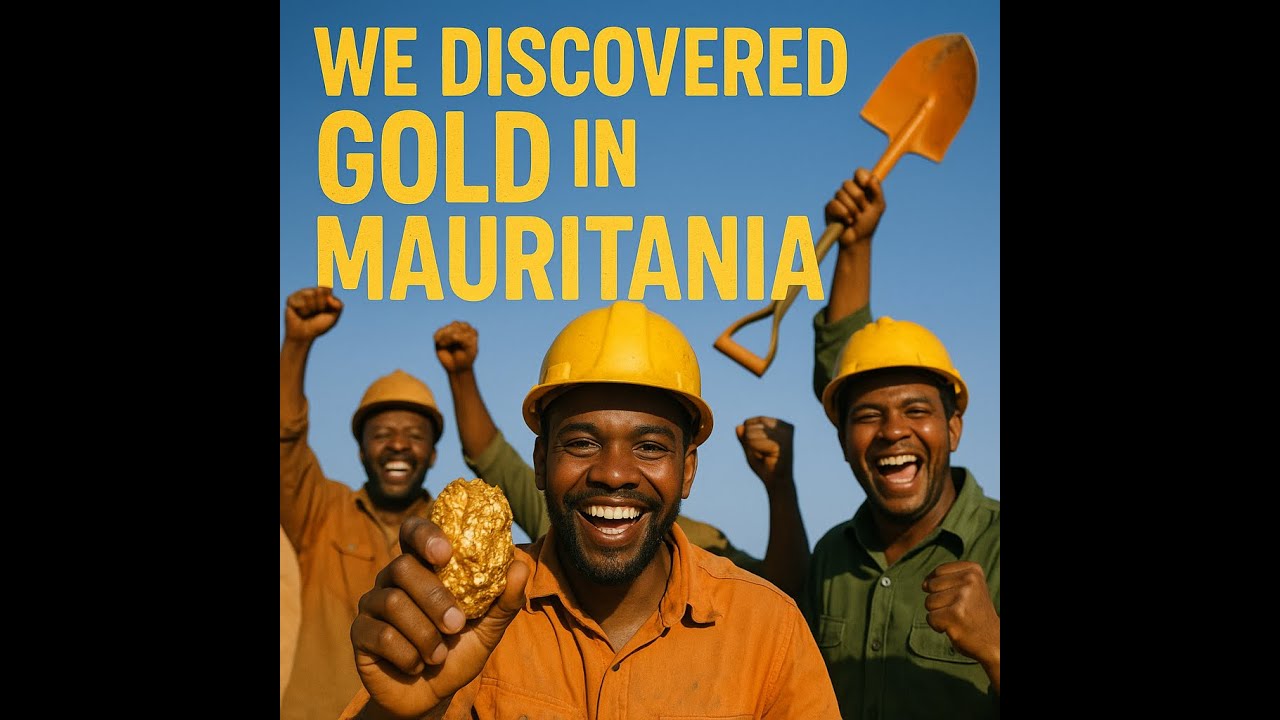
To learn how mineral detection is accelerating discovery and responsible mining in Africa, read about Farmonaut’s satellite-based mineral detection—a solution modernizing prospect validation and reducing exploration time by up to 85%.
Planning, Pricing & Stability: What It Means for Farmers
For farmers and agribusinesses, reliable potash supply is a cornerstone of input planning and risk management. In regions where crops face recurring potassium depletion, the ability to forecast nutrient cycles and secure long-term contracts with distributors can mean the difference between bumper harvests and struggling yields.
- 🌱 Stable supply chains help producers align fertilization programs with diverse planting, rotations, and harvest calendars.
- 💲 Pricing transparency reduces risk during critical crop cycles and helps smallholders budget inputs.
- 🌎 Policy shifts—like export duties or strategic stockpiling—in major producer countries can impact fertilizer availability for millions of hectares worldwide.
- 🤝 Blended and branded fertilizers from mature supply chains offer region-specific advantages, from micronutrient blends in wheat belts to season-customized formulations in tropical croplands.
Ultimately, soil fertility management isn’t just a technical process—it’s fundamentally linked to the global dance of mining capacity, cross-border distribution, and strategic international policy.
Mining Trends, Policies, and Satellite-Driven Exploration
Modern potash mining and exploration are entering a new era—marked by digital transformation, satellite data, and high environmental standards. The advantages of using satellite-based mineral detection include:
- ⚡ Rapid, non-invasive target zone screening for minerals across vast landscapes
- 🌱 Reduced land use impact, minimal surface disturbance during the early exploration phase
- 💸 Up to 80–85% lower exploration costs compared to traditional drilling and ground surveys
- 🌩️ Advanced identification of alteration halos, faults, or structures indicative of rich deposits
- 🛰️ Greater clarity and transparency for investors, regulators, and mineral supply chains globally
This is where Farmonaut’s geospatial intelligence platform shines. By using satellite based mineral detection, future-facing mining companies and exploration firms can screen, validate, and accelerate the discovery of critical minerals—with substantial time and cost savings.
For advanced solutions in prospectivity mapping—visualizing mineral hotspots in 3D for smarter drilling and investment decisions—explore our satellite driven 3D mineral prospectivity mapping service.
Next-gen satellite analytics not only reduce environmental disturbance, but also enable better land use management, supporting both mineral recovery and healthy agricultural soils.
Satellite Intelligence: Farmonaut’s Role in Modern Mineral Exploration
At Farmonaut, we empower the mining sector with Earth observation, remote sensing, and modern AI to radically enhance mineral exploration. Instead of waiting months for ground surveys, our satellite-driven analytics reduce exploration timeframes to days, slash costs, and help you prioritize prospects before ever deploying a rig.
- 🛰️ Objective, data-rich analysis—covering over 80,000 hectares globally, with proven use for gold, lithium, copper, rare earths, and more.
- ⚡ Efficiency—clients save 80–85% in costs and cut multi-year timelines by up to 90%.
- 📦 Actionable intelligence—reports include high-potential target zones, heatmaps, prospectivity scores, depth estimates, geological structures, and more.
- 🌍 Accessible across continents—our solutions adapt to all major terrains and climates, directly supporting modern mining and agricultural supply chains.
Ready to modernize your exploration workflow?
Get Quote |
Contact Us |
Map Your Mining Site Here

With access to consistent, high-quality potash, precision agriculture initiatives can optimize nutrient placement, minimize waste, and maximize returns per hectare—improving both profitability and sustainability.
Frequently Asked Questions (FAQ)
What is potash, and why is it important in agriculture?
Potash refers to mined potassium-bearing salts, chiefly potassium chloride (MOP) and potassium sulfate (SOP). It delivers essential potassium—a macronutrient that enables water regulation, starch and protein formation, and resistance to crop diseases, thus supporting healthy yields in diverse farming systems.
Which are the top potash producing countries?
The top potash producing countries are Canada, Russia, Belarus, China, and Germany, together accounting for the vast majority of global production. Israel, Jordan, and the United States are also significant contributors, particularly for regional agricultural supply.
How does potash mining impact pricing and farmer access?
The output of major producers influences pricing, contract negotiations, and inventory management for fertilizer manufacturers and distributors. Any disruption in supply—whether from trade policy, operational downtime, or export restrictions—can raise input costs, especially affecting price-sensitive farmers in developing regions.
What are Africa’s top gold producing countries, and what is their global significance?
Ghana, South Africa, Sudan, Mali, Burkina Faso, and DRC are leading African gold producers. Collectively, they reinforce Africa’s role in global mining, trade, and supply chain resilience, with strong economic and employment linkages.
Can satellite technology really transform mineral exploration?
Yes. Solutions like Farmonaut’s satellite-based mineral detection offer rapid, cost-effective, and environmentally friendly ways to screen areas, identify promising mineralized zones, and guide ground-based exploration—saving time, money, and minimizing ecological impact.
Conclusion
Understanding the top potash producing countries and the leading gold producers in Africa is more than a mining or commodity story—it’s fundamentally about the health of global agriculture, food security, and the future of sustainable exploration. From deep beneath the earth’s crust to farm fields and export markets, potash and gold drive regional development, support robust supply chains, and ensure that global cropping systems remain resilient and productive.
As both agriculture and mining evolve, embracing advanced intelligence, digital mapping, and satellite-driven prospectivity can unlock new value, transparency, and sustainability for all stakeholders. Whether you’re mapping mining prospects, forecasting fertilizer demand, or planning your next investment, stay informed on who leads, who innovates, and how these minerals shape the future.
For custom exploration intelligence, mapping, and satellite analytics, reach out to us today—let’s modernize mineral discovery and agricultural input planning together.


 Berks Gold Limited
 Mwerezi Minerals Company Limited
 Congo Mining Solutions
 Mining SARL
 SenGold Invest SAS
 Sania Corporation
 Sean Mining Limited
 NTS Group (Pty) Ltd
 Mine4Africa
 Lithspo Minerals Limited
 Tintina Mining Group
 Dalgety Minerals Pty Ltd
 Vortex Minerals Pty Ltd
 Faith At Work (Pty) Ltd
 Geotech Mining Solutions plc
 Vulcan International Limited
 Kidepo Associates
 GKY Mining
 Alkimy SARL
 Double A Trading
 GemSprout Metals Limited
 Qader Group
 Ileys General Trading
 SG Gold Mining LLC
 VRV Global Pte Ltd
 Omsri International FZE
 G.I.T.T.
 Jaunita Erss Ltd
