

What Caused the California Gold Rush? Key Economic Effects on Agriculture, Forestry, Minerals & Infrastructure
“The California Gold Rush boosted the state’s population from 14,000 in 1848 to over 300,000 by 1854.”
The California Gold Rush stands as one of history’s defining moments—what caused the California gold rush, and how did it change California’s population and economy? is a question still relevant to agriculture, forestry, mining, and infrastructure studies today. Sparked in 1848 by James W. Marshall’s discovery at Sutter’s Mill, the gold rush triggered a sudden, colossal surge in migration and resource utilization. This influx not only transformed population patterns, but fundamentally altered land use, prompted massive demand for food, timber, minerals, and infrastructure, and reshaped the entire economic and agricultural landscape of California.
In this comprehensive article, we dissect the roots of the gold rush, explore demographic and economic effects across key sectors, and assess the enduring consequences for agriculture, forestry, mineral resource management, and regional development—from the Central Valley’s wheat and orchards to the timber-rich Sierra foothills and beyond.
What Sparked the California Gold Rush: The Discovery at Sutter’s Mill
1848: James Marshall’s Discovery
The genesis of the California Gold Rush lies in a sudden discovery on January 24, 1848, at Sutter’s Mill along the American River near Coloma, California (see map below). James W. Marshall, a carpenter, noticed glimmers in the riverbed—soon confirmed to be gold. News moved quickly: first within California, then to San Francisco, and ultimately sweeping the globe. This remarkable event created a massive, immediate influx of people and investment, fundamentally reshaping the region’s landscape in ways that intersect with agriculture, forestry, mining, and infrastructure.
Within months, thousands of hopeful “49ers” and newcomers from Latin America, Europe, Asia, and the eastern U.S. were streaming into California, establishing mining camps, new towns, and supply corridors. The magnetism of gold catalyzed population booms, shifted land use patterns, and galvanized economic transformation.

Why Did the Discovery Cause Such a Rush?
- ✔ Global Gold Demand: Gold had intrinsic value for trade, banking, and personal wealth, making even rumors of a new strike globally significant.
- ✔ Economic Instability: The late 1840s marked uncertain times in the U.S., with recent financial panics. Gold meant instant opportunity.
- ✔ Territorial Transition: California shifted hands from Mexico to the U.S. in the Mexican-American War, creating fluid land rights and fewer barriers to migration.
- ✔ Accessible Landscape: California’s river systems, rangelands, and forested foothills offered the ideal terrain for mining and rapid settlement.
Trivia:
“Gold Rush mining output peaked at $81 million in 1852, fueling rapid infrastructure and agricultural expansion.”
Immediate Causes and Population Surge: Land Use Intensifies
Sudden, Massive Influx and Its Land Effects
When gold was discovered, the effect was a sudden, massive influx of people—hundreds of thousands within just a few years. Populations in key cities and mining regions exploded, outpacing existing settlement patterns. New towns, camps, and farms emerged along supply corridors needed to service miners. The rush intensified agricultural land use near river systems, the delta, and the fertile Central Valley, as demand for food, shelter, farming supplies, and timber soared.

- 📊 Population Growth: The region’s population ballooned from roughly 14,000 in early 1848 to over 90,000 by the end of 1849, and over 300,000 by 1854—making it one of the fastest demographic booms in U.S. history.
- 📊 Rapid Land Conversion: Rangelands and marginal farmland near rivers and mining zones were swiftly converted to farms, ranches, and towns to feed and house the newcomers.
- ⚠ Natural Resource Strain: Intensive demand outstripped earlier, extensive land-use patterns, pressuring both arable land and forested zones for immediate provisioning.
The Role of Natural Resources & Emerging Infrastructure
California’s diverse natural resources played a central role in enabling the gold-fueled population influx:
- ✔ Timber: Needed for mining structures, fuel, and rapid town building. The rise of logging and sawmills paralleled mining booms.
- ✔ River Systems: Provided both power for mining and transportation routes, and also became the focus of irrigation and water diversion efforts.
- ✔ Fertile Delta & Central Valley: Accelerated agricultural production—grain, cattle, and orchards—to supply both urban markets and miners in remote camps.
The sudden, massive, and ongoing population shift directly catalyzed land use changes, agricultural intensification, and the expansion of infrastructure networks connecting cities, mining centers, and rural supply zones.
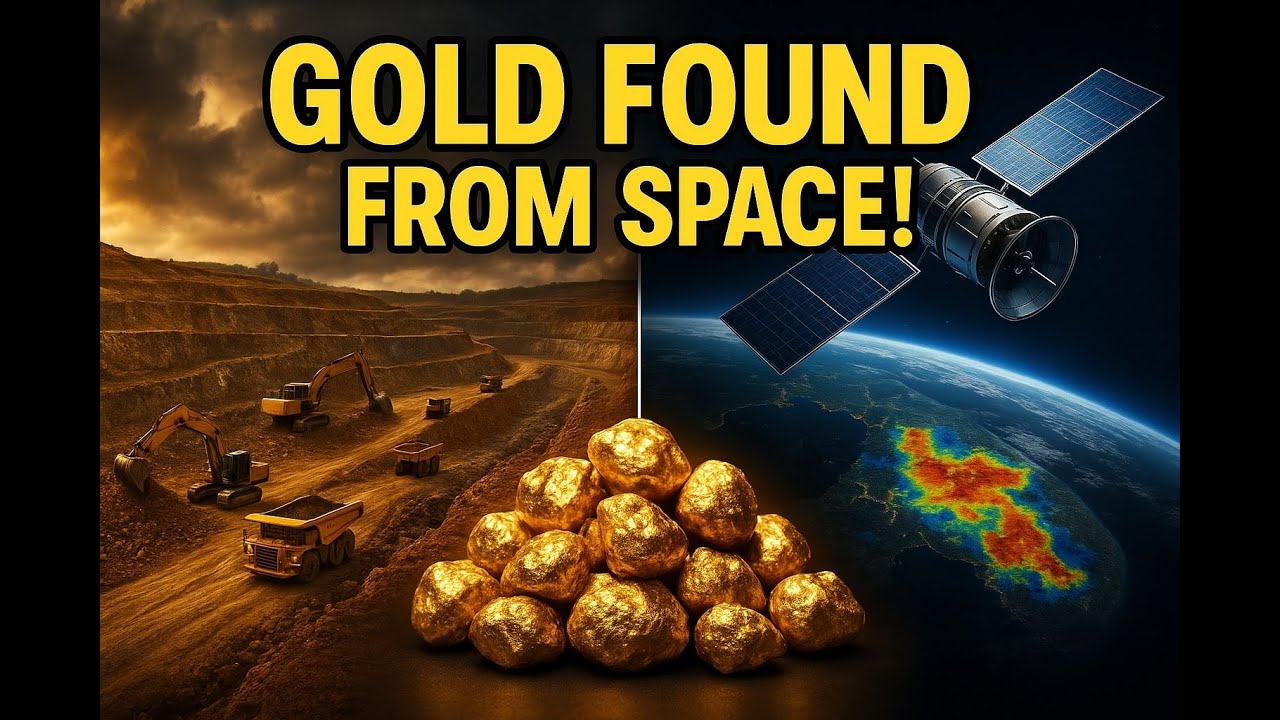
Demographic & Population Booms: Resource Use and Economic Shifts
How Did the California Gold Rush Affect the California Economy?
The surging population brought diverse labor, skills, and demographic effects. Farmers, artisans, merchants, and prospectors—many with previous mining, logging, or agricultural experience—competed for land, resources, and rights. Land ownership norms and property laws shifted rapidly, as miners’ claims intersected with ranching boundaries and new townships sprang up to service camps.
- 📊 Diversity of Settlers: Included Mexican Californios, Native Californians, Chinese laborers, Latin Americans, Europeans, and East Coast Americans.
- 🤝 Land-Use Conflict: Tensions arose as informal claims and mining licenses overlapped established ranching land and timber harvesting rights.
- 🔗 Water Infrastructure: Rapid growth triggered demand for diversion channels, ditches, and flood control works in the Central Valley and the Sierra foothills, profoundly impacting irrigation practices and shaping the agriculture of the future.
- ✔ Forced Conversion: Rangelands quickly subdivided; marginal land converted to farms, ranches, and service towns.
- ✔ Expansion of Cattle, Wheat, and Orchards: New agricultural corridors, especially along the Central Valley and supply routes to mining towns.
- ✔ Labor and Rights: New competitive markets for labor and agricultural production—often with shifting property and water rights.
- ✔ Irrigation and Flood Control: New infrastructure shaped what crops could thrive, establishing the roots of California’s modern agricultural landscape.
Affecting Today’s Land Management and Resource Allocation
These demographic, land use, and legal changes not only formed the skeleton of modern California agriculture but also set precedents for today’s water allocation disputes, forest management practices, and mineral extraction policies. How did the gold rush change California’s economy? It fused rural, resource-based livelihoods with urban, market-oriented demands—spurring regional development that remains relevant in 2026 and beyond.
Economic Transformation: Agriculture, Forestry, and Mining
How Did the Gold Rush Change California’s Economy?
The gold rush acted as a financial engine, pouring wealth into California and fueling rapid investments in infrastructure, agriculture, forestry, and mining. Massive gold output funded roads, ports, later railways, and urban development, tightly linking mining zones with agricultural belts and export markets.
Agricultural Maturation and Market Expansion
- ✔ Specialized Agricultural Production: Early wheat, cattle, barley, fruit, and orchard expansion—especially in the Central Valley, delta, and foothill basins.
- ✔ Urban Market Provisioning: Growth of coastal cities (e.g., San Francisco, Stockton) fed by rural produce and goods via new transportation networks.
- ✔ Irrigation Innovation: Accelerated demand led to new technologies and diversion works which, over time, supported large-scale farming and orchards.
Forestry and Timber: From Extraction to Early Conservation
- ✔ Timber Production: Forest resources—especially Sierra Nevada and coast ranges—provided essential building material for mining timbers, housing, and infrastructure.
- ✔ Logging Zones: Logging intensified near mining camps and infrastructure corridors. Sawmills arose to meet demand for buildings and transport structures (bridges, tunnels).
- ⚠ Resource Depletion and Conservation: The rush set the stage for later debates over logging practices, conservation, and resource management still relevant for forestry today.

Mining and Mineral Extraction Beyond Gold
- ✔ Quartz Mining and Beyond: New discoveries of quartz, silver, and base metals leveraged the same infrastructure, attracting skilled labor and investment.
- ✔ Ancillary Industries: Smelters, foundries, machine shops, and tool-makers arose, creating new sectors and jobs.
- ✔ Infrastructure Spinoff: The need to move supplies, equipment, and mineral output led to expanded road, river, and later rail networks—making possible the economic integration of diverse regions.
Economic Ripple Effects (Visual List)
- 💰Mineral Wealth drove infrastructure investment and new industries
- 🌾Farm Expansion enabled modern agricultural production zones
- 🌳Forestry Intensity led to both growth and depletion of timber resources
- 🛤️Transport Networks integrated inland and coastal economies
- ⛏️Ancillary Services (merchants, tool-makers, logistics)
For modern mineral exploration, leveraging satellite-based solutions offers unprecedented advantages. With satellite based mineral detection, early-stage mining assessment is faster, more cost-effective, and environmentally responsible. At Farmonaut, we use Earth observation, remote sensing, and AI to modernize mining intelligence, supporting rapid and sustainable mineral discovery at global scale. Our tools help accelerate site prospecting, reduce exploratory risk, and guide smarter investment—enabling today’s gold-rush seekers and corporate strategists alike.
- ✔ Rapid, Non-Invasive Discovery: Satellite data highlights viable prospects, reducing on-ground disturbance.
- ✔ Global Applicability: Solutions work across diverse climates and terrains, ideal for California-like fast-growing mineral economies.
- ✔ Integrated Reporting: GIS-based maps, 3D models, and depth analysis support commercial and technical decisions.
See how satellite driven 3D mineral prospectivity mapping streamlines exploration.

Infrastructure Growth: Roads, Rail, and Waterways
Transportation Corridors: Enabling the Gold Economy
The rush catalyzed the development of infrastructure—networks essential for productive agriculture, forestry, and mineral extraction both then and now. Roads, ferries, stage lines, and later rail systems integrated the coastal cities of San Francisco and Sacramento with inland mining and farming zones. Riverboats shuttled people and produce, while wagon trails delivered timber, food, and mining supplies.
- 📊 Road-Building: Stagecoach lines and wagon trails rapidly expanded—by 1855, thousands of new miles connected central California to the goldfields.
- 📊 Railroad Foundations: The need to efficiently move goods and people spurred early rail infrastructure investments, paving the way for the Transcontinental Railroad in the 1860s.
- 📊 Water Channels & Ditches: Canals and ditches supported both mining (hydraulic mining, placer extraction) and early irrigation for agriculture.

Visual List: Infrastructure and Land Use Intersections
- 🚚Supply Roads: Connected goldfields, towns, and farms
- 🚂Rail Lines: Early investment, future-proofing for westward economic expansion
- 🏞️Waterways: Irrigation and mining ditches doubled as agricultural lifelines
- 🏘️Town Networks: Created population and service corridors
- 💡Innovation Adoption: Accelerated technological change in farming and energy usage
Sector-wise Economic Impact Comparison Table

- ✔ Population Surges: Created labor pools, consumer markets, and demand for land, food, and timber
- ✔ Infrastructure Investment: Funded by gold wealth, permanently shaped California’s economic geography
- ✔ Resource Depletion: Fast extraction taxed natural systems—forests, water, and mining lands
- ✔ Technological Diffusion: Demand spurred innovation in farming, water management, and energy supply
- ✔ Long-Run Diversification: Gold laid foundation for modern, multi-sectored “Californian economy”
Long-Term Economic Shifts: 2025 Insights and Beyond
From Boom-and-Bust to Diversified, Managed Growth
By 2026, we see that the gold rush’s legacy remains highly relevant—not just as a historic curiosity, but as a shaping force in modern agricultural, forestry, minerals, and infrastructure management practices. The rush catalyzed California’s journey from frontier provisioning to complex, diversified economic orchestration. Here’s how:
- ✔ Agriculture: Now a global powerhouse, California farming is built on land, water rights, and market systems stemming from gold rush era infrastructure and settlement patterns.
- ✔ Forestry: Sustainable management, fire control, and conservation movements all respond to historical resource depletion sparked by early gold demand.
- ✔ Minerals: The integration of advanced mineral detection technology (such as satellite-based assessment) reflects the push for more efficient, environmentally friendly exploration—mirroring lessons from the boom years.
- ✔ Infrastructure: California’s modern transportation, energy, and water distribution systems still trace their roots to gold rush investments and design principles.
The gold rush established models of land and resource management that still guide policy, industry trends, and regional development strategies. As climate change, population growth, and mineral demand define our challenges into 2026 and beyond, the lessons of this early period remain crucial for sustainable planning and economic resilience.
Modern Mining & Exploration: Satellite Intelligence for Today’s Economy
The modern mineral sector has evolved well beyond pan-and-pickaxe prospecting. Today, companies and governments rely on cutting-edge, satellite-based mineral detection to rapidly identify promising sites, manage resources, and minimize environmental risks. This approach revolutionizes how mineral intelligence feeds into infrastructure, agriculture, and regional economic planning.
At Farmonaut, we deploy advanced remote sensing and satellite imagery combined with artificial intelligence to provide unparalleled support across all exploration stages. Instead of months of costly ground surveys, our platform can highlight optimal targets, prospectivity heatmaps, and estimated mineral quantities from space, all with no early environmental disturbance—a crucial benefit for sustainable mining in sensitive or agriculturally intensive landscapes.
- ✔ Multi-Mineral Capability: Supports gold, base metals, battery minerals (like lithium), rare earths, and high-value crystals—enabling diversified economic growth.
- ✔ Global Track Record: Over 80,000 hectares analyzed across 5 continents.
- ✔ Operational Excellence: Custom GIS outputs, 3D models, and commercial insights, usable for planning and development—see product here.
This rapid, low-risk, and objective approach mirrors the integration and efficiency first sparked by the California Gold Rush—but with vastly improved sustainability and data-driven management.
FAQs: California Gold Rush, Land, Economy & Modern Day Mining
What caused the California Gold Rush, and how did it change California’s population and economy?
The rush was sparked in 1848 by James Marshall’s discovery of gold at Sutter’s Mill. Its immediate effect was a massive population surge—increasing from about 14,000 to over 300,000 in a few years—accelerating agricultural land use, timber harvesting, and rapid infrastructure building. It transformed California from a remote, sparsely settled region to a booming, diversified economy and laid the foundation for the state’s modern agricultural, mining, and infrastructure-driven industries.
How did the California Gold Rush affect the California economy?
The gold rush flooded the economy with capital, fueling investment in roads, ports, irrigation, and railways. It intensified agricultural production, forestry, and mining, enabling California to become a major hub for food, materials, and trade—even after the gold fields dwindled.
How did land use change due to the gold rush?
Rangelands and marginal farmlands were rapidly converted into farms, ranches, towns, and supply corridors. Water projects expanded, encouraging intensive irrigation and new crops. Timberlands were logged for mining and urban development. This set land-use patterns still visible today.
How is mining exploration different now?
Modern exploration uses satellite-driven mineral detection and AI to find targets, reducing environmental disturbance and cost. This approach is far more efficient and sustainable, building directly on lessons learned from both the benefits and excesses of the gold rush era.
What links can I use for mapping my mining site or contacting Farmonaut?
- ✔ Map your mining site here for full mineral assessment and visualization.
- ✔ Contact us for technical support and solutions.
Conclusion: Legacy of the Gold Rush for Modern Industry
In summary, what caused the California gold rush, and how did it change California’s population and economy? The sudden discovery at Sutter’s Mill unleashed not only a rush for mineral wealth but also catalyzed the state’s evolution into a globally significant center for agriculture, forestry, minerals, and infrastructure innovation. The ripple effects—booming population, accelerated land and resource use, integrated supply networks, and foundational economic recalibration—persist in the patterns of land management, irrigation, forestry practice, and mineral targeting that define California and other resource-rich regions even today.
As we look to 2026 and beyond, the lessons of this early period—integration, diversification, and sustainable management—guide the ongoing evolution of the agricultural, forestry, mining, and infrastructure sectors. Enabled by satellite intelligence and modern remote sensing, we at Farmonaut are committed to shaping the next chapter in mineral discovery and land use, ensuring smarter, faster, and more responsible resource management for a dynamic global economy.
Discussion
Questions, corrections or field experience? Share them below. First-time comments are reviewed before they appear, and your email is never published.
No comments yet. Be the first to add a question or your experience.

 African Venture Partners Holding
 Congo Mining Solutions
 Mining SARL
 SenGold Invest SAS
 Sania Corporation
 Sean Mining Limited
 NTS Group (Pty) Ltd
 Mine4Africa
 Lithspo Minerals Limited
 Tintina Mining Group
 Dalgety Minerals Pty Ltd
 Vortex Minerals Pty Ltd
 Faith At Work (Pty) Ltd
 Geotech Mining Solutions plc
 Vulcan International Limited
 Kidepo Associates
 GKY Mining
 Alkimy SARL
 Double A Trading
 GemSprout Metals Limited










