

What Was One Effect of Gold Discovery in California? A Deep Dive into Mining, Agriculture, Land Use, and Forestry
Introduction: The Spark That Ignited an Era
What was one effect of the discovery of gold in California? This question is more than historical trivia—it lies at the heart of understanding how a single, spectacular discovery can transform nearly every aspect of society. The California Gold Rush, ignited in 1848 by the glitter of a few gold flakes in the American River, was not merely a rush for riches. It catalyzed a transformative era—dramatically reshaping mining, agricultural practices, land use, forestry, and our earliest approaches to resource management and sustainability.
Key Insight 💡
The sudden influx of miners and settlers driven by gold sparked cascading changes, not just in extraction but in how people farmed, logged forests, and managed the dynamic landscape.
In this in-depth guide, we’ll explore:
- How gold discovery turbocharged mining innovations
- The surge in agricultural development (crops, irrigation, labor)
- Expansion of timber and forestry in response to mining towns
- Environmental impacts: water, sediment, deforestation—and the birth of sustainability debates
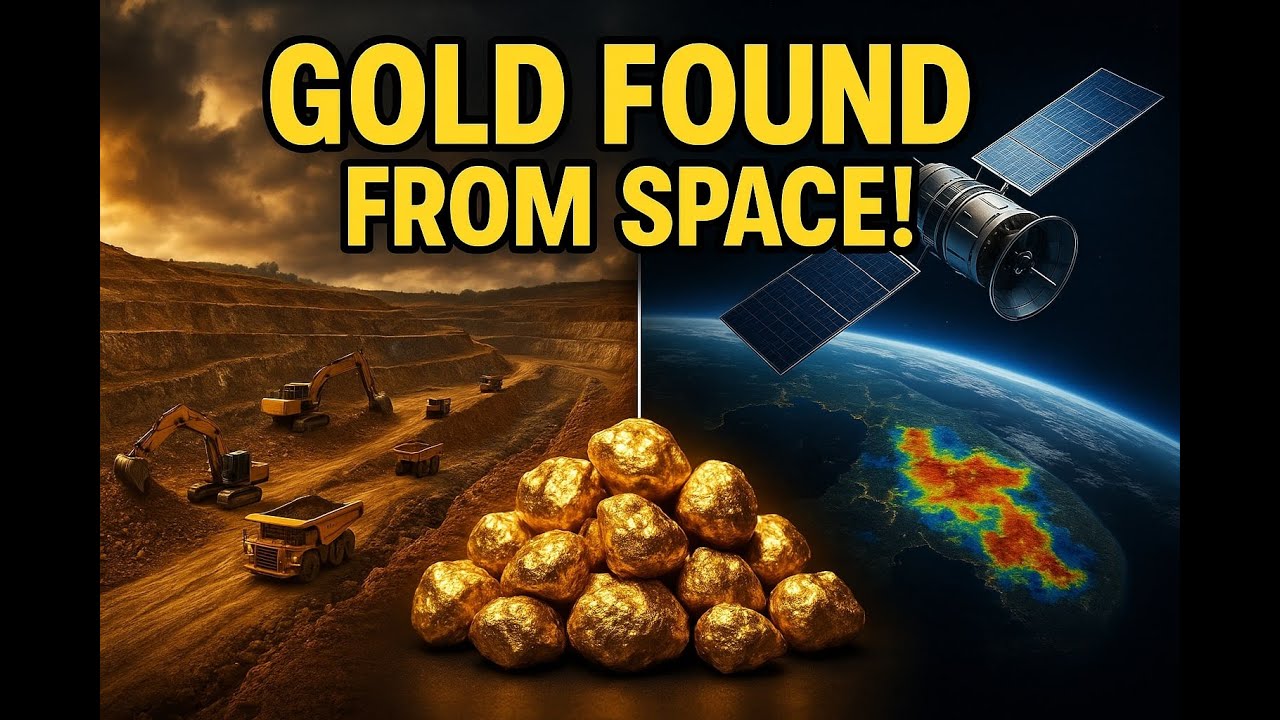
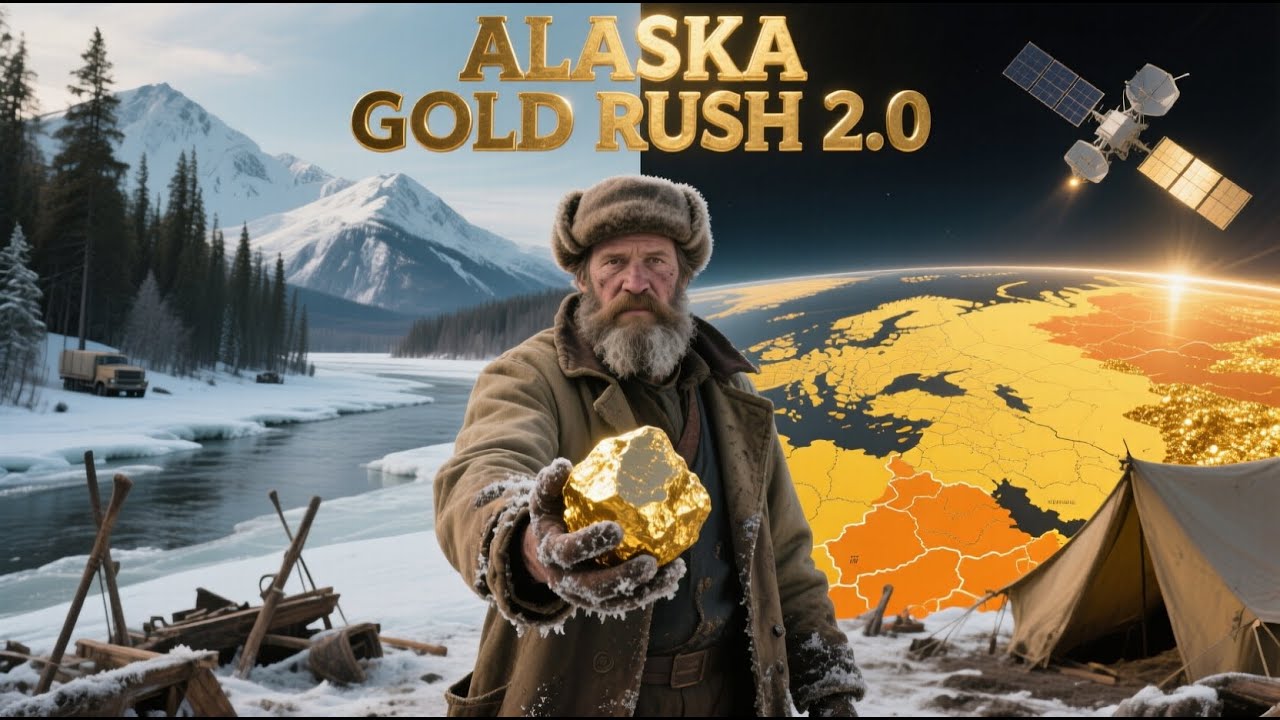
- How satellite based mineral detection helps modern explorers minimize impact while maximizing discovery
Timeline: When Was Gold Discovered in California? A. B. C. D.
The official start of the California Gold Rush is often traced to January 24, 1848, when James W. Marshall found gold at Sutter’s Mill near Coloma, in the Sierra Nevada foothills. News spread quickly, and by 1849, “forty-niners” from across the globe poured into California with dreams of fortune.
Trivia Break 🤔
When was gold discovered in California? A. 1845 B. 1846 C. 1848 D. 1852
(Correct answer: C. 1848)
This moment launched not only waves of prospectors, but also set the scene for widespread transformation of California’s mining, land, agricultural, and forestry sectors.
What Was One Effect of the Discovery of Gold in California?
It’s a deceptively simple question—and the answer, layered and complex, weaves through every facet of California’s development. One key effect: a massive, immediate population boom triggered wide-reaching transformations in mining, agriculture, land use, and forestry, challenging existing resource management and sustainability norms.
- ✔️ Key benefit: Gold discovery ignited economic development, modern transport, and market growth.
- 📊 Data insight: Between 1848 and 1855, California’s population soared from about 15,000 to over 300,000.
- ⚠️ Risk or limitation: Massive extraction and settlement caused rapid environmental degradation—waterway pollution, deforestation, and land erosion.
- 🌊 Resource impact: River and watershed areas, crucial for mining and farming, became flashpoints for early water management debates.
- 🌲 Opportunity: Booming demand saw timber and agricultural sectors expand to supply growing towns and labor camps.
Investor Note 📈
The cascade of change from gold discovery in California offers lessons for modern resource investors: Infrastructure booms, land use shifts, and environmental impacts move in lockstep with mining surges.

Mining: Methods, Innovations, and Environmental Impact
A. Who Was Involved in the Gold Rush of 1849? Output Only the Content
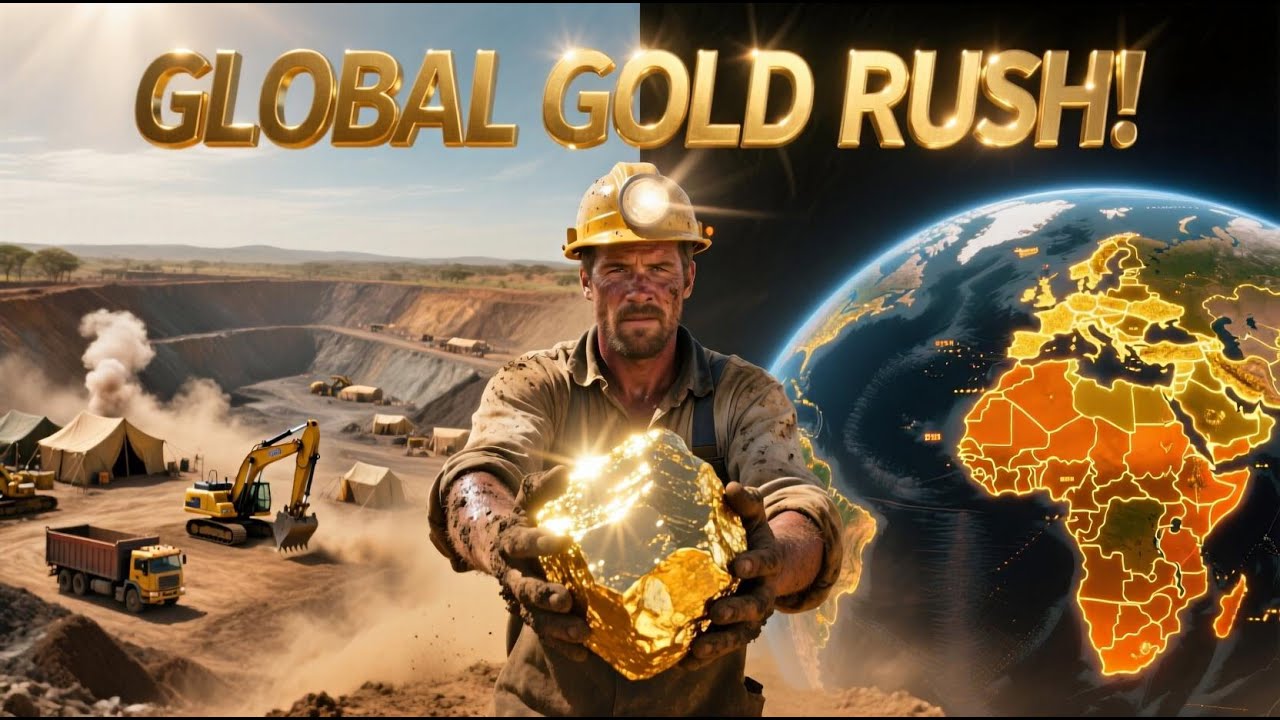
The gold rush was truly global; “forty-niners” came from the United States, Latin America, China, Europe, and Australia, representing a dramatic influx of miners who brought diverse skills, cultures, and mining practices.
Key Phases of Mining Operations: From Placer to Hydraulic Revolution
- Placer Mining (Initial Phase): Simple tools—pans, rockers, sluices—were used by miners to sift gold from gravel beds in rivers.
- Hydraulic Mining (By the 1850s): Water cannons directed immense force at hillsides, washing away tons of sediment and revealing gold, but also sending sediment downstream to clog rivers and devastate ecosystems.
- Hard Rock Mining (Development Phase): As surface gold dwindled, miners turned to extracting ore from underground quartz veins, spurring innovation in milling techniques and transport.
Mining’s Ripple Effects on Environment and Policy
- Water Needs: The demand for water in mining operations forced early construction of irrigation ditches and flumes and often led to conflict with agricultural users and ranchers.
- Sediment Control: Hydraulic mining’s vast release of debris led to devastating floods, ruined farmland, and sparked one of America’s first major environmental lawsuits (Woodruff v. North Bloomfield Gravel Mining Co., 1884).
- Economic Catalysts: Mining towns boomed, needing food, shelter, and infrastructure—stimulating local markets and creating incentives for regional development.
Mining Methods Visual List


Each mining phase involved evolving techniques, reshaping not only California’s hills and rivers, but also policy debates on environmental protection and water usage.
Agriculture: A Booming Population Reshapes Farming
Dramatic Shifts in Land, Labor, and Crop Patterns
Before the gold rush, much of California’s central valleys and Sierra foothills were sparsely settled, with pastoral ranches and Native American communities. Gold ignited an influx of prospectors, exploding the population and sparking newly urgent demand for foodbeaters, rations, and farm supplies—an early “food economy” surge for the region.
Pro Tip 🛠
Farmers who adapted to shifting crop patterns and invested in new irrigation saw their yields—and fortunes—grow alongside the mining boom.
Agricultural Response to Boomtown Demand
- Cropping patterns diversified: Wheat, barley, vegetables, apples, pears, melons, dairy, and livestock increased to supply miners and towns.
- Irrigation expanded: Ditches and canals were dug to pull water from rivers both for mining and cultivation.
- Labor became mobile and seasonal: Temporary camps emerged each harvest and peak mining season, and farmers hired droves of transient workers to keep pace with the booming population.
- Land clearing accelerated: Forests and brush were cleared to create farm acres—sometimes leading to conflict with logging and mining claims.
- Watershed competition: Streams were increasingly constrained, with farmers and miners each extracting water for domestic consumption and irrigation.
Visual List: Crop and Labor Expansion



By 1852, over 80 million gallons of river water were consumed daily by mining—shrinking the supply for local farms and prompting early calls for coordinated resource management. These frictions foreshadowed debates that still shape sustainable practices today.
Land Use: From Untamed Terrain to Managed Resource
Transforming Landscapes: Land Clearing, Towns, and Watersheds
The rush unleashed a dramatic shift in land occupation, clearing, and management. Untouched valleys and wooded hillsides gave way to bustling tent cities, haul roads, and checkerboards of fields, pastures, and timber cuts.
- Towns proliferated: Every mining site (Coloma, Sacramento, Sonora, Nevada City, and more) needed wood, water, and food—driving new transport, construction, and market networks.
- Land clearing for farms: Pioneers and ranchers transformed brush, grass, and forest into fields for supplying miners.
- Transport corridors expanded: Early roadways and mule trails gave way to stage routes and, eventually, rail—a foundation for the region’s modern infrastructure.
- Watershed manipulation: Dams, flumes, and ditches redirected rivers, constraining flow and increasing sediment, highlighting the vulnerability of delicate California ecosystems.

Common Mistake 🚫
Early settlers frequently underestimated the environmental toll of uncoordinated resource extraction—leading to erosion, flooding, and costly disputes over water and land rights.
As we adopt modern techniques for satellite-based mineral detection, such as those offered by Farmonaut, we’re reminded how advanced mapping and spectral analysis can help us plan land use with more precision, control environmental impacts, and ensure balanced resource management.
Forestry: Timber, Towns, and Environmental Debates
From Expansive Forests to Fuel and Infrastructure
As mining camps and settlements sprang up overnight, so did their hunger for wood. Forestry assumed a newfound centrality:
- Logging camps proliferated: Crews set up in forested regions to supply logs and lumber for everything—cabins, flumes, fencing, mine supports, and firewood.
- Extraction and milling accelerated: Rivers and rudimentary roadways helped float and haul timber to towns. Milling innovations improved yield, yet accelerated the rate of extraction.
- Environmental costs: The region lost vast tracts to logging, which increased runoff, reduced watershed resilience, and pushed early questions about sustainable harvest and reforestation.

Highlight
By the mid-1850s, it’s estimated that 20–30% more land was cleared for timber near gold rush towns, fueling debates on deforestation and water quality that echo in forestry planning today.
Our current era of sustainable forestry management traces its roots to these first conflicts. Today, Farmonaut’s ability to monitor forest cover, watershed change, and land clearing through satellite analytics offers a vital decision aid for protecting forest resources amid economic expansion.
Comparative Impact Table: Mining, Agriculture, Land Use, and Forestry
Resource Management and Early Debates on Sustainability
The Gold Rush era did not invent resource management—but it spotlighted its urgency. Each sector (mining, agriculture, land use, forestry) experienced both the boom’s benefits and the environmental costs—fueling heated debates and the first halting steps toward sustainability. Core issues included:
- Who had the right to water? Farmers versus miners versus towns—competing demands for streams and aquifers.
- How to control sediment? Excess debris from hydraulic mining buried fields, blocked rivers, and ruined fisheries downstream.
- How to balance extraction and conservation? Rapid logging, unchecked land conversion, and overgrazing led to deforestation and eroded soils.
- Who set the rules? Ad hoc claims, vigilante justice, and patchwork local ordinances gave way to state and federal oversight and the first lawsuits over resource overuse.
Sustainability Callout
The California Gold Rush period marked the birth of environmental consciousness in American resource management. Its “lessons learned” continue to influence how we confront modern mining, water use, forestry, and land stewardship.

Map Your Mining Site Here 🌐
Looking to discover or validate mineral prospects in your region—without costly, invasive exploration? Map Your Mining Site Here using state-of-the-art satellite analytics by Farmonaut. Fast, accurate, and non-invasive—ushering in a sustainable era for global mineral detection.
Modern Mining Intelligence: Farmonaut’s Sustainable Approach
In our era of advanced technology and environmental scrutiny, Farmonaut provides an essential bridge between mineral discovery and sustainability. Our platform leverages satellite Earth observation, remote sensing, and AI to modernize mineral exploration—making it faster, more inclusive, and signficantly less intrusive.
Why Satellite-Based Exploration Is Transformational
Conventional exploration methods were built on extensive fieldwork—trenches, ground surveys, and drilling—costly, slow, and frequently damaging to land and ecosystems. Instead, Farmonaut:
- Analyzes vast (even remote) areas in days, not months, with up to 80–85% cost savings
- Reduces environmental disturbance by keeping initial exploration off the ground
- Pinpoints mineralized zones, alteration patterns, geological features, and optimal drilling targets—using reflected spectral signatures, hyperspectral & multispectral imagery
- Supports detection of gold, silver, lithium, base metals, energy minerals, rare earths, and specialty deposits worldwide
- Strengthens decision-making with comprehensive mineral intelligence reports, 3D models, and GIS-ready data
Our satellite based mineral detection and satellite driven 3d mineral prospectivity mapping solutions allow clients—whether exploration geologists, investors, or local governments—to act quickly, allocate capital efficiently, and minimize ecosystem impact.
Farmonaut’s Advantage—A Sustainable Mining Future
- ♻️ ESG Alignment: No ground disturbance for early-stage projects; lower emissions from reduced field operations
- 🕒 Time to Results: Comprehensive, actionable insights delivered in 5–20 business days
- 🌍 Global Reach: Proven detection in Africa, Americas, Asia, Australia, and more—supporting diverse mineral targets and geological settings
- 🔍 Advanced Analytics: Custom reports pinpoint high-prospectivity zones, quantify targets, and recommend drilling angles
- 🚀 Simple Workflow: Provide your area, minerals of interest, receive PDF maps, models, and GIS files; start smarter, safer, faster
Get a Custom Quote
Ready to explore your prospective mining site with minimal risk and maximum efficiency? Get a Quote for full-spectrum satellite mineral intelligence—no upfront drilling, lower costs, higher confidence.
We at Farmonaut are driving the next era of sustainable mineral discovery—minimizing impact, maximizing return, and transforming how the world finds, assesses, and manages subsurface wealth.
Contact Our Experts
Connect directly with the Farmonaut team for tailored insights, partnership ideas, and next-generation geospatial mineral mapping: Contact Us
FAQs: Gold Rush Effects, Mining, and Sustainable Practices
- Q. What was one effect of the discovery of gold in California?
- A. A dramatic surge in population and economic activity, triggering widespread environmental transformation and accelerating the development of mining, agriculture, forestry, and infrastructure across the region.
- Q. When was gold discovered in California? (a. b. c. d.)
- A. Gold was discovered in California in 1848—at Sutter’s Mill by James W. Marshall (Correct answer: C. 1848).
- Q. Who was involved in the gold rush of 1849?
- A. Prospectors from all over the globe, including Americans, Latin Americans, Chinese, Europeans, and Australians, all took part—forming a “global mining camp” in California.
- Q. How did mining operations impact the watershed and river systems?
- A. Hydraulic mining released vast quantities of sediment, clogging rivers and altering natural water flows—leading to severe environmental consequences for both aquatic and agricultural regions downstream.
- Q. What early resource management practices were adopted?
- A. Sediment control ditches, ad hoc water-sharing agreements, nascent watershed protection initiatives, and, eventually, regional land use planning were adopted or proposed in response to environmental challenges.
- Q. How does Farmonaut’s satellite-based mineral detection support responsible mining today?
- A. By enabling exploration from space, Farmonaut reduces environmental impact, expedites discovery, supports sustainable land use decisions, and improves targeting efficiency—benefiting both industry and the environment.
Conclusion: Enduring Lessons from the California Gold Rush
The California Gold Rush remains an iconic moment for mining, agriculture, land management, and environmental policy. What was one effect of the discovery of gold in California? It was a cascading, interconnected transformation—reshaping the land, swelling the population, sparking innovation, and compelling society to confront the balance between prosperity and preservation.
- Mining booms changed not just economies, but also rivers and forests.
- Agriculture expanded rapidly, adjusting to shifting demands, labor flows, and resource scarcities.
- Deforestation and environmental pressure forced discussion of sustainable harvest and watershed protection—debates that endure into the 21st century.
- The tools of the modern era—like satellite-based mineral detection powered by Farmonaut—enable us to learn from history and pursue mineral wealth in ways that respect the land, its people, and the natural world.
As we approach the challenges of today’s global mineral rushes—seeking gold, lithium, rare earths, or other strategic resources—let’s take California’s story to heart. Smart, sustainable, and scientifically grounded exploration is more vital than ever.
Explore the future of mining with confidence and environmental responsibility. Map your site with Farmonaut now.
For the most accurate, cost-effective, and environmentally responsible mineral exploration—from California to the world—trust Farmonaut’s satellite-driven intelligence.

 Huckleberry Garnet LLC
 Dalgety Minerals Pty Ltd
 Vortex Minerals Pty Ltd
 Faith At Work (Pty) Ltd
 Geotech Mining Solutions plc
 Vulcan International Limited
 Kidepo Associates
 GKY Mining
 Alkimy SARL
 Double A Trading
 GemSprout Metals Limited
 Qader Group
 Ileys General Trading
 SG Gold Mining LLC
 VRV Global Pte Ltd
 Omsri International FZE
 G.I.T.T.
 Jaunita Erss Ltd
 Almosi SARL
 SRK Consulting
 Berks Gold Limited
 Mwerezi Minerals Company Limited
