

World’s Deepest Gold Mine: 7 Innovations Changing Mining
Introduction: The Ambition Behind the World’s Deepest Gold Mine
The story of the world’s deepest gold mine is more than a tale of engineering stamina—it is a subject that sits at the intersection of technological innovation, resource economics, environmental stewardship, and global development. In a world driven by a relentless demand for precious metals, industrial minerals, and, increasingly, strategic rare earths, these mines not only push the boundaries of human capability under the Earth’s crust, but also send ripples across related industries such as infrastructure, agriculture, forestry, minerals supply chains, defence, and land management.
This discussion is framed within markets and geographies making up the world’s deepest gold mines, from the heart of South Africa’s Mponeng Mine reaching nearly 4,000 meters, to burgeoning frontiers across Africa, South America, Asia, and Australia. In exploring this topic, we illuminate not just remarkable feats of engineering, but also the environmental, social, and technical challenges that accompany the ambition to extract value from unprecedented depths.
The world’s deepest mines are crucibles for innovation—developing breakthroughs in ground support, cooling, and automation that quickly ripple into infrastructure, environmental planning, defence, and mineral supply chains at global scale.
Mining Fundamentals at Great Depths
Starting with mining fundamentals, what makes a mine the “deepest” is not only how far miners venture beneath the surface but how a combination of advances in rock mechanics, cooling, ventilation systems, and high-capacity hoisting allows them to work safely and productively in environments unthinkable a century ago.
At great depths, the overburden loads become immense, while rock burst risks and thermal heat emerge as dominant design drivers. This deep mining context pushes engineers to develop new ground support arrangements, air-conditioning regimes, and automation strategies to protect workers and maintain efficiency.
- ✔ Immense Loads: Rock above the mine can exert pressures exceeding 10,000 kPa.
- ✔ Heat Hazards: At 4,000m, native rock can reach 60°C or more—far above tolerable limits.
- ✔ Burst Risks: Energy stored in the rock mass can suddenly release, threatening infrastructure integrity.
- ✔ Ventilation Imperatives: Large fans and cooling systems are required even for short underground shifts.
- ✔ Hoisting Complexity: Lifting ore thousands of meters demands high-strength cables, powerful winches, and real-time automation.
Underestimating the need for redundant power and ventilation systems—failures at depth can halt operations and pose severe safety risks.
Intersecting Worlds: Mining, Land, and Environmental Planning
Deep mining facilities are not only technical marvels beneath the Earth’s surface—they also have profound effects at the surface and across surrounding landscapes. From the tailings dams and roads associated with massive mining complexes, to the corridors supporting access and transporting ore, these systems demand integrated planning and careful environmental stewardship.
The existence of ultra-deep mines in areas of active agriculture and forestry creates land-use pressures. Drainage patterns, groundwater levels, and soil salinity can all be altered by water pumping, blasting, and construction, while post-closure reclamation shapes the region’s agricultural and ecological future.
- 📊 Ecohydrology Impacts: Disrupted subsurface water flow can reduce irrigation supply or alter stream networks.
- ⚠ Dust Generation: Large-scale movement of waste rock and ore can create dust, affecting crops and air quality.
- 📊 Reclamation Needs: Soil rehabilitation is critical for restoring agricultural viability and forest succession near mine sites.
Visual List: Regional Impacts of Deep Mining
- 🌍 Land Use: Expansion of access roads and tailings facilities transforms rural landscapes
- 💧 Water Management: Changes in groundwater and runoff dynamics
- 🚜 Soil Quality: Need for mitigation of contamination, salinity, and compaction
- 🌳 Forest & Farm Interface: Displacement or regeneration depending on reclamation strategies
7 Innovations Shaping the World’s Deepest Gold Mines
Let’s explore seven engineering and technological innovations transforming how the world’s deepest gold mines are planned, constructed, and operated. For each innovation, we discuss not only the technical details but also its measurable impact—from safety and productivity improvements, to energy and cost savings, and even environmental benefits.
1. Advanced Rock Mechanics & Ground Support
Deep mining faces the ever-present risk of rock bursts and structural failures. Advances in ground support systems—from dynamically anchored bolts and heavy-duty mesh, to shotcrete and smart monitoring sensors—help to stabilize tunnels and stopes even as loads and stresses increase with depth.
- ✔ Key benefit: Minimizes rockfall injuries, reduces downtime, prolongs mine infrastructure longevity
- 📊 Data insight: Smart rock support monitoring detects stress changes before failures occur
2. High-Capacity Hoisting Arrangements
Transporting ore, equipment, and personnel thousands of meters up and down vertical mine shafts demands high-capacity hoisting systems. Today’s deepest mines deploy multi-rope friction hoists, high-tensile synthetic ropes, and intelligence-driven controls to maintain both efficiency and safety.
- ✔ Key benefit: Moves vast quantities of ore with minimum energy and risk
- ⚠ Risk or limitation: Rope failures or misalignment can halt entire operations—redundancy is essential
3. Sophisticated Ventilation and Cooling Systems
The high ambient temperatures and humidity at depth make ventilation and cooling a technical necessity, not a luxury. Chilled water plants, ice slurries, and high-volume air handlers bring working conditions below critical thresholds, protecting both equipment longevity and human health.

- ✔ Key benefit: Maintains thermal comfort for miners and equipment at extreme depths
- ⚠ Risk or limitation: Energy-intensive; can become a dominant operational cost if not optimized
4. Integrated Water Management Systems
Water is vital to deep mining—used for cooling, processing, and dust suppression. Yet uncontrolled water ingress or discharge can destabilize slopes, flood galleries, and degrade regional waterways. The latest innovations combine real-time hydrographic monitoring, closed-loop recycling, and advanced treatment technologies.
- ✔ Key benefit: Sustains safe operations while minimizing environmental discharge
- 📊 Data insight: Automated sensors help maintain groundwater and surface water quality
Modern water management systems are increasingly mandated by regulators—a decisive factor for mine permitting and ESG-compliance investment.
5. Precision Ore Handling and Processing
As depth increases, ore grades tend to decline and the economic margin between resource extraction and waste narrows. Sensor-based ore sorting, automated conveyors, and modular crushing units reduce losses and maintain ore integrity—especially for gemstone-bearing ores or metals that require careful handling.
- ✔ Key benefit: Maximizes recoverable metal with minimum processing energy
- ⚠ Risk or limitation: Requires capital investment in sensors and modular systems

6. Digital Mine Planning & Automation
Digital transformation is at the heart of the deepest mining operations. 3D modeling, real-time sensor fusion, automated drilling rigs, driverless mine trucks, and integrated process controls help engineers simulate, design, and optimize extraction scenarios before ground is broken—dramatically improving decision-making for both safety and economics.
- ✔ Key benefit: Enhanced safety, productivity, and reduced human error
- 📊 Data insight: Digital twins enable scenario analysis for collapse, flood, or seismic risks

7. Remote Sensing & Satellite Mineral Detection
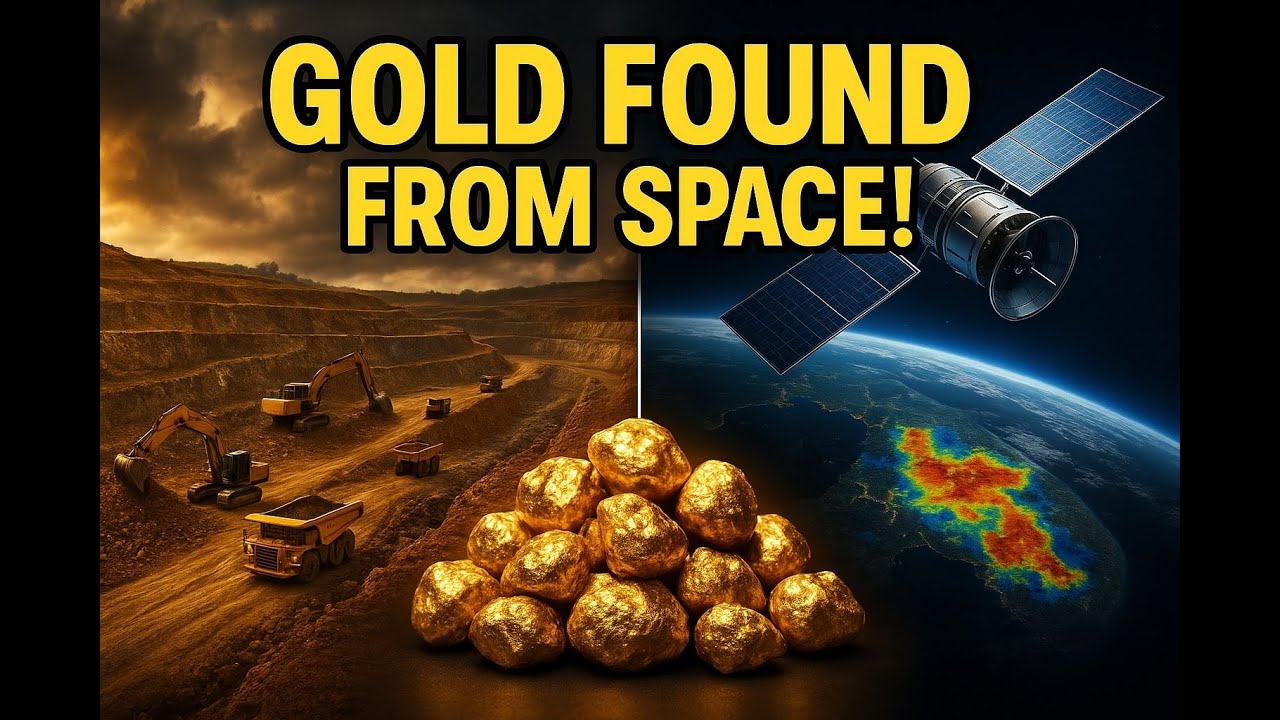
Space-borne satellite remote sensing has transformed how engineers target new deposits for the next wave of mining development. By interpreting multispectral and hyperspectral data, companies can prospect for mineral signatures across vast terrains—reducing the need for lengthy, expensive, and environmentally invasive ground surveys.
- ✔ Key benefit: Rapidly identifies target zones for exploration, saving costs and minimizing surface disturbance
- ⚠ Risk or limitation: Satellite data must be validated with ground truthing before drilling

Learn more about satellite based mineral detection for early-stage exploration and cost advantages for your project: Satellite-Based Mineral Detection
For advanced exploration, spatial modeling, and 3D subsurface prospectivity mapping, see how satellite-driven analytics bridge the gap between detection and optimal drilling target design: Satellite Driven 3D Mineral Prospectivity Mapping
Mining Innovation Impact Table
| Innovation Name | Description | Est. Implementation Year | Technical Benefit | Environmental Impact | Est. Cost Savings (%) | Industry Adoption Rate (%) |
|---|---|---|---|---|---|---|
| Advanced Rock Mechanics & Ground Support | Dynamic anchors, predictive stress sensors, smart reinforcement | 2012–2018 | Improved worker safety, less rockfall | Reduces waste from collapse, limits new excavation | 10–15% | 88% |
| High-Capacity Hoisting Arrangements | Multi-rope friction hoists, synthetic cables, automated load control | 2008–2022 | Faster, safer material & personnel transport | Energy recovery options reduce consumption | 12–20% | 81% |
| Sophisticated Ventilation & Cooling Systems | Ice slurries, chilled water systems, variable-speed fans | 2015–2023 | Reduces heat stress, increases equipment life | Displaces use of conventional power, reduces GHGs | 18–30% | 75% |
| Integrated Water Management Systems | Real-time hydro sensors, closed-loop reuse, advanced treatment | 2015–2022 | Manages inflow, prevents flooding, reduces discharges | Cuts sediment, prevents regional water contamination | 8–22% | 68% |
| Precision Ore Handling & Processing | Sensor-based sorting, modular crushers, data-driven blending | 2017–2023 | Higher recovery, less waste, maintains ore integrity | Reduces tailings, cuts processing energy | 15–25% | 62% |
| Digital Mine Planning & Automation | 3D modeling, autonomous vehicles, real-time monitoring | 2018–2023 | Scenario analysis, fewer accidents, more ore per meter | Precise extraction reduces overall footprint | 12–18% | 73% |
| Remote Sensing & Satellite Mineral Detection | Multispectral/hyperspectral satellite data, AI analytics | 2020–2024 | Rapid target identification, cost & time savings | No ground disturbance in early exploration | 80–85% | 24% |
Combining digital mine planning with satellite detection maximizes long-term value—use advanced analytics before committing to ground operations.
Wider Implications: How Ultra-Deep Mining Shapes Agriculture, Forestry, and Regional Development
The cumulative impact of deepest mining operations extends well beyond the mineral sector. The design, planning, and reclamation choices made by mine developers directly affect land, water, soils, and broader regional development.
Key Ways Deepest Mining Affects Related Sectors:
- ✔ Land Use Planning: Coordinating mining corridors, access roads, and tailings dams with agricultural and forestry needs minimizes conflict and ensures post-mining utility.
- ✔ Water Resource Management: Integrated designs can mitigate salinity, sequester carbon, and help restore ecohydrological balances after mine closure.
- ✔ Soil Rehabilitation: Post-closure, targeted soil restoration ensures both agricultural and forest succession.
- ✔ Community Resilience: Responsible mining supports local economies, creates skilled jobs, and builds infrastructure conducive to diversified regional growth.
- ✔ Agroforestry Strategies: By planning early for ecosystem restoration and farmland return, operators can create new value beyond the life of the mine.
Effective integration of reclamation, water management, and soil stewardship is now seen as a core requirement in mine planning at the world’s deepest mines—not just a post-closure afterthought.
Visual List: Environmental & Social Footprints
- 💡 Landscapes Altered: From open cut to reforestation, mining shapes both physical and ecological regions
- 🛤 Infrastructure Legacy: Roads and utilities serve both mines and (with planning) future rural development
- 🔄 Long-Term Succession: Responsible closure plans aim to leave productive soil, forests, or water bodies
Map Your Mining Site Here: Use mining.farmonaut.com to quickly screen large territories for exploration value, plan access corridors, and optimize reclamation potential using state-of-the-art satellite analytics.
Infrastructure and Defence Lessons from the World’s Deepest Mine
Many of the structures, monitoring systems, and operational strategies developed for the world’s deepest gold mine now underpin modern infrastructure and even defence projects:
- ✔ Military and Civil Defence Facilities: Subterranean layouts in mines inspire blast-resistant designs, redundant networks, and controlled climates for command centers, bunkers, and disaster shelters.
- ✔ Energy and Power Systems: Dedicated substations, backups, and distributed power arrangements in the deepest mines set standards for resilience in critical national infrastructure.
- ✔ Emergency Response: Deep mining’s lessons in worker evacuation, complex ventilation, and structural monitoring influence safety policy in metro tunnels, underground storage, and high-speed transit projects.
Planning new defence or infrastructure installations in complex geology? Incorporate mine-proven systems for rock mechanics, air quality, and power redundancy right from the conceptual phase.

Sustainable Mining: Environmental Stewardship & Responsible Practices
Modern mining operations are increasingly regulated and scrutinized for their environmental and social footprints. Compliance and excellence in planning, mitigation, closure, and broader stewardship are now signals of operational maturity and market credibility.
- ✔ Carbon Sequestration: New methods in tailings management allow reforestation and integrated carbon sinks within mined land.
- ✔ Water Quality Assurance: Closed-loop systems minimize effluent discharge—protecting both surface and groundwater.
- ✔ Soil Restoration: Remediation techniques restore both chemical and structural soil quality, supporting regeneration for agriculture and forestry.
- ✔ Biodiversity Management: Monitoring and planning enable forest and habitat succession, benefiting regional ecology.

Secure mining’s social license by involving community stakeholders in land planning, workforce training, and reclamation design—responsibility is a competitive advantage.
Farmonaut in Mining: Advancing Global Exploration
As a geospatial technology company, we at Farmonaut bring the power of satellite-based mineral intelligence to the forefront of the modern exploration era. Our solutions enable mining companies and investors to discover, evaluate, and prioritize mineral targets—remotely and efficiently—before field activity begins.
- ✔ Rapid Assessment: Our platform analyzes multispectral and hyperspectral satellite data to reveal mineralized zones, alteration halos, and critical geological structures—delivering months of insight in days.
- ✔ Cost & Time Savings: We routinely reduce mineral exploration costs by up to 85% and compress exploration schedules by years or decades.
- ✔ Environmental Stewardship: Our approach is non-invasive, eliminating surface damage, drilling waste, and carbon emissions in early exploration.
- ✔ Global Relevance: Farmonaut supports project planning in gold-rich regions from South Africa and Kenya to Peru and Australia, as well as lithium, cobalt, copper, uranium, and rare earth projects on five continents.
- ✔ Easy-to-Use Workflow: Clients define their area and minerals of interest; we deliver high-confidence targets with maps, heatmaps, and actionable recommendations.
Get a quote for your mineral detection project via Farmonaut Mining Query Form
For general inquiries or to discuss your exploration goals, please Contact Us
Early-stage satellite mineral detection is now viewed as a best practice—sharpening exploration focus, reducing upfront risk, and demonstrating a commitment to responsible, efficient discovery.
Frequently Asked Questions (FAQ)
What is the world’s deepest gold mine and why does it matter?
The world’s deepest gold mine is Mponeng in South Africa, extending nearly 4,000 meters below the surface. Its importance lies in advancing engineering methods, driving innovations that influence mining, infrastructure, and resource extraction globally, while raising the bar for safety, environmental stewardship, and regional development.
How do innovations like cooling and ventilation impact deep mining?
Advanced cooling and ventilation systems reduce underground heat and provide breathable air at depths where rock temperatures can exceed 60°C. This is essential for worker safety, equipment longevity, and continuous productivity in the deepest mines.
Why is water management critical for the world’s deepest gold mines?
Deep mining often intersects with aquifers and creates drainage challenges. Without integrated water management, there’s risk of flooding, environmental pollution, and adverse effects on local agriculture, forestry, and communities downstream.
How does satellite-driven mineral detection improve mining exploration?
Satellite-driven detection quickly identifies mineralized zones, saving time and costs compared to traditional ground surveys. It is non-invasive, covers vast areas regardless of terrain, and integrates directly into advanced digital planning workflows—helping companies focus drilling where returns are most likely.
Can deep mining coexist with agriculture and forestry?
With careful planning—especially around water and reclamation—mines can minimize their impact on surrounding agricultural and forest lands. Post-closure rehabilitation and agroforestry strategies are now central to sustainable land stewardship after mining operations end.
Conclusion
The saga of the world’s deepest gold mine is both an engineering triumph and a prism through which we understand the complexities and opportunities at the intersection of mining, global development, and environmental stewardship.
From advanced rock mechanics and ventilation ingenuity to the rise of satellite mineral intelligence, each step forward in innovation redefines how mining shapes land, supports infrastructure, and influences related industries – from agriculture and forestry to defence and high-tech manufacturing.
Within these depths, we find valuable lessons for soil management, water use, responsible reclamation, and the future of sustainable resource extraction. As new technical advances ripple outward, the frontier of mining continues to illuminate solutions for global challenges—connecting our ambition beneath the surface to a more resilient, responsible, and data-driven approach for the world above.
Ready to plan your own mining project, map your site, or accelerate mineral detection? Start with Farmonaut:
- • Map Your Mining Site Here: For rapid, large-area satellite prospectivity.
- • Learn about Satellite-Based Mineral Detection: For detailed, environmentally non-invasive target analysis.
- • Get a Quote: For customized, project-based intelligence in any region.
Explore the future—beneath the surface—by combining technical ambition with responsible land, water, and resource stewardship for a better world.
Discussion
Questions, corrections or field experience? Share them below. First-time comments are reviewed before they appear, and your email is never published.
No comments yet. Be the first to add a question or your experience.

 Dalgety Minerals Pty Ltd
 Vortex Minerals Pty Ltd
 Faith At Work (Pty) Ltd
 Geotech Mining Solutions plc
 Vulcan International Limited
 Kidepo Associates
 GKY Mining
 Alkimy SARL
 Double A Trading
 GemSprout Metals Limited
 Qader Group
 Ileys General Trading
 SG Gold Mining LLC
 VRV Global Pte Ltd
 Omsri International FZE
 G.I.T.T.
 Jaunita Erss Ltd
 Almosi SARL
 SRK Consulting
 Berks Gold Limited
 Mwerezi Minerals Company Limited
 Mining SARL
 SenGold Invest SAS
 Exploration consultancy · South Africa · Gold










