

World’s Largest Gold & Silver Producer: 7 Farming Impacts
Table of Contents
- Introduction: Precious Metals and Agriculture’s Unexpected Link
- Trivia: Gold & Silver’s Global Reach in Rural Regions
- 1. Mining-Adjacent Agrarian Economies: Job Creation & Rural Development
- 2. Infrastructure Benefits: Roads, Power Lines, Water & Beyond
- 3. Silver in AgTech & Animal Health: Underrated but Vital
- 4. Gold Mining’s Downstream Water Management & Soil Quality
- 5. Machinery, Equipment Chains & Agricultural Modernization
- 6. Forestry & Timber: Metals, Logging & Socio-Environmental Links
- 7. Sustainability, Integrated Practices & Responsible Mining
- Comparative Impact Table: Gold vs Silver Producer
- Farmonaut: Satellite Mineral Intelligence for Sustainable Mining
- Watch: The Gold & Silver Mining Journey – Key Videos
- Key Takeaways: Visual Bullets & Lists
- Frequently Asked Questions (FAQ)
- Conclusion: Precious Metals, Agriculture & Rural Sustainability
Introduction: Precious Metals and Agriculture’s Unexpected Link
When we consider the world’s largest gold and silver producers, global finance and industrial wealth quickly come to mind. Yet, these precious metals shape multiple sectors beyond finance, reaching deep into the fabric of rural farming, agriculture, forestry, and even rural infrastructure. The journey of gold and silver—from mine to market—triggers a chain of influences that supports regional economies, jobs, innovation in machinery, new technologies, significant upgrades in water and power systems, as well as compels sustainable practices for land management and soil quality.
By examining the actions of the world’s largest silver producer and world’s largest gold producer, we reveal how the extraction and processing of these metals interact with agricultural and forestry sectors. Through technological, environmental, and supply chain lenses, let’s uncover seven profound farming and regional impacts driven by the dynamics of global gold and silver production.
Trivia: Gold & Silver’s Global Reach in Rural Regions
1. Mining-Adjacent Agrarian Economies: Job Creation & Rural Development
The world’s largest producer of gold and silver are not abstract industrial titans—they are anchors of development for many agrarian regions. Across continents, mining operations exist side-by-side with agriculture, forestry, and small towns, shaping the economic fate of millions.
How do these producers affect rural communities and farming livelihoods?
- ✔ Job Creation Ripple Effect: The demand for labor—both skilled and unskilled—increases as mines require drilling, blasting, hauling, and processing services, spilling benefits into farming families and local suppliers.
- 📊 Steady Procurement & Upgrades: Mining often secures bulk fuel, machinery, and consumables from regional markets, driving local manufacturing and equipment suppliers to scale up and diversify.
- ✔ Indirect Economic Boost: Rural economies benefit from mining-generated spending, which flows into agricultural services, equipment repair, hospitality, and infrastructure ventures.
- ⚠ Risk: Cyclical Displacement: Boom-bust cycles in mining regions can destabilize farm incomes or cause labor shortages, especially during peak extraction or after sudden closures.
- 📊 Land Demand & Resilience: Although mines require substantial land allocations, active engagement in sustainable land management and post-mining rehabilitation can improve resilience for agriculture in surrounding areas.
The economic uplift of mining-adjacent communities heavily depends on their integration with regional agriculture and forestry—with genuine prosperity occurring where local procurement, infrastructure, skill training, and Sustainability Investments are prioritized.
🌍 Where Is This Happening?
The world’s largest gold and silver producers—such as mining companies in China, Peru, Australia, Russia, and the United States—operate in regions where the proximity between mines and farms is particularly pronounced. In areas like the Andes, the Outback, and even the Great Lakes, rural communities see new access to jobs, markets, and infrastructure upgrades thanks to mining’s presence.

2. Infrastructure Benefits: Roads, Power Lines, Water & Beyond
Mines don’t operate in a vacuum. Building and sustaining mining operations unlocks transformative infrastructure projects that support both industrial and agricultural advancement:
-
Access Roads & Improved Transport:
Mines require high-capacity roads for hauling metals and supplies, which in turn improves farm transport times, market access, and reduces post-harvest losses for agriculture. -
Power Lines & Energy Access:
Deployment of new power lines—originally built for mining facilities—extends commercial energy supply to nearby communities, agriculture enterprises, and forestry depots. -
Water Management Projects:
Surface and groundwater pumping systems for mines are often designed with water-saving or dual-use features, mitigating risk of scarcity for local farming through shared access, advanced irrigation pipelines, or improved drought resilience.
Mining-driven infrastructure, once established, becomes the backbone for future agricultural innovation—enabling climate-smart technology, enhanced markets, and resilience against rural isolation.

3. Silver in AgTech & Animal Health: Underrated but Vital
Silver—while renowned for its monetary and industrial values—plays an understated and significant role in agricultural technology and animal care. The applications of silver compounds reach deep into the chemistry of farming and food safety:
- ✔ Antiseptics & Antimicrobial Treatments: Silver compounds are used in veterinary care, disinfecting wounds, coatings for animal housing, seed protection, and even in horticultural settings for plant health.
- ✔ Enhanced Food Storage: The antimicrobial effects of silver help preserve perishable goods, reducing food waste and spoilage for local communities.
- ⚠ Risk: Overuse & Residuals: Over-application or improper treatment can lead to silver residues in soil or waterways; precision dosing and best management practices are crucial.
- 📊 Refining Byproducts Fuel Innovation: The byproducts of industrial silver refining can power manufacturing ecosystems that produce irrigation pumps, sensors, automation equipment, and advanced ag-tech devices.
- ✔ Supply Chains for Sensors: Modern agriculture increasingly relies on silver-plated or silver-containing sensors, switches, and components—linking global mining directly to farm-level innovation.
In high-value horticultural and dairy contexts, silver-based materials are favored for sterile surfaces, irrigation system parts, and monitoring sensors—driving up demand for ultra-high-purity silver from the largest producers.

4. Gold Mining’s Downstream Water Management & Soil Quality
Gold production is not just a question of extracting ore—the downstream effects on water, sediment, and soil quality matter deeply for both agriculture and forestry. Modern gold mines often necessitate:
- ✔ Tailings Containment & Sediment Control: Responsible operations invest in sophisticated tailings systems and sediment load barriers that help preserve soil and water quality for farmland and natural habitats downstream.
- 📊 Benefits for Rural Water Users: Communities often gain improved irrigation infrastructure, more reliable water supplies, and lower water contamination when mining companies execute strong environmental management.
- ✔ Soil Quality Preservation: Through controlled runoff and land rehabilitation, mining operations can limit soil contamination (ppm of heavy metals) and promote soil restoration, benefiting both crops and pasture.
- ⚠ Common Mistake: Rushing to extract precious metals without investing in environmental safeguards can have lasting negative impacts on agriculture and ecosystems.
Failure to integrate downstream water and soil management with mining plans can erode farming productivity and community trust—responsible mining always considers agricultural resilience.
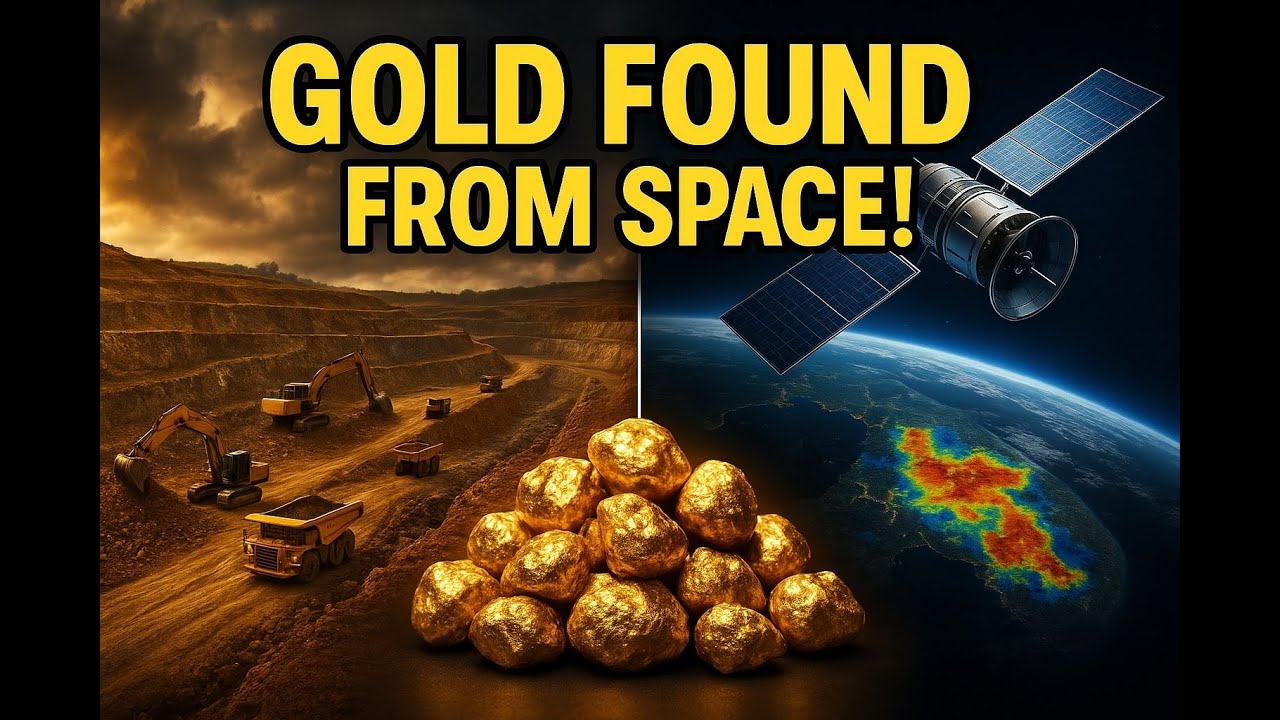
To maximize resource use and minimize environmental impact,
satellite driven 3D mineral prospectivity mapping
enables rapid identification of priority mining zones—cutting down on unnecessary ground disturbance and streamlining investment into land and water management upgrades.
5. Machinery, Equipment Chains & Agricultural Modernization
One of the most meaningful ways the world’s largest gold and silver producers influence agriculture is through robust supply chains for equipment. From metal parts in tractors and irrigation pumps to high-precision sensors and renewable energy installations, silver and gold extraction underpins much of the technology used in modern farming and forestry:
-
Heavy Machinery:
Mining regions provide a steady flow of metals necessary for the manufacture and maintenance of tractors, harvesters, processing plants, and timber equipment. -
Irrigation Technology:
Silver-containing sensors, switches, and pumps are essential for precision agriculture—from water-saving drip lines to next-generation automated systems. -
Renewable Energy Installations:
Solar panels, wind turbines, and storage systems depend on both silver (for conductivity) and a host of base metals sourced from mining regions, allowing agricultural and forestry operations greater independence and climate resilience.
The reliability and strength of equipment supply chains from mining regions are central to enabling agriculture to adopt automation, precision monitoring, and climate-smart practices at scale.

6. Forestry & Timber: Metals, Logging & Socio-Environmental Links
The intersection of mining and forestry rarely makes headlines, yet it is central to many regional economies—particularly in areas where logging and timber production aligns with mining lifecycles. Mining supports forestry in several ways:
- ✔ Logging Machinery & Metal Components: Forestry equipment relies heavily on robust metal parts produced using materials sourced from nearby mining operations.
- ✔ Infrastructure for Timber Markets: Roads and power lines built for mines are also vital for moving forestry products—and support processing facilities in rural communities.
- ⚠ Risk: Forest Encroachment: Poorly managed mining expansion can threaten native forests—integrated land-use planning and careful management practices are necessary for resilience in these ecosystems.
In regions where mining and timber industries overlap, proactive planning can generate new value chains (bioenergy, bioproducts) alongside enhanced environmental protection.

7. Sustainability, Integrated Practices & Responsible Mining
The ultimate influence of the world’s largest gold and silver producers comes down to their impact on the environmental, economic, and social sustainability of agrarian regions. As mining operations expand, so does the responsibility to minimize harm and create long-term benefits:
- ✔ Integrated Water Management: Protecting aquifers, rivers, and irrigation networks not only ensures mining license to operate—it fortifies agriculture and forestry resilience against climate variability.
- ✔ Biodiversity and Land Rehabilitation: Investing in land restoration, reforestation, or soil conservation leads to lasting improvements in local ecosystems.
- ✔ Stakeholder Engagement: Collaboration with local producers and rural communities can help balance ore extraction with the long-term prosperity of farming lands.
- 📊 Traceability & Transparent Reporting: As demand for ethical metals grows, transparent lifecycle data and sustainability investments are crucial for market access and reputation—benefiting all stakeholders.
- ✔ Investment in Training & Technology Adoption: Modern mining often funds agricultural extension, skilling, and digital farming adoption programs in adjoining rural areas.
Long-term sustainability is increasingly central to mining economics: investments in environmental safeguards and community support drive lasting value and license to operate for both miners and agrarian partners.


Sustainable mineral exploration is now easier and less intrusive than ever, thanks to satellite based mineral detection. This approach minimizes ground disturbance, cuts emissions, and delivers rapid, actionable insight to both mining firms and rural developers.
Comparative Impact Table: Environmental & Agricultural Impacts (Gold vs Silver Producer)
| Impact Area | Gold Producer (Estimated Impacts) | Silver Producer (Estimated Impacts) |
|---|---|---|
| Water Usage (million m³/year) | 45–75 | 50–115 |
| Land Degradation (hectares) | 20,000–45,000 | 15,000–50,000 |
| Deforestation Rates (% per year) | 0.3–0.9 | 0.4–1.2 |
| Rural Employment Affected | 150,000–350,000 | 180,000–420,000 |
| Soil Contamination (ppm of Heavy Metals) | 0.5–3.2 | 0.8–5.1 |
| Carbon Emissions (tons/year) | 6,000,000–12,000,000 | 4,500,000–10,000,000 |
| Sustainability Investments (USD millions/year) | 250–950 | 200–700 |
Both gold and silver production have significant overlapping impacts—especially on water dynamics, employment, and sustainability spending. Year-on-year, the push for responsible operation is growing.
Farmonaut: Satellite Mineral Intelligence for Sustainable Mining
As global demand for precious metals continues to rise, balancing development and sustainability is more crucial than ever. At Farmonaut, our role is to empower the mining industry with advanced, satellite-driven intelligence, enabling the world’s largest gold and silver producers to explore and operate efficiently, cost-effectively, and with minimal environmental disruption.
- ✔ Rapid, Non-Invasive Detection: We apply multispectral and hyperspectral satellite data and AI to identify mineralized zones, allowing mining companies to minimize unnecessary drilling and reduce land impact in agricultural and forestry regions.
- 📊 Cost & Time Savings: Our clients routinely experience reductions in exploration timelines by 80–85%, and significant budget efficiencies, unlocking value for rural communities sooner.
- ✔ Supports Responsible Mining: By providing detailed, actionable maps and risk assessments, Farmonaut’s platform helps align exploration projects with best environmental and social practices.
- ⚠ Risk Mitigation: Farmonaut’s insights help mining companies avoid unnecessary disturbance—especially near sensitive water resources or fertile farm land.
Explore more about Farmonaut’s satellite based mineral detection capabilities and how they enable modern mineral prospecting with sustainability at the core.
Upload coordinates or region boundaries, select minerals, and get comprehensive, satellite-powered mineral intelligence reports tailored for your needs—efficient, reliable, and fully remote.
Watch: The Gold & Silver Mining Journey – Key Videos
- 🎥 Ghana Gold Discovery: How Satellite Tech Pinpoints Hidden Deposits Accurately! – Learn how technology revolutionizes gold exploration in Africa.
- 🎥 Satellites Find Gold! Farmonaut Transforms Tanzania Mining | News Report – See Farmonaut in action and its impact on discovery and community.
- 🎥 How Gold is Extracted from Mines | Full Guide – Find out what happens after discovery to precious metals and local land.
Key Takeaways: Visual Bullet Points & Lists
🔹 5 Bullet Points with Icons
- ✔ Regional ripple effects: World’s largest gold and silver producers bring high-value jobs and procurement to local rural economies.
- 📊 Modern infrastructure legacy: Mining-built roads and power lines often become agricultural arteries.
- ⚠ Resource pressure: Water and soil must be carefully managed to avoid negative agricultural impact.
- ✔ Supply chain enabler: Metals underpin manufacturing for farm, forestry, and irrigation equipment.
- 📊 Sustainability investment: Environmentally responsible practices generate resilience for all sectors.
🌿 Visual List: Environmental & Sustainability Focus
- 🌳 Land Rehabilitation: Mines can restore land-use quality, aiding post-mining agriculture and forestry.
- 💧 Water Quality Initiatives: Downstream water management preserves both agricultural yields and rural health.
- 📉 Reduced Carbon Footprint: Innovations in energy usage and satellite detection lower emissions substantially.
- 📈 Community Investment: Rural education, healthcare, and technology adoption benefit from mining revenues.
- 🌱 Biodiversity Protection: Responsible mining practices help conserve habitats and agricultural pollinators.
⚒ Visual List: Technology, Equipment & Processing
- 🔩 Precision Equipment: Silver and gold extraction facilitates the production of ultrasensitive sensors and automation for efficient farm management.
- 🚜 Machinery Upgrades: Steady metals supply chains mean more advanced and reliable tractors, harvesters, and timber processing units.
- 🔋 Renewable Energy: Phased integration of solar and wind installations in rural zones, enabled by mining-area metals.
- 🔗 Digital Traceability: Mining and processing records now underpin the traceability of metal content in farm machinery and ag-tech.
- 👷 Skill Development: Mining growth promotes technical upskilling—accelerating tech adoption in agriculture and forestry.
Frequently Asked Questions (FAQ)
Q1: How do gold and silver mining activities affect water availability for agriculture?
Answer: Both gold and silver mining are water-intensive, but responsible producers invest in water recycling systems, dual-use infrastructure, and tailings containment, improving overall water management in many rural regions. When executed well, these efforts provide more reliable water supplies for farmers and communities.
Q2: What are the main environmental risks of mining in agrarian or forestry regions?
Answer: Key risks include soil contamination, landscape disruption, deforestation, and water pollution. Careful planning, land rehabilitation, and monitoring technologies (such as satellite observation) are vital for minimizing these impacts and ensuring long-term sustainability.
Q3: In what ways do mining economies create opportunities for local farmers?
Answer: Mining companies often source food, supplies, and services locally, boosting farm incomes. Infrastructure upgrades, irrigation projects, and skill-training funded by mining further support regional agricultural advancement.
Q4: How does satellite-based mineral detection contribute to responsible mining?
Answer: Satellite-based detection rapidly identifies promising mineralized zones with minimal land disturbance, reducing unnecessary drilling and emissions. This accelerates project timelines, cuts costs, and supports environmental stewardship—especially in sensitive rural or forestry landscapes.
Q5: Where can I access advanced mineral prospecting services?
Answer:
For comprehensive, eco-friendly mineral intelligence, visit Farmonaut’s satellite based mineral detection page or
Map Your Mining Site Here for tailored satellite exploration reports globally.
Start your journey with our advanced satellite-based mineral detection.
Map Your Mining Site Here.
Conclusion: Precious Metals, Agriculture & Rural Sustainability
The story of the world’s largest gold and silver producers is far richer than financial charts or ore yield statistics alone. It is woven through the fields of farmers, the forests of timber workers, the infrastructure that connects distant rural communities, and the supply chains powering precision equipment and sustainable growth.
By embracing responsible mining practices, integrating local economies, and investing in enduring environmental safeguards, the world’s gold and silver industries can build a future where precious metals truly support and shape global agriculture, forestry, and rural resilience—from mining’s extraction to every harvest and timber yield beyond.
For next-generation exploration, sustainability-driven prospecting, and geospatial intelligence,
explore our satellite-driven services—or Map Your Mining Site Here.
Discussion
Questions, corrections or field experience? Share them below. First-time comments are reviewed before they appear, and your email is never published.
No comments yet. Be the first to add a question or your experience.

 Vulcan International Limited
 Kidepo Associates
 GKY Mining
 Alkimy SARL
 Double A Trading
 GemSprout Metals Limited
 Qader Group
 Ileys General Trading
 SG Gold Mining LLC
 VRV Global Pte Ltd
 Omsri International FZE
 G.I.T.T.
 Jaunita Erss Ltd
 Almosi SARL
 SRK Consulting
 Berks Gold Limited
 Mwerezi Minerals Company Limited
 Mining SARL
 SenGold Invest SAS
 Sean Mining Limited
 Exploration consultancy · South Africa · Gold










